
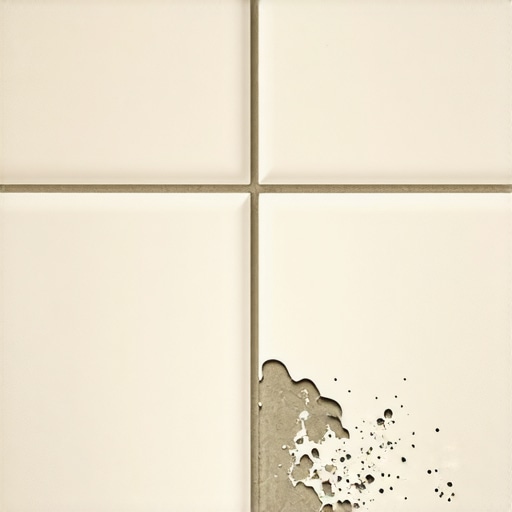
The sound of grit under your heels in a shower is not just a cleaning problem. It is the sound of a structural failure occurring beneath the ceramic surface. When grout begins to pulverize, it indicates that the rigid bond between the tile and the substrate has been compromised. Most guys skip the leveling compound. They think the underlayment will hide the dip. It won’t. I spent three days grinding concrete on a job last month just so the floor wouldn’t click like a castanet. That clicking or crunching is the physical evidence of deflection. The subfloor is flexing more than the tile can handle, causing the grout to act as a sacrificial grinding medium. As a master installer with twenty-five years of sawdust under my nails, I have seen this lead to catastrophic rot. This guide identifies the structural and chemical reasons why your shower floor is failing and how to stop the decay before it reaches the floor joists.
The physics of the crunch
Crunchy grout indicates vertical movement, known as deflection, where the tile assembly separates from the bond coat or the subfloor itself flexes beyond its L/360 rating. This movement pulverizes the cementitious structure of the grout into a fine, gritty powder that feels like sand under your feet. When you step on a tile, it should stay perfectly static. If the subfloor is too thin or the joists are spaced too far apart, the floor bows. Because tile and grout are rigid, they cannot bend. Instead, they break. The crunch you feel is the sound of thousands of tiny cement crystals being crushed into dust. This is the first sign that water is about to find a path to your structural lumber. If you ignore this, you are looking at a full tear-out within two years. You can try how to refresh grout without replacing it, but if the substrate is moving, no topical fix will save it.
Why your subfloor is lying to you
A subfloor might look solid to the naked eye while still possessing enough microscopic flexibility to ruin a tile installation. Most builders use 5/8 inch OSB which is far too thin for a wet area where heavy mortar and tile add significant dead weight. You need to understand the modulus of elasticity in your substrate. Wood fibers expand and contract based on the relative humidity of the crawlspace or the room below. If your installer did not use a decoupling membrane, every microscopic shift in the wood is transmitted directly into the grout joints. When that grout cracks, the crunch begins. I always insist on a double-layer of plywood or a high-quality cement backer board that is thin-set and screwed every six inches. Without that rigidity, the floor is a ticking time bomb. The interaction between the moisture in the shower and the wood fibers creates a cycle of swelling that eventually detaches the thin-set from the wood entirely. This is why grout restoration secrets for long-lasting results always start with a rock-solid foundation.
“A floor is only as good as the subfloor beneath it; deflection is the enemy of every joint.” – Master Flooring Axiom
The chemistry of a failing bond
The chemical bond of your thin-set mortar relies on the formation of calcium silicate hydrate crystals that lock into the pores of both the tile and the substrate. When grout feels crunchy, it often means these crystals have snapped due to shear forces or have been weakened by improper mixing. If the installer added too much water to the grout to make it easier to spread, they created a porous, weak structure. As the water evaporates, it leaves behind microscopic voids. These voids make the grout brittle. When you combine brittle grout with a flexing subfloor, the result is structural sand. Furthermore, the use of non-modified thin-set over a plywood substrate is a recipe for disaster. You need latex or polymer additives that allow for a tiny amount of flexibility. Without those polymers, the bond is as fragile as a dry cracker. Regular maintenance with tile cleaning tips for a sparkling bathroom in 2025 can help keep the surface clean, but it cannot fix a chemical bond failure happening at the molecular level.
How water turns a subfloor into a sponge
Water intrusion through cracked or crunchy grout leads to capillary action where moisture is sucked into the subfloor and held there without any way to evaporate. This constant moisture state lowers the structural integrity of the wood and promotes the growth of dry rot. Once the subfloor reaches a moisture content of over 20 percent, it begins to lose its ability to hold fasteners. The screws or nails holding the backer board start to pull out, leading to even more movement. This is a feedback loop of destruction. The more the floor moves, the more the grout cracks. The more the grout cracks, the more water gets in. I have pulled up floors where the plywood was so soft you could stick a finger through it, all because the homeowner thought the crunch was just a bit of sand. If you are planning showers that wow, you must prioritize the waterproofing envelope above all else.
Comparing subfloor materials for wet area longevity
Selecting the right material for the shower foundation determines whether the grout remains intact for five years or fifty years. Concrete and cement-based products offer the best resistance to the moisture cycles common in bathrooms. Unlike wood, cement does not swell or shrink significantly when exposed to humidity. This stability is the key to preventing grout failure. If you are building on a wooden frame, you must bridge the gap between the flexible wood and the rigid tile using a high-performance underlayment. The following table breaks down the performance metrics of common materials found under your tile.
| Subfloor Type | Moisture Resistance | Deflection Rating | Typical Life Span |
|---|---|---|---|
| CDX Plywood | Moderate | High | 25 Years |
| Cement Backer Board | High | Low | 40 Years |
| OSB | Low | Moderate | 15 Years |
| Concrete Slab | Superior | Zero | 100 Years |
The checklist for a rock solid shower
A successful shower installation requires a methodical approach to the substrate preparation that eliminates movement before the first tile is ever set. This checklist ensures that your grout remains silent and your subfloor remains dry.
- Inspect for subfloor deflection using a 10-foot straightedge to find dips greater than 1/8 inch.
- Measure moisture content of the wood with a pin-style meter to ensure it is below 12 percent.
- Verify joist spacing is 16 inches on center or less to minimize vertical bounce.
- Apply a high-quality waterproofing membrane like a liquid-applied guard or a sheet membrane.
- Use polymer-modified thin-set to ensure a chemical bond that can withstand minor vibrations.
- Install solid blocking between joists if the floor feels soft or bouncy under weight.
The ghost in the expansion gap
Expansion gaps at the perimeter of the shower are often ignored by installers, yet they are essential for preventing the tile assembly from tenting and cracking the grout. Without a gap, the floor has nowhere to go when the house settles or the temperature changes. Every material has a coefficient of thermal expansion. In a shower, the temperature can swing from 60 degrees to 105 degrees in minutes. This causes the tile to expand. If the tile is jammed tight against the wall studs or the baseboards, the pressure has to go somewhere. Usually, it goes into the grout joints, crushing them. This is why you often see the first signs of crunchy grout at the edges of the shower pan. When you are looking at baseboards makeover ideas to elevate your space, remember that the transition between the floor and the wall should be handled with a flexible 100 percent silicone sealant, not rigid grout. Silicone can compress and expand, while grout just turns to dust under pressure.
“The maximum allowable deflection for a floor tile installation is L/360 under a live load.” – TCNA Technical Standard
The final verdict on structural grit
The crunching sound in your shower is a warning. It tells you that the bond between your materials is dead. It tells you that the engineering of the floor was secondary to the appearance. To fix it, you cannot just scrape out the old grout and put in new stuff. That is like putting a band-aid on a broken leg. You must address the subfloor. Check the crawlspace for signs of water. Look at the joists. If you see any movement, the only real fix is to pull up the tile, reinforce the subfloor, and start over with the right materials. A floor is a performance surface. If it cannot perform under the weight of a person, it is not a floor. It is just a pile of expensive trash. Take the time to build the foundation right, or you will be listening to that crunch until the day your foot goes through the floor. Use quality materials, respect the drying times, and never trust a builder who says a single sheet of plywood is enough for a tiled shower. Your subfloor is the heart of the room. Keep it dry and keep it stiff.
Comments
One response to “Why Your Shower Floor Grout Feels Crunchy and What it Means for Your Subfloor”
This article really hits home for me because I recently started noticing a crunchy feeling in my shower grout, which I initially thought was just wear and tear. After reading this, I realize it could be a sign of more serious subfloor issues like deflection or water intrusion. I’ve learned that a weak subfloor, especially if it’s OSB, can be tricky because it might look solid but still move microscopically, causing grout cracks over time. I appreciate the detailed explanation about the importance of proper materials and installation techniques. It makes me wonder, how often do homeowners get their subfloor inspected before embarking on major tile projects? It seems like an overlooked step that could save a lot of headaches down the road. I think I’ll definitely invest in a moisture meter and check my joist spacing before doing any renovation work, thanks to this insightful guide.