
The rot that hides behind the paint
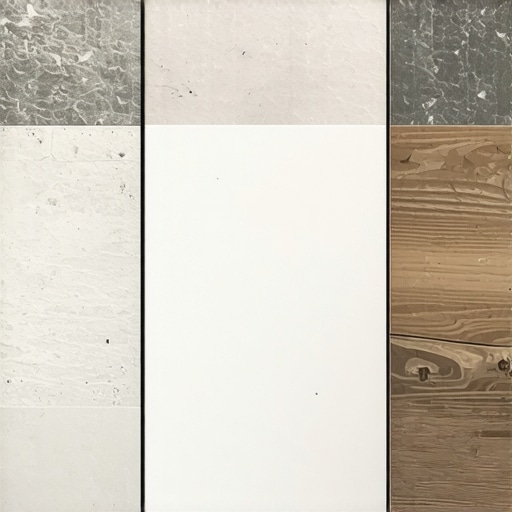
Waterproof bathroom baseboards require materials with absorption rates below 0.5 percent to prevent structural decay and mold growth. While many homeowners reach for PVC, superior engineering options include porcelain tile, fiber cement, and natural stone. These materials provide a permanent moisture barrier when combined with high quality grout and professional grade thin set mortars.
I spent three days grinding concrete on a job last month just so the floor would not click like a castanet. Most guys skip the leveling compound. They think the underlayment will hide the dip. It won’t. I have seen what happens when you try to shortcut the foundation. It is the same with baseboards. I once pulled back a piece of painted pine in a master bath and the entire bottom three inches of the drywall had turned into a black, mushy soup. The homeowner thought the paint was waterproof. Paint is just a skin. If water gets behind it through a hairline crack in the caulk, the wood acts like a straw. It sucks moisture up. It rots from the inside out. You need materials that do not breathe in the water.
Why your subfloor is lying to you
A bathroom floor looks flat to the naked eye but it is often a landscape of micro peaks and valleys. When you install baseboards, these gaps create voids where steam and splash water collect. This is where the physics of capillary action takes over. Moisture is pulled into the smallest spaces. If your baseboard is made of wood or medium density fiberboard, it is game over. Even plastic has its limits. PVC expands and contracts at a different rate than your walls. This movement breaks the caulk bead. Once that seal is gone, the moisture starts its work on your wall studs and floor plates. You can find more baseboards makeover ideas to elevate your space that focus on durability. A floor is only as good as the subfloor beneath it, and a baseboard is only as good as its resistance to vapor transmission.
“A floor is only as good as the subfloor beneath it; deflection is the enemy of every joint.” – Master Flooring Axiom
Porcelain tile as a permanent vertical barrier
Porcelain is the king of the wet zone. To be classified as porcelain, a tile must have a water absorption rate of less than 0.5 percent as measured by the ASTM C373 test. This is achieved through a high pressure dust pressing process and firing at temperatures exceeding 2,200 degrees Fahrenheit. This vitrification process creates a material that is essentially a dense glass. When you use tile as a baseboard, you are extending the waterproof envelope of the floor up the wall. This is especially vital in showers and wet rooms where standing water is a constant threat. For those looking at eco friendly tile solutions for sustainable homes in 2025, porcelain offers incredible longevity. You must use a modified thin set mortar with polymers to bond the tile to the wall. This bond is chemical and mechanical. It does not fail when it gets wet. You must also ensure the grout is properly sealed or use an epoxy grout that is completely non porous.
| Material | Absorption Rate | Density (kg/m3) | Typical Lifespan |
|---|---|---|---|
| Porcelain Tile | < 0.5% | 2400 | 50+ Years |
| Fiber Cement | < 10% | 1300 | 30+ Years |
| Natural Marble | < 0.2% | 2700 | 100+ Years |
| Pine Wood | High | 500 | 5-10 Years |
The chemistry of the bond
The secret to a waterproof baseboard is not just the material but the installation. You cannot just nail these materials to the wall. You need to understand the molecular bond. When applying porcelain or stone, the thin set must be applied with a notched trowel to create ridges. These ridges collapse when the tile is pressed home, ensuring 100 percent coverage. Any air pocket behind the baseboard is a place for condensation to live. In high humidity regions like the Gulf Coast, this is where mold starts. The grout used in the joints should be a high performance cementitious product or a pre mixed resin. If you have old installations, you might need grout restoration secrets for long lasting results to keep the system watertight. Always leave a 1/8 inch gap between the bottom of the baseboard and the floor tile. This gap is not for grout. It is for 100 percent silicone sealant. Silicone remains flexible. It allows the floor and wall to move independently without cracking the seal.
Fiber cement for the traditional aesthetic
Some people hate the look of tile baseboards. They want the look of traditional wood molding. Fiber cement is the solution. It is a composite made of portland cement, sand, and cellulose fibers. It is rot resistant and termite proof. Unlike wood, it does not swell when exposed to high humidity. In the dry heat of Phoenix, wood shrinks and creates gaps at the miters. Fiber cement stays stable. It takes paint beautifully. You get the crisp lines of a colonial or craftsman baseboard without the organic failure of lumber. You can explore chic baseboard designs that transform rooms in 2025 to see how these materials are being used in modern architecture. When installing fiber cement, you must use stainless steel fasteners or high quality construction adhesive to prevent rust bleeds through the paint. Every cut end must be primed before installation to seal the internal fibers.
Natural stone and the weight of luxury
Marble, granite, and slate are the ultimate heavyweights. These materials are cut from the earth and have a thermal mass that wood cannot match. Granite is particularly resistant to the acidic cleaners often used in bathrooms. However, stone is porous. You must seal it. A high quality penetrating sealer fills the microscopic pores of the stone with silane or siloxane resins. This prevents water from staining the material or weakening the bond. In modern showers, using a matching stone baseboard creates a seamless transition. If you are designing for a small space, look at showers with a style trendy ideas for small bathrooms. Stone baseboards are usually 1/2 inch to 3/4 inch thick. This thickness provides a deep shadow line that adds architectural interest. You must ensure your wall framing is straight. Stone has zero flex. If your wall has a bow, the stone will snap or the adhesive will fail as it tries to pull the stone into the curve.
The expansion gap that saves the system
The most common mistake I see is jamming the baseboard tight against the floor. This is a rookie move. Every house moves. Seasonal humidity changes cause the framing to shift. If there is no expansion gap, the pressure will cause the baseboard to pop off the wall or the floor tiles to tent. A 1/8 inch gap filled with a color matched silicone is the industry standard. This allows for movement while maintaining a 100 percent waterproof seal at the most vulnerable point of the room. This is the junction where the vertical wall meets the horizontal floor. It is where gravity sends every drop of water from your shower. For more tips on keeping this area clean, see tile cleaning tips for a sparkling bathroom in 2025. Proper maintenance prevents the buildup of mineral deposits that can etch your stone or stain your grout.
- Use a moisture meter to check the wall studs before installation
- Verify the floor is level within 1/8 inch over 10 feet
- Apply a waterproof membrane to the bottom 4 inches of the drywall
- Back butter every piece of tile or stone for maximum adhesion
- Seal all miter joints with a high quality exterior grade wood filler or epoxy
- Use only 100 percent silicone in the change of plane joints
The failure of the plastic shortcut
Many people suggest PVC baseboards because they are waterproof. They are right about the material but wrong about the system. PVC has a high coefficient of linear thermal expansion. It grows and shrinks significantly with temperature changes. In a bathroom where you go from a cold room to a hot, steamy shower in minutes, the PVC is constantly moving. This stresses the caulk lines. Over time, the caulk peels away. Now you have a waterproof board with a wide open hole behind it. Water gets in. The drywall rots. The studs rot. But hey, the plastic baseboard looks great while the wall falls down. This is why I always advocate for masonry based materials. They are stable. They bond to the substrate. They do not move. If you want a result that lasts decades, you stop looking for the easiest thing to nail up and start looking for the material that matches the physics of the room. You can also check how to refresh grout without replacing it if you are dealing with an older installation that needs a tune up. Investing in the right materials now saves you from a total tear out in five years.
The Master Installer Checklist
Before you commit to a material, run through this list. Is the material rated for wet environments. Does the adhesive match the substrate. Have you accounted for the expansion gap. Is the grout compatible with the tile. If you skip any of these, you are just waiting for the rot to start. Bathroom floors are an engineering challenge. Treat them with respect. If you need more inspiration for your next project, look at showers that wow modern designs for 2025. A good floor is a quiet floor. A good baseboard is a boring one because it never changes, never rots, and never needs to be replaced. That is the goal of a master architect.
Comments
One response to “Stop the Rot: 3 Waterproof Materials for Bathroom Baseboards That Aren’t Plastic”
This post really highlights the importance of choosing durable, water-resistant materials for bathroom baseboards beyond the commonly used PVC. I’ve actually installed fiber cement trim in my own bathroom after dealing with moldy, rotted baseboards in the past. The stability and paintability of fiber cement make it a great alternative for those who want a traditional look but need the resilience of more modern, moisture-proof materials. I also appreciate the emphasis on proper installation, such as leaving expansion gaps and sealing joints with silicone—those details can make or break the longevity of a waterproof setup.
I’m curious, has anyone experimented with natural stone or porcelain for baseboards in a high-moisture setting? What has your experience been like regarding sealing and maintenance? I’m considering adding a stone baseboard in a small, wet corner of my bathroom and would love to hear practical advice from those who have done similar projects.