
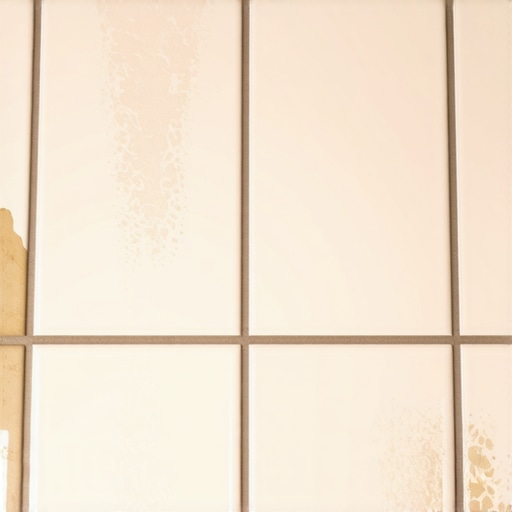
The physics of wet floors and why your porcelain tile is crying
I spent three days grinding concrete on a job last month just so the floor would not click like a castanet, and that is when I saw it. The slab was breathing water. Most guys skip the leveling compound and they think the underlayment will hide the dip. It will not. I walked into a house where the brand new porcelain looked like it had been rained on, even though the windows were shut tight. The homeowner thought they had a plumbing leak. I pulled out my moisture meter and showed them the slab was at 98 percent relative humidity. That is not a leak. That is a physics failure. Porcelain tile sweating occurs when the surface temperature of the tile falls below the dew point of the ambient air, causing water vapor to liquefy on the dense, non-porous surface. This phenomenon is often driven by high hydrostatic pressure in the concrete slab or poor HVAC calibration that fails to manage indoor humidity levels during seasonal shifts.
The thermal trap within your concrete slab
Condensation on porcelain tiles happens because the dense clay material acts as a thermal mass that retains the cold temperature of the ground below. When warm, humid air hits that cold surface, the air cannot hold its moisture. It dumps it right on the tile. This is not a surface problem. It is a structural one. If your slab was not poured with a proper 15-mil vapor barrier, you are essentially living on top of a giant sponge. The ground moisture moves up through the concrete via capillary action and hits the bottom of your tile. Because porcelain is nearly waterproof, that moisture has nowhere to go but out through the grout lines or to chill the tile until it sweats. If you are planning a renovation, you should look at eco-friendly tile solutions for sustainable homes in 2025 to see how modern materials handle these thermal transfers. Most installers ignore the ASTM F2170 test. They just throw down some thin-set and pray. I have seen million dollar homes ruined because someone did not want to wait for the slab to dry or did not use a moisture mitigation epoxy. You have to understand that concrete is never truly dry. It is a living, breathing material that reacts to the environment every single hour of the day.
“A floor is only as good as the subfloor beneath it; deflection is the enemy of every joint.” – Master Flooring Axiom
Why your grout acts like a straw
Porous grout allows moisture to travel from the subfloor to the surface through a process called wicking, which contributes to the appearance of sweating floors. While the tile itself is dense, the grout is often a cementitious material filled with tiny holes. If you do not seal that grout or use a high-performance epoxy grout, you are inviting the ground moisture to come up for a visit. I always tell people that grout restoration secrets for long-lasting results start with a dry subfloor. If you see dark spots in your grout that never seem to go away, that is not dirt. That is water trapped in the pores. Over time, this moisture leads to efflorescence, which is that white crusty salt you see on the surface. It looks like a ghost is growing out of your floor. To fix this, you might need to learn how to refresh grout without replacing it after you have addressed the humidity issues in the room. You can scrub all you want, but if the vapor drive from the slab is not stopped, the sweat and the stains will return every time the dew point hits that magic number. I have seen guys try to paint over wet grout. It peels off in a week. You cannot fight water. You can only direct it or block it.
The hidden failure of standard baseboards
Baseboards that are installed too tight against the tile can trap moisture and prevent the perimeter of the floor from breathing, leading to mold growth and wood rot. Every floor needs an expansion gap. I see installers jam the tile right up against the drywall and then nail the baseboard down like they are trying to hold the house together. That 1/4 inch gap is there for a reason. It allows air to circulate and gives the floor room to move. When you have sweating tiles, that water often runs to the edges. If your baseboards are not primed on the back, they will suck up that moisture like a wick. If you are looking to fix the aesthetic damage, check out baseboards makeover ideas to elevate your space. You might also want to explore chic baseboard designs that transform rooms in 2025 to find materials that handle humidity better than cheap MDF. Medium Density Fiberboard is basically pressed paper. One bad summer with a sweating floor and that MDF will swell up like a balloon. You want solid wood or a high-quality composite that can handle a bit of dampness without falling apart. The ghost in the expansion gap is usually just mold that grew because the air stopped moving.
Technical comparison of moisture mitigation methods
| Method | Effectiveness | Difficulty | Cost Factor |
|---|---|---|---|
| Dehumidification | High | Easy | Moderate |
| Silane Sealer | Medium | Moderate | Low |
| Epoxy Vapor Barrier | Excellent | Hard | High |
| HVAC Recalibration | High | Easy | Low |
Solutions for moisture in modern showers
Modern showers require advanced waterproofing membranes to prevent moisture from migrating into the surrounding floor tiles and causing a sweating effect outside the bathroom. I have walked into bathrooms where the tile five feet away from the shower was soaking wet. The homeowner thought the kids were splashing. No, the water was moving through the mortar bed and under the bathroom door. This is why I insist on using a topical waterproofing system. If you want showers that wow modern designs for 2025, you need to make sure the bones are dry. You can have the most beautiful marble in the world, but if the curb is not built right, that water is going to travel. I also suggest looking at showers with a style trendy ideas for small bathrooms to see how to manage drainage in tight spaces. Every shower should be a sealed box. If moisture escapes the box, it hits the cool porcelain in the bedroom and starts to sweat. I spent a week last year tearing out a shower because the guy used greenboard instead of cement board. It was a mushy mess. Do not be that guy. Use a moisture meter before you ever lay a single tile. If you need a professional assessment, you should contact us before the mold starts taking over your walls.
The 1/8 inch that ruins everything
A variation of only 1/8 inch in subfloor levelness can create air pockets where moisture collects and temperatures fluctuate, worsening the sweating problem. When the tile is not fully supported by thin-set, you get voids. Those voids trap air. That air contains moisture. When the floor cools down at night, the moisture in those voids condenses. This is how you get that weird clicking sound when you walk. You are literally stepping on water and air trapped under your tile. I always use a large format tile trowel to ensure 95 percent coverage. Anything less is a failure. You also need to keep your floors clean to prevent the salts from building up. Use these tile cleaning tips for a sparkling bathroom in 2025 to maintain the surface. Dirt and grime actually attract moisture. A clean tile is a drier tile. I have seen floors that stayed wet just because they were covered in a film of old soap and floor wax that held onto the humidity like a magnet.
“A floor is only as good as the subfloor beneath it; deflection is the enemy of every joint.” – Master Flooring Axiom
Moisture detection checklist for homeowners
- Check the indoor humidity levels with a hygrometer, keeping it below 50 percent.
- Inspect the HVAC condensate line to ensure it is not backing up.
- Run a plastic sheet test on the concrete slab to check for vapor drive.
- Look for efflorescence in the grout lines as a sign of rising damp.
- Verify that the exterior grading is pulling water away from the foundation.
The structural truth about vapor barriers
A high-quality vapor barrier is the only permanent solution for a sweating slab because it physically stops the migration of water molecules from the earth into your home. If you live in a place like Houston or Miami, the humidity is your constant enemy. The ground is saturated. Without a 15-mil poly barrier under the slab, you are fighting a losing battle. The water will come through the concrete. It will pop your tile. It will rot your baseboards. I have had to tell people they need to rip up their entire floor and start over because the builder skipped the $200 roll of plastic. It is heartbreaking. If you are in a dry climate like Phoenix, your problem is usually the HVAC. If you blast the AC and then open the windows, you are creating a dew point disaster. The cold tile meets the hot air and you get a swamp. Balance your air. Seal your grout. Keep your subfloor dry. That is the only way to keep your porcelain from crying. If you need more info on how we handle these technical challenges, see our privacy policy for how we protect your project data. Floor work is not about the tile. It is about the science of the house.
Comments
2 responses to “Why Your Porcelain Tile is Sweating and How to Stop the Moisture”
This article really highlights the importance of addressing moisture control right from the initial installation process. I had a similar experience a few years ago where I overlooked the vapor barrier in a renovation project, and a few months later, the tiles started sweating unexpectedly, especially with seasonal humidity shifts. It’s fascinating how much the subfloor and vapor barriers influence the overall outcome. I’ve since learned that proper moisture testing using ASTM F2170 before laying tiles can save a lot of trouble later on. Also, sealing grout with high-quality epoxy seems like such a small step but makes a big difference in preventing wicking. Has anyone also experimented with installing ventilation systems specifically designed to reduce indoor humidity, like automatic humidistats or smart HVAC recalibration? I’d love to hear what methods others have found most effective in maintaining a dry, long-lasting tiled surface, especially in humid climates.
This post really hits home for anyone who’s dealt with persistent floor sweating problems. From my experience working in both humid and dry climates, I’ve noticed that the most consistent fix involves a combination of proper vapor barriers and HVAC recalibration. It’s interesting how many people overlook the importance of a high-quality vapor barrier during construction, which often results in issues down the line, especially with seasonal changes. I’ve also seen great results with dehumidifiers in problematic areas, which not only control moisture but also improve indoor air quality. My question is: for those living in highly humid environments, what are your go-to methods for maintaining the right indoor humidity levels to prevent tile sweating? Do you prefer integrated solutions like smart HVAC systems or standalone dehumidifiers? Personally, I think the key is early detection and proactive humidity management—avoiding the temptation to just cover up the problem with surface treatments.