
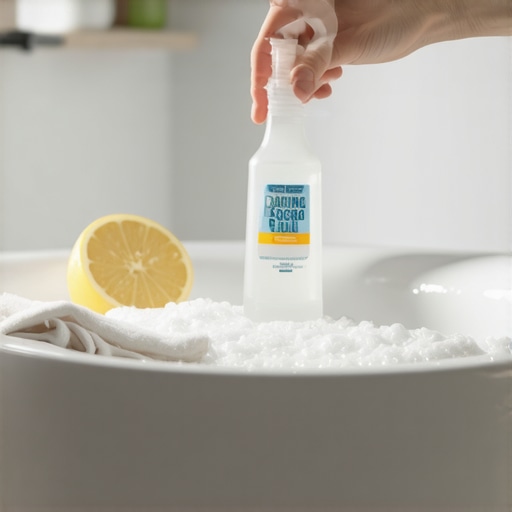
The Best Way to Clean a Jetted Tub Without Harsh Chemicals and Protect Your Tile Integrity
Most guys skip the leveling compound. They think the underlayment will hide the dip. It won’t. I spent three days grinding concrete on a job last month just so the floor wouldn’t click like a castanet. While I was down there on my knees, I looked at the state of the homeowner’s jetted tub. It was a science experiment of mold and soap scum. They had been dumping bleach down it for years, and it was literally eating the grout around the rim. I smell like WD-40 and oak dust most days, but I know a structural disaster when I see one. A jetted tub is not just a place to soak, it is a complex plumbing system integrated into your bathroom flooring and subfloor. When you use harsh chemicals, you are not just cleaning, you are corroding. You are attacking the gaskets, the pump seals, and the very grout that keeps water from seeping into your subfloor. If that water gets under your tile, you are looking at a ten thousand dollar rip out. I have seen solid oak floors three rooms away buckle because a tub leak traveled along the joists. Cleaning a tub naturally is not about being green, it is about being smart and protecting the structural integrity of your home.
The unseen war inside your plumbing lines
To clean a jetted tub naturally you must use a combination of hot water, white vinegar, and baking soda to break down the biofilm and calcium deposits. This process involves filling the tub above the jets, running the pump to circulate the natural acids, and then scrubbing the surfaces. This method prevents the degradation of your plumbing seals and the surrounding grout lines which are sensitive to caustic industrial cleaners. Biofilm is a biological colony that lives inside the hidden pipes. It is a sticky polysaccharide matrix that traps skin cells, oils, and soap. When you turn on those jets, you are blowing that gunk into your bath. If you use bleach, you might kill the bacteria, but you are also hardening the slime and making the rubber components brittle. I have replaced enough cracked tile around tub decks to know that chemical corrosion is a silent killer. The vibration of the pump already puts stress on the mortar bed. Adding chemicals that eat away at the bond is just asking for a leak. You need a solution that dissolves the scale without dissolving your bathroom infrastructure.
“A floor is only as good as the subfloor beneath it; deflection is the enemy of every joint.” – Master Flooring Axiom
Why acids eat your grout and tile
Harsh chemicals like hydrochloric acid or concentrated bleach strip the sealants off your tile and grout which leads to water absorption and subfloor rot. Natural cleaning methods using mild acetic acid from vinegar provide enough cleaning power without compromising the cementitious bond of your flooring installation. I see it every week. A homeowner wants a sparkling tub, so they spray high pH cleaners everywhere. The overspray hits the grout. Cement is alkaline. When you hit it with strong acids, it undergoes a chemical reaction that turns the solid binder into a powder. Once that grout becomes porous, it starts acting like a wick. It pulls moisture from the tub straight down into the thinset. If you have a plywood subfloor, it starts to swell. Then your tiles pop. Then you call me, and I have to tell you the bad news. Using natural cleaners is a preventative maintenance strategy for your tile cleaning tips for a sparkling bathroom in 2025 goals. It keeps the surface clean while keeping the structure dry. You want to avoid the chemical breakdown of the grout minerals at all costs. This is why I tell people to stick to the basics. Vinegar and baking soda do the job without the collateral damage.
The secret life of bio enzymatic solutions
Bio enzymatic cleaners use specialized bacteria and enzymes to digest organic matter like oils and skin cells inside the tub pipes without using corrosive agents. These cleaners are superior because they reach deep into the plumbing manifold where manual scrubbing is impossible and they are safe for all tile. Think of it as a microscopic demolition crew that only eats the trash. They do not touch the pipes, the gaskets, or the grout. When I am installing showers with a style trendy ideas for small bathrooms, I always warn clients about the cleaning phase. Most people think more bubbles means more clean. That is a lie. Residual soap creates a film that actually attracts dirt. An enzyme cleaner breaks that cycle. It leaves the surface truly bare. This is especially important for the area where the tub meets the wall. If you have chic baseboard designs that transform rooms in 2025 near your tub, you need to ensure no moisture is trapped behind them. Chemical cleaners can cause the finish on those baseboards to peel or discolor. Enzymes are neutral. They do their work and then they are gone. It is the only way to treat a high end installation with the respect it deserves.
| Cleaning Agent | Effect on Biofilm | Impact on Grout | Subfloor Risk |
|---|---|---|---|
| White Vinegar | High Dissolution | Neutral to Low | Very Low |
| Baking Soda | Abrasive Scrub | Safe | None |
| Bleach | Kills Bacteria | Corrosive | High (Seals Brittle) |
| Commercial Acid | Instant Removal | Severe Damage | Critical |
Protecting your baseboards from the splash zone
Protecting baseboards near a jetted tub requires a high quality silicone seal at the floor transition and the use of non toxic cleaners to prevent finish degradation. Natural cleaning agents do not off gas or leave residues that eat into the paint or wood grain of your bathroom trim. I have walked into bathrooms where the baseboards were literally crumbling because of the cleaning fumes and overspray. You spend all that money on baseboards makeover ideas to elevate your space, and then you ruin them with a bottle of spray from the grocery store. The moisture from the tub is bad enough. When you mix that moisture with harsh chemicals, you create a corrosive vapor. That vapor settles on the wood and the paint. It breaks down the bond. I always recommend a 1/8 inch gap between the baseboard and the floor, filled with a color matched 100 percent silicone caulk. This allows for the natural expansion and contraction of the house without breaking the seal. If you use natural cleaners, that silicone will last ten years. If you use chemicals, it will peel in two. It is basic chemistry. You can not fight the laws of physics and expect your floor to stay flat.
Maintenance routines that save your subfloor
A consistent monthly cleaning routine using natural ingredients prevents the buildup of hard water scale and keeps the internal gaskets of your tub supple and leak free. This routine is the primary defense against water damage that can ruin your bathroom tile and the underlying structural framing. I have a checklist I give to every client after a renovation. It is not about aesthetics. It is about protecting the investment. If you let the tub get so dirty that you need a jackhammer to clean it, you have already lost. The vibration of a clogged jet system is higher than a clean one. That extra vibration shakes the tub. It puts stress on the plumbing joints. Eventually, a joint drips. That drip hits the subfloor. Because it is under the tub, you do not see it for months. By the time you notice the mold on the ceiling below, I am the one who has to come in and tear everything out. Regular maintenance with vinegar keeps the lines clear and the vibrations low. It is the cheapest insurance policy you will ever buy for your home.
- Fill tub with hot water at least two inches above the highest jets.
- Add two cups of white vinegar to the water and run for fifteen minutes.
- Drain the tub and refill with cool water and half a cup of baking soda.
- Run for another ten minutes to neutralize the acid and scrub the surface.
- Check the perimeter grout lines for any signs of cracking or water egress.
- Wipe down the grout restoration secrets for long lasting results to keep the seal intact.
The 1/8 inch that ruins everything
The small gap between your tub and the tile floor is the most critical area for waterproofing and must be maintained with flexible silicone rather than rigid grout to prevent subfloor rot. Natural cleaning products ensure this silicone remains flexible and does not shrink or crack over time due to chemical exposure. I call it the ghost in the expansion gap. Houses move. They breathe. The tub full of water weighs several hundred pounds. When you get in, it settles. If you have hard grout in that joint, it cracks. Now you have a direct path for water to get under your tile. This is why we use silicone. But commercial cleaners are the enemy of silicone. They dry it out. They make it pull away from the surface. Then you have a gap. Water enters. The subfloor swells. The tile pops. It is a chain reaction that starts with a bottle of bleach. If you are worried about the look of your bathroom, consider how to refresh grout without replacing it using natural methods. It keeps the system flexible. A flexible floor is a long lasting floor. Do not let a 1/8 inch gap turn into a ten thousand dollar problem because you wanted a shortcut in cleaning. Stick to the vinegar. Your subfloor will thank you.
Final maintenance oversight
When you are looking at showers that wow modern designs for 2025 or planning a new tub install, remember that the cleaning process is part of the engineering. You are maintaining a mechanical system. Treat it with the same care I treat my table saw. You do not just spray any old thing on it. You clean it, you oil it, and you check the alignment. Your bathroom is no different. Use eco friendly tile solutions for sustainable homes in 2025 and pair them with these natural cleaning techniques. It is the only way to ensure that the work I do on your subfloor stays solid for the next thirty years. If you have questions about your specific floor or need a professional eye on a potential leak, you can always contact us for a consultation. Stay off the chemicals, keep your grout sealed, and watch your moisture levels. That is how you keep a floor from becoming a potato chip. I have seen it all, and the natural path is always the one that keeps the sawdust under my nails instead of a crowbar in my hand. “