
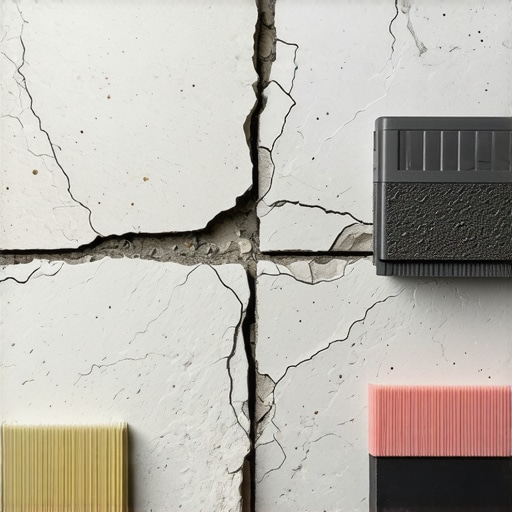
The physics of the deep void
Grouting deep crevices in natural stone requires a high-solids content material that can bridge the structural gap without shrinking or cracking. This process involves managing the water-to-cement ratio to ensure the material reaches the bottom of the joint. Most guys skip the leveling compound. They think the underlayment will hide the dip. It won’t. I spent three days grinding concrete on a job last month just so the floor wouldn’t click like a castanet. That job taught me that the surface you see is only as honest as the structure you don’t. When you are dealing with natural stone like slate, travertine, or flagstone, the crevices aren’t just cosmetic features. They are structural valleys that demand a specific chemical approach. If the grout does not reach the base of the stone, the edges remain unsupported. Over time, heavy foot traffic or the simple weight of furniture will cause the stone to cantilever. This pressure snaps the grout bonds and eventually chips the stone itself.
Why natural stone creates a hydration crisis
Natural stone is a porous medium that actively leeches moisture from the grout mixture during the curing process. To prevent this, professional installers must understand the capillary action of the specific stone species being used. Travertine is essentially a sponge made of rock. If you push a standard cementitious grout into a deep travertine crevice without pre-wetting or sealing, the stone will suck the water out of the grout in minutes. This kills the hydration process. Without water, the Portland cement molecules cannot form the crystalline structures needed for strength. You end up with a dusty, brittle mess that falls out the first time you run a vacuum over it. I always tell my clients that the stone is alive in a way that ceramic tile is not. It breathes, it absorbs, and it fights back if you don’t respect its chemistry. For those looking to keep their installations fresh, understanding grout restoration secrets for long-lasting results is the difference between a lifetime floor and a five-year failure.
“A floor is only as good as the subfloor beneath it; deflection is the enemy of every joint.” – Master Flooring Axiom
The chemical bond of high performance grout
The choice between sanded, unsanded, and epoxy grout depends entirely on the width and depth of the stone crevices. For joints wider than one-eighth of an inch, sanded grout is the industry standard because the silica sand acts as a miniature aggregate. Think of it like concrete. The sand provides the structural skeleton that prevents the grout from shrinking as the water evaporates. However, in very deep crevices, even standard sanded grout can fail if the polymer content is too low. This is where high-performance additives come into play. We often use liquid latex admixtures instead of water to increase the flexural strength. This allows the grout to move slightly with the house without cracking. In wet environments like showers that wow modern designs for 2025, the grout must also resist hydrostatic pressure. If water gets behind the stone through a hairline crack, it will eventually rot the wall studs or the subfloor. It is a slow death for a home.
Technical specs for deep joint integrity
Selecting the right material requires a breakdown of physical properties and environmental demands. Not all stones are created equal and not all grouts can handle the deep voids of a hand-chiseled edge. Below is a comparison of grout materials for deep stone applications.
| Grout Type | Max Depth | Shrinkage Rate | Best Use Case |
|---|---|---|---|
| Sanded Cement | 1/2 Inch | Moderate | Exterior Flagstone |
| High-Polymer Cement | 3/4 Inch | Low | Indoor Travertine |
| Epoxy Grout | Unlimited | Negligible | Commercial Showers |
| Pre-mixed Urethane | 1/2 Inch | Low | Residential Slate |
The methodology for deep crevice saturation
Achieving a full-depth pack requires more than just a rubber float and a prayer. It is a manual process that requires physical force and multiple passes. You have to work the grout at a 45-degree angle to the joint, but for deep crevices, you often need to use a margin trowel to pack the base layer first. This is the grit of the job. It is hard on the knees and harder on the hands. But if you don’t get that air out of the bottom of the crevice, you are leaving a pocket for mold and moisture. Use this checklist to ensure your stone joints are packed correctly.
- Clean all dust and debris from crevices using a high-powered vacuum.
- Apply a grout release or sealer to the stone face to prevent staining.
- Mix grout to a peanut butter consistency, ensuring no dry clumps remain.
- Force grout into the full depth of the joint using a hard rubber float.
- Wait for the initial set before performing a struck-joint strike.
- Use a damp, not dripping, sponge for the final wash to avoid washing out pigments.
Moisture management in stone showers
In high-moisture areas, the chemistry of the grout must be impenetrable to prevent subfloor saturation. When working with stone in a shower, you are dealing with constant thermal expansion and contraction. The stone heats up under the water and expands. The grout must be able to take that heat. This is why we often prefer epoxy in these spots. It is not a cement product; it is a plastic resin. It doesn’t have the pores that cement does. If you are planning a renovation, look into showers with a style trendy ideas for small bathrooms to see how stone placement affects grout longevity. I have seen guys use cheap grout in a custom stone shower and the results are always the same. Within two years, the grout is black with mold because it never truly dries out. The deep crevices of natural stone act as tiny reservoirs for water. Without a chemical barrier, that water will win every time.
“Natural stone installations must account for the coefficient of thermal expansion to prevent grout shear.” – TCNA Technical Guide
The boundary where stone meets the baseboard
The transition between a heavy stone floor and the wall is a common point of structural failure. You never grout the gap between the stone and the baseboard. That is a move for amateurs. You must use a color-matched 100 percent silicone caulk. The floor moves independently of the walls. If you put hard grout in that corner, it will crack and fall out within a month. I see it all the time in new builds where the contractors were rushing. They grout the whole room, baseboards and all. Then the house settles, the floor shifts, and the homeowner is left with a mess. For a professional look, you should check out baseboards makeover ideas to elevate your space and ensure your trim is installed after the floor is finished. This allows the baseboard to hide the necessary expansion gap at the perimeter. That gap is the breathing room the stone needs to survive the seasons.
Maintenance strategies for high traffic stone
The longevity of a stone floor is determined by the pH of the cleaners used over its lifetime. Acidic cleaners like vinegar or lemon juice will eat the calcium in the stone and the lime in the grout. It is a slow chemical burn. I tell my customers to stick to neutral cleaners. If you treat your grout like an afterthought, it will behave like one. Regular sealing of the deep crevices is mandatory, not optional. Every two years, you should be reapplying a high-quality impregnating sealer. This keeps the liquids on the surface and out of the stone’s internal structure. It is the only way to keep those deep valleys looking clean. For more detailed maintenance, follow tile cleaning tips for a sparkling bathroom in 2025 to protect your investment. A well-maintained stone floor can last a century. A neglected one won’t last a decade. It is all about the chemistry and the care you put into the joints. If you take care of the grout, the stone will take care of itself.