
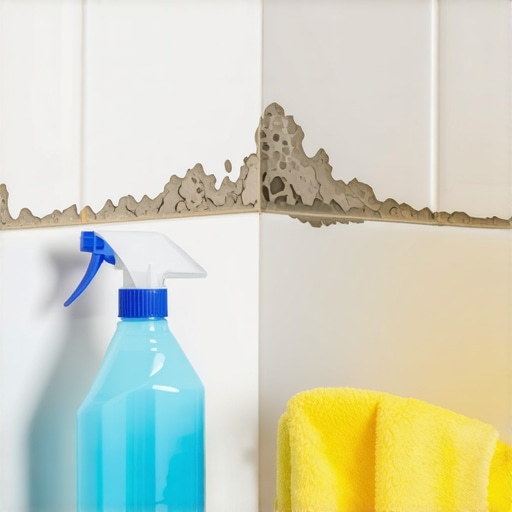
Removing mold from silicone caulk without tearing it out requires an understanding of polymer chemistry and fungal biology rather than just brute force scrubbing. I once spent three days grinding concrete on a job last month just so the floor wouldn’t click like a castanet, and that same level of obsession with the sub-surface is what you need for bathroom silicone. Most homeowners see a black spot and reach for the bleach, but they do not realize that silicone is a non-porous elastomer that actually traps mold spores beneath its surface tension. If you do not attack the hyphae, the visible part of the mold, you are just performing a cosmetic dance while the structural integrity of your seal slowly degrades. I have seen hundreds of showers with a style where the tile was pristine but the caulk was a biohazard because the installer did not understand moisture migration.
The hidden biology of bathroom seals
Mold spores in silicone caulk thrive on the microscopic level by feeding on soap scum and skin cells that lodge in the polymer matrix. To remove this without physical extraction, you must use a surfactant that can penetrate the cured RTV (Room Temperature Vulcanizing) silicone to reach the embedded spores. The challenge is that silicone is designed to be water repellent, which means most liquid cleaners simply bead off. You need a delivery system that maintains contact for at least six to twelve hours. I have seen guys hack at a bead of caulk with a utility knife and scar a five hundred dollar tub. It makes my blood boil because they could have used a simple oxidation wrap instead. This involves saturating cotton coils in a high concentration of sodium hypochlorite and pressing them directly against the affected bead, effectively creating a localized chemical bath that forced the oxidant into the pores of the silicone.
“A floor is only as good as the subfloor beneath it; deflection is the enemy of every joint.” – Master Flooring Axiom
Why standard cleaners fail the silicone test
Standard bathroom cleaners fail because they lacks the dwell time necessary to neutralize mold roots that have penetrated the silicone seal. When you spray a vertical surface in a shower, gravity pulls the active ingredients away from the target before they can break the chemical bond of the mold. Furthermore, many cleaners are too acidic, which can actually damage the surrounding tile or etch the finish of your fixtures. If you are working near chic baseboard designs, you have to be even more careful with runoff. The goal is to use a high-viscosity gel or a saturated medium that stays put. This is not about the strength of the chemical as much as it is about the duration of the exposure. A 5 percent solution left for eight hours is far more effective than a 50 percent solution that is rinsed away in five minutes.
| Chemical Agent | Effectiveness on Silicone | Risk to Tile Grout | Dwell Time Required |
|---|---|---|---|
| Bleach (Sodium Hypochlorite) | High | Moderate (can discolor) | 8 to 12 Hours |
| Hydrogen Peroxide (3%) | Moderate | Low | 4 to 6 Hours |
| White Vinegar (Acetic Acid) | Low | High (dissolves grout) | Not Recommended |
| Commercial Gel Cleaners | Very High | Low | 2 to 4 Hours |
The chemistry of the silicone bond
Silicone caulk is composed of polydimethylsiloxane chains that provide flexibility and water resistance but can become brittle if exposed to harsh abrasive scrubbing. When mold grows on silicone, it is often not just on the surface. It is often growing through micro-fissures caused by the expansion and contraction of the shower pan or the wall studs. This is why you must avoid using metal scrapers or stiff wire brushes. Use a soft-bristled brush only after the chemical treatment has done the heavy lifting. If the mold is behind the caulk, it means your seal has failed and no amount of cleaning will fix it. At that point, you are looking at a structural failure. I always tell my clients that if they see mold through the translucency of the silicone, the bond to the substrate is likely compromised. This is a common issue when people use inferior products instead of following grout restoration secrets that emphasize proper sealing.
Tools for the precision removal process
Successful mold removal without removal of the caulk requires a specific kit including cotton beauty coils, high-strength hydrogen peroxide or bleach, and painter’s tape. You must create a controlled environment where the cleaner cannot evaporate. Start by cleaning the area with a degreaser to remove any surface oils that would block the oxidant. Once the area is dry, lay down the cotton coils along the caulk line. These coils are better than paper towels because they hold more liquid and conform to the shape of the bead. Use a dropper or a small spray bottle to saturate the cotton until it is dripping. Cover the entire setup with plastic wrap and tape the edges. This creates a micro-greenhouse effect that keeps the chemicals active and prevents them from drying out. This is the same level of care I take when I am prepping a subfloor for high-end hardwood. You cannot rush the physics of the process.
- Ensure the room is ventilated with an exhaust fan.
- Wear nitrile gloves to prevent chemical burns.
- Pre-test a small area of the grout to check for discoloration.
- Remove any existing soap scum with a plastic scraper before starting.
- Use a vacuum to remove any dust from the perimeter of the baseboards.
The step by step oxidation technique
The process begins with a thorough drying of the shower environment to ensure no water is diluting your cleaning agents. After the area is dry, apply your saturated cotton coils. Let them sit for a full night. In the morning, you will likely see that the black spots have turned a translucent grey or disappeared entirely. This is the oxidation of the melanin in the mold. Once you remove the coils, rinse the area with cold water. Do not use hot water as it can cause the remaining chemical vapors to release too quickly. If the mold persists, you may need a second application. This is much better than the alternative of cutting out the caulk and risking a nick in the waterproofing membrane behind the tile. For those with showers that wow, maintaining the original seal is vital for the long-term health of the wall assembly. I have seen too many DIY jobs where a simple mold issue turned into a thousand dollar leak because someone got overzealous with a utility knife.
“A seal is only as durable as its bond to the cleanest possible surface; any contamination is a future failure point.” – Master Flooring Axiom
Protecting your baseboards and transitions
Chemical runoff can easily damage bathroom baseboards or floor transitions if they are not properly shielded during the cleaning process. If you are working near the floor line, place a heavy towel or a plastic drop cloth over the transition area. Strong oxidants can bleach the finish on wood or cause the adhesive in luxury vinyl plank to fail. If you have recently installed chic baseboard designs, be especially careful. The chemicals used for mold removal are designed to break down organic matter, and that includes the wood fibers in your trim. I always tell people that a floor is a performance surface. It has to handle everything from water to the chemicals we use to clean it. If you are unsure about the compatibility of your cleaner with your flooring, consult a professional or check tile cleaning tips for guidance on material safety.
Long term prevention strategies
Preventing mold return requires controlling the relative humidity in the bathroom and ensuring the silicone caulk remains hydrophobic. Once you have cleaned the caulk, apply a high-quality silicone sealer or a surface protectant. This fills the micro-pores that the mold originally exploited. Make it a habit to squeegee the walls after every shower. This reduces the amount of standing water that sits on the caulk line. If your bathroom has poor ventilation, consider upgrading your fan. In my experience, a fan that moves less than 100 CFM is useless in a modern shower. You want that room dry within twenty minutes of turning off the water. If you are looking for more sustainable options for your next project, you might consider eco friendly tile solutions which often feature built-in antimicrobial properties. Keeping the surface clean is only half the battle. You have to win the war against the moisture in the air.