
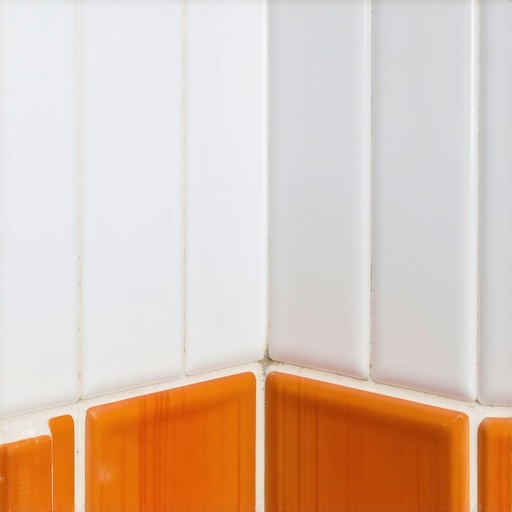
The orange stain mystery in your shower
White grout turns orange overnight due to high iron content in the water supply, the growth of Serratia marcescens bacteria, or the oxidation of metallic particles in the subfloor. This chemical and biological reaction occurs when moisture sits in the porous structure of the grout, allowing minerals or bacteria to colonize the surface rapidly. You wake up, look at your beautiful tile, and see a rusty mess. It is not a failure of the tile itself, but a failure of the environment. I have spent thirty years on my knees scrubbing and installing, and I can tell you that grout is a rigid sponge. It sucks up every impurity in your water. If you have well water, you are fighting a battle against iron. If you have city water, you might be fighting pink mold that looks orange in the right light. Most guys skip the leveling compound. They think the underlayment will hide the dip. It won’t. I spent three days grinding concrete on a job last month just so the floor wouldn’t click like a castanet, and that same principle applies to drainage. If the floor is not sloped perfectly, water pools, and orange stains thrive in those puddles. Check out these tile cleaning tips for a sparkling bathroom in 2025 to see how to maintain these surfaces correctly. The chemistry is simple. Iron plus oxygen plus water equals rust. Your grout is the canvas for that rust.
The iron ghost in your shower pipes
Iron oxide is the primary culprit for orange grout in homes with well water or aging galvanized plumbing. When water containing dissolved ferrous iron hits the air, it oxidizes and turns into ferric iron, which is a solid particle that lodges inside the grout pores. This is not just a surface issue. It is a deep-seated mineral deposit that bonds to the Portland cement. I have seen homeowners go crazy with bleach, only to find the orange comes back darker the next day. That is because bleach is an oxidizer. You are literally feeding the rust. You need a chelating agent to break that bond. Look at your baseboards too. If they are wicking moisture from the floor, they will start to show orange rot at the bottom. This is why baseboards makeover ideas to elevate your space always prioritize moisture barriers. Without a barrier, your entire perimeter becomes a wick for mineral stains. I have pulled up floors where the wood behind the tile was so saturated with iron water it looked like it was bleeding. Do not underestimate the power of water chemistry. It will eat your aesthetic for breakfast.
“A floor is only as good as the subfloor beneath it; deflection is the enemy of every joint.” – Master Flooring Axiom
The bacteria that mimics rust
Serratia marcescens is a common airborne bacterium that thrives on fatty deposits found in soaps and shampoos, creating a bright orange or pink film. This is not mold. It is a biological film that loves damp, dark environments with plenty of phosphorus or fatty acids to eat. It is the reason your showers look like a crime scene after a week of use. If you want showers that wow modern designs for 2025, you have to build in better ventilation. Without airflow, the bacteria never dries out. It continues to multiply inside the grout joints. I tell my clients that a squeegee is the most important tool in the bathroom. If you leave water on the grout, you are inviting the bacteria to lunch. People spend ten grand on tile and zero dollars on a decent exhaust fan. It is madness. The grout is where the war is won or lost. Using high-quality, non-porous materials is one way to fight back. For more on that, read about eco-friendly tile solutions for sustainable homes in 2025 which often feature denser, less absorbent materials. Stop feeding the orange monster with your expensive organic soap and start drying your floor.
The chemical warfare behind orange stains
When minerals in your water react with the alkaline nature of cement-based grout, it creates a permanent dye that can only be removed with specialized acids. Most people use the wrong cleaners. They use heavy detergents that leave a sticky residue. That residue is like flypaper for orange dust. You need to understand the Janka scale is for wood hardness, but grout has its own hierarchy of durability. Epoxy grout is the king because it is non-porous. If you have standard sanded grout, you are living with a thousand tiny holes in your floor. Each hole is a trap. I have used grout restoration secrets for long-lasting results to fix these issues, but it often requires a deep acid wash and a high-solids sealer. If you skip the sealer, you are wasting your time. It is like driving a car without paint. The metal will rust. The grout will stain. It is inevitable. I have seen guys try to paint over the orange with those cheap grout pens. It looks like a toddler with a crayon. Don’t be that person.
| Cause of Stain | Chemical Profile | Physical Manifestation | Fix Difficulty |
|---|---|---|---|
| Iron Content | Ferric Oxide | Deep Rust Orange | High |
| Bacteria | Serratia Marcescens | Bright Pink/Orange Slime | Medium |
| Hard Water | Calcium/Magnesium | Chalky Orange/Yellow | Low |
| Sealer Failure | Degraded Acrylic | Patchy Orange Spots | High |
The 1/8 inch that ruins everything
Improper drainage and the lack of a pre-slope under the liner lead to stagnant water that accelerates mineral oxidation and bacterial growth. This is the structural zooming I talk about. Most installers put the liner flat on the subfloor and then build their slope with mud on top of it. That is wrong. The water that gets through the grout sits on that flat liner and rots. It turns orange because the water is literally stagnating under your feet. It creates a wick effect. The orange color climbs up the grout lines from the bottom. You can scrub the top all day, but the stain is coming from the reservoir of filth under the tile. This is why I am a stickler for the TCNA standards. You need a pre-slope. You need a weep hole that actually works. If your showers are constantly orange at the base, your drain is likely clogged at the weep hole level. Check out showers with a style trendy ideas for small bathrooms to see how modern waterproofing systems like Kerdi or Wedi prevent this by keeping the water on the surface. We don’t do mud beds like the old days for a reason. We’ve learned from the orange stains of the past.
“Grout is essentially a rigid sponge; it absorbs whatever you throw at it until it reaches saturation.” – Tile Council of North America Standard
Why your subfloor is lying to you
A subfloor that is not level causes lippage and pooling, which are the primary physical drivers of localized grout discoloration. If you have one tile higher than the other, water hits that edge and stops. It sits there. It evaporates. It leaves the iron behind. Over time, that one joint becomes a dark orange line. It is not a cleaning problem. It is a geometry problem. I always tell my apprentices that a level is the most important tool for a tile guy. If the floor is flat, the water moves. If the water moves, the minerals don’t settle. If you are dealing with an old floor, you might need to learn how to refresh grout without replacing it to mask these structural failures. But if you are building new, do it right. Use a self-leveling compound. Don’t trust the framers. The subfloor is always a mess until you fix it. I have seen plywood with more waves than the Atlantic. You lay tile on that, and you are just building a series of tiny orange lakes. It is lazy craftsmanship.
The checklist for orange grout prevention
- Test your water for iron and manganese levels immediately.
- Install a whole-house water softener or iron filter if levels exceed 0.3 ppm.
- Squeegee shower walls and floors after every single use.
- Use a pH-neutral cleaner to avoid stripping the grout sealer.
- Re-seal cementitious grout every six to twelve months without fail.
- Ensure bathroom fans run for at least twenty minutes post-shower.
- Inspect baseboards for signs of moisture wicking or mold.
- Upgrade to epoxy grout for high-moisture areas.
The chemical bond of modified thin-set
The interaction between thin-set chemicals and moisture can sometimes leach through the grout if the wrong products are paired. Some cheap thin-sets have high iron content in the sand they use. When that gets wet, it rusts from the inside out. You see orange spots bubbling up through the grout. It is a nightmare because you can’t clean it. You have to grind it out. This is why I only use premium modified thin-sets with low VOCs and high-quality sand. I have seen people try to save twenty bucks on a bag of mortar and end up ruining a five-thousand-dollar tile job. It is the definition of penny wise and pound foolish. If you want chic baseboard designs that transform rooms in 2025, you need to ensure the foundation they sit on is dry and chemically stable. If you are worried about your current situation, you can always contact us for a professional evaluation. We see these failures every day. We know how to fix them because we know why they happen. It’s not magic. It’s physics and chemistry. Stop looking for a miracle spray and start looking at your water and your subfloor. That is where the answer lies. If you need more info, our privacy policy explains how we handle your data when you reach out. Now, get that squeegee and start working. Your grout depends on it.