
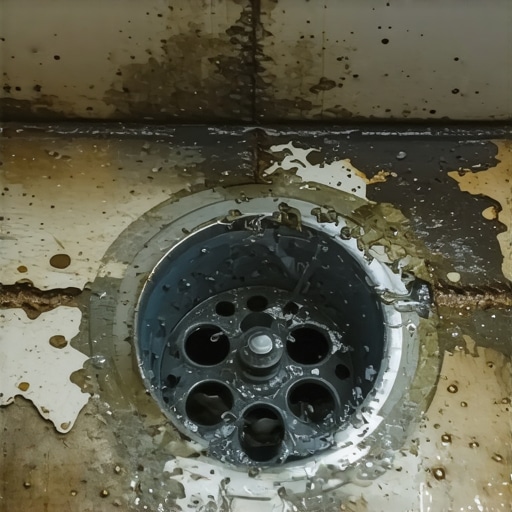
I once spent three days grinding concrete on a job last month just so the floor wouldn’t click like a castanet. During that job, the homeowner kept complaining about a stench in the master bath. They had spent thirty thousand on premium marble and high end fixtures, but the whole room smelled like an open septic tank. The tile guys had finished their work, the baseboards were installed, and everything looked perfect. However, when I pulled the drain cover, I found a nightmare of structural neglect. The plumber had improperly pitched the waste line, and the tile installer had used a cheap, non-modified thin-set that was absorbing moisture like a sponge. This is the reality of the trade. A floor is not just a surface. It is a system of physics and chemistry. When your shower smells like sewer gas, it is usually because one of those systems has failed at a molecular level.
The invisible water barrier that keeps you safe
Sewer gas odors in showers are primarily caused by the failure of the P-trap water seal or the accumulation of biological biofilm within the drainage assembly. When the P-trap dries out or siphons, methane and hydrogen sulfide gases enter the bathroom directly from the main sewer line. This occurs due to evaporation, structural venting issues, or capillary action from debris trapped in the weir of the pipe. You have to understand the mechanics of the trap. It is a U-shaped pipe designed to hold exactly enough water to create a physical block. If that water vanishes, you are breathing in the exhaust of the entire city. I see this often in guest bathrooms that rarely get used. The water evaporates over a few weeks, and the owner wonders why the room smells like a swamp.
“A floor is only as good as the subfloor beneath it; deflection is the enemy of every joint.” – Master Flooring Axiom
Why your P-trap is bone dry
The physics of evaporation is the most common culprit behind a stinky shower. In dry climates or homes with high heat, the two inches of water sitting in that trap can disappear in less than twenty days. When I am installing baseboards or finishing tile in a new build, I always tell the homeowners to run the water once a week. But evaporation is not the only thief. Sometimes, a phenomenon called siphoning happens. If your roof vent is clogged with a bird nest or leaves, the pressure in your pipes changes. When you flush a toilet nearby, it creates a vacuum. That vacuum pulls the water right out of your shower trap like a straw. It is a mechanical failure that no amount of bleach will fix. You need air to move through the vent stack to keep the pressure equalized. Without it, the physics of the house will betray you every time.
The chemical warfare inside your drain pipes
Biofilm is a complex colony of bacteria and fungi that secretes a slimy extracellular polymeric substance to anchor itself to the PVC or cast iron walls of your shower drain. This organic sludge feeds on skin cells, hair, and soap scum, producing foul odors through anaerobic decomposition as it grows. It is not just dirt. It is a living, breathing organism. I have pulled hair clogs out of drains that were so thick with black mold they looked like something out of a horror movie. This biofilm produces sulfurous gases as a byproduct of its metabolism. If you want to stop the smell, you have to break the chemical bond of the slime. Using a stiff brush and an enzyme-based cleaner is far more effective than dumping harsh acids down the pipe. Acids just eat the pipe. Enzymes eat the bacteria.
| Odor Type | Primary Cause | Structural Fix |
|---|---|---|
| Rotten Egg Smell | Hydrogen Sulfide Gas | Restore P-trap water seal or clear vent |
| Musty Earthy Scent | Biofilm and Mold | Physical scrubbing and enzyme treatment |
| Sharp Chemical Odor | Grout Leaching | Seal grout or check for subfloor rot |
| Sewage and Methane | Main Line Backflow | Install backflow preventer or check vent stack |
How grout failure invites sewer odors
Most people think the smell is coming from the pipe, but sometimes it is coming from under the tile. When grout is not sealed correctly, it becomes a porous highway for water. This water gets trapped between the tile and the waterproof membrane. If the installer did not pitch the pre-slope correctly, that water sits there. It becomes stagnant. It rots. I have seen showers where the tile looked great but the grout was weeping black liquid because the subfloor was a petri dish. If you are dealing with persistent smells, check your grout restoration secrets to see if your joints are compromised. A 1/8 inch gap in your grout is enough to ruin a ten thousand dollar floor. The moisture gets in, it cannot get out, and the anaerobic bacteria start their work. It smells like a sewer because, technically, the space under your tiles has become one.
The ventilation ghost in your walls
The plumbing vent stack is the most overlooked part of the bathroom drainage system. It regulates atmospheric pressure within the pipes and allows sewer gases to escape through the roof. If the vent is obstructed, negative pressure will pull the water seal from the shower P-trap, leading to sewer gas infiltration. This is a common issue in older homes where the iron pipes have rusted or where debris has fallen into the stack. I once worked a job where a dead squirrel in the vent pipe caused a three-month mystery smell. No one checked the roof. They kept trying to clean the tile. For more information on keeping your surfaces clean, you can check tile cleaning tips, but remember that cleaning a surface won’t fix a pressure problem in the walls.
Mechanical solutions for a permanent fix
If you have a drain that smells and you have already checked the P-trap, you need a systematic approach to diagnosis. Do not just throw chemicals at it. That is what amateurs do. You need to verify the integrity of the trap, the cleanliness of the barrel, and the functionality of the vent stack. Here is the checklist I use when I am on a job site.
- Inspect the P-trap for standing water using a flashlight.
- Remove the drain grate and physically scrub the interior walls of the pipe.
- Flush the vent stack from the roof with a garden hose to clear obstructions.
- Check the perimeter where the floor meets the baseboards for signs of moisture wicking.
- Apply a high quality sealer to all grout lines to prevent sub-surface water retention.
- Verify that the shower pan was installed with a proper 1/4 inch per foot slope.
“Moisture is the universal solvent of all construction materials; control the water and you control the building.” – Master Flooring Axiom
The danger of too much cushion
While most people want the thickest underlayment or the heaviest sealants, too much of a good thing causes failure. In flooring, too much cushion causes locking mechanisms to snap. In showers, too much sealant or the wrong type of caulk can trap water where it should be flowing. You need a shower that breathes and drains. If you are looking at modern designs, ensure they prioritize drainage over aesthetics. The most beautiful tile in the world is worthless if the showers smell like a grease trap. Focus on the slope. Focus on the seal. If you need help with a failing system or want a professional to look at your subfloor, you should contact us before the damage becomes structural. I have seen houses where the floor joists rotted out because a slow drain leak was ignored for a year. Do not be that homeowner. Address the smell at the source. Check the chemistry. Check the physics. Fix the floor from the bottom up.