
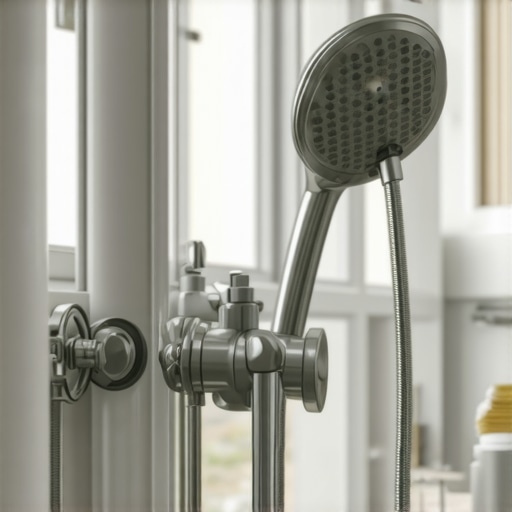
I spent three days grinding concrete on a job last month just so the floor wouldn’t click like a castanet, but the shower was where the real trouble started. The homeowner called me in a panic because their brand new master bath smelled like a solvent factory. I walked in, took one whiff, and knew exactly what happened. They used a high-performance moisture-curing membrane but didn’t give it the requisite time to flash off before the tile went down. They literally trapped a chemical cloud under the ceramic. This is not just an odor problem. It is a structural engineering failure that compromises the chemical bond of your mortar. If you smell plastic, sulfur, or a sharp vinegar scent, you are smelling the volatile organic compounds (VOCs) and solvents escaping from the polymers in your thin-set and waterproofing layers. This is the reality of modern high-speed construction. We use chemicals that cure faster and hold stronger, but they require a level of atmospheric management that most builders simply ignore.
The volatile reality of curing mortar
The chemical smell in your new shower is caused by the off-gassing of polymer-modified thin-set and liquid-applied waterproofing membranes. These materials release volatile organic compounds as they undergo the hydration and polymerization process. If ventilation is inadequate, these gases reach high concentrations and permeate porous materials like grout and drywall. When you mix a bag of modified mortar, you are initiating a complex chemical reaction. The Portland cement requires water for hydration, forming calcium silicate hydrate crystals. Simultaneously, the added polymers, usually ethylene-vinyl acetate or acrylics, begin to cross-link. This process creates a flexible, high-strength bond, but it also releases VOCs into the surrounding air. If the bathroom is sealed tight without active air exchange, those molecules have nowhere to go. They settle into the grout joints and stay there for weeks. This is why a shower can smell like a new car, or worse, a tire fire, for several months after the contractor has left the building.
The physics of atmospheric air exchange
Properly venting a new shower requires more than just turning on a fan; it requires a calculated volume of air exchange to move heavy chemical molecules out of the room. Most standard bathroom fans move sixty to eighty cubic feet of air per minute, which is often insufficient for the heavy solvent loads of new construction. You have to understand the molecular weight of these gasses. Many VOCs are heavier than air. They do not just float up to the ceiling fan. They sit in the bottom of the shower pan, hovering over the drain. If your fan is underpowered, it only pulls the steam from the top of the room while the chemical fumes pool at your feet. I tell people to look for a fan with a high Sone rating and a CFM capacity that exceeds the room size by at least fifty percent. This creates the negative pressure environment necessary to force those fumes out of the house. Without it, you are just swirling the chemicals around the room. I have seen modern designs fail because the sleek, minimalist glass enclosures prevent the fan from reaching the actual source of the off-gassing.
“A floor is only as good as the subfloor beneath it; deflection is the enemy of every joint.” – Master Flooring Axiom
The chemistry of the waterproof membrane
Waterproofing membranes are the primary source of the intense chemical odors found in new bathroom installations. These products, such as liquid-applied elastomeric coatings or sheet-applied bonded membranes, use various solvents and polymers to create a seamless barrier against moisture. These materials are designed to be waterproof, but they are not gas-proof during their curing phase. If you use a liquid-applied membrane, it must be allowed to change color completely before the first tile is set. If the installer is in a hurry and tiles over it while it is still tacky, the solvents get trapped. They then have to find their way out through the only porous path available, which is the tile grout. This is why the smell persists even after the shower is finished. The molecules are literally being squeezed through the microscopic pores of the grout over a period of several months. It is a slow-motion chemical release that can be avoided with proper cure times and thermal management.
The 1/8 inch that ruins everything
Expansion gaps at the perimeter of the shower and along the baseboards are essential for both structural movement and chemical venting. When tiles are butt-jointed against a wall without a gap, they trap air and moisture, leading to mold growth and concentrated chemical pockets. I have walked onto jobs where the guy didn’t leave a single gap. He ran the tile tight against the wall and then shoved a baseboard over it. This creates a tomb for gasses. You need a 1/8 inch to 1/4 inch expansion gap at all transitions. This gap should be filled with a 100 percent silicone sealant, not grout. Silicone remains flexible and allows the subfloor to move without cracking the tile. More importantly, it allows for a tiny amount of breathability at the edges where the wall meets the floor. If you are looking to hide these gaps while maintaining a high-end look, consider chic baseboard designs that provide the necessary clearance for air movement while framing the room properly. A floor that cannot breathe is a floor that will eventually fail, either through buckling or persistent odors.
The ghost in the expansion gap
Subfloors and wall substrates absorb the chemical odors of the installation materials, creating a ghost smell that lingers even after the surface is cleaned. This occurs when the OSB or plywood underlayment is exposed to high VOC levels during the thin-set application. The wood fibers act like a sponge for the airborne chemicals. If the room is not vented during the actual tiling process, the subfloor itself will smell like mortar for years. This is why I insist on running a portable HEPA air scrubber during the entire duration of the tile work. It is not just about dust. It is about the chemistry. When we talk about baseboards makeover ideas, we should also talk about what is happening behind those boards. If you have moisture trapped behind your trim, the chemical smell will be replaced by a musty, moldy smell within six months. You have to ensure the wall cavity is dry before the finishing touches are applied.
| Material Type | Primary VOC Source | Typical Off-Gassing Duration | Odor Intensity |
|---|---|---|---|
| Polymer-Modified Thin-set | Ethylene-vinyl acetate | 7 to 14 days | Moderate |
| Liquid Waterproofing | Elastomeric polymers | 14 to 30 days | High |
| Epoxy Grout | Amine hardeners | 3 to 7 days | Very High |
| Silicone Sealant | Acetic acid (Vinegar) | 24 to 48 hours | Low |
The hidden fumes in your grout joints
Grout is the lung of your shower system, and its porosity determines how quickly chemical smells dissipate from the sub-layers. While epoxy grouts are incredibly durable and stain-resistant, they have the most intense chemical odor during the first forty-eight hours of application. Epoxy is a two-part chemical reaction. Once you mix that resin and hardener, the clock starts. The smell is sharp and can be irritating to the lungs. If you are using standard cementitious grout, the smell is less intense, but it is more porous. This means it will absorb other household odors and trap them. I always recommend learning how to refresh grout properly because a clean grout line is essential for the health of your bathroom environment. If the grout is clogged with soap scum and skin cells, it cannot breathe, and the moisture trapped behind the tile will start to rot the thin-set, leading to a permanent sour smell that no fan can fix.
“Cementitious materials are hydraulic by nature; their strength is born of water, but their ruin is the trapping of it.” – TCNA Installation Standards
Strategies for venting the chemical cloud
To effectively vent a new shower, you must utilize a combination of mechanical exhaust, cross-ventilation, and humidity control. Running a bathroom fan for at least four hours after every shower session is the minimum requirement for the first ninety days of a new installation. Many people make the mistake of turning the fan off the moment they step out of the bathroom. This is a mistake. The water on the walls is still evaporating, and the thin-set is still curing. You need to keep the air moving to carry that moisture and those VOCs out. I suggest installing a timer switch so you don’t have to remember to go back and turn it off. Also, if you have a window in the bathroom, open it just a crack. This provides the makeup air the exhaust fan needs to work efficiently. Without an intake source, the fan is just fighting a vacuum and won’t move much air at all.
- Install an exhaust fan with at least 1.5 CFM per square foot of bathroom space.
- Use a timer switch to ensure the fan runs for 60 minutes post-shower.
- Open a nearby window to provide makeup air for the exhaust system.
- Keep the shower door open when not in use to prevent air stagnation.
- Maintain a room temperature of 70 degrees Fahrenheit to facilitate proper chemical curing.
- Avoid using harsh bleach cleaners for the first 30 days while the grout is fully hardening.
The contrarian truth about over-venting
While ventilation is vital, running a high-powered industrial fan directly on new tile can actually cause the grout to crack. If the surface dries too quickly, the hydration process is interrupted, leading to a weak, powdery bond. This is the information gain most contractors won’t tell you. They want to get the smell out so they can get paid, but if they blast the floor with a turbo fan, they are ruining the job. You need consistent, gentle air movement, not a wind tunnel. The chemistry of the cure requires a specific amount of moisture to be present in the mortar for at least 24 to 48 hours. If you strip that moisture away too fast, the crystals don’t grow, and the tile will eventually pop. It is a delicate balance between removing the toxic fumes and preserving the structural integrity of the installation. If you are worried about the environment, look into eco-friendly tile solutions that use low-VOC materials from the start. It makes the venting process much easier and the air much safer to breathe. If you have any concerns about your specific installation, you should contact us to discuss the technical specifications of your materials.