
I spent three days grinding concrete on a job last month just so the floor wouldn’t click like a castanet. That level of attention is what most people skip. When it comes to slate in a bathroom, the surface is just as demanding as the subfloor. I remember walking into a home where a custom slate shower had turned into a white, flaky mess. The homeowner was using a lemon-scented bathroom spray every day. That acid was literally eating the stone. Slate is a metamorphic rock, a compression of clay and volcanic ash, and it does not take kindly to the aggressive chemicals found in a typical grocery store aisle. If you want a floor that lasts decades, you have to treat it like an engineering asset, not a plastic laminate. This guide breaks down the molecular reality of stone care.
The chemical nature of metamorphic bathroom surfaces
Slate tiles require pH-neutral cleaners because calcium carbonate and other minerals within the metamorphic stone react poorly to acids. Using alkaline cleaners or acidic vinegar will cause etching, which is a permanent chemical burn on the stone surface that destroys its natural cleft and color depth. This is why understanding the geological composition of your floor is the first step in maintenance.
Slate is formed through the low-grade metamorphism of shale or mudstone. It is composed of phyllosilicates, including minerals like muscovite, chlorite, and biotite. These minerals are arranged in thin, flat sheets, which is what gives slate its characteristic cleavage. In a bathroom environment, moisture can penetrate these layers if the stone is not sealed properly. This is where the physics of the bathroom becomes a problem. Every time you take a hot shower, you are introducing water vapor that can carry soap scum and minerals deep into the stone pores. If you use a cleaner with a pH below 7.0, you are essentially dissolving the bonds that hold these mineral sheets together. I always tell my customers that if they wouldn’t put it on their skin, they shouldn’t put it on their slate. For more general advice on keeping your space looking sharp, check out these tile cleaning tips for a sparkling bathroom in 2025 to get a baseline understanding of home maintenance.
“A floor is only as good as the subfloor beneath it; deflection is the enemy of every joint.” – Master Flooring Axiom
Why acids and vinegar are the enemy of slate
Vinegar and citrus-based cleaners contain acetic acid and citric acid that dissolve the bonding agents in slate stone. This chemical reaction leads to pitting, discoloration, and the structural failure of the grout joints. For showers, these acidic solutions also strip away the protective sealer, leaving the porous stone vulnerable to mold and mildew growth.
Many blogs suggest vinegar as a natural alternative, but they aren’t the ones who have to replace a $5,000 floor when it looks like it has been sandblasted. When acid hits slate, it creates a reaction that releases carbon dioxide gas and leaves behind a chalky residue. This is not just dirt; it is the stone itself breaking down. In a bathroom, this creates a secondary problem. The rough, etched surface becomes a magnet for soap scum and hard water deposits. Once the surface is compromised, the only way to fix it is a professional honing and polishing, which is expensive and dusty. It is far better to use a dedicated stone soap or even a simple mixture of warm water and a tiny drop of pH-neutral dish soap. This approach preserves the integrity of the minerals and the aesthetic of the stone. For those looking to upgrade their entire bathroom feel, looking into showers that wow can provide inspiration for how natural materials should be integrated and maintained.
The physics of grout and moisture in slate installations
Bathroom grout is a porous cementitious material that acts as a capillary system for moisture. In slate showers, the grout lines must be kept sealed with a high-quality penetrative sealer to prevent water intrusion into the thin-set mortar bed. Failure to maintain grout integrity leads to efflorescence, where minerals leach out and form white crusts on the tile surface.
Grout is the weakest link in any tile installation. In slate floors, the grout is often wider to accommodate the natural variation in tile size. These wide joints are massive highways for water. If the grout isn’t maintained, water seeps behind the tile. This can cause the bond to fail, leading to loose tiles that click when you walk on them. I have seen countless floors where the slate was fine but the grout was a disaster. If your grout is looking tired, you don’t always have to rip it out. You can look into how to refresh grout without replacing it to save your sanity and your budget. This is especially vital in damp areas where mold thrives in the microscopic pockets of unsealed cement. For older installations, you might need more intensive grout restoration secrets for long-lasting results to get things back to a factory finish.
| Cleaning Agent | pH Level | Effect on Slate | Professional Recommendation |
|---|---|---|---|
| White Vinegar | 2.4 | Severe Etching | Never Use |
| Lemon Juice | 2.0 | Mineral Dissolution | Never Use |
| Stone Soap | 7.0 | Safe Cleaning | Highly Recommended |
| Bleach | 12.0 | Surface Drying | Use Sparingly if at all |
| Distilled Water | 7.0 | Perfect Rinse | Best for Finishing |
The 1/8 inch that ruins everything
Expansion gaps and transition joints must be maintained at a 1/8 inch minimum to allow for thermal expansion in bathrooms. Without these gaps, the slate tiles will tent or crack as the subfloor moves due to humidity changes. Proper silicone caulking at the perimeter and where the tile meets the baseboards is the only way to ensure a waterproof seal and structural flexibility.
Most guys skip the leveling compound and they think the underlayment will hide the dip. It won’t. The same goes for perimeter gaps. If you shove your slate tight against the wall and then nail your baseboards down hard, that floor has nowhere to go. When the humidity hits 80 percent in July, those tiles are going to fight each other. One of them will lose, and you will hear a loud pop in the middle of the night. That is the sound of your investment cracking. You need to use a flexible 100 percent silicone caulk at the base of your walls. This allows the floor to breathe while keeping water from getting under the tiles. To make the edges look as good as the floor, consider exploring chic baseboard designs that transform rooms. This finish detail is where a master installer proves their worth. Using baseboards makeover ideas to elevate your space can also help hide those necessary expansion gaps while providing a polished look.
“In tile installations, the bond is a chemical marriage that cannot withstand a physical divorce caused by subfloor deflection.” – TCNA Technical Bulletin
The Slate Master toolkit and maintenance checklist
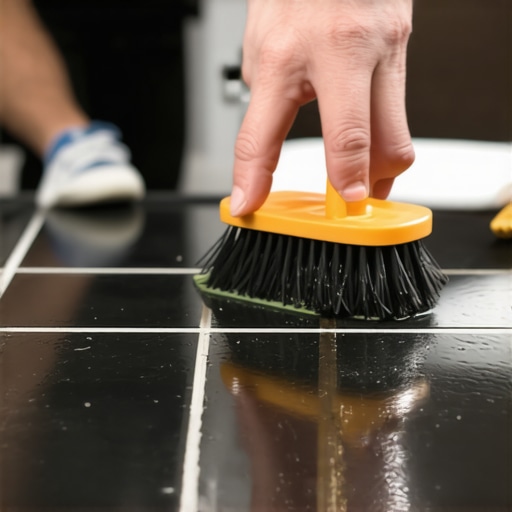
Professional slate maintenance requires a soft-bristle nylon brush, microfiber mops, and distilled water to prevent streaking. Avoid vacuum cleaners with beater bars because they can chip the natural cleft of the slate. A steam mop should be used with caution as the high pressure can sometimes inject moisture past the sealer and into the stone layers.
- Inspect the sealer annually by dropping water on the tile. If it doesn’t bead, it is time to reseal.
- Use a soft brush to remove dust from the clefts before applying any liquid cleaner.
- Mop with a pH-neutral solution specifically formulated for natural stone.
- Dry the floor immediately with a microfiber cloth to prevent water spots from hard water minerals.
- Check the silicone caulk around the tub and baseboards for any signs of peeling.
- Never use abrasive scouring pads which can leave permanent scratches on the stone face.
Slate is a premium material that demands a premium approach to care. It is not like a ceramic tile where the finish is a baked-on glass glaze. With slate, the finish is the stone itself. If you take care of it, the floor will outlast the house. If you treat it with cheap chemicals and neglect, it will be a source of constant frustration. For homeowners who are conscious about the environment, there are also eco-friendly tile solutions for sustainable homes in 2025 that include natural stone options which are both durable and low-impact when maintained correctly. If you have specific questions about a failing installation or need a professional assessment, you can always contact us for expert advice. Remember that a bathroom is a high-stress environment for any material. The combination of heat, high humidity, and direct water contact creates a perfect storm for material degradation. By following a strict cleaning protocol and using the right chemistry, you ensure that your slate remains the centerpiece of your bathroom rather than a cautionary tale of what happens when you ignore the science of flooring.