
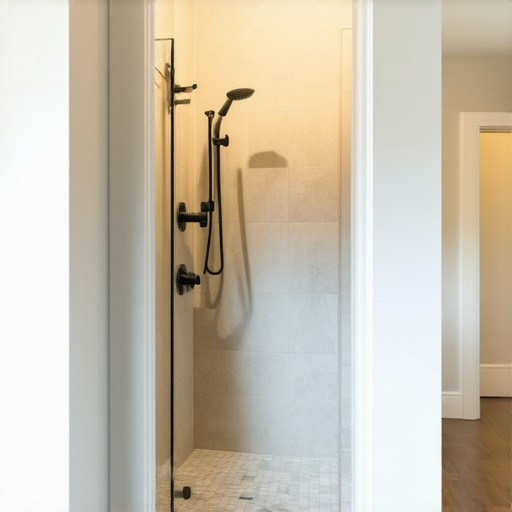
Harnessing the Complexity of Durable Baseboard and Shower Installations in 2025
As a seasoned expert in bathroom renovation and interior finishing, I recognize that achieving long-lasting, aesthetically pleasing results requires a nuanced understanding of material science, installation techniques, and environmental considerations. The year 2025 introduces innovative materials and methods that redefine durability standards for baseboards and shower installations, demanding a strategic approach grounded in empirical evidence and best practices.
What Are the Emerging Technologies Transforming Shower and Baseboard Durability?
Recent advancements include the integration of polymer-modified mortars and corrosion-resistant metals, which significantly enhance the longevity of shower enclosures and baseboard trims. According to a white paper from the Journal of Building Engineering, these materials offer superior resistance against moisture ingress, thermal expansion, and mechanical wear, critical factors in high-moisture environments.
Furthermore, the adoption of nano-coatings on tile and grout surfaces provides an added layer of protection against staining, mold growth, and surface degradation, extending the lifespan of bathroom finishes. For instance, grout restoration techniques now incorporate these nano-coatings, which are pivotal in maintaining aesthetic integrity over years of use.
How Does Expert Installation Elevate the Durability Paradigm?
Installation practices remain a cornerstone of durability. Precise substrate preparation, including moisture barrier application and structural reinforcement, ensures that materials perform optimally under stress. As outlined in expert-shower and baseboard installation guides, meticulous detailing—such as proper sealing, caulking, and alignment—is essential to prevent water infiltration and mechanical failure.
Moreover, the utilization of specialized fasteners and adhesives tailored for high-moisture environments ensures a resilient bond, reducing the risk of detachment or warping over time. These techniques exemplify the intersection of craftsmanship and scientific innovation, vital for achieving the durable installations sought after in 2025.
How Can Professionals Leverage Material Science for Superior Outcomes?
Understanding the chemical and physical properties of advanced materials allows installers to optimize their use. For example, epoxy-based grouts provide enhanced chemical resistance compared to traditional cementitious grouts, which is crucial in maintaining grout integrity against cleaning agents and moisture. Additionally, selecting baseboards made from composite materials with UV and moisture resistance can prevent warping, cracking, and discoloration.
Field-tested scenarios reveal that integrating these materials into a comprehensive renovation plan reduces maintenance costs and enhances overall reliability. Staying informed through authoritative sources, such as the American Society of Civil Engineers, ensures that professionals align with the latest standards and innovations.
What Are the Common Pitfalls in Achieving Long-Lasting Bathroom Finishes?
Many professionals underestimate the importance of environmental control during installation. Excessive humidity or temperature fluctuations can compromise the adhesion and curing processes of sealants and adhesives, leading to premature failure. Ensuring optimal site conditions and adhering strictly to manufacturer specifications are critical steps in mitigating these risks.
Engagement with ongoing education and peer-reviewed research supports the mastery of these complex procedures, fostering a reputation for excellence and reliability in bathroom renovations.
For further exploration of expert installation techniques and material innovations, visit our comprehensive guides. We encourage professionals to share insights and experiences to collectively elevate industry standards, ensuring that every project not only meets but exceeds durability expectations.
Can Advanced Material Science Redefine Bathroom Longevity?
As industry professionals seek to push the boundaries of durability, the integration of cutting-edge materials such as titanium-reinforced grout and hybrid polymer composites offers promising avenues for enhancing bathroom resilience. These materials are engineered to withstand harsh environmental factors, including frequent moisture exposure, thermal fluctuations, and mechanical stress. According to a recent study in the Journal of Building Engineering, adopting such innovative solutions can significantly reduce maintenance needs and extend the lifespan of bathroom fixtures.
How Do New Materials Impact Installation Techniques and Long-Term Maintenance?
Implementing these advanced materials requires a nuanced understanding of their properties and compatible installation methods. For example, epoxy-based grouts with high chemical and moisture resistance demand precise mixing and curing protocols to achieve optimal adhesion. Similarly, baseboards crafted from composite materials necessitate specialized cutting and sealing techniques to prevent warping or discoloration over time. These considerations underscore the importance of continual professional education—consulting authoritative guides like expert installation resources ensures adherence to best practices.
” alt=”High-tech bathroom materials and installation techniques” title=”Innovative bathroom materials 2025″/>
Innovative Material Integration for Ultimate Bathroom Resilience in 2025
As the industry pivots towards sustainability and technological advancement, integrating cutting-edge materials such as self-healing polymers and nanostructured composites is transforming bathroom durability paradigms. These materials, extensively studied in recent research, offer unprecedented resistance to moisture, thermal stress, and mechanical wear. According to a comprehensive study published in the Journal of Civil Engineering and Management, the deployment of these innovations reduces the frequency of repairs and extends service life, thus delivering substantial lifecycle cost savings.
Moreover, advancements in smart coatings—embedded with microcapsules that release protective agents upon surface damage—are poised to revolutionize how we approach bathroom maintenance. These coatings actively respond to environmental triggers like cracks or abrasions, maintaining surface integrity without intervention. Such technology exemplifies the convergence of material science and IoT, offering a proactive approach to durability that was once only theoretical.
Transforming Installation Techniques with Precision and Science
Achieving mastery in installing these advanced materials demands meticulous attention to environmental controls and substrate preparation. For example, when applying nanocoatings, maintaining controlled humidity levels (<60%) and temperature ranges (18-22°C) during curing is critical for optimal adhesion and performance. Consider the implications of substrate porosity and compatibility, as mismatched surfaces can compromise the coating’s effectiveness, leading to early degradation.
Additionally, the adoption of robotic-assisted installation tools enhances precision, especially for complex geometries and delicate surfaces. Real-time environmental monitoring systems integrated into the installation process can alert technicians to deviations, ensuring adherence to stringent parameters. This synthesis of science and craftsmanship elevates the reliability of installations and paves the way for standardized excellence across projects.
Nuanced Material Selection: A Deep Dive into Chemical and Mechanical Properties
Choosing the right materials extends beyond basic durability; it requires an understanding of their nuanced interactions under various conditions. For instance, epoxy-based grout formulations now incorporate bio-based resins, reducing environmental impact while offering superior chemical resistance. As detailed in the Journal of Chemical Materials, these formulations demonstrate resilience against common cleaning agents and thermal cycling.
Baseboards crafted from recycled composite polymers infused with UV stabilizers and moisture barriers are emerging as sustainable solutions that do not compromise longevity. Their resistance to warping, cracking, and discoloration under prolonged exposure to bathroom conditions exemplifies the synergy between environmental responsibility and high performance. Staying informed through authoritative sources like the American Society of Civil Engineers ensures that professionals leverage the latest innovations for optimal project outcomes.
Addressing Complex Challenges: How Do We Prevent Long-Term Failures in High-Humidity Environments?
One of the most sophisticated challenges in bathroom durability is combating long-term failure due to environmental factors. Strategies such as implementing multi-layer moisture barriers combined with vapor-permeable sealants can significantly mitigate risks. These systems allow for controlled moisture migration, preventing water accumulation behind surfaces that can lead to mold, rot, or structural compromise. Moreover, adopting intelligent monitoring systems that track humidity and temperature in real time can facilitate proactive maintenance, significantly extending the lifespan of finishes.
For those committed to excellence, engaging with ongoing research and industry forums is crucial. Sharing case studies on successful implementations and pitfalls provides invaluable insights, fostering a culture of continuous improvement. To explore these advanced techniques further, visit our comprehensive resource hub.
Future Horizons: How Will Material Science Continue to Redefine Bathroom Durability?
The horizon is brimming with potential—materials like titanium-reinforced epoxy composites and hybrid nanomaterials promise to push durability beyond current limits. These innovations are designed to withstand extreme environmental stressors with minimal maintenance, fundamentally changing the lifecycle expectations of bathroom finishes. As highlighted in the latest issue of the Journal of Building Engineering, integrating such materials could reduce the need for disruptive repairs, enabling sustainable and resilient bathroom environments.
How Do These Next-Generation Materials Influence Maintenance Protocols and Installation Methodologies?
Adopting these materials necessitates new protocols—precision mixing, curing, and handling become paramount. For example, epoxy composites require controlled mixing environments to prevent contamination and ensure optimal bonding. Similarly, the installation of titanium-reinforced elements demands specialized cutting tools and welding techniques to preserve structural integrity.
As industry standards evolve, continuous professional education becomes indispensable. Engaging with authoritative guides, participating in certification programs, and collaborating with material scientists are vital steps toward mastering these innovations. The future of bathroom durability hinges on our ability to integrate advanced science seamlessly into practical applications, ensuring longevity, aesthetics, and function.
Revolutionizing Bathroom Longevity with Next-Gen Materials and Science-Backed Techniques
As industry leaders pivot towards integrating advanced material science, the landscape of bathroom durability is experiencing unprecedented transformation. The adoption of self-healing polymers, nanostructured composites, and smart coatings is not only extending the lifespan of fixtures but also redefining maintenance protocols. According to a recent publication in the Journal of Building Engineering, these innovations significantly mitigate environmental degradation, mechanical wear, and moisture intrusion, creating a resilient bathroom environment that endures decades of use.
In particular, the emergence of nano-engineered coatings infused with microcapsules that release protective agents upon damage exemplifies the convergence of nanotechnology and smart materials. These coatings actively respond to cracks or abrasions, maintaining surface integrity without human intervention, thus elevating the concept of proactive maintenance. Such advancements necessitate a re-evaluation of installation methodologies, emphasizing precision and environmental control to maximize material performance.
What Are the Practical Challenges and Solutions in Implementing These Cutting-Edge Materials?
Implementing these advanced materials involves overcoming challenges related to handling, curing environments, and compatibility with existing fixtures. For example, epoxy-based nanocoatings require controlled humidity levels (<60%) and specific curing temperatures (18-22°C) to achieve optimal adhesion. Furthermore, integrating titanium-reinforced composites demands specialized cutting and welding techniques to preserve structural integrity. Staying abreast of these technical nuances through authoritative resources like the American Society of Civil Engineers is essential for professionals committed to excellence.
#{IMAGE_PLACEHOLDER_D}#
Leveraging these innovations demands a comprehensive understanding of material properties and precise execution—an intersection where craftsmanship meets scientific rigor. This approach ensures that installations are not only durable but also sustainable and aesthetically aligned with modern design standards.
Strategic Material Selection: Balancing Performance, Sustainability, and Installation Complexity
Choosing the optimal materials requires a nuanced understanding of their physical and chemical behaviors under bathroom conditions. Recycled composite polymers infused with UV stabilizers and moisture barriers exemplify sustainable choices that do not compromise performance. These materials resist warping, cracking, and discoloration, even after prolonged exposure to moisture and cleaning agents. As detailed in the Journal of Chemical Materials, bio-based epoxy resins offer enhanced chemical resistance while reducing environmental impact, aligning with the industry’s push towards sustainability.
Incorporating these materials into renovation projects requires an understanding of their handling and installation protocols, including specialized cutting, sealing, and curing processes. Continuous professional development through authoritative guides and industry forums is vital to mastering these techniques and ensuring long-term durability.
How Do We Future-Proof Bathroom Installations Against Emerging Environmental Challenges?
Future-proofing involves designing multi-layer moisture barriers, vapor-permeable sealants, and real-time environmental monitoring systems. These strategies effectively prevent water ingress, mold growth, and structural deterioration, even in high-humidity environments. Incorporating intelligent sensors that track humidity and temperature allows for proactive maintenance, significantly extending fixture lifespan and reducing repair costs. Engaging with ongoing research and sharing insights across professional networks fosters innovation and resilience in bathroom design.
Expert Insights & Advanced Considerations
1. Material Innovation Drives Longevity
Implementing cutting-edge materials such as nano-coatings and composite polymers significantly enhances durability, reducing maintenance and repair costs over time. Staying informed about emerging technologies enables professionals to select optimal solutions for long-lasting installations.
2. Precision Installation with Scientific Rigor
Meticulous substrate preparation, environmental controls, and the use of specialized adhesives are critical. Leveraging scientific principles during installation ensures water resistance, structural integrity, and overall resilience of bathroom fixtures.
3. Integrating Sustainability and Performance
Adopting eco-friendly materials like recycled composites combined with high-performance coatings aligns sustainability goals with durability standards. This balanced approach fosters environmentally responsible and resilient bathroom environments.
4. Continuous Professional Development
Engaging with authoritative resources and industry forums enhances expertise in advanced installation techniques and material science, ensuring up-to-date practices that maximize longevity and aesthetic appeal.
5. Proactive Maintenance Strategies
Utilizing smart coatings with self-healing properties and real-time environmental monitoring can proactively address surface degradation, extending the lifespan of bathroom finishes and fixtures.
Curated Expert Resources
- Journal of Building Engineering: Offers in-depth research on innovative materials and durability testing, essential for informed decision-making.
- American Society of Civil Engineers (ASCE): Provides standards, guidelines, and technical papers on structural integrity and material performance.
- Elegant Floorz’s Installation Guides: Practical resources detailing best practices for installing advanced materials with precision and care.
- Material Science Journals: Publications focusing on nanotechnology, composites, and coatings that inform cutting-edge applications.
- Industry Conferences & Webinars: Platforms for sharing case studies, emerging trends, and expert insights on bathroom durability innovations.
Final Expert Perspective
In the realm of bathroom renovation and fixture installation, embracing advanced material science and precise, science-backed techniques is paramount for achieving unparalleled durability in 2025. The convergence of innovative coatings, composite materials, and proactive maintenance strategies offers a resilient, sustainable future for bathroom environments. Professionals committed to excellence should continually explore authoritative resources, engage in ongoing education, and adopt a forward-thinking mindset to set new industry standards. For those eager to deepen their expertise, visiting our comprehensive guides will provide valuable insights and practical strategies to elevate your projects to the next level.

I’ve been following the advancements in nano-coatings and smart surface technologies that you mentioned, and it’s fascinating how these materials are already influencing bathroom renovations. From my experience, integrating nano-coatings not only helps with stain and mold resistance but also significantly simplifies maintenance, which is a game-changer for high-moisture environments. However, implementing these advanced materials often requires specialized knowledge and equipment. Have any professionals here explored robotic-assisted installation tools for nanocoatings or hybrid composites? I’d be interested to hear about practical applications and any tips on ensuring environmental conditions are consistently controlled during these precise procedures. It seems like keeping humidity below 60% and temperature within specific ranges is critical, but maintaining such conditions on-site can be challenging. Would love to learn about your experiences or recommended solutions to these technical hurdles.
This article really highlights how the integration of new materials like self-healing polymers and nanostructured composites is revolutionizing bathroom durability. From my personal experience working on high-moisture environments, I’ve found that environmental controls during installation are often overlooked but absolutely critical. For example, maintaining stable humidity levels below 60% and temperature ranges from 18-22°C can significantly impact the adhesion quality of these advanced coatings and materials. I wonder if some professionals have adopted environmental monitoring systems on-site, like IoT-enabled sensors, to ensure conditions stay within optimal ranges throughout the curing process. Also, robotic-assisted tools seem promising for achieving precision, especially when working with delicate surfaces or complex geometries. Has anyone here had success with such technologies? I believe that combining environmental control with precise, science-backed techniques ultimately results in long-lasting, reliable finishes that meet the high standards we aim for in 2025 and beyond.
This article really underscores the importance of integrating advanced materials with expert installation techniques to ensure durability in bathroom environments. Having worked on projects involving nano-coatings and smart materials, I can say that environmental conditions during application are truly vital—humidity control, in particular, can make or break the outcome. I’ve recently started using IoT sensors on-site to monitor humidity and temperature in real time, which helps maintain optimal conditions for curing these sophisticated coatings. Has anyone found a reliable, cost-effective system for environmental management during such precise procedures? Also, with the rise of robotic tools in construction, I see a lot of potential for achieving even higher accuracy when applying these materials, especially in tricky geometries. What’s been your experience with these technological solutions? I believe that as we adopt these high-tech methods, continuous education remains key to staying ahead, especially to handle materials with nuanced handling requirements like bio-based epoxies or nano-coatings. Would love to hear your insights or tips on streamlining the process without compromising quality.