
The surgical approach to shower plumbing
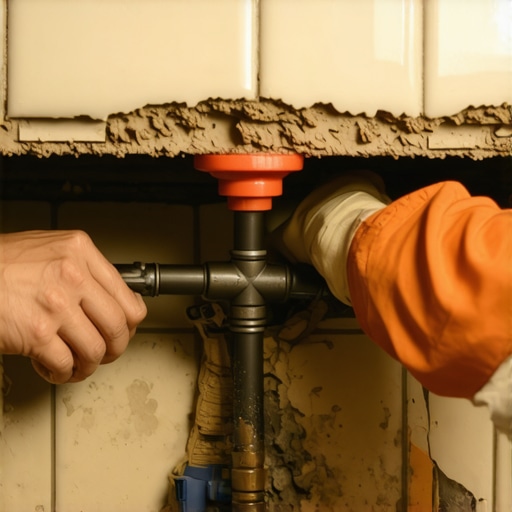
Replacing a shower drain without tearing out the floor is accomplished by accessing the plumbing through the ceiling below or by utilizing an internal PVC pipe cutter to remove the old flange from above. These methods allow you to preserve the integrity of your tile and waterproofing membrane while addressing the mechanical failure of the drain assembly. Most homeowners fear that a leaking drain means a total bathroom demolition. It does not. If you have a crawlspace or a basement, you are in a position of power. If you are on a slab, you have to get creative with specialized tools designed to cut the pipe from the inside out. This avoids the catastrophic cost of replacing the entire shower pan. I spent three days grinding concrete on a job last month just so the floor wouldn’t click like a castanet because the previous guy ignored the subfloor levelness. That same attention to detail applies to your drain. If the subfloor is compromised by moisture from a leaking drain, the tile will eventually fail, making this repair a race against structural rot. For those looking to upgrade the rest of the space, check out showers that wow modern designs for 2025 for inspiration. [image_placeholder_1]
Why your subfloor is lying to you
The subfloor is the foundation of every successful shower installation, yet it is the first thing to hide a leak. When a drain fails, water migrates into the plywood or OSB, causing the wood fibers to swell and lose their structural load-bearing capacity. You might see a small stain on the ceiling below, but what you don’t see is the mold blooming in the dark, humid environment between the joists. A floor is only as good as the subfloor beneath it, deflection is the enemy of every joint. This Master Flooring Axiom holds true for plumbing as well. If the drain assembly moves because the subfloor is soft, the seal will break repeatedly. You must verify the moisture content of the wood with a pin-style meter before you commit to a repair. Anything over 12 percent is a warning sign that the structure needs to dry out before you seal it back up. If you are dealing with moisture around the edges, grout restoration secrets for long-lasting results can help identify if the issue is the drain or the grout itself. This is about physics, not aesthetics. The weight of a person in the shower creates a dynamic load. If the drain is rigid and the floor flexes, the weakest point will snap. Usually, that is the solvent weld or the rubber gasket.
“A floor is only as good as the subfloor beneath it; deflection is the enemy of every joint.” – Master Flooring Axiom
The internal pipe cutter method
Using an internal pipe cutter is the primary way to perform this repair from above when access from below is impossible. This tool is a small diamond-grit or steel saw blade that attaches to a standard drill. You lower it into the drain pipe and cut the PVC from the inside, approximately two inches below the floor level. This allows you to pull the old flange out without disturbing the surrounding tile. You have to be precise. A sloppy cut means the new coupling won’t seat properly. We are talking about tolerances of 1/16 of an inch. After the cut, you use a specialized repair drain, like a Wingtite, which uses a mechanical clamping mechanism to seal against the existing shower pan. This bypasses the need for traditional solvent welding in tight spaces. While you are working on the floor level, consider how chic baseboard designs that transform rooms in 2025 might complement your newly repaired bathroom floor. It is about the complete structural and aesthetic package. Below is a comparison of common drain materials you might encounter.
| Material | Durability | Repair Difficulty | Common Failure Point |
|---|---|---|---|
| PVC (Polyvinyl Chloride) | High | Low | Solvent weld cracks |
| ABS (Acrylonitrile Butadiene Styrene) | Moderate | Low | Thermal expansion stress |
| Cast Iron | Extreme | High | Corrosion and pitting |
| Brass | High | Moderate | Thread stripping |
The ghost in the expansion gap
Every flooring professional knows that materials need room to breathe. In a shower, the expansion gap is usually filled with 100 percent silicone sealant rather than hard grout. Why? Because the drain, the tile, and the subfloor all expand and contract at different rates when exposed to hot water. If you hard-grout the drain flange to the tile, the thermal expansion will eventually crack the tile or the drain body itself. This is what I call the ghost in the gap. It is an invisible force that ruins thousands of dollars of work. When you install the new drain, you must ensure a clean 1/8 inch gap between the flange and the tile edge. This gap must be filled with a high-quality, mold-resistant silicone that meets ASTM C-920 standards. This allows for the movement without breaking the waterproof seal. If your grout is already looking rough from previous leaks, learn how to refresh grout without replacing it to save time and money. Do not skip the cleaning phase. Silicone will not bond to soap scum or old plumber’s putty. You need to strip the area with denatured alcohol to ensure a molecular bond. This is the difference between a repair that lasts ten years and one that fails in ten days.
The chemical reality of solvent welding
When you are working from below, you have the luxury of using traditional solvent welding. This isn’t just glue. It is a chemical reaction. The primer softens the surface of the PVC, and the cement fuses the two pieces into a single, continuous piece of plastic. This is a cold weld. If you don’t use primer, you are asking for a flood. I have seen guys try to use just the cement because they didn’t want to get purple stains on their hands. It will fail. The chemical bond requires the removal of the factory glaze on the pipe. In a bathroom environment, the humidity is high, which can affect the cure time of the solvent. You need to hold the joint together for at least 30 seconds to prevent the pipe from pushing out of the socket. This is a common mistake that leads to slow leaks. If you are looking for more sustainable options for your next project, explore eco-friendly tile solutions for sustainable homes in 2025. Proper plumbing is the first step toward a sustainable home because it prevents the waste of materials caused by water damage. A single leak can ruin a subfloor and require the disposal of yards of tile and backing board.
- Shut off the main water supply to prevent accidental discharge.
- Measure the pipe diameter accurately; most residential drains are 2 inches.
- Use a vacuum to remove all debris from the pipe before cutting.
- Ensure the replacement flange is compatible with your specific shower pan material.
- Test the new seal by plugging the drain and filling the pan with two inches of water.
Preserving the tile and baseboards
The goal of this operation is to keep the room looking like you were never there. This means protecting the surrounding tile from the heat of a soldering torch or the vibration of a reciprocating saw. I use heavy-duty moving blankets and plywood scraps to create a workstation over the shower floor. If you have to remove a single tile to get the drain out, you must be careful not to damage the waterproofing membrane beneath it. If you nick the Schulter-Kerdi or the liquid-applied membrane, you’ve just created a new leak path. For those finishing the room, baseboards makeover ideas to elevate your space can provide the finishing touch once the plumbing is secure. Often, the baseboards are the first thing to show water damage in a bathroom. They act like a wick, pulling moisture up from the subfloor and causing the paint to peel or the wood to rot. If you see black spots on your baseboards, you likely have a drain issue that has been lingering for months. For maintenance tips, see tile cleaning tips for a sparkling bathroom in 2025. Cleanliness is more than just looks; it is about removing the minerals that can eat away at seals and grout over time. If you need professional advice, don’t hesitate to reach out via our contact us page.
“Water is a patient thief; it will find the one hole you didn’t seal and steal the structural integrity of your home.” – Master Flooring Axiom