
I spent three days grinding concrete on a job last month just so the floor would not click like a castanet. I have spent twenty-five years on my knees with a moisture meter and a level. I have seen what happens when homeowners prioritize convenience over the structural physics of their homes. I once walked into a luxury master suite where the homeowner had used a popular no-scrub spray every day for two years. The grout was not just clean. It was gone. It had turned into a fine, grey powder that offered zero lateral support to the tiles. The tiles were shifting. The waterproofing membrane was exposed. It was a five-figure disaster caused by a five-dollar bottle of chemicals. People want a shortcut. They want the aesthetic without the labor. But in the world of flooring, shortcuts are just a slow way to destroy your investment. This is not about a sparkling bathroom. This is about the chemistry of your substrate and the slow erosion of your home. You smell that bleach? That is the smell of your grout lattice dissolving. You see those baseboards pulling away? That is the moisture from your miracle spray wicking into the drywall. Flooring is not a decoration. It is a performance surface that relies on a very specific chemical balance to stay rigid. When you introduce harsh surfactants and acids into a cementitious environment, you are essentially conducting a slow-motion demolition of your shower floor.
The chemical lie in the spray bottle
No-scrub bathroom cleaners usually contain acidic surfactants or oxidizing agents that target soap scum and calcium deposits by dissolving the mineral bonds holding them to the surface. While these chemicals effectively remove surface contaminants, they also penetrate the capillary pores of cementitious grout, leading to structural leaching and eventual joint failure within showers and tile installations.
The science of grout is the science of Portland cement. It is a porous, alkaline material. When you spray an acidic cleaner on it, you are initiating a neutralization reaction. Acid meets base. The result is the formation of salts and the release of carbon dioxide. This process, known as etching, happens at a microscopic level every time you use a no-scrub formula. The sand particles in your grout are held together by a cement paste. The acid eats that paste. Eventually, the sand has nothing to hold onto. You might notice your grout feels gritty. That is not dirt. That is your floor falling apart. These cleaners are designed for glazed ceramic, but they cannot distinguish between the dirt on the tile and the grout in the joint. They attack everything. This is especially dangerous in modern showers that wow because the large format tiles rely on the grout to manage the tension of the entire wall assembly. If the grout fails, the tile loses its edge protection. It will chip. It will crack. It will leak. We talk about tile cleaning tips because the method matters more than the result.
“A floor is only as good as the subfloor beneath it; deflection is the enemy of every joint.” – Master Flooring Axiom
The slow death of cement joints
Cementitious grout is a alkaline substrate that remains chemically active long after the initial installation and curing process is complete. Introducing high-alkaline bleaches or low-pH acids found in miracle cleaners disrupts the calcium-silicate hydrate bonds, causing the matrix to brittle and spall over time. This leads to cracks and voids that allow moisture migration into the subfloor.
You have to understand the molecular zooming here. Grout is like a hard sponge. Even when sealed, it has pores. No-scrub cleaners are formulated with high surface tension reducers. This means they are designed to soak in deep. They don’t just sit on top. They crawl into the grout line. Once they are in there, you cannot rinse them out easily. They stay there, damp and active, eating at the bond. In regions with high humidity like Florida or the Gulf Coast, this problem is amplified. The cleaner never truly dries out. It stays in a state of chemical aggression for weeks. I have seen baseboards that look fine on the outside but are completely rotted from the back because no-scrub cleaners were sprayed near the floor-to-wall transition. The liquid wicks up. It sits behind the wood. It grows mold. If you want to know how to refresh grout without replacing it, the first step is to stop poisoning it with these formulas.
How baseboards hide the chemical damage
Baseboards act as a capillary bridge that pulls excess liquid from no-scrub cleaning agents away from the tile edge and into the wall cavity. This moisture wicking causes swelling in MDF, rot in solid wood, and mold growth behind the finishing trim, often masking structural decay for months until the baseboard begins to warp or discolor.
The transition between the floor and the wall is the most vulnerable point in any bathroom. Most installers use a bead of caulk here, but over time, that caulk shrinks. When you spray a liquid cleaner, it pools in that gap. It gets behind the chic baseboard designs you paid thousands for. I have seen beautiful white oak baseboards turned into black mush because a homeowner thought they were being extra clean. They were just feeding the fungus. The chemicals in no-scrub cleaners can also react with the paint on your baseboards, causing it to peel or yellow. You are better off using a damp microfiber cloth and a pH-neutral cleaner. If you need a baseboards makeover, check the moisture levels in the drywall first. If you have been using no-scrub sprays, I can almost guarantee those levels are higher than they should be.
| Cleaner Type | pH Level | Effect on Grout | Structural Risk |
|---|---|---|---|
| No-Scrub Acidic | 2.0 – 4.0 | Dissolves Cement Matrix | High – Structural Failure |
| Bleach-Based | 11.0 – 13.0 | Brittle and Discoloration | Medium – Surface Spalling |
| pH-Neutral Soap | 7.0 | None | Zero – Safe for Life |
| Vinegar Mix | 2.5 | Etching and Softening | Moderate – Slow Erosion |
The hydrostatic pressure myth in modern showers
Hydrostatic pressure within a shower enclosure can be exacerbated by the breakdown of grout caused by harsh chemical cleaners. When the grout line becomes porous due to acid erosion, water is forced through the joint and builds up behind the tile, creating vapor pressure that can delaminate the thin-set mortar and cause tile tenting or hollow spots.
People think tile is waterproof. It isn’t. Tile is just the shield. The grout and the membrane underneath do the heavy lifting. When you use a cleaner that eats the grout, you are removing the shield. Water starts to sit behind the tile. It cannot evaporate because the tile is glazed. So it sits. It ferments. It pushes. This is why you see tiles popping off the wall three years after a renovation. It wasn’t a bad install. It was a bad maintenance routine. You need grout restoration secrets that involve deep mechanical cleaning, not just chemical shortcuts. If you have showers with a style that uses small mosaic tiles, you have ten times the grout lines. That means ten times the risk. More grout means more surface area for those chemicals to attack. It is a math problem that ends in a remodel you didn’t plan for.
“Proper grout maintenance requires pH-neutral cleaners to ensure the long-term stability of the cementitious matrix.” – Tile Maintenance Standard
The reality of long term maintenance
Long-term maintenance of tiled surfaces requires a mechanical agitation strategy combined with neutral cleaning agents to prevent chemical buildup. By avoiding harsh no-scrub sprays, you preserve the polymer additives in modern grouts, ensuring the joints remain flexible and water-resistant throughout the lifecycle of the flooring system.
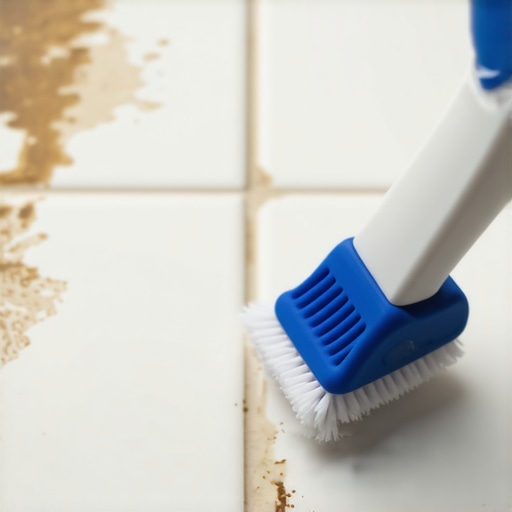
If you want a floor that lasts, you have to work for it. There is no magic in a bottle. You need a stiff nylon brush and a bucket of warm water with a drop of neutral soap. That is it. Scrubbing removes the dirt without removing the floor. If you have been using the harsh stuff, you might need to look into eco-friendly tile solutions that utilize epoxy grouts. Epoxy is a different beast. It is a plastic resin. It doesn’t care about acid. But for 90 percent of homes with standard grout, the spray bottle is the enemy. It is a cycle of destruction. You spray, it eats a layer of grout, the grout becomes more porous, it gets dirty faster, so you spray more. It is a feedback loop that ends with a jackhammer. If you are unsure about your current state, contact us and we can talk about testing your grout hardness. Don’t wait until the tiles start falling off the wall.
- Check the pH of your cleaner before applying.
- Avoid any product that promises results without scrubbing.
- Rinse all surfaces with clean water after any chemical application.
- Inspect grout lines monthly for signs of sand shedding or softening.
- Ensure ventilation is active to prevent chemical lingering.
It will buckle. It will rot. It will fail. These are the three certainties of improper floor care. You can have the most expensive Italian marble in the world, but if you treat the joints like a laboratory experiment, they will fail you. I have seen it in multi-million dollar penthouses and starter homes alike. The physics of cement does not care about your zip code. It does not care about the brand on the bottle. It only cares about the chemical bond. Respect the bond, and your floor will respect your feet for thirty years. Ignore it, and I will see you in five years when I am quoting you for a full tear-out.