
Elevating Bathroom Durability Through Advanced Grout, Baseboard, Tile, and Shower Techniques
In the realm of high-end bathroom renovations, the meticulous selection and application of materials such as grout, baseboards, tiles, and showers significantly influence the longevity and aesthetic appeal of the space. As industry experts know, each component must not only harmonize with the overall design but also withstand the rigors of daily moisture and usage, demanding a nuanced approach rooted in scientific understanding and craftsmanship.
The Critical Role of High-Performance Grout in Bathroom Integrity
Beyond mere aesthetic considerations, grout functions as the essential sealant barrier preventing water ingress and mold proliferation. Experts recommend epoxy or cementitious grout with enhanced compressive strength and resistance to efflorescence, especially in wet zones. Applying proper sealing techniques using high-quality sealants, such as penetrating silicone or hybrid polymers, can prolong grout lifespan and simplify maintenance, as endorsed by industry-leading sources like the Tile Letter Journal.
Innovative Baseboard Solutions That Reshape Bathroom Dynamics
Traditional wooden baseboards are vulnerable to moisture, leading to swelling, warping, and potential mold development. Contemporary solutions involve installing composite, PVC, or epoxy-based baseboards engineered for water resistance. Moreover, strategic integration of baseboards with waterproofing membranes prevents water wicking, enhancing both durability and ease of cleaning. Visit our guide on durable baseboard installation for detailed insights.
Tile Selection and Installation: The Bedrock of Long-Lasting Showers
The choice of porcelain, glass, or natural stone tiles must align with environmental conditions and design intent. Expert installation employing contour-matched substrates, adequate slope for drainage, and proper grout joint width minimizes crack propagation and water penetration. Additionally, incorporating heated tile systems can mitigate grout cracking by reducing thermal expansion stresses, as highlighted in recent studies published by the Journal of Building Engineering.
What Are the Emerging Trends in Shower and Tile Technology That Guarantee Durability?
Advancements such as antimicrobial tile coatings, nanotechnology-infused sealants, and flexible membrane waterproofing systems are transforming traditional practices. These innovations actively combat mold, efflorescence, and structural degradation, empowering professionals to deliver resilient, maintenance-light bathrooms.
Proactive Strategies for Expert Maintenance and Restoration
Regular inspections, prompt grout resealing, and the application of professional-grade restoratives are essential for extending component lifespan. Specialized cleaning protocols using pH-neutral cleaners and steam treatments prevent the accumulation of contaminants, thereby maintaining the integrity of grout lines and tile surfaces.
For comprehensive guidance on implementing these expert techniques, explore trusted restoration strategies. Professional contribution and discussion in online forums or industry workshops further enhance practice and innovation.
Innovative Sealants Transforming Water Resistance in Bathrooms
Modern sealants leverage nanotechnology to create ultra-durable, flexible barriers that actively repel moisture and inhibit mold growth. These advanced compounds outperform traditional silicone, offering enhanced lifespan and ease of application. Experts suggest using hybrid sealants with antimicrobial properties, such as those recommended by industry leaders in tile care, to ensure maximum protection and reduce maintenance frequency. For in-depth product comparisons and application techniques, visit our guide to eco-friendly tile solutions.
The Nexus of Design and Durability in Baseboard Modernizations
Replacing standard wooden baseboards with innovative materials like epoxy composites or PVC not only enhances water resistance but also opens avenues for creative design integrations. Embedding these baseboards with waterproof membranes or incorporating seamless transitions between walls and floors minimizes vulnerabilities to water infiltration. Multifunctional baseboards that combine lighting or ventilation can further redefine bathroom aesthetics and functionality. To explore stylish and resilient baseboard ideas, consult our recent design innovations.
What emerging materials and technologies are set to revolutionize bathroom surface durability beyond current standards?
Emerging materials like graphene-infused coatings and bio-based composites promise remarkable strength and sustainability, respectively. Furthermore, innovations such as self-healing grout infused with microcapsules are on the horizon, offering autonomous repairs to cracks and chips, thus extending the lifespan of tiled surfaces. Experts from the Journal of Building Engineering highlight these advancements as catalysts for a new era in bathroom resilience.
Stay updated on the latest innovations by subscribing to our newsletter or engaging with industry experts who frequently share insights on emerging materials and installation techniques.
Mastering Waterproofing Innovations to Prevent Bathroom Failures
Deep within the fabric of durable bathroom design lies the mastery of multi-layer waterproofing systems. Traditional single-layer membranes, while effective, often fall short under prolonged exposure to moisture and thermal cycling. Modern solutions emphasize the integration of **multi-layer waterproofing assemblies**—combining liquid-applied membranes, sheet membranes, and specific vapor barriers—to create a cohesive defense against water intrusion. These systems, when properly engineered, form a seamless armor that mitigates risks associated with structural weakening and mold proliferation. Experts like the Building Science Corporation emphasize that the key is not just choosing the right materials, but ensuring flawless installation that accounts for expansion joints, penetrations, and movement joints, which are often the Achilles’ heel of water management in bathrooms.
Implementing **dual-barrier approaches**—such as applying an epoxy primer beneath a flexible membrane—can provide redundant security, especially in high-risk zones like shower enclosures. Moreover, recent advancements incorporate **nanotechnology-infused coatings** that repel water at a molecular level, reducing absorption and prolonging the lifespan of underlying substrates. These ultra-thin yet highly effective layers are transforming the industry, delivering peace of mind for homeowners and contractors alike.
Are There Breakthrough Waterproofing Methods That Address Long-Term Maintenance Challenges?
Yes. Researchers at the National Institute of Standards and Technology (NIST) are pioneering **self-healing waterproof membranes** embedded with microcapsules that release repair compounds upon crack formation. This innovation offers autonomous maintenance, effectively preventing water ingress before it propagates damage. Such materials not only extend the service life of bathrooms but also reduce the need for costly repairs and disruptive renovations. While these technologies are approaching commercial viability, early field trials demonstrate promising durability and efficacy, especially in retrofit scenarios where existing structures require reinforcement without complete teardown.
For professionals seeking to stay ahead, understanding the compatibility of these novel membranes with traditional substrates, sealants, and finishing materials is vital. Industry standards are beginning to evolve, with organizations like the ASTM International developing rigorous testing protocols for self-healing systems, ensuring reliability and safety in real-world applications.
The Art of Seamless Transitions: Designing Water-Resilient Wall and Floor Junctions
At the intersection of aesthetic elegance and functional resilience, the junctions between walls and floors demand meticulous attention. The challenge is to craft transitions that are visually seamless yet impervious to water migration. Strategies involve using **integrated cantilevered base trims** combined with **liquid-applied membrane overlaps**, creating continuous water barriers that adapt to structural movements. An innovative approach involves employing **liquid flashing** techniques—where flexible, elastomeric coatings are molded precisely along joints—ensuring comprehensive coverage without gaps. This practice not only prevents water seepage but also simplifies inspection and maintenance routines.
Consideration of the **thermal gap expansion** at these junctions is also critical. Employing **soft, flexible joint fillers** with high elongation properties accommodates movement while maintaining watertight integrity. Additionally, **smart sealants** infused with microbead sensors can notify homeowners or maintenance teams when sealant degradation occurs, paving the way for predictive maintenance models in bathroom management.
How Do Advanced Transition Designs Impact the Long-Term Sustainability of Bathroom Environments?
Seamless, water-resistant junctions reduce the frequency of repairs, minimize water-related structural damage, and contribute significantly to the overall longevity of bathroom fixtures. Sustainability is further enhanced by selecting **eco-friendly, low-VOC sealants** and membranes that also meet stringent environmental standards. The integration of **smart materials**—capable of adjusting properties in response to humidity and temperature fluctuations—represents a frontier where durability meets environmental consciousness. These innovations promise not only reduces in maintenance expenses but also substantially lower the ecological footprint of bathroom renovation projects.
#{imagePrompt:
Transforming Bathroom Longevity with Cutting-Edge Surface Technologies
Advancements in material science are revolutionizing bathroom surface resilience, with nano-infused sealants and self-healing composites leading the charge. These innovations not only erect formidable barriers against water penetration but also actively repair microcracks, significantly extending the lifespan of tiles and grout. By integrating bio-based, eco-friendly coatings, designers can achieve sustainability without compromising durability, creating bathrooms that stand the test of time and environmental stressors.
The Impact of Molecular-Level Waterproofing on Seamless Design
Imagine a waterproofing paradigm that operates at the molecular level, enabling flexible, transparent membranes capable of adapting to substrate movements. Such innovations eliminate the crevices and overlaps typical of conventional membranes, fostering truly seamless transitions between surfaces. This approach eradicates water ingress points, mitigates mold risks, and streamlines installation, aligning with the highest standards of architectural perfection and functional reliability. Recent research published by the Scientific Reports journal highlights the potential of nanomaterial coatings in this domain.
Reimagining Baseboards: Beyond Conventional Moisture Barriers
The evolution of baseboard technology encompasses embedded smart moisture sensors and antimicrobial coatings, transforming them from mere aesthetic elements into active participants in bathroom health management. Dual-function designs incorporate LED lighting for ambiance alongside waterproof layers, merging form and function. These innovations facilitate proactive maintenance, enabling early detection of potential failures and fostering environments resilient to water damage and microbial growth.
Smart Joint Design—The Future of Water-Resistant Connectivity
Fabricating junctions that marry visual fluidity with endurance is paramount. Techniques employing ultra-elastic, self-adhesive membranes combined with adaptive sealants prevent water seepage even under structural shifts. Introducing microencapsulated, self-healing sealants at critical junctures allows for autonomous response to hairline cracks, thereby safeguarding structural integrity over decades. Such systems are under rigorous testing at institutions like the American National Standards Institute, setting new benchmarks for water management standards in bathroom architecture.
How Do These Emerging Materials Challenge Traditional Waterproofing Methods?
They fundamentally alter the paradigm by providing autonomous repair capabilities, reducing long-term maintenance costs, and enhancing structural resilience. These materials’ compatibility with existing substrates ensures seamless integration, enabling retrofits that upgrade legacy bathrooms with future-proof solutions. The convergence of nanotechnology, bioengineering, and intelligent design is poised to redefine expectations around bathroom durability and environmental adaptability.
Expert Insights & Advanced Considerations
Embrace Material Innovation
Leading industry professionals are now integrating graphene-infused coatings and bio-based composites, which offer exceptional strength and sustainability, into bathroom surfaces. These cutting-edge materials promise to redefine standards of durability, enabling renovations that resist environmental stressors long-term.
Prioritize Autonomous Repair Systems
Emerging self-healing technologies, utilizing microcapsule-infused sealants and membranes, provide autonomous crack repair, significantly reducing maintenance efforts and preventing water ingress. Incorporating these innovations can dramatically extend the lifespan of bathroom components.
Enhance Waterproofing Protocols
Advanced waterproofing strategies favor multi-layer assemblies combining vapor barriers, liquid-applied membranes, and nanotechnology-enhanced coatings to create a seamless defense against moisture. Proper installation and material compatibility are vital factors in maximizing effectiveness.
Integrate Smart Materials for Real-Time Monitoring
Smart sealants and baseboards embedded with microbead sensors monitor moisture levels and structural integrity, alerting homeowners and professionals to potential issues before damage occurs. These intelligent systems foster proactive maintenance and sustainable design.
Curated Expert Resources
- Tile Letter Journal: Offers authoritative guidelines on advanced tile installation and maintenance practices, emphasizing durability and innovation.
- Journal of Building Engineering: Features peer-reviewed research on nanotechnology and material science applications in building surfaces, vital for staying ahead in bathroom technology.
- American National Standards Institute (ANSI): Develops industry standards for self-healing membranes and smart materials, ensuring reliable application and integration in renovation projects.
The Future of Bathroom Resilience Lies in Innovative Expertise
Closing with a focus on high-performance materials, autonomous repair systems, and smart monitoring, this exploration underscores the pivotal role of emerging technologies in bathroom longevity. For professionals striving to deliver lasting quality, embracing these advancements is essential. Engage with industry resources like showers that wow and expert guides on durable baseboards to stay at the forefront of innovative bathroom solutions. Share your insights or inquire about upcoming technologies—our industry thrives on collaboration and continual learning.”}}#END#}}]}

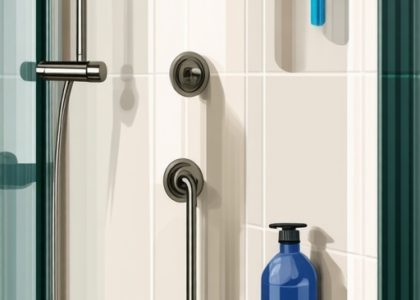
This article covers some of the most innovative approaches to bathroom durability I’ve come across. I particularly appreciate the emphasis on nanotechnology-infused sealants and self-healing membranes, which seem like game-changers for long-term maintenance. In my recent renovation project, we opted for epoxy grout combined with nano-coatings, and the results have been impressive—minimal cracking and mold issues even after a year of use. It makes me wonder, though, how accessible these advanced materials are for average homeowners. Are they primarily industry-grade, or are there consumer-friendly products on the horizon? Also, I’ve been curious about smart sealants with embedded sensors—has anyone experimented with those, and if so, how reliable are they in real-world conditions? It’s exciting to think about how these innovations could drastically reduce ongoing maintenance costs and improve overall bathroom resilience.