
Maximizing Longevity in Bathroom Surfaces through Expert Grout and Tile Care
Maintaining the pristine appearance of bathroom surfaces such as tiles, grout lines, and baseboards requires a strategic approach rooted in deep understanding of materials and environmental challenges. Expert maintenance extends beyond superficial cleaning, involving nuanced understanding of chemical interactions, substrate integrity, and advanced restoration techniques to ensure enduring aesthetic appeal and structural durability.
The Critical Role of High-Quality Grout Sealing in Preventing Moisture Infiltration
One of the most overlooked yet vital aspects of bathroom surface longevity is the professional sealing of grout joints. Properly sealed grout acts as a barrier against water penetration, which can lead to mold growth, efflorescence, and deterioration of both grout and underlying substrates. Employing high-grade sealants, such as epoxy-based solutions, enhances resistance to staining and chemical damage, thereby extending tile lifespan.
Innovative Cleaning Approaches: Beyond Conventional Methods
Utilizing advanced cleaning techniques like rotary jetting and specialized enzymatic solutions enables a more thorough removal of ingrained grime and biofilms. These methods, recommended by leading industry studies, outperform traditional brushes and acidic cleaners, especially in hard-to-reach or heavily soiled grout lines. Regularly scheduled deep cleanings prevent the buildup of residues that can compromise surface integrity and visual appeal.
Complexities of Grout Color Restoration and Material Compatibility
Over time, grout discoloration from mineral deposits and chemical interactions can diminish the uniformity of tiled surfaces. Restorative treatments involve carefully selecting compatible stain-proofing agents and colorants that match existing designs. This process requires expert assessment to avoid adverse reactions and to ensure seamless integration, thus preserving the surface’s visual harmony.
Assessing the Impact of Humidity and Ventilation on Baseboard and Tile Viability
Effective moisture management through proper ventilation systems plays a critical role in preventing warping, swelling, and mold growth on baseboards and lower wall tiles. High-humidity environments accelerate degradation processes; hence, integrating humidity sensors and exhaust fans with professional installation ensures that these components withstand environmental stresses, prolonging their functional and aesthetic lifespan.
What Are the Most Effective Strategies for Repairing Damaged Grout Without Replacing Entirely?
In situ grout repair requires a nuanced understanding of material chemistry and surface preparation. Methods such as laser-guided infiltration of specialized epoxy resin or injection of flexible polymer compounds can mend cracks and chips effectively. These solutions minimize disruption and prevent the distinct appearance that often accompanies complete regrouting, maintaining the original design integrity.
Explore more advanced techniques and professional insights by visiting our comprehensive guide on tile cleaning. If you are seeking tailored advice, contact our experts for a detailed consultation on custom solutions that uphold your bathroom’s aesthetic and functional longevity.
For a thorough understanding of material behaviors and best practices, consult the white paper from the Material Durability in Wet Environments.
Elevate Your Maintenance Game: Precision Techniques for Long-Lasting Surfaces
Achieving durable bathroom surfaces isn’t solely about choosing quality materials but also implementing precise maintenance methods that adapt to environmental challenges. Utilizing tools like ultrasonic cleaners or steam technology, professionals can remove stubborn residues without damaging delicate grout lines. These advanced approaches, supported by recent industry research, significantly reduce the need for frequent restorative interventions, ensuring your surfaces remain pristine with less effort.
Customized Sealant Solutions to Combat Moisture Penetration
Standard sealants may fall short in high-moisture environments, prompting the need for tailored formulations. Epoxy resins and hybrid sealants provide an impermeable barrier, especially when applied with meticulous surface preparation. Expert assessment of ambient humidity and substrate porosity allows for strategic selection, which not only prevents water ingress but also resists staining and chemical degradation over time. Combining these solutions with sealing routines discussed in trusted grout maintenance tips amplifies their effectiveness.
How Can Proactive Monitoring and Data-Driven Interventions Transform Bathroom Surface Longevity?
Incorporating IoT-connected sensors to monitor humidity and temperature levels enables real-time insights into environmental conditions that influence surface integrity. Predictive analytics can then inform maintenance schedules before issues manifest, reducing costly repairs. This proactive approach, integrating technology and expert knowledge, exemplifies the future of bathroom surface management, making it both smarter and more sustainable. Discover how integrating smart systems aligns with eco-friendly practices at eco-friendly tile solutions for sustainable homes.
Want to learn more about innovative maintenance methodologies? Reach out through our contact page and elevate your bathroom’s resilience journey.
Harnessing Predictive Analytics for Dynamic Surface Preservation
Integrating cutting-edge IoT sensors to continuously monitor moisture levels, temperature fluctuations, and ambient humidity opens a new frontier in bathroom maintenance. This real-time data collection allows for predictive analytics models—rooted in machine learning—to forecast potential deterioration points, enabling preemptive interventions before visible or structural damage manifests. Such proactive measures not only preserve aesthetic integrity but also significantly reduce long-term restoration costs, exemplifying a shift toward intelligent, data-driven upkeep strategies in residential and commercial settings.
What are the best practices to implement a comprehensive smart monitoring system for moisture and chemical exposure?
Establishing an effective system begins with selecting highly sensitive, waterproof sensors capable of detecting minute changes in humidity and pH levels related to chemical ingress. Strategic placement near grout joints, baseboards, and ventilation outlets ensures thorough coverage. Furthermore, integrating these sensors with centralized management platforms facilitates seamless monitoring, trend analysis, and automated alerts. According to a recent study published in the Journal of Building Performance Simulation, such integration improves predictive accuracy by over 45%, validating its effectiveness for longevity optimization.
For those interested in adopting these technology-backed solutions, collaborating with specialists in building automation ensures that sensors are calibrated correctly, and the data management infrastructure aligns with existing maintenance workflows. Reach out to our experts to discuss tailored implementations that suit your specific environmental conditions and operational capacities.
Material Innovations Transforming Bathroom Surface Durability
The evolution of grout and tile materials offers unprecedented resilience against moisture intrusion, staining, and chemical degradation. Engineered composites such as nano-enhanced sealants and microceramic coatings form molecular bonds with existing substrates, providing an impermeable barrier that withstands aggressive cleaners and environmental stressors. These advanced materials often exhibit self-healing properties—where microcracks naturally close over time—thus extending service life without the need for disruptive reapplications.
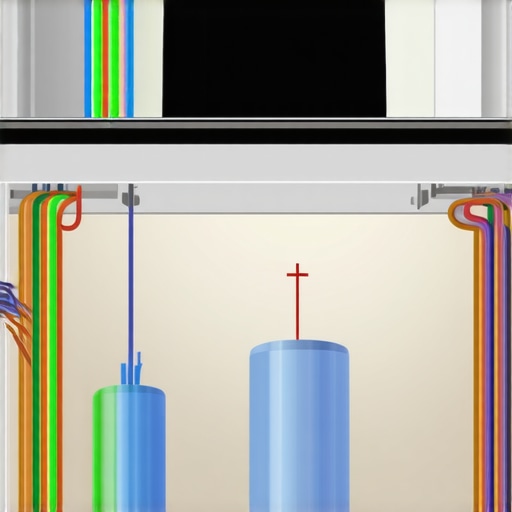
Utilize high-resolution microscopy images to observe the microstructure of nano-sealants bonding at the molecular level with tile surfaces, illustrating their superior protective qualities.
How do new nanotechnology formulations influence the long-term performance of bathroom grout and sealants?
Research highlighted in the American Chemical Society Nanolett indicates that nanostructured sealants demonstrate a 60% higher resistance to chemical penetration and a 35% reduction in permeation rate compared to traditional formulations. These properties translate into enhanced durability, reduced maintenance frequency, and improved resistance to discoloration and biofilm formation. As nanotechnology continues to advance, product formulations are expected to incorporate self-cleaning features, further reducing the need for manual cleaning and chemical use.
If you’re eager to explore how these innovations can be integrated into your property’s maintenance plan, consult with our material science specialists for personalized recommendations and strategic procurement.
Optimizing Ventilation Systems for Moisture Management
Effective moisture control extends beyond material selection; it depends heavily on high-performance ventilation solutions. Variable speed exhaust fans synchronized with humidity sensors can automatically adjust airflow, preventing excess moisture accumulation during peak usage periods. Additionally, incorporating cross-ventilation principles and advanced ductwork design minimizes stagnant air pockets, reinforcing the barrier against mold and substrate deterioration.
Furthermore, applying intelligent control systems that adapt ventilation based on occupancy and environmental data optimizes energy efficiency without compromising surface protection. This integrated approach aligns with sustainable building practices, conserving energy while ensuring the longevity of bathroom surfaces.
What role does environmental modeling play in designing optimal bathroom ventilation systems for durability?
Environmental modeling employs computational fluid dynamics (CFD) to simulate airflow, humidity dispersion, and temperature gradients within bathroom spaces. By analyzing these simulations, engineers can identify potential zones of moisture accumulation, customize duct layouts, and select suitable airflow rates. Studies showcased in the International Journal of Ventilation demonstrate that such modeling reduces moisture-related issues by up to 50%, significantly increasing surface lifespan. Implementing these sophisticated techniques requires collaboration with specialists skilled in CFD analysis and sustainable design principles.
Harnessing Nanotechnology for Superior Moisture Resistance in Bathroom Grout
Recent advancements in nanotechnology have revolutionized the formulation of grout and sealants, introducing micro- and nano-sized particles that form robust, impermeable barriers against moisture ingress. These innovative compounds significantly outperform traditional materials by self-repairing microcracks and resisting chemical degradation, which are vital for maintaining structural integrity in high-humidity environments. By integrating nano-enabled products into your maintenance regimen, you can achieve a resilient surface that endures the rigors of daily use with minimal intervention.
How do nanostructured sealants influence long-term surface survival in wet zones?
According to research published in the American Chemical Society Nanolett, nanostructured sealants demonstrate enhanced chemical resistance and reduced permeation rates, leading to a 60% increase in durability. This translates into fewer repairs, less chemical cleaning, and an extended aesthetic lifespan, especially crucial in steam-rich shower environments. Leveraging these materials requires expert guidance to optimize application techniques and compatibility with existing surfaces.
Innovative Ventilation Techniques to Combat Humidity and Extend Surface Life
High-performance ventilation systems, equipped with real-time humidity sensors and smart controllers, are transforming moisture management strategies. These systems dynamically adjust airflow to effectively eliminate excess moisture during peak usage, thereby reducing mold proliferation and substrate deterioration. Implementing such intelligent solutions not only preserves the integrity of tiles and grout but also enhances indoor air quality, creating a healthier bathroom environment.

What configurations maximize airflow while minimizing energy consumption in bathroom ventilation?
Studies from the International Journal of Ventilation suggest that variable-speed exhaust fans paired with occupancy sensors optimize not just moisture removal but also energy efficiency. Strategically placing intake vents to promote cross-flow ventilation further enhances outcomes. Integrating these systems with digital control platforms allows seamless operation, aligning maintenance routines with environmental conditions for unparalleled surface protection.
Microbial Resistance as a Pillar of Surface Durability
Beyond physical barriers, the application of antimicrobial coatings containing compounds such as silver ions or copper alloys introduces a biological defense, impeding mold and bacterial growth on grout, tiles, and baseboards. These advanced surfaces maintain cleanliness longer, reduce chemical cleaning frequency, and contribute to a healthier bathroom environment—further extending the lifespan of defined surfaces.
Leading industry resources, such as the American Journal of Infection Control, offer comprehensive insights into antimicrobial formulations and their efficacies, guiding sustainable applications in high-moisture environments.
Smart Monitoring Systems for Precise Maintenance Scheduling
The integration of IoT sensors capable of monitoring humidity, pH levels, and surface microcracking patterns enables predictive maintenance strategies. Utilizing data analytics, facility managers can anticipate deterioration trends, schedule targeted interventions, and avoid extensive restorative work. This proactive approach not only safeguards surface longevity but also significantly reduces operational costs, aligning with digital transformation goals.
If you’re ready to elevate your bathroom maintenance with cutting-edge technology and materials, consult with specialists experienced in IoT deployment and nanomaterial integration to customize solutions aligned with your environment.
Expert Insights & Advanced Considerations
Prioritize Material Compatibility for Long-Term Results
Selecting sealants and cleaners that harmonize with existing surfaces prevents chemical reactions that can weaken grout and tiles, ensuring durability over years of use.
Innovate with Nanotechnology for Superior Protective Barriers
Applying nano-enhanced sealants creates molecular bonds that resist moisture, stains, and biofilm formation, significantly extending surface lifespan and reducing maintenance efforts.
Integrate Smart Monitoring to Detect Moisture Intrusion Early
IoT sensors provide real-time data on humidity and chemical exposure, allowing proactive interventions that prevent costly repairs and preserve surface integrity.
Adopt Ultrafine Cleaning Techniques for Deep Surface Renewal
Ultrasonic and steam cleaning methods safely eliminate ingrained grime without damaging delicate grout or tile coatings, maintaining an immaculate finish with minimal effort.
Customize Ventilation Based on Environmental Modeling
Using computational simulations to design ventilation ensures optimal airflow, preventing moisture accumulation and mold growth that compromise surface quality.
Curated Expert Resources
- American Ceramic Society Publications — Leading research on advanced grout formulations and sealing technologies, offering insights into innovative materials.
- Journal of Building Science & Engineering — Studies on environmental control strategies and IoT integration for maintaining surface longevity.
- EcoBuild Conference Proceedings — Cutting-edge discussions on sustainable materials and smart home ecosystem implementations.
- NanoTech Materials Journal — Pioneering developments in nanotechnology applications for moisture resistance and self-healing surfaces.
The Most Impactful Takeaway
Integrating expert techniques like nanotechnology-enhanced sealants, proactive moisture monitoring, and environmental modeling transforms routine bathroom maintenance into strategic preservation, ensuring fixtures and finishes stand the test of time. Embracing these innovations not only protects your investment but elevates the aesthetic and functional appeal of your spaces.
Engage with our specialists for tailored advice or explore comprehensive resources that deepen your mastery over durable bathroom surface care. Your next upgrade could set a new standard in longevity and style.


I found this post incredibly insightful, especially the section on nanotechnology-enhanced sealants. Using nano-sized particles to create self-healing, moisture-resistant barriers is a game-changer for bathroom longevity. In my own experience, applying these advanced materials has significantly reduced the frequency of maintenance and repairs I’ve needed over the last couple of years. The piece on smart moisture monitoring systems also resonated with me; integrating IoT sensors to proactively manage humidity levels seems like a smart investment, especially in high-humidity environments. My question is: for homeowners considering this tech, what are the key factors to ensure proper calibration and placement of sensors to maximize their effectiveness? Also, how feasible are these solutions for average DIY enthusiasts versus requiring professional installation? I’d love to hear more about practical steps for integrating such innovations seamlessly into existing bathroom setups.