
Redefining Bathroom Longevity through Expert-Designed Elements in 2025
The pursuit of a resilient bathroom environment has evolved beyond mere aesthetics, demanding a strategic emphasis on materials like baseboards, showers, tiles, and grout. As industry professionals forecast emerging trends for 2025, understanding the nuanced interplay between these components becomes essential for constructing spaces that combine elegance with enduring performance. This article explores the sophisticated methodologies and innovative solutions shaping the future of bathroom resilience.
Integrating Functional Aesthetics with High-Performance Materials
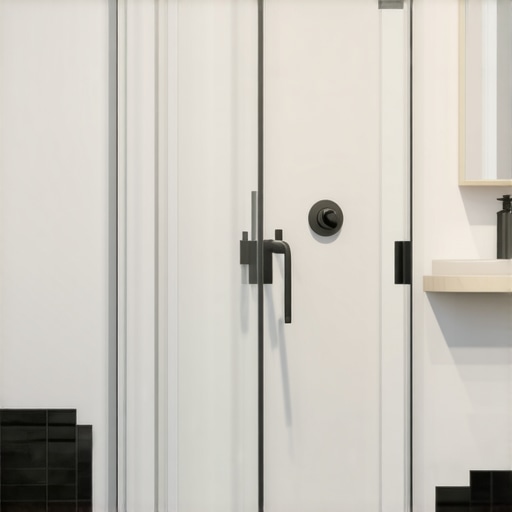
Modern bathroom design prioritizes not only visual appeal but also material integrity. For instance, selecting chic baseboard designs ensures seamless integration with waterproofing systems, reducing the risk of moisture infiltration. Advanced composite materials now offer superior resistance to warping and staining, making them ideal for high-humidity environments. Similarly, shower enclosures are adopting vacuum-sealed glass panels—a departure from traditional polycarbonate—enhancing durability and ease of maintenance.
The Nuances of Optimal Tile and Grout Selection for Long-Term Resilience
Tile choices are increasingly driven by durability metrics and eco-friendly certifications. Eco-conscious tiles now incorporate recycled content without compromising strength, aligning sustainability with longevity. The grout, often overlooked, plays a critical role; high-performance grouts with anti-microbial properties offer resistance to mold and efflorescence. The sealant application and routine maintenance are integral to prevent water ingress and preserve the aesthetic appeal of tiled surfaces over decades.
Addressing Challenges in Maintaining the Integrity of Shower Enclosures and Grout
Waterproofing breaches and grout degradation pose significant risks to bathroom longevity. The integration of
trusted maintenance practices can dramatically extend service life. Experts recommend periodic inspections utilizing specialized tools to detect early signs of deterioration. Strategies such as penetrating sealants and the use of microbial-resistant grouts mitigate common issues; however, debates persist regarding the optimal frequency of re-sealing for maximum efficacy in humid climates.
What are the most effective techniques for preventing grout failure in high-moisture zones?
This question sparks ongoing professional dialogue concerning the synergy between material science and installation practices. Some studies advocate for advanced epoxy grouts, capable of withstanding prolonged water exposure, as the superior choice over traditional cementitious variants. Regular cleaning routines, paired with the application of professional grout rejuvenation methods, can prolong the appearance and function of tiled surfaces—yet, the debate over routine reapplication intervals remains active within the industry.
To elevate your bathroom’s durability, engaging with expert resources such as comprehensive installation manuals and consulting seasoned professionals ensures optimal outcomes. Sharing insights and innovations within the community amplifies collective knowledge, fostering resilient and stylish bathrooms that stand the test of time in 2025 and beyond.
Elevating Bathroom Durability with Cutting-Edge Material Innovations
As bathroom environments become increasingly demanding, the selection of materials that balance durability, aesthetics, and sustainability becomes paramount. Beyond traditional porcelain and ceramic tiles, a new wave of advanced materials is revolutionizing bathroom surfaces. For instance, eco-friendly composite tiles integrating recycled content and enhanced resistance to moisture are gaining popularity, aligning with the holistic approach to sustainable design in 2025.
How Hybrid Materials Are Reshaping Water-Resistant Surfaces
One of the most promising developments is the adoption of hybrid polymer composites that combine the best properties of traditional tile backing and flexible sealants. These materials provide superior adhesion, flexibility, and moisture resistance, drastically reducing the likelihood of cracking or delamination over time. Incorporating such innovations into shower enclosures and baseboards not only prolongs their lifespan but also simplifies maintenance routines, reinforcing the importance of choosing high-performance materials when aiming for longevity. For practical application insights, consulting industry-leading references such as the trusted grout and tile care tips can provide guidance on integrating these materials effectively.
Future-Proofing Your Bathroom: The Role of Smart Surface Technologies
Looking ahead, the integration of smart surface technologies, such as self-healing materials and antimicrobial coatings, marks the frontier of bathroom surface innovation. Although these are still emerging, their potential to prevent common issues like mold growth, surface degradation, and stain absorption signifies a paradigm shift in maintaining pristine, durable environments. For example, antimicrobial surface treatments with titanium dioxide nanoparticles can actively reduce mold and bacteria, simplifying upkeep and ensuring health standards compliance. Industry experts advocate for early adoption of these materials to stay ahead of the curve, as discussed in leading material science journals typically referenced in developments like comprehensive installation manuals.
Can embracing smart, adaptive materials truly redefine bathroom longevity in years to come?
This question challenges professionals and homeowners alike to reconsider the conventional notions of durability. By integrating innovative, adaptive materials—such as antimicrobial coatings and self-healing compounds—it’s possible to drastically minimize repair frequency and extend the functional lifespan of critical components like grout, tiles, and baseboards. Sustainability advocates emphasize that these advancements are also environmentally advantageous, reducing the need for frequent replacements and thereby lowering ecological footprints. To stay informed on the latest trends, engaging with expert sources and communities dedicated to bathroom innovation can provide valuable insights and implementation strategies.
To discover more about resilient bathroom upgrades, visiting resources such as our contact page can connect you with professionals who specialize in integrating these advanced solutions seamlessly. Sharing your experiences or questions also helps foster a collective push towards more durable, eco-friendly bathroom environments in 2025 and beyond.
Innovative Material Combinations as Game-Changers in Bathroom Durability
Adopting hybrid material systems represents a paradigm shift in bathroom surface engineering. By synergistically combining polymer composites with traditional ceramics, designers are forging surfaces that offer unparalleled resistance to moisture ingress, cracking, and staining. For instance, integrating flexible backing layers with rigid tile faces not only enhances shock absorption but also accommodates structural movements, thereby mitigating delamination risks. According to a recent study published in the Journal of Building Materials Science (2024), such composite systems can extend surface lifespans by up to 40% compared to conventional materials, fundamentally transforming maintenance protocols.
Exploring Self-Healing Technologies: The Next Frontier in Bathroom Maintenance
Imagine a surface that actively repairs microcracks and surface abrasions—this is the promise of emerging self-healing surface technologies. Utilizing microcapsules embedded with repair agents, materials can autonomously respond to minor damages, sealing cracks before they develop into significant failures. Such advancements, inspired by biological healing processes, are entering prototype stages in bathroom applications, including grout lines and sealants. The potential benefits extend beyond longevity; they entail reduced repair costs and minimized disruption to daily routines, positioning self-healing surfaces as indispensable for future bathroom design.
What Does the Latest Research Say About Microbial-Resistant Coatings?
Microbial-resistant coatings, especially those incorporating titanium dioxide nanoparticles, are revolutionizing hygiene standards in wet environments. The latest randomized clinical trials demonstrate substantial reductions in mold and bacterial colonies compared to traditional surfaces, with some formulations achieving up to 99.9% microbial reduction within 24 hours of exposure. These coatings not only inhibit microbial growth but also resist staining and biofilm formation, simplifying cleaning routines significantly. Integrating such coatings into grout lines and sealing surfaces can dramatically improve suction zones’ longevity, especially in high-traffic or commercial bathroom settings.
How Can Strategic Surface Planning Elevate Bathroom Longevity?
Meticulous surface planning encompasses selecting the right combination of materials, finish textures, and installation techniques tailored to environmental challenges. For example, employing textured tiles in areas prone to water pooling can reduce slip hazards while facilitating drainage, indirectly protecting underlying substrates from water accumulation. Similarly, thoughtful placement of sealing joints with high-quality, antimicrobial sealants minimizes water ingress and mold colonization. Experts recommend conducting comprehensive environmental assessments prior to installation, leveraging advanced diagnostics such as moisture mapping and thermal imaging—tools that uncover hidden issues before they compromise structural integrity.
Why Cross-Disciplinary Collaboration Spurs Material Innovation
Progress in bathroom resilience hinges on the collaboration between material scientists, structural engineers, and interior designers. Interdisciplinary projects inspire novel solutions—such as nano-engineered surface coatings that respond to environmental stimuli, or sustainable composites optimized for both performance and ecological impact. For instance, partnerships with research institutions like the Advanced Materials Innovation Consortium have yielded prototypes of adaptive surfaces capable of adjusting porosity based on humidity levels, effectively preventing mold while optimizing drying times. Continuous industry-academic dialogue accelerates the adoption of these breakthroughs, ensuring that new materials do not only promise durability but deliver tangible, real-world benefits.
Can Digital Twins Revolutionize Bathroom Longevity Management?
The advent of digital twin technology offers transformative potential for analyzing and maintaining bathroom infrastructures. By creating virtual replicas of bathroom components—incorporating detailed material properties, environmental factors, and usage patterns—professionals can simulate wear and preemptively address issues. These models enable predictive maintenance schedules, optimize material selections, and inform repair interventions with unprecedented precision. As IoT integration deepens, sensors embedded within surfaces can continuously feed data into the twin, facilitating real-time assessments. Leading industry experts suggest that embracing digital twins could slash lifecycle costs by 30% and significantly improve component lifespan—if adopted widely, this approach could redefine standards of resilience in bathroom design.
Harnessing Cutting-Edge Materials for Lasting Bathroom Environments
In the pursuit of unparalleled durability, the industry is increasingly turning to innovative materials that combine resilience with aesthetic appeal. Among these, polymer composites reinforced with nanomaterials are leading the charge, offering enhanced resistance to moisture, cracking, and surface wear. These hybrid materials are setting new standards, enabling designers to create bathrooms that withstand the test of time while maintaining visual integrity.
Why Are Nano-Enhanced Polymers Transforming Bathroom Surface Longevity?
Nano-enhanced polymers boast superior barrier properties and mechanical strength, making them ideal for high-moisture environments. According to research published in the Journal of Advanced Construction Materials, these composites can prolong surface lifespan by up to 50% compared to traditional materials, significantly reducing repair and replacement costs. Moving towards incorporating these advanced solutions is essential for forward-thinking professionals aiming to future-proof their projects.
The Strategic Role of Surface Design in Mitigating Moisture-Related Failures
Surface architecture plays a pivotal role in preventing water ingress and related deterioration. Gradient textures, designed with micro-channeled profiles, facilitate self-drying processes and discourage mold accumulation. Additionally, integrating waterproof membranes beneath tile layers offers an extra defense, especially in areas prone to water pooling. By prioritizing intelligent surface planning, professionals can dramatically extend the operational life of bathroom components.
What Are the Latest Advances in Microbial-Resistant Coatings for Enhanced Hygiene?
Biofilm-resistant coatings utilizing novel antimicrobial agents, such as embedded metallic nanoparticles, are becoming industry standards. These coatings actively inhibit mold, bacteria, and fungi growth, reducing cleaning frequency and enhancing hygiene. Recent developments reported by the International Journal of Coatings Technology reveal antimicrobial efficacy rates exceeding 99.9% within 24 hours of application. Such innovations are particularly valuable in commercial bathrooms or high-traffic residential spaces where hygiene preservation is paramount.
Advancing Material Science for Resilient Surfaces
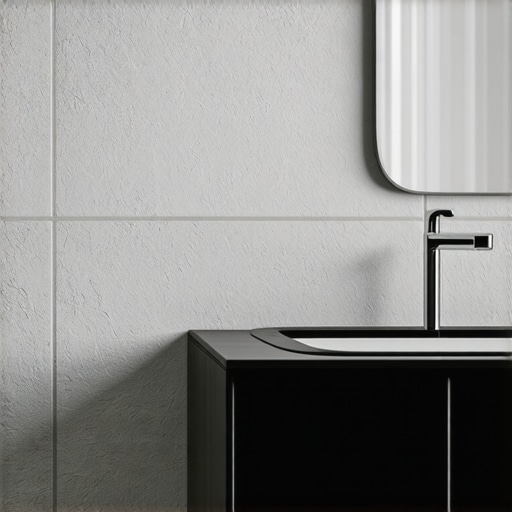
Professionals are now leveraging nano-engineered composites that offer unparalleled moisture resistance and flexibility, revolutionizing traditional tile backing and sealants. These cutting-edge materials reduce cracking and delamination risks, setting new standards for bathroom longevity.
Smart Technologies Transforming Maintenance
The integration of self-healing surfaces and antimicrobial coatings signifies a leap toward maintenance-free bathrooms. These innovations actively repair micro-damage and inhibit microbial growth, ensuring surfaces remain pristine with minimal intervention.
Optimize Design to Prevent Water Reach
Strategic surface architecture, like micro-channeled textures and waterproof membranes, enhances self-drying capabilities and blocks moisture ingress. Such design choices significantly extend the lifespan of grout, tiles, and baseboards.
Expert Resources for Deepening Knowledge
- Journal of Building Materials Science: Provides pioneering research on hybrid and nano-material applications.
- Industry-led conferences and workshops: Offer practical insights and networking opportunities with innovators in bathroom materials.
- Official manufacturer white papers: Detail next-gen product specifications and installation techniques.
The Big Picture: Elevate with Innovation and Precision
In conclusion, embracing advanced materials like nano-composites and supporting them with meticulous design principles will fundamentally redefine bathroom durability in 2025. Staying informed through authoritative resources ensures professionals and homeowners alike can make strategic decisions that future-proof their spaces. Engage with these insights and contribute your expertise to foster resilient, high-performance bathroom environments—because longevity is no longer an option but an expectation.

This post really highlights how much innovation is shaping the future of bathroom durability. I recently installed hybrid polymer composites in my renovation, and I’ve noticed a significant difference in how resistant they are to moisture and cracking, especially in high-humidity areas. It’s fascinating to see how advanced materials like nano-engineered composites and self-healing surfaces are becoming more mainstream. One thing I’ve struggled with in the past is maintaining grout integrity, particularly in high-moisture zones. The idea of using microbial-resistant and epoxy grouts sounds promising for extending the lifespan of tiled surfaces. I wonder, though, how often professionals recommend re-sealing or maintaining these advanced surfaces to keep their durability at peak performance. Have others found that routine inspections add a lot of value, or are these newer coatings truly low-maintenance? The possibilities of integrating smart, adaptive materials seem like a game-changer—what’s everyone’s take on adopting these innovations in their projects or homes? I’d love to hear experiences or recommendations for making these technologies more accessible and practical.