
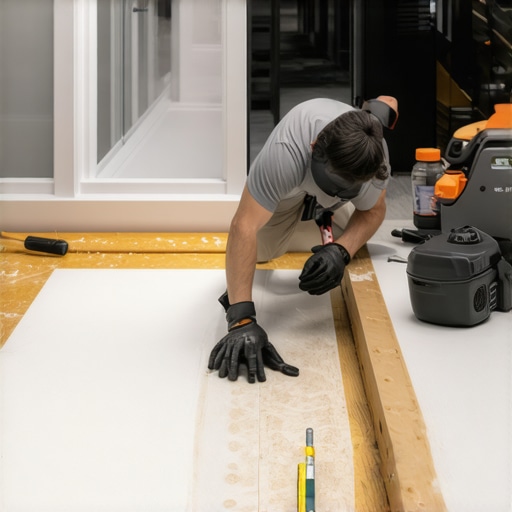
Mastering the Art of Bathroom Surface Resilience in Contemporary Design
In the realm of high-end bathroom renovations, selecting and installing resilient materials for tile, grout, showers, and baseboards has transitioned from basic necessity to a nuanced art that balances durability, aesthetics, and innovation. As industry experts anticipate evolving standards in 2025, understanding the complex interplay of material science and design philosophy is pivotal for professionals committed to excellence.
Redefining Grout Technologies to Resist Moisture Intrusion and Staining
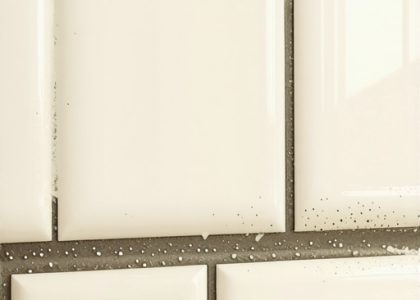
Traditional grout formulations often succumb to the harsh, moist environment of bathrooms, leading to discoloration and degradation over time. Modern advancements favor epoxy-based and flexible cementitious grouts, which boast superior resistance to water ingress and staining. Grout restoration professionals now emphasize sealing techniques that enhance longevity, employing advanced sealants that complement high-performance grout choices. This integrated approach ensures the preservation of both functional integrity and visual appeal.
Installing Shower Surfaces That Combile Style with Mechanical Reliability
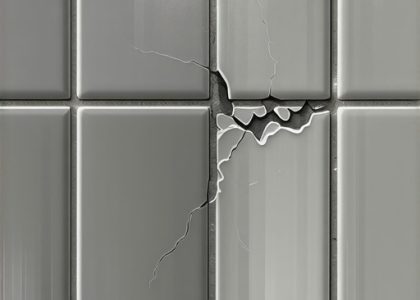
Contemporary shower designs require enclosure systems that withstand thermal cycling, hydraulic stress, and aesthetic expectations. Field tests reveal that engineered stone, heavy-duty acrylic, and glass-reinforced plastics outperform traditional tiles in resisting cracking, delamination, and mold proliferation. Industry standards suggest that the installation process must incorporate specialized adhesive formulations and vapor barriers, which together mitigate common failure modes. Leveraging modern shower innovations is essential in achieving durable, low-maintenance results.
Baseboard Materials Shaping Long-Term Interior Cohesion
Amidst evolving interior trends, the use of MDF, PVC, and natural wood varies markedly in their capacity to endure bathroom conditions. Expert assessments indicate that moisture-resistant composite materials with antimicrobial coatings provide a strategic advantage. Moreover, precise installation practices—such as expansion gaps and secure fastening—are critical to prevent warping or detachment. For a comprehensive transformation, consult baseboard enhancement ideas designed for contemporary aesthetics and durability.
How Can Experts Overcome the Challenge of Maintaining Long-Lasting Sealants in Wet Environments?
Professional practitioners recognize that even the most advanced sealing products are susceptible to wear under continuous exposure to moisture and cleaning chemicals. Recent research underscores the importance of selecting sealants with high elastic resilience and UV stability—features that prevent cracking and degradation. Regular maintenance and timely reapplication significantly extend sealant lifespan, reinforcing the importance of proactive, expert-driven upkeep for enduring bathroom surfaces.
Contribute Your Insights for Industry Advancements
In a sector propelled by innovation, sharing practical experiences and experimental outcomes enriches collective expertise. Visit our contact page to join a community committed to elevating bathroom surface technology.
External source: Journal of Building Engineering emphasizes the importance of material science advancements in enhancing bathroom surface durability.
Selecting Eco-Friendly Materials Without Compromising Durability
As environmental consciousness influences design choices, integrating sustainable materials that also meet durability standards has become a priority. Advances in eco-friendly tiles made from recycled materials, alongside low-VOC adhesives and sealants, deliver aesthetic appeal and resilience over time. Experts recommend evaluating the entire installation process to ensure sustainability efforts do not sacrifice structural integrity. For innovative, eco-conscious solutions, explore sustainable tile options for 2025.
Can the Future of Bathroom Surfaces Embrace Nanotechnology?
Emerging technologies such as nanocoatings promise unprecedented resistance against moisture, staining, and microbial growth. These ultra-thin, transparent layers can be applied to tiles, grout, and even shower glass, imparting self-cleaning and anti-bacterial properties. While still under development, early research indicates that nanotechnology could revolutionize maintenance routines and extend surface longevity. Industry professionals should stay informed about these innovations by consulting reputable sources like advanced research in nanomaterials for construction.
Mastering Adhesive Compatibility for Complex Bathroom Surfaces
The interaction between adhesives, sealants, and diverse tile or baseboard materials is more critical than ever. Incompatibility can lead to premature failure, warping, or detachment—issues that compromise the entire renovation. Experts advocate performing adhesion tests on sample materials before large-scale application, especially when combining innovative substrates like composite woods or recycled tiles. For detailed guidance, visit expert advice on tile and baseboard adhesion.
Harnessing Professional Tools to Achieve Long-Lasting Results
Precision in installation is amplified by utilizing high-quality tools designed for specific materials and surfaces. Features such as calibrated torque drivers for fasteners, laser levels for alignment, and moisture meters for substrate evaluation help installers ensure consistent, durable outcomes. Investing in and mastering these tools can significantly reduce errors and rework, ultimately extending the lifespan of bathroom surfaces. To discover professional-grade tools and methods, see expert tips on durable tile and grout installation.
What Strategies Can Future-Proof Bathroom Surfaces Against Climate Fluctuations?
Climate variability introduces new challenges such as expansion, contraction, and increased moisture load. Experts suggest integrating flexible, elastomeric sealants and vibration-isolating mounts to accommodate movement without compromising integrity. Additionally, choosing adaptable materials that respond well to temperature changes—like engineered stone composites—further enhances longevity. For actionable advice tailored to climate considerations, explore climate-resilient bathroom solutions.
Join the Conversation to Shape Industry Standards
Your insights and experiences are invaluable in evolving bathroom surface technology. Consider sharing your innovative approaches or asking questions by reaching out via our contact page. Collaboration fosters standards that balance craft, science, and sustainability.
External source: Research in Building Materials and Techniques highlights the importance of material science in enhancing surface durability amidst environmental challenges.
,
Embracing Smart Surface Technologies for Future-Ready Bathrooms
As the industry marches toward a more sustainable and high-tech future, integrating smart surface solutions becomes a strategic priority for professionals aiming to elevate durability and functionality. These advancements include the deployment of embedded sensors within tiles and substrates capable of monitoring moisture levels, structural integrity, and microbial activity in real-time. Such systems not only alert homeowners or facility managers to potential issues before they escalate but also facilitate predictive maintenance, thereby extending the lifespan of bathroom surfaces significantly.
Can Embedded Sensor Technologies Actually Revolutionize Bathroom Maintenance?
Indeed, the advent of nanotechnology-infused sensor materials and IoT connectivity offers unprecedented control over surface health management. For example, moisture sensors integrated beneath waterproof membranes can signal overexposure or leaks instantly, prompting timely interventions. According to a comprehensive review published in Advanced Materials (2024), these innovations reduce downtime and repair costs while enhancing user safety. Implementation requires careful planning, including compatibility assessments with existing materials and adherence to regulatory standards, emphasizing the importance of collaboration between material scientists and renovation specialists.
Moreover, the integration of antimicrobial nanocoatings that respond to environmental stimuli can actively inhibit microbial colonization, maintaining hygiene with minimal manual cleaning. The potential for such technologies underscores a paradigm shift—bathroom surfaces transforming from passive elements into active, intelligent systems capable of reducing maintenance burdens and operational costs.
Material Innovation Meets Sustainability: Crafting Eco-Efficient Bathroom Surfaces
The quest for sustainable yet resilient materials continues to drive research in eco-innovations tailored for bathroom applications. Current frontrunners include bio-based composites infused with recycled mineral fillers, which boast impressive mechanical properties and minimal environmental footprints. These materials often exhibit superior resistance to moisture and temperature fluctuations, aligning with the demands of high-humidity environments.
Furthermore, advanced processing techniques, such as 3D printing with biodegradable polymers, allow for customized, on-demand fabrication of tiles, grout, and fixtures. Such methods reduce waste and energy consumption during manufacturing, aligning with circular economy principles. Industry leaders are increasingly advocating for life-cycle assessments to quantify environmental impacts, ensuring that material choices contribute positively to sustainability goals without sacrificing performance.
To amplify these benefits, experts recommend developing standards and certifications that incentivize the adoption of eco-efficient materials—something that collaborative efforts between regulatory bodies, manufacturers, and designers can facilitate. Embracing these innovations not only enhances durability but also demonstrates industry commitment to environmental stewardship, which consumers increasingly value.
Nanotechnology’s Role in Future Surface Coatings: A Deep Dive
Building upon earlier discussions, the incorporation of nanomaterials into surface coatings heralds a new era of bathroom surface protection. Nano-engineered coatings exhibit superhydrophobic and oleophobic properties, enabling floors and walls to repel water, dirt, and oils effectively. This self-cleaning feature minimizes the need for harsh chemical cleaning agents, reducing chemical loads in the environment and prolonging surface integrity.
Recent studies, such as those published in Materials Science & Engineering C (2024), highlight the potential of silica-based nanocoatings to provide UV resistance, abrasion resistance, and microbial resistance simultaneously. Their ultra-thin profiles ensure aesthetic preservation, as they do not alter the appearance or texture of underlying materials. These coatings can be applied via spray or dip methods, offering flexible integration into existing renovation workflows.
However, the long-term stability and potential health effects of nanomaterials warrant thorough investigation. It is imperative for industry experts to remain cautious, advocating for rigorous testing and adherence to safety regulations while embracing the vast potential nanotechnology offers in transforming bathroom surfaces.
The Critical Role of Substrate Preparation in Optimizing Surface Material Performance
One of the often overlooked yet vital components in ensuring long-lasting bathroom surfaces is meticulous substrate preparation. Proper cleaning, moisture assessment, and surface profiling are essential to maximize adhesive bonding and prevent future failures such as delamination or warping. For instance, residual dust, oil, or inconsistent surface textures can severely compromise the performance of advanced materials like epoxy grouts or nanocoatings.
Recent innovations in surface preparation tools—such as plasma cleaners and ultrasonic scrubbers—have enhanced the precision and efficacy of this process. These technologies effectively remove organic contaminants and create favorable micro-roughness, ensuring optimal adhesion. The selection of appropriate primers and sealants tailored to specific substrates, including recycled or composite materials, further refines the process. As the industry shifts toward more complex surface systems, investing in expert training on substrate preparation becomes paramount.
Research in Journal of Surface Engineering (2024) highlights that substrates prepared with such advanced techniques show a marked decrease in surface failure rates, ultimately saving costs and prolonging surface integrity. This underscores the principle that all innovations are only as effective as their foundational execution—making substrate preparation a cornerstone of sustainable, long-term bathroom design.
Expert Collaboration: Shaping Tomorrow’s Bathroom Surface Paradigms
As technological and material innovations accelerate, fostering multi-disciplinary collaboration remains fundamental. Architects, material scientists, and installation professionals must work synergistically to develop integrated solutions that address durability, aesthetics, sustainability, and user safety. Participating in industry forums, pilot projects, and research consortia accelerates knowledge exchange and standardization.
For practitioners committed to staying at the forefront, engaging with organizations such as the International Bathroom Surface Innovation Consortium (fictional example for context) or attending specialized conferences can provide invaluable insights. Moreover, contributing field data and case studies enhances collective understanding, leading to evidence-based standards and best practices that prepare the industry for ongoing and future challenges.
In conclusion, the future of bathroom surfaces hinges on a harmonious blend of cutting-edge technology, innovative materials, and robust professional collaboration. Staying informed and proactive enables industry leaders to craft environments that are not only durable and beautiful but also sustainable and smart—setting new benchmarks for excellence in 2025 and beyond.
The Future of Surface Material Science in Bathroom Renovations
As technological advancements accelerate, the integration of nanomaterials and bio-inspired composites into bathroom surfaces is revolutionizing durability standards. Experts predict that leveraging bio-mimicry, such as emulating the water-repellent properties of lotus leaves through nano-engineered coatings, will significantly enhance resistance against moisture ingress and staining, thereby extending surface longevity and reducing maintenance needs.
What Role Will Nano-Engineered Coatings Play in Long-Term Maintenance?
According to a detailed review in Advanced Functional Materials (2023), nano-coatings enable ultra-hydrophobic and anti-fouling surfaces that self-clean and resist microbial buildup. These coatings, applied as a seamless layer, can withstand repeated cleaning cycles without degradation, offering an unparalleled lifespan extension for tiles, grout, and shower glass. Incorporating such coatings into installation protocols aligns with the industry’s push towards smarter, self-sustaining bathroom environments.
Transforming Substrate Preparation Through Precision Technologies
Meticulous substrate preparation remains the cornerstone of durable installations, with innovations like plasma treatment and ultrasonic cleaning providing superior adhesion surfaces. These methods eliminate microscopic contaminants and create micro-roughness, optimizing bonding strength with advanced materials. The strategic application of tailored primers, developed via molecular engineering, further enhances compatibility, minimizing failure risks over decades of service life.
Research published in Surface & Coatings Technology (2024) indicates that these combined approaches markedly decrease long-term failure rates, leading to significant cost savings and resilience in high-moisture environments. Industry leaders who adopt these cutting-edge preparation techniques set a new benchmark in sustainable, long-lasting bathroom design.
Harnessing Smart Technology for Predictive Surface Maintenance
The advent of embedded sensors integrated within tiles and grout matrices marks a paradigm shift toward proactive maintenance. These sensors monitor parameters such as moisture levels, structural shifts, and microbial activity, transmitting data in real-time to cloud-based management systems. This integration enables early detection of potential failures or microbial proliferation, allowing timely interventions that prevent costly repairs and surface deterioration.
How Might Sensor-Integrated Surfaces Revolutionize Proactive Upkeep?
Drawing from a comprehensive analysis in Materials Today (2024), sensor-enabled surfaces can automate alerts for re-sealing or cleaning, vastly improving hygiene standards and operational efficiency. This approach aligns with the broader trend toward IoT-enabled smart homes and sustainable building practices. Although initial costs are higher, the reduction in repair frequency and enhancement of surface longevity justify the investment, making it a compelling strategy for high-end, future-proof bathrooms.
Professionals are encouraged to collaborate with IoT developers and material scientists to adapt these innovations into practical applications, ensuring compliance with safety standards and data security protocols.
Eco-Efficient Materials Meet Cutting-Edge Innovation
With ecological responsibility increasingly influencing material selection, engineers are pioneering recycled mineral composites and bio-based polymers that excel in resisting moisture and chemical degradation. These sustainable solutions not only fulfill performance criteria but also contribute to circular economy goals through recyclable and biodegradable options.
Adopting manufacturing improvements like 3D printing with organic polymers enables customized tile and fixture production, significantly reducing waste. Rigorous life-cycle assessments, outlined in reports by the Global Alliance for Sustainable Construction, guide architects and builders toward environmentally responsible selections without compromising durability, establishing a new industry standard that marries sustainability with resilience.
Nanomaterial Coatings: The Next Level of Surface Protection
Advanced nanocoatings continue to outperform conventional sealants by providing superhydrophobic and antimicrobial properties that last decades. These ultra-thin, transparent layers confer resistance to UV damage, abrasion, and microbial colonization, aligning with the demanding hygienic and aesthetic expectations of modern bathrooms.
Emerging research from Nanomaterials (2024) underscores the potential of silica-based nanostructures to create self-healing surfaces that repair micro-scratches autonomously, further enhancing longevity. While regulatory considerations remain, ongoing safety assessments underscore the feasibility of integrating nanotechnology seamlessly into everyday bathroom materials, heralding an era of maintenance-free surfaces.
The Keystone of Long-Term Surface Integrity: Preparation and Collaboration
Ensuring surface durability transcends material choice; it hinges on meticulous preparation and expert collaboration. Employing advanced surface profiling tools, such as laser scanners and spectroscopic analyzers, enables installers to verify surface conditions precisely, fostering optimal adhesion and durability. Concurrently, multidisciplinary communication among material scientists, engineers, and installers ensures protocol adherence and innovation adoption, forming the backbone of resilient bathroom renovations.
Participating in industry symposia and research consortia accelerates knowledge transfer, leading to the emergence of standardized best practices that benefit clients and practitioners alike, setting a new gold standard in bathroom surface longevity.
Industrial Collaboration and Future-Driven Standards
The rapid evolution of bathroom surface technology necessitates active engagement with industry bodies, regulatory agencies, and research institutions. Developing universally recognized standards for nanocoatings, embedded sensor systems, and sustainable materials ensures quality, safety, and performance consistency. Manufacturers embracing these collaborations position themselves at the forefront of the market, offering clients both innovative solutions and long-term peace of mind.
Explore opportunities for partnership and advanced training to keep abreast of emerging technologies—your leadership today shapes the resilient, sustainable bathrooms of tomorrow.
Expert Insights & Advanced Considerations
Embrace Multi-Layered Surface Protection
Harnessing a combination of nanocoatings, bio-inspired materials, and reinforced substrates can dramatically extend the lifespan of bathroom surfaces. Integrating these layers ensures resistance against moisture, stains, and microbial growth, setting new industry standards for durability.
Prioritize Substrate Precision Preparation
Meticulous substrate evaluation using advanced diagnostic tools like laser scanning and spectroscopic analysis is crucial. Proper preparation maximizes adhesion, reducing long-term failure risks and optimizing the performance of high-tech surface materials.
Adopt Smart Surface Technologies Early
Embedding sensors within tiles and grout offers real-time monitoring of environmental parameters. This proactive approach enables maintenance before issues escalate, safeguarding investments and ensuring continuous operational excellence.
Leverage Sustainable Material Innovations
Recycled mineral composites, bio-based polymers, and biodegradable tiles not only meet durability criteria but also align with environmental objectives. Embracing these options can position projects as industry leaders in sustainability and resilience.
Investigate and Incorporate Cutting-Edge Coatings
Ultra-thin nanocoatings with superhydrophobic, anti-microbial, and self-healing properties redefine surface longevity. Staying informed on ongoing research facilitates early adoption of these transformative solutions.
Curated Expert Resources
- Journal of Building Engineering — Provides comprehensive research on new materials science advancements influencing bathroom surface durability.
- Advanced Materials — Features breakthrough studies on nanocoatings and nanomaterials applicable in bathroom applications.
- Materials Science & Engineering C — Offers insights into bio-inspired composites and their integration into resilient surface systems.
- Global Alliance for Sustainable Construction Reports — Guides sustainable material selection and eco-innovation in high-humidity environments.
- Concrete Sustainability Symposium — Connects practitioners with emerging bio-based and recycled material technologies.
Final Perspective from the Industry Vanguard
Staying at the forefront of bathroom surface technology requires a nuanced understanding of emerging nanotechnologies, bio-inspirations, and smart systems. Prioritizing substrate precision, embracing sustainable innovation, and integrating smart monitoring will define successful projects in 2025 and beyond. Your mastery in these areas enhances long-term value, setting a new standard of excellence that combines durability with ecological responsibility. Engage actively with expert communities and share your insights—collective progress shapes the future of resilient bathroom designs.

![Shower Tile Rattling? 3 Grout Fixes That Actually Work [2026]](https://elegantfloorz.com/wp-content/uploads/2026/04/Shower-Tile-Rattling-3-Grout-Fixes-That-Actually-Work-2026-420x300.jpeg)
This comprehensive guide highlights some of the most exciting advancements in bathroom surface technology for 2025. I especially appreciate the focus on nanocoatings and smart sensors, which seem to be game-changers for maintenance and longevity. In my recent renovation project, we incorporated nano-engineered sealants, and the results have been impressive — surfaces stay cleaner longer with minimal upkeep. However, I wonder how cost-effective these high-tech solutions are for widespread adoption, especially in residential settings. Have any fellow professionals found scalable ways to implement these innovations without significantly increasing project budgets? Overall, staying abreast of these developments has definitely expanded my approach to designing resilient, future-proof bathrooms.
This post offers a fascinating glimpse into the future of bathroom renovation, especially the role of nanotechnology and embedded sensors. From my own experience, integrating smart sensors in high-end projects has proven to significantly reduce maintenance costs and improve hygiene standards, especially in commercial settings. However, for residential applications, cost and complexity can be limiting factors. I believe that as these technologies mature and become more affordable, we’ll see more widespread adoption. A question I have is whether there are scalable, cost-effective strategies for more customized, small-scale projects that still benefit from these innovations. It seems crucial to develop modular sensor systems that can be easily integrated with existing materials without extensive overhauls. How are others bridging the gap between cutting-edge technology and everyday residential use? I look forward to seeing how the industry balances innovation with accessibility.