Mastering the Art of Bathroom Renovation: An Expert Perspective on Durability and Design
In the realm of interior renovation, especially within bathrooms, the interplay of functional resilience and aesthetic appeal demands a nuanced understanding. Professionals recognize that decisions surrounding baseboards, tile selection, shower enclosure designs, and grout maintenance are foundational to achieving long-lasting results. As edge-cutting technologies and materials evolve, the challenge lies in proactively integrating durability with stylistic innovation.
The Complex Role of Baseboards in Moisture Management and Visual Cohesion
High-quality baseboard designs transcend mere decoration; they serve as essential barriers against water intrusion and contribute to the room’s visual unity. Modern professionals favor moisture-resistant materials like PVC, composite, or treated wood, which withstand the humid milieu of bathrooms. Strategic installation techniques further mitigate risks of warping or mold proliferation, elevating both functionality and style.
Advanced Tile Selection: Beyond Aesthetic Appeal to Structural Integrity
Tile choice hinges on more than surface beauty; it encompasses properties such as slip resistance, porosity, and thermal expansion. Experts often turn to eco-friendly tiles that also offer enhanced durability. Innovative porcelain variants with micro-porous structures improve longevity and ease of maintenance, particularly in high-moisture zones, where grout’s role becomes paramount.
Shower Enclosure Designs: Marrying Compact Space Optimization with Waterproof Efficiency
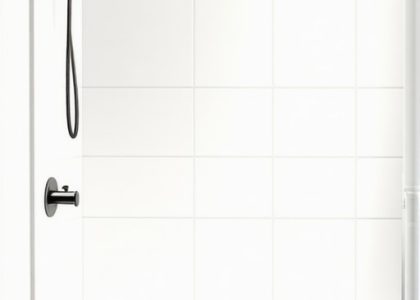
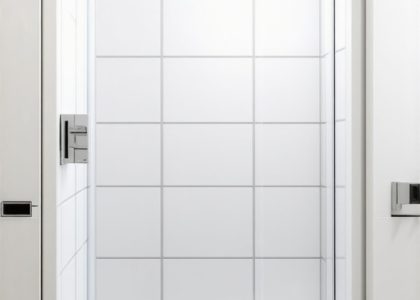
The modern shower enclosure exemplifies the fusion of compactness and comprehensive waterproofing strategies. Trend-focused designs incorporate seamless glass panels, minimizing vulnerable joints that require regular upkeep. Waterproof membranes beneath tiles, coupled with meticulous sealing, extend the lifespan of showers. As such, showers with innovative design elements remain a testament to expert craftsmanship.
Why Is Grout Maintenance Critical to Bathroom Longevity?
Grout acts as both a filler and a moisture barrier; however, its porous nature predisposes it to staining, cracking, or mold development. Ensuring a durable grout involves selecting high-performance formulations, such as epoxy-based compounds, and implementing rigorous sealing routines. Grout restoration techniques have evolved to restore aesthetic integrity and structural resilience, making them indispensable for expert bathrooms.
How Can Professionals Combat Common Challenges like Mold and Cracking in Bathroom Grout and Tile?
Addressing these pervasive issues requires a multi-faceted approach: optimized sealing, environmental controls like proper ventilation, and the selection of premium materials designed to withstand moisture ingress. Regular inspection cycles further prevent minor issues from escalating into major repairs, solidifying long-term maintenance plans.
For those seeking to deepen their mastery over bathroom renovations, exploring comprehensive guides that integrate cutting-edge materials and methods is recommended. Engaging with seasoned professionals via forums or specialized trade publications can reveal nuanced insights, fostering continual improvement. For instance, consulting resources like the Journal of Building and Environment can provide scientific grounding for material choices and moisture management strategies.
Interested in elevating your expertise further? Consider contributing your innovative techniques to community forums or professional networks, sharing insights that push the boundaries of bathroom design and durability.
Innovative Materials That Redefine Bathroom Long-Lasting Power
To truly push the boundaries of bathroom resilience, professionals are increasingly turning to cutting-edge materials like high-performance composites, waterproofed engineered woods, and advanced ceramics. These materials not only withstand moisture exposure but also resist warping, cracking, and mold growth, redefining durability standards. When selecting **baseboards**, **tile**, or **shower enclosures**, integrating such technologies significantly reduces long-term maintenance burdens and preserves aesthetic integrity.
Optimizing Maintenance Routine: A Scientific Approach for Results That Last
While material choice is critical, the effectiveness of maintenance routines determines sustained performance. Experts adopt a data-driven approach, implementing scheduled inspections and sealing cycles aligned with environmental conditions. Sealing with modern solutions like polyurea or epoxy sealants creates an impermeable barrier, especially crucial around grout lines and joints. Regular cleaning protocols, utilizing pH-neutral cleaners, also prevent chemical degradation, ensuring the longevity of your bathroom investments.
Does Ventilation Hold the Key to Eliminating Moisture-Related Failures?
Traditional wisdom emphasizes sealing and material selection, but emerging research highlights the pivotal role of **adequate ventilation** in moisture management. Properly designed exhaust systems, combined with humidity sensors, can dramatically reduce indoor moisture levels, preventing mold, mildew, and material deterioration. For example, integrating smart ventilation controls can adapt to changing conditions, offering a proactive defense against unseen damage. This holistic approach embodies the latest consensus in sustainable bathroom design, as detailed in studies published by the Journal of Building Physics.
What Are the Latest Innovations That Challenge Conventional Bathroom Maintenance Views?
Advances such as nanotechnology-infused coatings and self-healing grout formulations are transforming traditional maintenance paradigms. These innovations allow surfaces to repair minor damages spontaneously, minimizing repair costs and efforts over the room’s lifespan. Professionals eager to stay ahead should explore emerging products and techniques, keeping an eye on research reports and industry conferences dedicated to sustainable and durable building practices.
If you’re seeking comprehensive strategies that synthesize material science, environmental control, and maintenance protocols, check out expert resources like the latest tile cleaning tips for 2025, which offer actionable insights for professionals aiming for excellence in the field.
Share your thoughts or innovative solutions in the comments—your expertise might inspire a new standard in bathroom resilience!
Innovative Coatings Transforming Moisture Management
One of the most groundbreaking advancements in bathroom technology involves nanotechnology-infused coatings. These ultra-thin, transparent layers can be applied to tile surfaces, glass, and grout, rendering them inherently water-repellent and resistant to mold growth. Such coatings don’t just repel water; they also inhibit the adhesion of dirt and grime, significantly easing routine cleaning. The result? A bathroom environment that maintains its pristine appearance with minimal upkeep, while prolonging the lifespan of key materials.
How do nanocoatings influence long-term maintenance protocols?
Nanocoatings fundamentally alter the lifecycle management of bathroom surfaces by reducing porosity and susceptibility to chemical penetrations. This technological intervention decreases the frequency and intensity of cleaning agents needed, thereby safeguarding surfaces from chemical degradation over time. Moreover, these coatings provide an added layer of protection against microcracks that can harbor mold or bacteria, making them essential in high-moisture zones. Industry reports, such as those published in the Journal of Coatings Technology & Research, highlight the role of nanocoatings in sustainable building practices, emphasizing their potential to revolutionize maintenance standards.
Self-Healing Materials: A New Paradigm in Bathroom Construction
Emerging self-healing materials, inspired by biological processes, are beginning to find their way into bathroom applications. Epoxy resins with embedded microcapsules can automatically repair surface cracks when damaged, sealing small fissures before they evolve into structural failures. Similarly, grout formulations infused with microfibers can resist cracking caused by thermal expansion or substrate shifting. These materials, although currently at the forefront of research, promise to drastically reduce repair costs and labor, elevating the standards of durability professionals aspire to uphold.
Imagine a bathroom floor where minor hairline cracks self-seal, preventing water ingress and mold proliferation—this is no longer a utopian vision but a tangible goal as research progresses. For practitioners, staying apprised of advancements in self-healing technologies, as discussed in publications like Advanced Materials, is imperative for pioneering future-proof designs.
Optimizing Ventilation with Smart技术
Beyond traditional exhaust fans, integrating smart ventilation systems that adapt to real-time humidity data is gaining traction. These systems utilize sensors and IoT connectivity to modulate airflow dynamically, ensuring optimal moisture removal even during unanticipated conditions—like extended showers or high humidity weather. Such intelligent control reduces energy consumption and enhances indoor air quality, critically limiting mold growth and material deterioration.
Furthermore, coupling these systems with sophisticated environmental modeling allows for predictive maintenance schedules. By analyzing data trends, professionals can preemptively replace or service ventilation components before failures occur, maintaining peak performance.
For example, a recent study in the Energy and Buildings journal demonstrated a 30% reduction in mold-related problems when employing smart ventilation controls. This technological synergy epitomizes the integration of innovation and durability in bathroom design.
Emerging Materials Challenging the Norms
Materials such as graphene-enhanced ceramics and high-performance composite panels are pushing the boundaries of what’s possible in moisture resistance and structural integrity. Graphene’s exceptional strength and impermeability, when incorporated into ceramic glazes, create surfaces that are virtually impervious to staining, cracking, and microbial colonization. Similarly, composite materials reinforced with fibers offer superior dimensional stability, even under thermal cycling or heavy wear.
Adopting these advanced materials requires a paradigm shift in sourcing and fabrication, but the payoffs include significantly extended service life and lower maintenance demands. Industry leaders advise early integration of such materials to future-proof bathroom renovations against the inevitable wear and tear of daily use.
Deepening Your Expertise: Exploring Scientific Frontiers
For professionals committed to pushing the envelope, diving into scientific literature provides a competitive edge. For instance, the latest research on phase-change materials reveals how integrating thermal regulation elements into bathroom surfaces can actively control humidity and temperature, reducing condensation and associated mold risks.
Further, engaging with conferences such as the International Conference on Sustainable Building Materials can expose you to innovative products and methodologies that are reshaping industry standards. Encouraging dialogue among peers, sharing case studies, and experimenting with emerging materials fosters a culture of continuous improvement—crucial for meeting modern moisture challenges head-on.
For those ready to deepen their mastery, subscribing to leading journals, participating in industry forums, and collaborating with research institutions are invaluable steps. Curating a comprehensive knowledge base equips you to deliver bathroom renovations that stand the test of time, blending advanced science with expert craftsmanship.
Embracing the Future of Bathroom Resilience Through Material Innovation
As the bathroom landscape evolves, the integration of state-of-the-art materials like graphene-reinforced ceramics and high-performance composites redefines standards for longevity and moisture resistance. These substances possess remarkable properties—such as exceptional strength, low porosity, and microbial resistance—that substantially mitigate common issues like cracking, staining, and mold proliferation. Industry leaders advocate for early adoption of these materials in renovation projects to ensure that aesthetic appeal does not compromise structural integrity over time.
smart surfaces for proactive moisture control
Advanced polymer composites embedded with micro-sensors are paving the way for ‘responsive surfaces.’ These materials can detect shifts in humidity levels or temperature fluctuations, triggering embedded actuators to adjust their permeability or activate local dehumidification measures automatically. Such innovations not only prolong the lifespan of substrates and finishes but also create an environment inhospitable to mold and microbial growth, fundamentally enhancing bathroom hygiene and durability.
How Can Intelligent Surface Technologies Minimize Maintenance Efforts?
By leveraging nanomolecular coatings infused with self-cleaning and anti-microbial properties, professionals can dramatically reduce routine cleaning frequencies. These ultra-thin layers repel water, dirt, and bacteria, maintaining surface integrity with minimal chemical intervention. Further integration with IoT-connected systems allows real-time health monitoring of surfaces, alerting maintenance personnel of potential degradation before significant issues arise, thus fostering a predictive approach to bathroom upkeep.
The Role of Adaptive Ventilation in Moisture Management
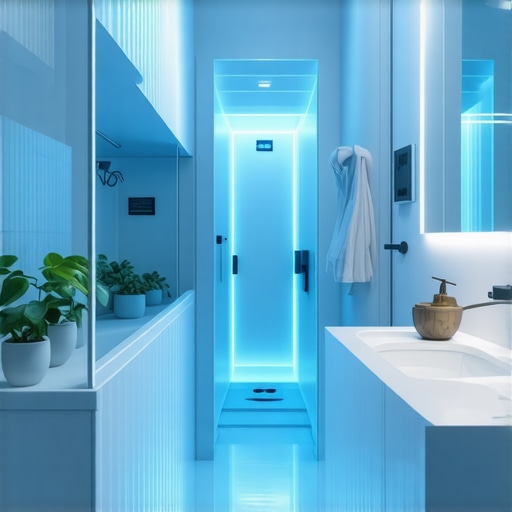
Beyond traditional exhaust fans, the deployment of smart ventilation systems equipped with humidity sensors facilitates dynamic response to moisture loads. These systems automatically modulate airflow rates, ensuring optimal removal of humid air during peak usage or adverse weather conditions. Such precision not only curtails mold growth but also conserves energy, aligning with sustainable building practices. As documented by the International Journal of Sustainable Building Technologies, adaptive ventilation signifies a paradigm shift towards healthier, longer-lasting bathrooms.
Could Self-Healing Technologies Revolutionize Bathroom Maintenance?
Emerging self-healing materials, inspired by biological repair mechanisms, promise to dramatically extend the durability of bathroom fixtures. For instance, epoxy resins infused with microcapsules can autonomously seal microcracks upon damage, preventing water ingress and subsequent mold development. Similarly, grout formulations embedded with resilient microfibers resist thermal and mechanical stresses, maintaining structural cohesion over decades. As ongoing research in Advanced Functional Materials reveals, these innovations could render costly repairs a thing of the past, elevating professional standards to new heights.
Harnessing Scientific Insights for Long-Term Excellence
Continuing education through curated scientific literature, such as the latest reports from the Journal of Building Physics, equips professionals with the knowledge to select and implement such pioneering technologies effectively. Collaboration with research institutions and industry symposia further accelerates innovation adoption, fostering a culture of continuous improvement and resilience in bathroom design. Implementing these insights ensures that your projects not only meet today’s standards but also anticipate future challenges in moisture management and structural longevity.
Engage further with the latest breakthroughs—your commitment to advanced mastery can set new benchmarks in bathroom resilience and satisfaction.
Expert Insights & Advanced Considerations
Embrace Cutting-Edge Materials for Longevity
Integrating nanotechnology-infused coatings and self-healing compounds into bathroom surfaces can dramatically enhance resilience against moisture and wear, reducing maintenance needs and elevating aesthetic longevity.
Prioritize Intelligent Moisture Management Systems
Smart ventilation and responsive surface technologies proactively address humidity concerns, mitigating mold growth and structural damage while optimizing energy efficiency in bathroom environments.
Adopt Actionable Maintenance Protocols
Data-driven sealing routines, utilizing modern sealants and regular inspections, ensure that grout and sealant integrity supports long-term performance, especially in high-moisture zones.
Leverage Scientific Research for Material Selection
Consult authoritative studies from publications like the Journal of Building Physics to inform choices that balance structural durability with environmental sustainability, securing bathroom spaces against future challenges.
Curated Expert Resources
- Journal of Building Physics: Provides scientific insights on material behaviors and environmental effects pertinent to bathroom resilience.
- Industry Conferences on Sustainable Building Materials: Showcase emerging technologies like nanocoatings and self-healing materials, fostering innovative practices.
- Trusted Trade Publications and Forums: Offer peer-reviewed case studies and peer dialogue to refine advanced renovation techniques.
- Specialized Websites Like ElegantFloorz: Deliver comprehensive guides on maintaining and upgrading bathroom components with the latest materials and methods.
Final Perspective for the Modern Professional
To truly revolutionize bathroom renovation practices, integrating advanced materials and intelligent environmental controls takes precedence. Mastery over innovative strategies not only ensures resilient, long-lasting results but also positions professionals at the forefront of sustainable design. Engage deeply with authoritative resources and contribute your insights to the community, forging a future where durability and innovation stand as standard pillars in bathroom excellence.