
Elevate Your Bathroom Renovation with Expert Insights into Long-Lasting Tile and Baseboard Installation
Achieving a durable and aesthetically pleasing bathroom requires a nuanced understanding of materials, techniques, and environmental factors. As seasoned professionals in bathroom renovation, we recognize that the longevity of tile, grout, and baseboards hinges on meticulous planning and execution. This comprehensive guide synthesizes expert knowledge to empower you with strategies that ensure enduring results, from substrate preparation to finishing touches.
Preparing the Foundation: The Bedrock of Lasting Installation
Durability begins with impeccable substrate preparation. This involves assessing moisture levels, ensuring proper leveling, and applying suitable primers to enhance adhesion. Selecting high-quality, moisture-resistant substrates minimizes the risk of future damage, especially in humid environments like bathrooms. For example, using cement backer boards instead of drywall significantly extends the lifespan of your tile installation. For detailed substrate preparation techniques, refer to expert installation tips.
Choosing Optimal Materials for Longevity and Style
Material selection influences not only aesthetics but also resilience. Porcelain tiles with low water absorption rates outperform ceramic tiles in damp conditions. For grout, epoxy-based formulations provide superior resistance to water, stains, and cracking compared to traditional cementitious mixes. When it comes to baseboards, high-density MDF or PVC options offer enhanced moisture resistance, crucial for bathroom environments. Integrating eco-friendly, durable materials aligns with sustainable practices, as highlighted in sustainable tile solutions.
Expert Techniques for Precise, Long-Lasting Installation
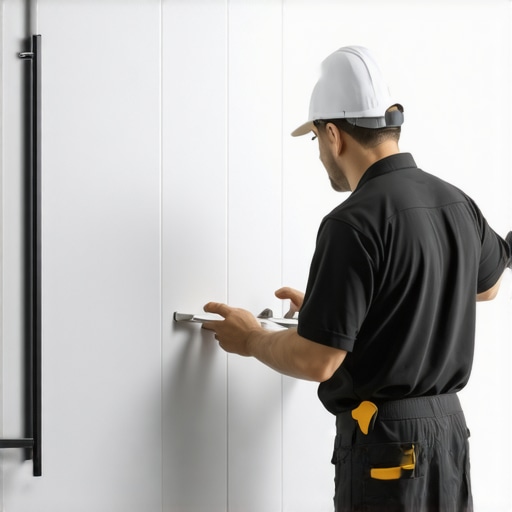
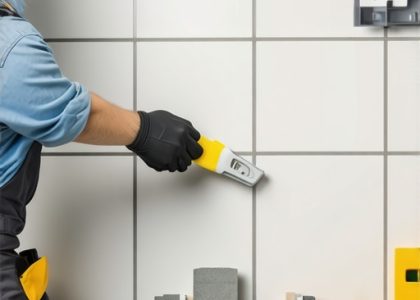
Employing advanced techniques, such as using professional-grade adhesive trowels, ensures uniform application and superior bonding. Proper grout application involves filling joints fully and sealing them with high-quality sealants. Pay particular attention to expansion joints to accommodate substrate movement, preventing cracks. For baseboards, precise cutting and secure anchoring with corrosion-resistant fasteners are essential. Mastering these techniques minimizes future repairs and maintains aesthetic integrity over time.
Maintenance and Restoration: Extending the Life of Your Investment
Routine maintenance, including cleaning with pH-neutral solutions and periodic grout sealing, preserves materials and prevents deterioration. When signs of wear emerge, expert restoration methods, such as grout recoloring and re-sealing, can rejuvenate surfaces without complete overhaul. For in-depth restoration strategies, explore grout restoration secrets.
What are the most effective ways to prevent grout cracking under fluctuating bathroom temperatures?
This complex question addresses thermal expansion and contraction challenges. Experts recommend incorporating flexible sealants, applying proper expansion joints, and using temperature-resistant grout formulations. Consulting with a professional ensures these measures are correctly implemented, safeguarding your installation against environmental stresses.
For comprehensive guidance on high-quality tile and baseboard installation, consider visiting expert tile and grout care tips. Sharing your insights or seeking advice from seasoned contractors can further refine your approach, ensuring a bathroom that endures both in function and style.
Elevate Your Bathroom Durability with Advanced Installation Techniques
While selecting premium materials is crucial, the true test of a durable bathroom lies in the execution of installation. Modern tools and techniques enable precise application, significantly reducing the likelihood of future issues. For instance, employing professional-grade adhesive trowels ensures an even spread of mortar, preventing weak spots that could lead to cracks or detachment over time. When applying grout, sealing expansion joints with high-flexibility sealants like silicone or polyurethane is vital to accommodate substrate movement caused by humidity changes. For comprehensive insights into expert installation practices, visit expert tips on durable installation.
The Role of Climate Control in Extending Material Life
Controlling bathroom humidity and temperature levels is often overlooked but plays a pivotal role in maintaining integrity. Excess moisture accelerates deterioration of grout, baseboards, and tiles, especially if materials aren’t rated for high humidity. Installing quality exhaust fans and ensuring proper ventilation helps maintain optimal conditions. Additionally, applying vapor barriers behind tiles and baseboards prevents moisture ingress, which is a common cause of mold, warping, and grout degradation. According to industry experts, managing environmental factors is equally as important as material choice for longevity. Learn more about sustainable and climate-resilient materials at eco-friendly tile solutions.
Are Standard Installation Methods Enough for Long-Term Durability?
Many homeowners underestimate the importance of meticulous installation, assuming that premium materials alone guarantee longevity. However, even the highest quality tiles or grout can fail prematurely if not installed correctly. Proper surface preparation, including thorough cleaning and priming, is essential before laying down tiles or applying grout. Ensuring accurate measurement and cuts minimizes gaps and uneven surfaces that could crack or trap moisture. Regular inspections and timely repairs are also key. For expert advice on installation standards, review installation techniques. Sharing your experiences and questions in the comments can help foster a community of knowledgeable renovators committed to long-lasting results.
Innovative Approaches to Moisture Management for Long-Lasting Tile and Baseboards
In high-humidity environments like bathrooms, moisture control extends beyond basic ventilation. Advanced vapor barrier systems, such as multi-layered polyethylene sheets combined with proper sealing techniques, create an impermeable shield that significantly reduces water ingress. Integrating these barriers with strategic insulation further enhances thermal stability, minimizing condensation risks. Experts recommend employing moisture-mitigating paints or sealants on surrounding surfaces to protect against residual humidity. For a comprehensive guide on moisture management strategies, consult industry standards outlined by the Tile Council of North America’s moisture control guidelines.
Leveraging Cutting-Edge Materials for Superior Durability
Emerging materials like ultra-high-performance concrete (UHPC) and advanced polymer composites are revolutionizing bathroom renovation. UHPC, characterized by its exceptional strength and low porosity, resists cracking and moisture penetration even under rigorous conditions. Likewise, innovative polymer-based baseboards, infused with antimicrobial agents, prevent mold and decay while maintaining flexibility to accommodate substrate movement. These materials often come with extended warranties and environmental certifications, reflecting their reliability. For insights into integrating these solutions, review recent case studies published by leading manufacturers such as CEMEX UHPC products.
Why are epoxy grouts increasingly favored over traditional cementitious options in high-moisture zones?
Epoxy grouts offer superior imperviousness to water, stain resistance, and chemical durability, making them ideal for bathrooms exposed to frequent moisture fluctuations. Their chemical bonding properties result in fewer cracks and less susceptibility to efflorescence compared to traditional grouts. Additionally, epoxy formulations are less prone to discoloration over time, ensuring a pristine appearance. However, their application requires specialized skills and tools, which underscores the importance of professional installation for optimal performance. For a detailed comparison, see the technical analyses by Industry expert grout reviews.
Precision Techniques to Elevate Installation Standards and Prevent Failures
Incorporating robotic-assisted measurement tools and laser-guided cutting equipment elevates the precision of tile and baseboard placement. These technological advancements reduce human error, ensuring alignment and levelness that withstand structural shifts. Moreover, applying a double-layer adhesive system—using a primer followed by a high-quality mortar—creates a more resilient bond. For expansion joints, employing flexible, high-modulus sealants that accommodate movement without cracking is essential. Regular calibration of tools and adherence to manufacturer specifications are critical best practices. To explore the latest in installation technology, visit industry-leading resources.
Adaptive Environmental Control to Sustain Material Integrity
Emerging climate control technologies, such as smart ventilation systems integrated with humidity sensors, proactively maintain optimal conditions. These systems automatically adjust exhaust fan operation based on real-time moisture levels, preventing excess humidity before damage occurs. Additionally, integrating dehumidifiers with advanced filtration reduces airborne mold spores and airborne pollutants, further protecting substrates. Utilizing IoT-enabled sensors linked to home automation platforms allows homeowners to monitor and react to environmental fluctuations instantly. According to recent studies by the Department of Energy, such proactive systems substantially extend the lifespan of bathroom finishes and structural components.
Can Modern Installation Techniques Outperform Traditional Methods in Longevity?
While traditional techniques have served well, integrating modern technology and materials offers tangible benefits in durability and efficiency. For instance, laser-guided leveling and robotic cutting ensure perfect fitment, reducing stress points that lead to cracks and detachment. Furthermore, employing environmentally responsive materials that adapt to temperature changes diminishes the risk of expansion-related failures. Combining these innovations with meticulous substrate preparation and environmental management creates a comprehensive approach that surpasses conventional standards. To deepen your understanding, explore technical workshops offered by professional associations such as the National Tile Contractors Association and industry certification programs.
Enhancing Durability with Innovative Substrate Solutions
Beyond traditional cement boards, advanced composite substrates like fiber-reinforced polymer panels provide exceptional resistance to moisture and cracking. These materials, when combined with proper preparatory techniques, significantly extend the lifespan of bathroom finishes. Proper surface assessment and the application of vapor-proof membranes under tiles can thwart water ingress, preventing substrate deterioration. For detailed guidance, consult industry standards from the World Tile Organization.
Superior Material Choices for Extreme Environments
Modern materials such as nano-ceramic tiles with self-healing properties offer unparalleled resilience against daily wear and tear. High-performance sealants like silicone-based or hybrid polymer formulations improve joint longevity, accommodating thermal expansion and contraction. Replacing traditional MDF baseboards with extruded PVC or composite options enhances moisture resistance, reducing warp and mold growth. Integrating these advanced materials aligns with sustainable practices and future-proofing your renovation.
Precision Installation Techniques That Defy Time
Employing digital leveling tools and laser-guided measurement devices ensures perfect alignment, minimizing stress points that lead to cracks. Adhesive application with high-viscosity, quick-setting mortars guarantees strong bonding even in challenging conditions. Incorporating expansion joints filled with flexible sealants at strategic locations allows movement without compromising integrity. Regular calibration of tools and adherence to manufacturer instructions are vital for achieving professional-grade results.
Smart Environmental Controls for Unmatched Longevity
Advanced climate management systems incorporating IoT sensors monitor humidity and temperature in real-time, automatically adjusting ventilation and dehumidification settings. These proactive measures prevent moisture accumulation that accelerates grout and material deterioration. Installing vapor barriers with high permeability ratings, combined with continuous environmental monitoring, creates a resilient environment that preserves your investment. For comprehensive solutions, explore guidelines from the Environmental Protection Agency.
Are Modern Techniques Outperforming Traditional Methods in Longevity?
Emerging installation technologies such as robotic tile placement and AI-driven measurement systems are redefining standards, yielding more uniform and durable results. These innovations reduce human error and enable precise substrate preparation, fostering resilient structures. Combining these with eco-friendly, adaptive materials that respond to environmental stimuli results in installations that stand the test of time. To stay ahead, consider participating in specialized training programs offered by organizations like the National Tile Contractors Association.
Harnessing Cutting-Edge Moisture Management for Superior Results
Implementing multi-layer vapor barriers with advanced sealants and moisture-wicking substrates creates a formidable defense against water ingress. Integrating smart ventilation systems with humidity sensors ensures optimal indoor conditions, reducing mold and decay risks. Employing thermally insulated backing materials minimizes condensation-related issues, especially in poorly ventilated spaces. For authoritative insights, review the comprehensive standards published by the Mapei Institute.
Emerging Materials That Set New Industry Benchmarks
Ultra-high-performance concretes (UHPC) and antimicrobial-infused polymer composites are revolutionizing bathroom renovation. UHPC’s low porosity and exceptional strength resist cracking and water penetration, while innovative polymers with embedded antimicrobial agents prevent biofilm formation. These materials often feature extended warranties and environmental certifications, reflecting their reliability. Exploring recent case studies from manufacturers like CEMEX showcases their potential applications.
Why is epoxy grout gaining popularity over traditional cementitious options in high-moisture zones?
Epoxy grout offers unmatched imperviousness to water, stains, and chemical exposure, making it ideal for bathrooms with fluctuating humidity. Its chemical adhesion results in fewer cracks and efflorescence issues, maintaining aesthetic appeal longer. Although application may require specialized skills, professional installation ensures maximum durability. For a detailed comparison, see technical reviews from Industry Experts.
Innovative Installation Practices That Elevate Standards
Utilizing laser-guided cutting tools and robotic placement systems enhances precision, resulting in seamless surfaces capable of withstanding environmental stresses. Double-layer adhesive systems and high-modulus sealants at expansion joints accommodate movement, preventing future failures. Regular calibration and adherence to industry best practices are essential to realize these benefits. For the latest in installation technology, visit Tile Council of North America.
Strategic Material Selection Enhances Longevity
Choosing high-performance, moisture-resistant materials such as porcelain tiles and polymer-based baseboards is essential for long-lasting bathroom finishes. Experts recommend epoxy grouts for superior water resistance and durability, especially in high-humidity zones, ensuring your investment withstands the test of time.
Precision Installation Techniques Make a Difference
Utilizing advanced tools like laser-guided cutters and robotic placement systems minimizes human error, resulting in impeccable alignment and adhesion. Proper substrate preparation, including vapor barriers and surface priming, lays a solid foundation that prevents future issues such as cracking or detachment.
Environmental Control as a Durability Booster
Implementing smart ventilation and humidity sensors maintains optimal environmental conditions, reducing moisture-related deterioration. Incorporating vapor barriers and insulated backing materials further shields your bathroom surfaces against mold, warping, and grout degradation.
Regular Maintenance Extends Material Life
Routine cleaning with pH-neutral solutions and periodic grout sealing preserve the integrity of tiles and grout. Prompt repairs of cracks or damages prevent minor issues from escalating into costly replacements, preserving the aesthetic and structural integrity.
Innovative Materials Push Boundaries of Durability
Emerging materials like ultra-high-performance concrete and antimicrobial polymer composites offer exceptional resilience. These advanced options provide enhanced resistance to cracking, moisture ingress, and microbial growth, making them ideal for high-demand bathroom environments.
Expert Resources for Deeper Knowledge
- Mapei Institute: Offers comprehensive guidelines on moisture management and innovative materials.
- Tile Council of North America: Provides standards and best practices for moisture barriers and environmental controls.
- National Tile Contractors Association: Facilitates professional training on cutting-edge installation techniques.
- CEMEX: Showcases case studies on ultra-high-performance concrete applications.
Final Perspective from a Design and Durability Expert
Achieving durable bathroom finishes requires a blend of expert material choices, precise installation, and proactive environmental management. The integration of innovative materials with advanced techniques ensures your renovation stands resilient against time and moisture challenges. For those committed to excellence, engaging with specialized resources and professional guidance is the key to long-term success. Share your insights or explore further by consulting trusted industry sources, and elevate your bathroom renovation to a new standard of durability and style.

This article offers some fantastic insights into the importance of proper substrate preparation and choosing durable materials for long-lasting bathroom renovations. I especially agree with the emphasis on moisture-resistant backer boards and epoxy grout—they’re game changers in damp environments. I remember a project where we installed porcelain tiles with high-performance sealants, and it made a noticeable difference over several years. What I find most challenging sometimes is managing environmental factors like humidity fluctuations, which can impact the longevity of even the best installations. Having effective climate control solutions, like smart ventilation systems, seems crucial, but I wonder how homeowners can balance cost and efficiency when implementing these advanced environmental controls. Do you think the long-term savings justify investing in the latest technology, or are there more affordable options that still offer reliable protection? Would love to hear others’ experiences or suggestions on maintaining optimal moisture levels without breaking the bank.