The Renaissance of Mosaic Grids in Contemporary Bathroom Design
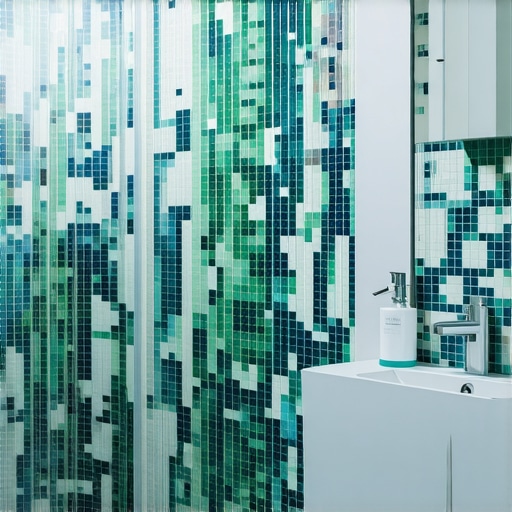
The bathroom, historically a utilitarian space, has transformed into a canvas for artistic expression and advanced material integration. A seismic shift is underway, emphasizing the revival of mosaic grids, particularly during the 2026 renovation cycles. This trend underscores a nuanced appreciation for craftsmanship, durability, and aesthetic versatility. Experts recognize that the strategic incorporation of mosaic tiles not only elevates visual appeal but also enhances functional resilience against moisture and wear, especially in dynamic environments like showers and around baseboards.
Why Are Showers in 2026 Favoring Intricate Tile Patterns Over Large Formats?
Traditional large-format tiles have dominated prior decades for their simplicity and ease of installation. However, the current preference tilts towards intricate mosaic grids owing to their adaptability to irregular surfaces and stress distribution. Mosaic tiles’ inherent modularity enables precise stress management, reducing crack propagation around high-movement zones such as shower floors and wall transitions. Moreover, the smaller tile size offers better aesthetic flexibility, facilitating nuanced designs that echo artistic mosaic traditions, while also providing superior slip resistance and grout adhesion—an essential factor given the increased focus on safety and long-term maintenance in modern bathrooms.
The Technical Superiority of Mosaic Grids for Long-Term Moisture Management
Expert analyses emphasize that mosaics’ natural ability to conform to complex geometries yields superior waterproofing outcomes. The dense grout joints offer more comprehensive barriers against water infiltration, reducing the risks of mold and efflorescence common in broad grout lines. Advanced sealants and nano-coatings further amplify these benefits, creating an environment where grout degradation and tile displacement are substantially minimized. As the industry shifts towards sustainable and low-maintenance solutions, evidence-supported benefits from white papers like the Journal of Building Physics affirm mosaic grids as a superior choice for enduring moisture management in showers and around baseboards.
The Interplay Between Tile Material Choices and Grout Technologies
In 2026, the decision matrix for tile and grout selection hinges on synergistic compatibility. Porcelain and glass mosaics, valued for their low porosity, complement innovative grout formulations such as epoxy or hybrid polymer seals. These selections bolster the longevity of the mosaic grid, especially in high-humidity areas where traditional cementitious grout would struggle. Integrating eco-friendly, sustainable tile solutions aligns with broader environmental imperatives, advocating for materials that preserve indoor air quality and reduce ecological footprints. Exploring these choices offers a roadmap for discerning professionals aiming to optimize both aesthetic appeal and functional resilience.
Do Expert Installations Justify the Cultural and Material Investment?
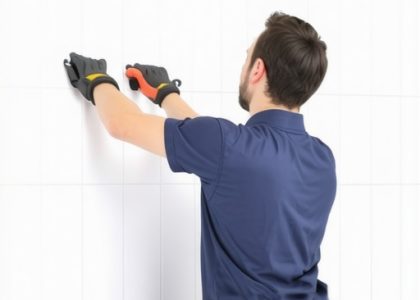
Professional craftsmanship remains paramount, particularly in the installation of complex mosaic grids. Precision in cutting, setting, and grouting directly influences durability and visual harmony. Marginal errors, such as uneven grout joints or improper sealant application, can undermine the benefits and diminish the mosaic’s lifespan. Therefore, skilled artisans and adherence to industry standards ensure that the elegance of mosaic patterns ultimately translates into practical, long-lasting bathroom features. To deepen your understanding, consult resources like expert guides to durable shower baseboards.
How Can I Integrate Advanced Grout Technologies to Enhance My Mosaic Layout?
Optimizing grout performance involves selecting formulations suited for high-moisture environments and employing proper sealing techniques. Nano-sealants and self-healing grout compounds provide dynamic resistance against stains, mold, and cracking, ensuring the mosaic grid remains pristine and structurally sound over decades. Continuous education and collaboration with installation experts can lead to innovative approaches that maximize the aesthetic and functional potential of mosaic patterns in bathrooms.
For more insights into elevating your tile and grout strategies, explore our dedicated tile and grout maintenance guide.
Transform Your Shower with Sustainable and Durable Materials
As bathroom design evolves, the integration of eco-friendly and high-performance materials becomes increasingly vital. Contemporary showers in 2026 favor sustainable tile options such as recycled glass mosaics and composite stone materials, which offer remarkable durability and aesthetic appeal. Pairing these with advanced grout technologies like nano-sealants not only enhances water resistance but also simplifies maintenance, extending the lifespan of your installation. For a comprehensive view on eco-friendly tile choices, visit eco-friendly tile solutions for sustainable homes.
The Significance of Precision in Mosaic Pattern Installation
Expertly crafted mosaic layouts require meticulous attention to detail during installation. Precise cutting of small tiles ensures seamless patterns, while appropriate spacing maintains consistent grout joints essential for optimal waterproofing. Misalignments or uneven grout can lead to water infiltration, mold growth, and pattern distortion over time. Skilled artisans employ specialized tools and techniques to uphold design integrity, ultimately creating a resilient and visually stunning shower environment. To learn about expert installation standards, explore expert guides to durable shower baseboards.
Are Modern Sealing Solutions Ready to Replace Traditional Waterproofing Methods?
Innovations in grout sealants, such as self-healing and nano-technology-based formulations, are transforming moisture barrier strategies in bathrooms. These advanced solutions actively respond to micro-cracks and wear, effectively preventing water ingress and mold development. When combined with proper surface preparation and professional sealing techniques, they can outperform conventional waterproof membranes in both longevity and ease of application. Implementing these technologies requires understanding their specific advantages and limitations, which experts analyze in peer-reviewed studies like those published in the Journal of Building Physics.
If you’re interested in integrating cutting-edge grout technologies into your renovation projects, consider consulting with professionals experienced in these innovations to achieve superior results. For ongoing updates and practical tips, follow our tile and grout maintenance guide.
Beyond Aesthetics: Elevating Structural Integrity with Custom Mosaic Designs
Integrating mosaic patterns isn’t solely about visual appeal; it significantly impacts the structural resilience of bathroom surfaces. By selecting tiles with optimal flexural strength and applying strategic substrate preparations, professionals can mitigate common issues like cracking and delamination. Advanced adhesion techniques, including polymer-modified thinsets and surface priming, enhance bond durability. Thoughtful alignment in intricate patterns distributes stresses evenly, reducing localized failures. This nuanced approach ensures that your mosaic installations are not just art but also robust defenses against the demanding bathroom environment.
Harnessing the Power of Digital Fabrication for Pattern Precision and Personalization
High-definition digital templating technologies have revolutionized mosaic craftsmanship. Through precise laser-cutting and computer-aided design (CAD), artisans can realize complex geometries with pixel-perfect accuracy, accommodating custom motifs and bespoke layouts. Incorporating these tools minimizes wastage and enhances pattern fidelity, especially in irregular or curved surfaces. Moreover, integrating digital fabrication with BIM (Building Information Modeling) workflows allows seamless coordination between design intent and on-site execution, ensuring that intricate mosaics align perfectly with plumbing fixtures, lighting, and architectural features. This marriage of tradition and innovation charts a new course for tailored luxury bathrooms.
The Nuanced Question: How Do You Balance Traditional Artistic Elements with Modern Functional Requirements in Mosaic Design?
Achieving harmony between artistic expression and function is a common challenge among high-end bathroom designers. Historically, mosaics served purely decorative purposes, but contemporary needs demand enhanced durability, slip resistance, and moisture management. To reconcile these, designers employ layered strategies: selecting high-performance tile substrates that support delicate artistic details, utilizing grout formulations that combine aesthetic translucency with water resistance, and integrating functional layering such as waterproof membranes beneath decorative mosaics. Furthermore, embracing multi-dimensional tiles—combining textures and finishes—can maximize tactile safety without compromising artistic intent. Recognizing that each project has unique demands, it’s essential to develop bespoke solutions that uphold both beauty and resilience, guided by empirical research like ASTM standards on slip resistance and moisture barriers.
Why Expert Knowledge Transforms Mosaic Installations from Good to Iconic
While advanced materials and technologies set the stage, proficiency in execution determines the ultimate success of mosaic applications. Skilled installers understand the subtleties of tile cutting, such as achieving clean edges in small format pieces, and mastery in grouting techniques that prevent staining and ensure long-term pattern integrity. Attention to environmental conditions during installation—temperature, humidity, surface flatness—can profoundly influence outcomes. Engage with professional associations like the Tile Council of North America (TCNA), which provides comprehensive installation standards and best practices rooted in empirical research and field experience. Perfecting these skills transforms a mosaic from a mere pattern into a timeless architectural statement, elevating the overall value and appeal of bathroom renovations.
How Can Integrating Smart Moisture Management Technologies Revolutionize Mosaic Bathroom Environments?
Emerging innovations in smart moisture sensors and adaptive sealing materials are setting new benchmarks in bathroom hygiene and longevity. Embedded sensors can monitor moisture levels in real-time, alerting homeowners or maintenance teams before issues escalate—preventing mold proliferation and structural damage. When coupled with self-healing grout and nano-coatings capable of dynamically responding to microcracks, these technologies extend the lifespan of mosaic installations significantly. Integrating such systems requires thoughtful planning—considering power sources, data management, and compatibility with existing building systems. As authoritative studies in Building and Environment journals suggest, adopting these integrated moisture management solutions yields compelling benefits in durability, health, and user convenience, offering a holistic upgrade to the traditional mosaic paradigm.
For those eager to pioneer these advancements, collaborating with specialists in building science and smart technology integration can unlock new levels of bathroom performance. To stay ahead in this evolving landscape, subscribe to industry-leading publications and expert forums dedicated to sustainable, high-performance bathroom design innovations.
Why Foresight Is Essential When Selecting Tiles for Sophisticated Bathroom Designs
In 2026, discerning professionals recognize that the choice of mosaic materials extends beyond aesthetics to include considerations of environmental sustainability, structural compatibility, and technological integration. High-performance porcelain and reinforced glass mosaics are increasingly favored for their low porosity and resilience, aligning with eco-conscious trends and rising moisture control standards. Staying ahead necessitates a thorough understanding of evolving standards such as ASTM C1248 for tile surface durability and LEED v4 certifications that influence material selection, ensuring your installations meet both aesthetic desires and sustainability mandates.
Innovative Layering Techniques to Elevate Waterproofing Efficacy
Moving beyond traditional waterproof membranes, advanced techniques employ multiple barriers—integrating liquid-applied membranes with sealant-infused grout and nano-coatings—to create a unified moisture defense system. This layered approach significantly reduces vapor diffusion and water infiltration, especially in complex mosaic arrangements on curved or recessed surfaces. Industry leaders are now advocating for the use of thermoplastic polyolefin (TPO) overlays combined with polymer-modified thinsets, which together optimize adhesion and flexibility, safeguarding intricate patterns against structural shifts over time.
How Do Eco-Friendly Materials Influence Long-Term Maintenance and Performance?
The adoption of recycled content mosaics, such as repurposed glass shards and stone composites, reflects a strategic shift towards environmentally responsible design. These materials often require specialized adhesive and grout formulations to accommodate their unique surface properties. Expert analysis from the Green Building Council reveals that such eco-conscious choices can enhance indoor air quality by reducing off-gassing, while their inherent durability minimizes turnover and maintenance costs over decades—crucial factors for high-end residential and commercial installations aiming for longevity and minimal ecological impact.
The Integration of Digital Precision in Custom Mosaic Arrangements and Their Impact on Quality
Cutting-edge digital fabrication techniques allow for unprecedented customization, enabling exacting pattern replication and intricate geometric mosaics with minimal wastage. CAD/CAM systems facilitate precise templating that accounts for substrate curvature and movement, ensuring pattern integrity during installation. This technological synergy minimizes misalignments and pattern distortions, elevating both the visual quality and structural resilience of bathroom mosaics. Embracing these advancements translates into tangible benefits such as faster install times and consistent artistry regardless of project scale, reinforcing your reputation for excellence.
Expert Techniques for Seamless Pattern Alignment and Structural Integration
Achieving flawless mosaic integration requires meticulous substrate preparation, including leveling with polymer-modified underlayments and moisture-control priming. Employing flexible adhesives capable of accommodating substrate movements prevents pattern cracking and tile delamination. Installation professionals leverage laser-guided leveling tools and dynamic spacers to maintain consistent grout joints, vital for both waterproofing and aesthetic harmony. Attention to these nuanced steps transforms complex mosaics from fragile decor into durable, functional features capable of withstanding the rigors of daily use.
Harnessing Smart Technologies to Elevate Bathroom Hygiene and Longevity
Emerging IoT-enabled moisture sensors and self-healing grout technologies are redefining bathroom maintenance paradigms. Sensors monitor humidity levels continuously, enabling preemptive actions against mold and mildew development. Simultaneously, self-healing grout infused with microcapsules responds to microcracks by releasing healing agents, maintaining waterproof integrity automatically. These innovations, supported by peer-reviewed research in Building and Environment, empower owners and professionals to uphold pristine conditions swiftly, reducing long-term repair costs and enhancing occupant health—cornerstones of contemporary bathroom design excellence.
Can High-End Mosaic Designs Be Both Artistic and Resilient?
Absolutely. The secret lies in selecting high-strength substrates and employing masterful installation techniques that prioritize surface stability and pattern precision. Integration of structural supports beneath delicate mosaics, such as reinforced backings or flexible mesh membranes, can mitigate risks of cracking. Complementing aesthetic choices with advanced sealants and protective coatings ensures longevity without sacrificing artistic expression. This holistic approach guarantees that your artistic visions endure the challenges posed by moisture, temperature fluctuations, and mechanical stresses intrinsic to bathroom environments.
What Role Will Digital Fabrication Play in Personalized Mosaic Masterpieces?
The ascendancy of digital fabrication enables artisans to craft bespoke mosaics tailored to specific spatial characteristics and design themes. Through laser cutting, 3D printing, and CAD adaptation, intricate patterns that once required extensive manual labor now become feasible with precision and efficiency. This technological shift not only expands creative horizons but also ensures consistency and durability—critical factors for high-traffic or commercial bathroom spaces. Mastering these tools empowers designers to translate complex concepts into tangible, structurally sound realities with minimal waste and maximum artistic fidelity.
Is Balancing Artistic Intent with Structural Demands Achievable in Complex Bathroom Mosaics?
Indeed. Success hinges on a comprehensive understanding of material properties, substrate behavior, and environmental factors. Employing flexible adhesives and resilient grout formulations diminishes the impact of thermal expansion and contraction, protecting intricate patterns from deformation. Additionally, developing bespoke support systems—such as embedded mesh reinforcement—facilitates pattern stability and enhances load distribution. Engaging in collaborative planning with structural engineers and material scientists ensures that aesthetic ambitions align seamlessly with functional and durability standards, transforming your mosaic vision into a lasting feature.
How Can Emerging Moisture Management Technologies Revolutionize Bathroom Resilience?
Advancements in smart sealants and moisture-resilient materials are setting new benchmarks. Self-healing grout compounds, activated by micro-cracks, extend service life by automatically restoring waterproof barriers. Embedded humidity sensors linked to automated ventilation or heating controls proactively maintain optimal conditions, preventing mold growth and material degradation. These innovations, supported by research from the International Journal of Environmental Science, are transforming standard bathroom environments into intelligent, adaptive systems—protecting investments and preserving health. Collaborating with specialists in building science and IoT integration is key to leveraging these cutting-edge solutions effectively, securing a future-proof bathroom infrastructure.
Expert Strategies for Modern Mosaic Integration
Implementing intricate mosaic grids requires meticulous planning and advanced techniques. Using digital templating and precision cutting tools ensures pattern accuracy, while selecting high-strength materials improves durability amid moisture challenges. Professionals emphasize the importance of substrate prep and synergistic tile-grout pairings to enhance longevity. Embracing these strategies transforms your bathroom from simple renovation to a showcase of craftsmanship and innovation.
Top Resources for Deepening Your Tile & Grout Knowledge
1. Tile Council of North America (TCNA) offers comprehensive standards and installation guidelines trusted by industry experts. 2. Journal of Building Physics provides peer-reviewed research on moisture management and material performance in wet environments. 3. Green Building Certification Resources highlight sustainable tile options and eco-friendly practices crucial for modern design. 4. Professional workshops and certifications from recognized bodies bolster expertise in specialized mosaic installation techniques.
The Future of Bathroom Aesthetics and Functionality
Integrating sophisticated mosaic designs driven by technological advancements ushers in an era where artistry meets resilience. Expert insights reveal that choosing durable materials combined with innovative sealants creates spaces that are both stunning and maintenance-friendly. Staying ahead involves leveraging digital fabrication tools and sustainable materials to craft bathrooms that stand the test of time. To explore further, connect with experienced professionals or visit our contact page for personalized guidance. Your mastery of these insights ensures your bathroom projects exemplify excellence—marrying elegance with engineered resilience.