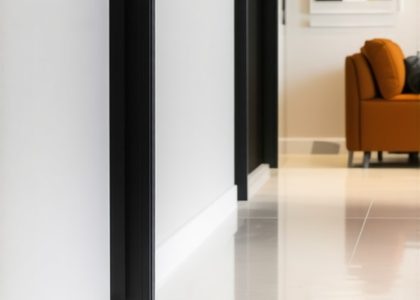
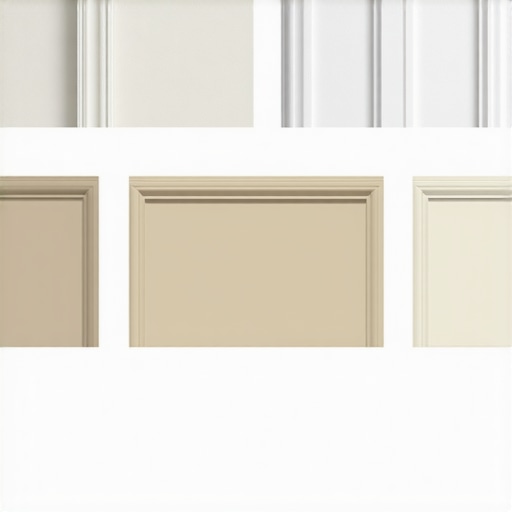
In the evolving landscape of bathroom design, the quest for seamless, durable, and visually appealing finishing touches is more critical than ever. As an industry expert, I recognize that traditional baseboards and grout applications often succumb to moisture damage, mold growth, and aesthetic inconsistencies. The advent of flush-mount tile baseboards offers an innovative solution, merging functionality with sophisticated design. This article delves into the transformative potential of these starters, exploring their impact on bathroom durability, maintenance, and stylistic expression in 2026.
Elevating Bathroom Resilience through Precision Installation Techniques
Implementing flush-mount tile baseboards necessitates meticulous craftsmanship. Unlike conventional options, these components require integration with subflooring and wall surfaces to prevent water infiltration. Advanced installation methodologies, such as waterproof membrane adherence and seamless joint engineering, significantly extend the lifespan of bathroom finishes. Professionals often utilize epoxy grouts and flexible sealants to accommodate substrate movements and thermal expansion, thereby reducing crack formation and maintaining aesthetic integrity. For insights into grout restoration and maintenance strategies, refer to this comprehensive guide.
The Role of Material Science in Crafting Durable Components
Material selection remains pivotal in achieving longevity and minimal upkeep. Recent developments favor porcelain, engineered stone, and high-performance composites that resist moisture, staining, and physical wear. These materials also facilitate the creation of slim-profile, flush-mounted profiles that elevate visual continuity and cleaning efficiency. For sustainable and eco-friendly options, see this resource.
How can expert installers mitigate common issues like grout cracking and baseboard separation in high-moisture environments?
Addressing these challenges involves a combination of precise substrate prep, optimal material choice, and innovative sealing techniques. Employing self-healing or polymer-modified grouts reduces crack susceptibility, especially under thermal stress. Additionally, utilizing recessed or recessed-edge graphics for tile joints enhances flexibility and adhesion. Regular maintenance, including sealing and timely grout reinforcement, sustains the integrity of flush-mount systems over decades. To explore practical grout maintenance strategies, consider this expert article.
Transformative Design Benefits that Surpass Traditional Moldings
Beyond durability, flush-mount tile baseboards facilitate a minimalist aesthetic by eliminating protrusions and trip hazards. Their sleek profile complements contemporary bathroom motifs, especially when harmonized with linear wall tiles and hidden drainage systems. Such designs not only elevate style but also simplify cleaning routines, making them highly suited for high-humidity zones.
Adopting Advanced Materials to Tackle Moisture and Mold Risks
The integration of high-tech materials like hydrophobic nanocoatings and antimicrobial composites further enhances the mold resistance of these systems. In combination with ventilation technologies, these innovations serve as a comprehensive strategy for mold prevention. For example, seamless waterproofing layers under the tile surface act as formidable barriers against water ingress, reinforcing the absence of grout lines that traditionally harbor mold.
Interested in the latest innovations in bathroom tile solutions? Explore sustainable tile options that align with eco-conscious renovations.
Conclusion: Shaping the Future of Bathroom Aesthetics and Functionality
The integration of flush-mount tile baseboards marks a significant shift towards durable, stylish, and low-maintenance bathroom finishes. By leveraging advanced materials, precise installation techniques, and innovative sealing methods, professionals can deliver results that withstand moisture challenges while elevating interior design standards. As the industry advances, continuous research and refinement of these solutions will be pivotal in meeting the demands of modern residential and commercial spaces.
mastering grout sealing to prevent moisture infiltration and mold growth
Sealing grout lines effectively remains a cornerstone of bathroom longevity. Modern sealants, such as silicone-based, epoxy, and hybrid options, offer varying degrees of water resistance and flexibility. Experts recommend applying high-quality sealants after thorough grout curing to create a hydrophobic barrier that impedes water penetration, thereby preventing mold and efflorescence. For a comprehensive overview of sealing techniques and products, visit this guide.
Innovative cleaning approaches that reduce chemical dependence
Transitioning to eco-friendly, enzymatic, or bio-enzymatic cleaning products not only aligns with sustainable practices but also preserves grout integrity. These solutions harness natural enzymes to break down organic residues and inhibit mold growth without harsh chemicals. Regularly scheduled cleanings with such agents preserve the appearance and durability of grout joints, especially in high-humidity zones. To explore more about eco-conscious tile maintenance, see this resource.
What emerging technologies are poised to revolutionize grout and tile maintenance in the next decade?
Emerging innovations such as nanotechnology-infused sealants, self-healing grout compounds, and antimicrobial coatings promise to significantly reduce maintenance efforts and extend the lifespan of bathroom finishes. Nanoparticle-based sealants, for example, create a durable, transparent barrier that repels water and stains at a molecular level, setting a new standard for long-lasting protection. Additionally, self-healing grout formulations, employing microcapsules of restorative agents, automatically seal cracks as they form, minimizing repair needs. According to industry research, integrating these technologies into routine maintenance could redefine bathroom durability and aesthetics.
Stay informed about the latest innovations by subscribing to our newsletter, or browse our dedicated section on sustainable tile solutions for eco-conscious upgrades.
,
Innovative Waterproofing Strategies for Seamless Finishes
Creating a waterproof barrier behind flush-mount tile baseboards demands more than standard membrane applications. The integration of liquid-applied waterproofing, such as spray-on or roll-on membranes, allows for seamless coverage in complex corners and junctions, reducing vulnerabilities to water infiltration. Layering an additional sheet membrane with heat-welded overlaps can further reinforce the barrier, especially in high-moisture or commercial settings. For professionals seeking to optimize their waterproofing approach, consult expert guidelines detailed in this authoritative resource.
Smart Material Choices to Combat Persistent Moisture
Shelf-stable composite materials infused with hydrophobic nanotechnology are transforming the landscape of bathroom durability. Engineered stone composites with embedded antimicrobial fibers not only resist mold growth but also inhibit bacterial colonization that flourishes in moisture-rich environments. A key consideration involves selecting materials with coefficient compatibility to substrates, ensuring adhesion and flexibility under thermal cycling. In-depth research on material compatibility and longevity can be found in this advanced study.
How do nanocoatings enhance grout resistance against moisture and mold in high-humidity bathrooms?
Nanocoatings effectively repel water molecules at the molecular level, creating a superhydrophobic surface on grout joints and tile substrates. By preventing capillary action, these coatings inhibit microbial ingress and efflorescence buildup, dramatically extending the lifespan of grout and tile surfaces. Moreover, nanocoatings facilitate easier cleaning by reducing grime adherence, minimizing chemical and abrasive cleaning requirements. According to a comprehensive report by the NanoTech Institute, such coatings are poised to become industry standard for high-performance bathroom finishes.
Optimizing Ventilation as a Complementary Moisture Control Measure
While material innovations play a crucial role, proper ventilation remains the frontline defense against excessive moisture accumulation. Installing humidity-sensing exhaust fans with variable speed controls ensures proactive removal of moist air, particularly during peak usage. Additionally, integrating smart sensors connected to building automation systems can automate moisture management, alerting occupants or triggering ventilation when thresholds are exceeded. For a step-by-step guide to smart bathroom ventilation, see this in-depth article.
Can integrated humidity control systems significantly reduce mold prevalence in flush-mount tile baseboard installations?
Certainly, sensors that monitor and regulate humidity levels in real time offer targeted moisture mitigation. When paired with high-efficiency ventilation and responsive sealing techniques, these systems create a controlled microenvironment that discourages mold growth. Moreover, data analytics from these systems can inform maintenance schedules, prioritizing areas at higher risk of water intrusion. Industry analyses, such as those presented in this comprehensive study, underscore the potential of smart humidity management to revolutionize moisture control in bathroom design.
As moisture management techniques continue to evolve, combining material science innovations with cutting-edge ventilation technology offers a holistic approach to achieving durable, mold-resistant bathroom surfaces. Embracing these advancements not only enhances aesthetic longevity but also promotes healthier indoor living environments, especially in climates with persistent humidity challenges. To stay ahead in the industry, professionals are encouraged to continually evaluate emerging technologies and integrate them into comprehensive moisture-control protocols, ensuring the longevity and integrity of flush-mount tile baseboards for decades to come.
Unlocking the Potential of Advanced Waterproofing Techniques
Modern bathroom renovations demand impermeable barriers that seamlessly integrate with the aesthetic. Liquid-applied waterproofing membranes, such as elastomeric sealants and specialized spray-on layers, enable professionals to craft continuous, crack-free surfaces that resist water ingress even in complex corners and joint transitions. When combined with sheet membranes secured via heat welding, these solutions form a comprehensive defense against moisture penetration, dramatically prolonging the lifespan of flush-mount tile systems. For technical guidelines on implementing these methods, consult this authoritative resource.
Harnessing Material Innovation to Combat Persistent Dampness
Selecting materials engineered for high resistance is pivotal. Recent breakthroughs include nanotechnology-infused composites and antimicrobial-infused engineered stones, which not only repel water but actively inhibit mold and bacteria growth. These high-performance substrates are essential in high-humidity zones, especially when combined with hydrophobic nanocoatings, which create a self-cleaning, water-repellent surface. An in-depth analysis of material performance can be found at this academic publication.
How are nano-coatings transforming grout longevity in moisture-rich environments?
Nanocoatings impart superhydrophobic qualities to grout and tile surfaces, dramatically reducing water absorption. This prevention of capillary wicking inhibits mold proliferation and efflorescence buildup. Additionally, these coatings facilitate easier cleaning, allowing soap scum and residues to be rinsed away effortlessly, thereby maintaining grout color and integrity over time. According to recent research by NanoTech Institute, integrating nanocoatings is a game-changer for durable, low-maintenance bathroom finishes.
Enhancing Ventilation with Intelligent Solutions
Passive ventilation is no longer sufficient in the face of increasing moisture levels. Integrating smart, sensor-driven exhaust systems that automatically respond to humidity fluctuations significantly reduces the risk of mold and mildew. These systems can communicate with building management platforms, adjusting operation based on real-time data, and providing maintenance alerts proactively. For installation and optimization insights, see this expert guide.
Can Smart Materials Create Safer, More Sustainable Bathrooms?
Yes, by employing smart, antimicrobial, and superhydrophobic materials, bathroom environments can become inherently resistant to moisture and microbial growth. Innovations like self-healing grout, which automatically closes cracks, and tiles with embedded sensors for leak detection, are redefining how longevity and safety are achieved. These technologies not only minimize maintenance but also enhance occupant health. Industry insights are available at this comprehensive analysis.
Precision in Sealing: The Foundation of Mold-Free Spaces
Effective sealing transcends mere application—it’s a science. Utilizing advanced polymer-modified or hybrid sealants ensures flexibility, adhesion, and water resistance, especially when applied post-curing under optimal conditions. Innovative formulas with self-healing properties can automatically seal microcracks, preventing water infiltration at the earliest stage. For best practices, refer to this detailed guide.
Revolutionizing Cleanup with Eco-Friendly Approaches
Enzymatic and bio-enzymatic cleaning agents harness natural processes to break down organic matter and inhibit mold, reducing chemical reliance. Regular use of these solutions preserves grout integrity and maintains a healthy indoor environment, especially when combined with low-toxicity antimicrobial treatments. For further information, explore this resource.
What emerging nanotechnologies are anticipated to redefine grout and sealing performance in the next decade?
Next-generation nanotechnologies encompass self-healing sealants, superhydrophobic grout formulations, and antimicrobial nanocoatings that adapt dynamically to environmental conditions. Such innovations will enable surfaces to repel water, resist microbial growth, and repair micro-damage autonomously, promising unprecedented durability. According to industry forecasts by this research, integrating these materials will become pivotal in advanced bathroom design.
Deepening your understanding of these cutting-edge developments can position you ahead in bathroom waterproofing and durability strategies. Engage with our expert community or consult specialized consultancies for tailored guidance on harnessing these technologies effectively.
,
Expert Insights & Advanced Considerations
Innovate with Integrated Waterproofing Solutions
Implementing seamless waterproofing layers, such as liquid-applied membranes combined with sheet barriers, creates a formidable defense against water infiltration, especially around shower enclosures and baseboards, extending the lifespan of bathroom finishes.
Select Materials That Grow Smarter
High-tech composites infused with nanotechnology and antimicrobial properties not only resist moisture but actively inhibit mold and bacterial growth, leading to healthier environments and less maintenance.
Prioritize Precise Installation for Longevity
Meticulous surface prep and the use of flexible, polymer-modified grouts reduce crack formation and separation, ensuring that flush-mounted tile systems stay intact in high-moisture zones.
Embrace Smart Ventilation To Stay Dry
Automated, humidity-sensing exhaust systems and IoT-connected sensors can proactively manage moisture levels, preventing mold and deterioration around sensitive areas like baseboards and tile joints.
Use Eco-Friendly, Self-Healing Materials
Emerging materials such as self-healing grout and nanocoatings not only repair microcracks but also maintain their integrity over decades, minimizing costly repairs and replacements.
Curated Expert Resources
- NanoTech Institute Studies: The forefront of nanocoatings and antimicrobial surfaces, providing deep technical insights into durable, mold-resistant bathroom finishes.
- Professional Waterproofing Guides by Building Science Experts: Offering comprehensive strategies for seamless waterproof barriers suitable for complex bathroom layouts.
- Material Science Journals on High-Performance Composites: Detailed research on resistant substrate materials like engineered stone and advanced epoxy composites that sustain long-term moisture resistance.
- Smart Home Integration Platforms: Resources on IoT-enabled ventilation and humidity control systems that integrate into modern bathroom designs.
- Eco-Friendly Grout and Sealant Innovators: Leading manufacturers pioneering self-healing and nanotech-enhanced products for minimal maintenance and superior longevity.
Final Perspective from the Experts
In 2026, achieving bathroom resilience hinges upon blending innovative materials with precision installation and intelligent moisture management, especially around tile and baseboard elements. The evolution from traditional approaches to smart, resistant solutions underscores the industry’s commitment to longevity and aesthetic excellence. Sharing knowledge and adopting these advances will empower professionals and homeowners alike to craft spaces that stand the test of time. Engage with our resources or contribute your expertise to shape the future of durable bathroom environments—your insights can set new standards in high-performance design.