
Elevating Bathroom Durability Through Expert Installation Techniques
In the realm of bathroom renovation, achieving long-lasting results hinges on the meticulous application of installation strategies for components like baseboards and showers. Professionals recognize that these elements not only define aesthetic appeal but also serve as critical barriers against moisture ingress and structural degradation. Understanding the nuanced interplay between material choice, installation precision, and environmental considerations is essential for constructing resilient bathroom environments.
Strategic Material Selection to Combat Moisture and Wear
The foundation of durable bathroom finishes begins with selecting materials that withstand humidity, temperature fluctuations, and mechanical stress. For baseboards, engineered wood or PVC options offer superior moisture resistance compared to traditional timber, thereby reducing warping and swelling. Shower enclosures benefit from high-grade, corrosion-resistant tiles and seals, which prevent water infiltration that can compromise structural integrity over time.
Ensuring Precision in Baseboard and Shower Fitting
Expert installation involves more than mere placement; it requires precision alignment, secure fastening, and seamless sealing. For baseboards, this means accurate measuring, mitre cuts, and the use of waterproof adhesives to prevent detachment and mold growth. Shower installation demands expert attention to drain slope, waterproof membrane application, and high-quality grout joints—skills that significantly extend the lifespan of the installation and prevent leaks. For comprehensive guidance, see expert tips for durable tile and baseboard installation.
How Do Advanced Sealants and Waterproofing Techniques Enhance Longevity?
Advanced sealants and waterproofing membranes form the critical barrier that shields bathroom structures from moisture damage. Modern polyurethane and silicone sealants exhibit excellent adhesion, flexibility, and UV resistance, making them ideal for sealing joints and edges around tiles and baseboards. Waterproof membranes, when correctly applied beneath tile surfaces, prevent water ingress into behind-the-wall structures, thereby avoiding mold proliferation and rot. Integrating these materials requires an understanding of curing times and compatibility with chosen substrates.
What Are the Latest Innovations in Bathroom Waterproofing and Moisture Management?
Recent innovations include liquid-applied waterproofing membranes that conform to complex geometries, and smart moisture sensors embedded in critical zones for real-time monitoring. These technologies enable proactive maintenance and early detection of potential issues, significantly reducing repair costs and downtime. Industry leaders emphasize that combining traditional methods with smart solutions creates a comprehensive approach to bathroom durability, as discussed in the White Paper by the Journal of Building Engineering. For more insights, visit sustainable tile and waterproofing innovations.
How Can Professional Insights Elevate Your Bathroom Renovation Outcomes?
Consulting with experienced installers and engaging in continuous learning about emerging materials and techniques can markedly enhance renovation longevity. Participating in industry forums, training sessions, and reviewing case studies helps professionals refine their craft and adopt best practices. Sharing insights and troubleshooting strategies fosters a community of excellence dedicated to building durable, aesthetic, and moisture-resistant bathrooms.
Interested in elevating your bathroom’s durability? Explore more expert-level advice and contribute your own renovation experiences by visiting our contact page.
Innovative Waterproofing Strategies for Lasting Bathroom Surfaces
To ensure your bathroom withstands the test of time, integrating cutting-edge waterproofing techniques is essential. Modern liquid-applied membranes and smart moisture sensors are transforming how professionals approach moisture management, offering real-time insights that prevent costly repairs. These advancements go beyond traditional barriers, providing adaptable solutions for complex bathroom geometries. For a comprehensive understanding of waterproofing innovations, see sustainable tile and waterproofing innovations.
Why Precision Matters in Shower and Baseboard Installation
Expertise in measuring, cutting, and sealing significantly impacts long-term durability. Properly installed grout joints and sealed edges prevent water infiltration, which can lead to mold and structural decay. Professionals emphasize the importance of using waterproof adhesives and high-quality sealants around baseboards and shower fixtures. For detailed guidance, visit expert tips for durable tile and baseboard installation.
Can Smart Technologies Revolutionize Bathroom Maintenance?
Emerging technologies like embedded moisture sensors and automated sealing systems are poised to redefine bathroom upkeep. These tools enable proactive detection of leaks and moisture accumulation, allowing homeowners and professionals to address issues before they escalate. Industry reports highlight that integrating smart solutions with traditional methods results in more resilient bathrooms. For an in-depth look at these innovations, explore sustainable tile and waterproofing innovations.
What role does continuous education and community engagement play in achieving bathroom renovation excellence?
Staying updated with the latest installation techniques, materials, and industry standards is crucial for professionals aiming for excellence. Participating in industry forums, training programs, and reviewing case studies fosters a culture of learning and innovation. Sharing insights and troubleshooting strategies helps elevate the collective expertise, ensuring each project benefits from the most durable and aesthetically pleasing solutions. For a resource-rich starting point, consider visiting our contact page.
Mastering the Art of Seamless Waterproofing for Showers and Bases
In high-end bathroom renovations, the subtlety and precision of waterproofing can make or break the longevity of the space. Advanced techniques now emphasize the importance of continuous membrane systems that are meticulously applied to eliminate any weak points. This involves not only selecting the right materials but also mastering the layering process, ensuring that seams, joints, and penetrations are flawlessly sealed. The application of liquid-applied membranes, such as polyurethane-based coatings, allows for a seamless barrier that conforms to intricate geometries, significantly reducing the risk of water ingress.
Is It Possible to Achieve Perfect Waterproofing Without Compromising Aesthetics?
Absolutely. Modern waterproofing solutions are designed to be concealed beneath tiles or overlays, maintaining aesthetic integrity while providing superior protection. For instance, integrated membrane systems can be hidden behind backer boards or embedded within the substrate, ensuring that the waterproof layer remains invisible yet highly effective. According to the Journal of Building Engineering, the key lies in proper surface preparation and adherence to manufacturer protocols, which professional installers rigorously follow to prevent failure.
How Smart Moisture Monitoring Is Changing Maintenance Paradigms
The advent of IoT-enabled moisture sensors marks a paradigm shift in bathroom maintenance. These sensors, embedded strategically within walls or beneath tiles, provide real-time data on humidity levels and potential leaks. When integrated with a smart home system, they can trigger alerts or activate automated sealing mechanisms, drastically reducing repair costs and downtime. Industry leaders like Bosch and Honeywell have pioneered such solutions, recognizing that early detection is crucial for preventing hidden damage and mold proliferation.
< >
>
Imagine a bathroom where sensors continuously monitor moisture levels, alerting homeowners to minor leaks before they escalate into costly repairs. This proactive approach exemplifies the future of durable bathroom design, blending traditional craftsmanship with cutting-edge technology.
Addressing Complex Geometries with Adaptive Waterproofing
Traditional flat surfaces are now a rarity in modern bathrooms; curves, niches, and irregular shapes demand adaptable waterproofing solutions. Liquid membranes that can be sprayed or rolled onto complex surfaces provide unparalleled conformity, ensuring no area is left vulnerable. Additionally, flexible sealants and expanding waterproof tapes are used to reinforce junctions and corners, which are typically stress points. These innovations are supported by research from the Sustainable Building Materials Journal, emphasizing the importance of tailored solutions in complex geometries.
Elevate Your Expertise by Embracing Continuous Learning
Staying ahead in the field of bathroom waterproofing requires ongoing education. Attending specialized workshops, certification courses, and industry conferences ensures installers remain abreast of the latest materials, techniques, and compliance standards. Engaging with professional communities fosters knowledge exchange and troubleshooting, ultimately leading to more durable, aesthetically pleasing bathrooms that stand the test of time. To deepen your expertise, explore resources offered by organizations such as the National Tile Contractors Association.
Revolutionizing Waterproofing with Cutting-Edge Materials
Modern bathroom waterproofing transcends traditional membrane layers by integrating advanced liquid-applied systems that adapt seamlessly to complex geometries. These innovative materials, such as polyurethane and hybrid polymer coatings, offer superior flexibility, adhesion, and durability. They not only provide an impermeable barrier but also accommodate structural movements, reducing the risk of cracks and leaks over time.
How Do Smart Moisture Sensors Transform Maintenance Strategies?
Embedding IoT-enabled moisture sensors within walls and under tiles introduces a paradigm shift in proactive bathroom management. These devices continuously monitor humidity and detect early signs of leaks, triggering alerts that enable timely intervention. Industry leaders like Bosch and Honeywell have pioneered such solutions, emphasizing that early detection significantly curtails repair costs and prevents mold proliferation, ensuring long-term structural integrity.
Can Adaptive Waterproofing Tackle the Challenges of Irregular Surfaces?
Absolutely. Liquid membranes designed for spray application conform effortlessly to intricate surfaces, including curved niches and irregular junctions. When combined with flexible sealants and expansion tapes, these solutions create a resilient, seamless barrier that withstands thermal expansion and structural shifts. Research from the Sustainable Building Materials Journal highlights the importance of tailored waterproofing approaches in complex geometries.
Elevate Expertise Through Continuous Learning and Community Engagement
Professional mastery in bathroom waterproofing hinges on staying abreast of evolving materials, techniques, and standards. Participation in specialized workshops, industry certifications, and active involvement in trade associations such as the National Tile Contractors Association fosters a culture of excellence. Sharing case studies and troubleshooting strategies elevates collective knowledge, translating into more durable, aesthetically refined results for clients.
Why Seamless Waterproofing Is Essential for High-End Bathrooms
High-end bathroom designs demand flawless waterproofing that remains invisible yet highly effective. Techniques such as continuous membrane systems, applied via spraying or rolling, eliminate seams and weak points. When meticulously layered over substrates and penetrations, these membranes form a monolithic barrier, significantly reducing water ingress risks. The Journal of Building Engineering underscores that proper surface preparation and adherence to manufacturer protocols are crucial for success.
Is It Possible to Achieve Perfect Waterproofing Without Compromising Aesthetics?
Indeed. Innovations in concealed membrane systems enable waterproofing layers to be hidden beneath tiles, backer boards, or overlays, preserving the visual integrity of luxury bathrooms. These solutions are designed for seamless integration, ensuring that protection does not come at the expense of aesthetics. Proper installation following industry best practices, as detailed by the Journal of Building Engineering, guarantees long-lasting performance without visible barriers.
Embrace Smart Technologies for Future-Ready Bathrooms
Integrating IoT-enabled moisture sensors and automated sealing systems offers a proactive approach to maintenance. These technologies provide real-time insights, enabling homeowners and professionals to address leak risks before damage occurs. As industry reports from Bosch and Honeywell reveal, such innovations reduce downtime and repair expenses, setting new standards in bathroom durability and safety.
< >
>
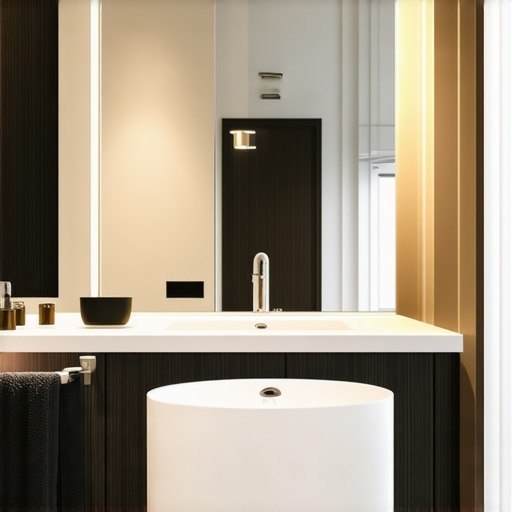
Imagine a bathroom equipped with smart sensors that continuously monitor moisture levels, alerting you to potential issues before they escalate. This integration of traditional waterproofing with intelligent technology embodies the future of resilient bathroom design, combining craftsmanship with innovation.
Custom Solutions for Complex Geometries Push Durability Limits
In contemporary bathroom architecture, curved surfaces, niches, and irregular shapes demand adaptable waterproofing techniques. Spray-applied liquid membranes, coupled with flexible sealants and expansion tapes, create resilient barriers that conform flawlessly to complex geometries. These tailored solutions, supported by research from the Sustainable Building Materials Journal, ensure comprehensive protection regardless of architectural intricacies.
Continuous Education as a Pillar of Professional Excellence
Achieving superior waterproofing results necessitates ongoing education. Certified training programs, industry conferences, and peer collaboration foster mastery of emerging materials and techniques. Engaging with organizations like the National Tile Contractors Association ensures professionals remain at the forefront of innovation, translating knowledge into durable, aesthetically pleasing bathroom environments that stand the test of time.
Expert Insights & Advanced Considerations
Prioritize Moisture-Resistant Materials to Prevent Long-Term Damage
Choosing the right materials, such as engineered wood or PVC for baseboards and high-grade, corrosion-resistant tiles for showers, is essential. These selections mitigate the risks of warping, swelling, and water infiltration, significantly extending the lifespan of bathroom installations.
Implement Continuous Waterproofing Layers for Seamless Protection
Adopting liquid-applied membranes and seamless waterproofing systems ensures a monolithic barrier against moisture. This approach reduces weak points where leaks typically develop, thereby safeguarding structural integrity over decades.
Leverage Smart Technologies for Proactive Maintenance
Integrating IoT moisture sensors and automated sealing systems allows for real-time monitoring of humidity and early leak detection. These innovations enable timely intervention, preventing costly repairs and mold issues.
Optimize Installation Precision for Longevity
Meticulous measuring, cutting, and sealing—using waterproof adhesives and high-quality sealants—are crucial. Proper slope, membrane application, and sealing practices directly influence the durability of showers and baseboards.
Stay Updated with Cutting-Edge Industry Developments
Regularly engaging with industry resources, attending specialized training, and participating in professional forums help installers stay ahead. This continuous learning ensures the adoption of best practices and innovative solutions for resilient bathroom environments.
Curated Expert Resources
- Journal of Building Engineering: Offers research-backed insights into advanced waterproofing techniques and materials, guiding professionals in selecting durable solutions.
- National Tile Contractors Association: Provides comprehensive training programs, certification, and industry standards to ensure top-tier installation practices.
- White Paper on Sustainable Waterproofing Innovations: Highlights latest developments in eco-friendly, smart, and adaptive waterproofing technologies suitable for high-end bathrooms.
- Industry Conferences and Workshops: Platforms for real-time knowledge exchange, mastering new materials, and refining installation skills.
Final Expert Perspective
Achieving bathroom durability relies heavily on a combination of expert material selection, precision installation, and embracing innovative waterproofing solutions. As a professional or homeowner committed to excellence, staying informed about cutting-edge developments and integrating smart technology can elevate your renovation outcomes. The key is a holistic approach—where traditional craftsmanship meets modern innovation—ensuring your bathroom stands the test of time. To deepen your expertise, explore resources like the contact page for tailored advice or join industry forums for ongoing learning. Remember, a durable bathroom is not just built; it’s engineered for longevity.

This post highlights the critical importance of precision and proper material selection in bathroom durability. I recall a project where we used high-grade waterproof membranes combined with smart moisture sensors, and the results were impressive. The sensors provided real-time data, allowing early intervention before any damage could occur. It made me wonder, how widely are professionals adopting these smart technologies in everyday renovations? Personally, I find that integrating advanced systems, while initially more costly, pays off in the long run by preventing catastrophic failures. I’d love to hear from others—what technologies or techniques have you found most effective in ensuring longevity? Have you tried combining traditional waterproofing methods with modern IoT solutions? Sharing these insights could help elevate industry standards and improve overall project outcomes.
This post did a great job emphasizing how critical precision and expert material selection are when ensuring bathroom durability. From my experience, integrating high-quality waterproof membranes with smart moisture sensors has truly revolutionized how we handle maintenance and early leak detection. I recently worked on a high-end shower renovation where we installed IoT-enabled moisture sensors to monitor humidity levels continuously. The proactive alerts helped us intervene before any damage occurred, saving the client from costly repairs and mold issues. What’s interesting is how the industry is gradually shifting towards these smarttech solutions, even in standard renovations. It makes me wonder, how are other professionals balancing the initial costs of such advanced systems with long-term benefits? Do you think the industry will fully adopt these innovations in the next few years? Personally, I see a lot of potential in combining modern sensor technology with traditional waterproofing techniques to build truly resilient bathrooms.
This post really underscores how vital precision and proper material choice are, especially when it comes to long-term bathroom durability. I’ve found that staying updated with the latest waterproofing materials, like liquid-applied membranes, can make a huge difference, especially on complex geometries where traditional methods may fall short. My recent project involved applying a seamless, spray-on membrane around niches and curved surfaces, which provided excellent adhesion and conformability. Incorporating smart moisture sensors into the design was a game-changer; it allowed for real-time monitoring and early leak detection. These innovations might seem costly initially, but the peace of mind they offer really pays off in the long run, especially in high-end or renovation scenarios. Have any of you experimented with newer waterproofing technologies or combined them with smart systems? Which methods have worked best for ensuring continued longevity, even under demanding architectural features? I believe embracing continuous education and new tech is the way forward for professionals dedicated to quality and durability.