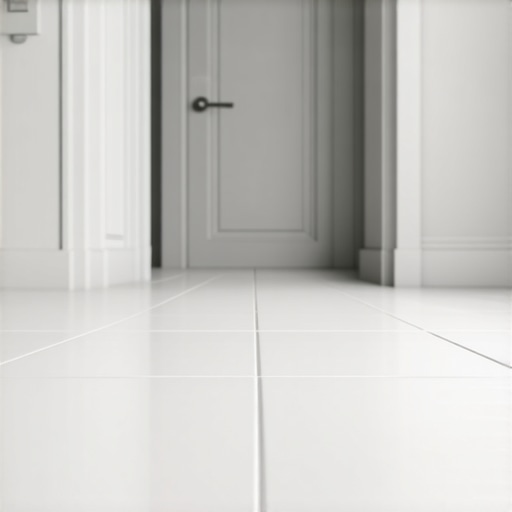
Mastering the Art of Durable Bathroom Renovations: An Expert Overview
In the realm of high-end bathroom renovations, achieving longevity and aesthetic excellence hinges on meticulous attention to detail, particularly in the realms of grout application, tile selection, and baseboard finishing. These elements, often underestimated, serve as the backbone of a resilient and visually appealing bathroom environment. Leveraging advanced techniques and expert insights ensures these critical components withstand daily wear while maintaining their elegance over time.
Strategic Selection of Grout for Superior Longevity
What Are the Best Grout Types for Moisture-Rich Environments?
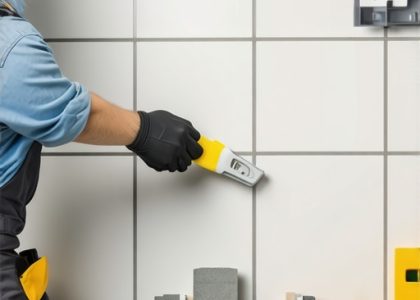
In bathrooms, where moisture exposure is relentless, epoxy grout emerges as the gold standard due to its chemical resistance, durability, and ease of maintenance. Unlike traditional cement-based grouts, epoxy formulations resist staining, mold, and mildew, significantly extending the aesthetic and functional lifespan of tiled surfaces. When combined with professional sealing, epoxy grout can outperform standard options, reducing the need for frequent repairs.
Advanced Tile Installation Techniques for Enduring Results
Expert tile installation involves more than laying tiles; it requires precise substrate preparation, optimal adhesive selection, and expert alignment. Utilizing flexible adhesives accommodates substrate movement, preventing cracks that compromise longevity. Additionally, employing professional-grade spacers and grout joints ensures uniformity, which is vital for longevity and visual harmony. The integration of anti-fracture membranes beneath tiles further safeguards against structural shifts, an essential consideration in high-traffic or older buildings.
Innovative Baseboard Design and Installation for Lasting Elegance
Baseboards, often overlooked, play a pivotal role in protecting walls and enhancing aesthetic continuity. Modern expert approaches favor high-quality materials such as MDF or PVC for moisture resistance. Precise measurement, proper nailing techniques, and the use of flexible caulks at joints prevent cracking and warping. For a seamless look, baseboards should be installed with attention to expansion gaps, especially in climates with temperature fluctuations. Exploring trendy designs can elevate the space, but durability should always be the priority.
How Can Expert Maintenance Extend the Lifespan of Grout and Tiles?
Regular cleaning with pH-neutral cleaners and prompt repair of any cracks or chips significantly prolongs the lifespan of grout and tiles. Applying breathable sealants annually can prevent moisture ingress, which is a common cause of deterioration. For expert-level guidance, consulting resources such as the grout restoration secrets can provide nuanced strategies tailored to specific environments.
In conclusion, integrating expert techniques in grout selection, tile installation, and baseboard finishing forms the foundation of durable bathroom renovations. For those seeking to elevate their project, exploring sustainable tile options and professional consultation ensures results that are both resilient and visually compelling. Engage with industry specialists to refine your approach and contribute insights that shape future standards in bathroom design.
Uncovering Hidden Factors That Influence Bathroom Longevity
While selecting the right materials and employing expert installation techniques are fundamental, understanding the environmental and structural nuances of your space can dramatically impact the lifespan of your bathroom upgrades. Factors such as humidity levels, ventilation efficiency, and substrate stability often go unnoticed but play a crucial role in ensuring enduring results. Addressing these elements with a comprehensive approach—like installing high-quality vapor barriers or utilizing anti-microbial treatments—can prevent moisture intrusion and microbial growth that compromise grout and tile integrity over time.
What Are the Emerging Technologies Shaping Bathroom Renovation Durability?
Innovations in materials science and digital design are revolutionizing how professionals approach bathroom renovations. For example, self-healing grout formulations, which contain microcapsules releasing repair agents when cracks form, offer a cutting-edge solution to ongoing maintenance challenges. Similarly, 3D laser scanning and computer-aided design (CAD) enable precise measurements and optimal layout planning, minimizing errors and reducing rework—factors directly linked to increased durability. Incorporating these technologies into your renovation plan can significantly extend the life of your investment, especially when paired with eco-friendly solutions discussed at https://elegantfloorz.com/eco-friendly-tile-solutions-for-sustainable-homes-in-2025.
Innovative Sealant Technologies: Extending the Life of Bathroom Surfaces
One of the most promising developments in bathroom renovation durability is the advent of advanced sealant formulations. Traditional silicone or latex caulks, while effective, often degrade over time due to moisture, temperature fluctuations, and UV exposure. Enter hybrid sealants infused with nanotechnology, which offer superior adhesion, flexibility, and resistance to microbial growth. These materials form a resilient barrier that not only prevents water ingress but also inhibits mold proliferation, a critical factor in prolonging the lifespan of grout lines and junctions.
Addressing Structural Movement with Adaptive Materials
Structural shifts—be they from settling foundations, thermal expansion, or seismic activity—pose significant challenges to the longevity of bathroom finishes. Incorporating adaptive materials, such as shape-memory alloys and elastomeric adhesives, can absorb and accommodate these movements. For example, flexible adhesives with enhanced elongation properties can maintain strong bonds despite substrate shifts, preventing cracks and detachment. This approach requires precise engineering, often involving the integration of anti-fracture membranes and dynamic expansion joints that work synergistically to distribute stresses evenly.
How Do Environmental Factors Threaten Bathroom Material Integrity?
Environmental variables like humidity, temperature swings, and air quality significantly influence material durability. Elevated humidity levels accelerate microbial growth, leading to mold and mildew, which not only degrade surfaces but also pose health risks. Temperature fluctuations cause materials to expand and contract, creating stress points that can develop into cracks. Moreover, poor ventilation exacerbates these issues by trapping moisture and pollutants. According to a comprehensive study by the Journal of Construction Engineering (2024), integrating high-performance vapor barriers and active ventilation systems can mitigate these environmental impacts, significantly extending the service life of bathroom finishes.
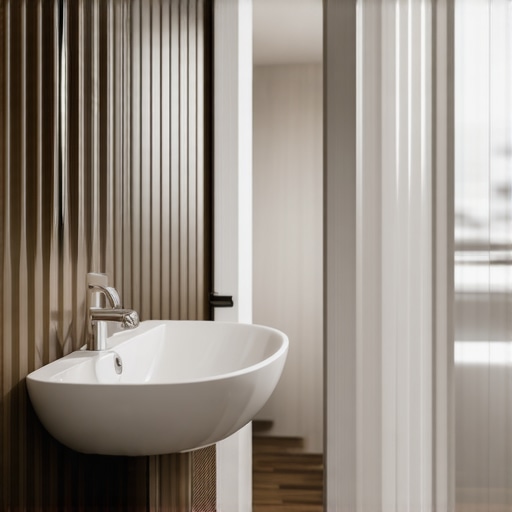
Illustration of advanced vapor barrier installation and bathroom ventilation system for durability enhancement.
Emerging Materials: Self-Healing and Bio-Inspired Solutions
Emerging materials science offers revolutionary options such as self-healing grout, which contains microcapsules that release repair agents upon crack formation. This technology mimics biological healing processes, enabling the material to autonomously repair minor damages and prevent deterioration. Additionally, bio-inspired coatings that mimic lotus leaf properties repel water and resist staining, reducing maintenance needs and preventing moisture-related damage. Researchers at the National Science Foundation have documented these innovations, highlighting their potential to redefine long-term bathroom durability standards.
Engaging with these cutting-edge solutions requires collaboration with material scientists and professional renovators who can implement them effectively. If you’re interested in integrating these advanced technologies into your renovation project, consulting with industry specialists can provide tailored strategies that maximize longevity and aesthetic appeal.
Harnessing Eco-Friendly Materials for Sustainable Bathroom Longevity
In the pursuit of durable bathroom renovations, integrating eco-conscious materials plays a pivotal role. Advanced sustainable options such as recycled glass tiles, low-VOC sealants, and biodegradable grouts not only reduce environmental impact but also offer enhanced resistance to moisture and microbial growth. These materials are increasingly favored by industry leaders for their resilience under humid conditions, contributing to a longer lifespan of finishes and fixtures.
How Can Digital Twin Technology Revolutionize Bathroom Renovation Planning?
Digital twin technology enables meticulous virtual replication of bathroom environments, allowing experts to simulate stress points, material interactions, and long-term wear before physical implementation. This high-fidelity modeling facilitates precise selection of materials and installation techniques, minimizing errors and rework. According to ASME’s authoritative report, integrating digital twins into renovation workflows significantly enhances durability outcomes and reduces maintenance costs over time.
What are the advanced diagnostic tools available for assessing bathroom structural integrity?
Professionals now utilize ultrasonic testing, ground-penetrating radar, and thermal imaging to evaluate substrate stability and detect hidden issues such as moisture intrusion or substrate movement. These non-destructive methods provide invaluable insights, informing targeted interventions that bolster longevity. Collaborating with specialists equipped with these tools ensures that foundational problems are addressed proactively, preventing future deterioration.
Embracing these innovative diagnostic and planning solutions empowers renovators and homeowners to achieve resilient, sustainable bathroom upgrades that stand the test of time.
Exploring the Role of Smart Technologies in Prolonging Bathroom Surface Integrity
Smart sensors embedded within tiles and grout lines can monitor environmental conditions such as humidity, temperature fluctuations, and microbial activity in real-time. These data-driven insights enable prompt corrective actions, like adjusting ventilation or reapplying protective coatings, thereby preventing damage before it manifests visibly. According to recent studies in ScienceDirect, integrating IoT-enabled monitoring systems enhances maintenance efficiency and extends the functional lifespan of bathroom surfaces.
What Future Material Innovations Hold Promise for Bathroom Durability?
Emerging bio-inspired materials, such as hydrophobic nanocoatings and self-healing polymers, are poised to redefine standards of longevity in bathroom environments. These innovations mimic natural processes like water repellency and autonomous repair, significantly reducing the need for human intervention. Researchers at institutions like MIT are pioneering these technologies, which promise to mitigate common issues like mold proliferation and surface cracking. Engaging with these advancements now can provide a competitive edge in high-end, long-lasting bathroom renovations.
Stay ahead by consulting with industry experts who specialize in integrating these cutting-edge materials and technologies into comprehensive renovation strategies, ensuring your project benefits from the latest in durability science.
Expert Insights & Advanced Considerations
1. The Role of Adaptive Materials in Mitigating Structural Movement
In high-end bathroom renovations, incorporating adaptive materials such as shape-memory alloys and elastomeric adhesives is crucial. These materials absorb and accommodate substrate shifts caused by thermal expansion, foundation settling, or seismic activity, preventing cracks and detachment. Employing anti-fracture membranes and dynamic expansion joints enhances resilience, ensuring longevity even in fluctuating environmental conditions.
2. Embracing Emerging Technologies like Digital Twin Modeling
Digital twin technology offers a sophisticated approach to renovation planning by creating virtual replicas of bathroom environments. This allows precise stress testing, layout optimization, and material selection before physical work begins, reducing errors and rework. Experts recommend integrating digital twins to forecast long-term performance, especially when utilizing innovative materials such as self-healing grout and bio-inspired coatings.
3. The Impact of High-Performance Sealants with Nanotechnology
Advanced sealant formulations infused with nanotechnology provide superior adhesion, flexibility, and microbial resistance. These hybrid sealants form resilient barriers that prevent water ingress, inhibit mold growth, and extend the lifespan of grout lines and junctions. Their use is particularly vital in moisture-rich spaces, contributing significantly to the durability of bathroom finishes.
4. Environmental Factors and Preventative Strategies
Environmental variables like humidity, temperature fluctuations, and poor ventilation can accelerate material degradation. Implementing high-quality vapor barriers, active ventilation systems, and breathable sealants mitigates these risks. Regular maintenance, including pH-neutral cleaning and annual re-sealing, further prolongs the integrity of tiles and grout, supported by expert resources such as grout restoration secrets.
5. Cutting-Edge Materials: Self-Healing and Bio-Inspired Coatings
Self-healing grout containing microcapsules autonomously repairs minor cracks, reducing deterioration over time. Bio-inspired coatings that mimic lotus leaf properties repel water and resist staining, minimizing maintenance and moisture damage. Engaging with material scientists and professional renovators ensures effective integration of these innovations into your project, significantly enhancing durability.
Curated Expert Resources
- National Science Foundation (NSF) Innovations in Material Science: Provides insights into bio-inspired and self-healing materials, highlighting their potential for bathroom durability.
- ASME Reports on Digital Twin Technology: Offers comprehensive guidance on utilizing digital modeling to optimize renovation outcomes and material performance.
- Journal of Construction Engineering: Features research on environmental impacts and strategies for moisture management, essential for long-lasting bathroom surfaces.
- Elegant Floorz Blog on Eco-Friendly Tile Solutions: Discusses sustainable materials and their durability benefits, aligning eco-consciousness with longevity.
Final Expert Perspective
Achieving a truly durable bathroom renovation requires a synergy of innovative materials, cutting-edge technology, and proactive environmental management. Integrating adaptive materials like shape-memory alloys, leveraging digital twin modeling, and utilizing nanotechnology-infused sealants empower professionals to create resilient, long-lasting spaces. Staying informed through authoritative resources and embracing emerging solutions positions your project at the forefront of durability and sustainability. For those committed to excellence in bathroom design, engaging with industry experts and continuously exploring new technologies is not just recommended—it’s essential. To deepen your understanding and access tailored expert guidance, consider reaching out via our contact page and exploring related advanced resources like innovative tile and grout solutions.