
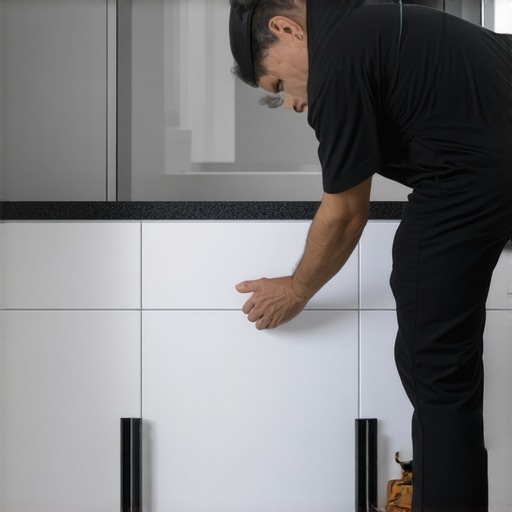
Elevating Bathroom Durability Through Expert Tile and Grout Strategies
In the realm of high-end bathroom renovations, the interplay between grout integrity, shower design, tile selection, and baseboard craftsmanship defines both aesthetics and longevity. Understanding these components at an advanced level enables professionals to craft spaces that resist moisture intrusion, structural degradation, and aesthetic deterioration over time.
Nuanced Approaches to Grout Longevity and Restoration
Professional-grade grout maintenance extends beyond basic sealing; it involves selecting the correct grout formulations—such as epoxy or urethane-based options—that offer superior water resistance and chemical durability. Techniques like abrasive cleaning, as detailed in grout restoration guides, help restore integrity without compromising the adhesive matrix. Regular application of high-quality sealants, as recommended by industry authorities, is essential for preserving grout appearance and function.
Advanced Shower Base Installations for Enduring Performance
Choosing the appropriate shower base is a foundational decision impacting moisture control and structural stability. Expert installation methods emphasize proper slope design and waterproof membrane integration, reducing risk of leaks that compromise tile and substrate. For those seeking reliable guidance, consulting professional strategies for shower base installation ensures outcomes aligned with durability standards.
Architectural Significance of Tile Selection and Placement
Tile choice influences both the visual narrative and moisture resilience of the bathroom. Porcelain and ceramic tiles with low porosity are preferred for wet areas, yet the pattern and grout joint width play crucial roles in fostering adhesion and preventing water infiltration. Technical considerations include proper surface preparation and joint sealing—subject areas detailed extensively in tile and grout maintenance expertise.
Elevating Baseboard Integration: More Than a Finishing Touch
In high-end bathroom upgrades, baseboards serve both decorative and protective roles. The integration of moisture-resistant materials such as PVC or sealed wood prevents water damage at the intersection of wall and floor, especially critical in wet zones. For innovative design ideas, see latest baseboard trends that combine form and function.
How Can a Professional Ensure Seamless Bonding and Long-Term Resistance of Tile and Grout in Moist Environments?
Achieving durable bonding in moisture-prone areas requires meticulous surface preparation, selecting substrates with proper porosity treatment, and applying advanced adhesive systems that accommodate movement and thermal expansion. Industry standards emphasize multi-layer waterproofing and ventilated joints. Refer to authoritative guidelines from sources such as the Tile Letter Journal for comprehensive techniques.
If you’re aiming for bathroom innovations that stand the test of time, explore expert insights on baseboard and tile integration. Your meticulous attention to these elements ensures resilient, aesthetically superior outcomes in complex renovation projects.
Beyond Basic Sealants: Elevating Waterproofing Techniques for Bathrooms
While standard sealants provide initial protection, achieving truly durable bathroom surfaces demands advanced waterproofing methods. Incorporating multi-layer membrane systems, such as liquid-applied waterproofing coatings combined with waterproof backing boards, significantly reduces the risk of moisture infiltration beneath tiles and grout. Proper installation of these systems, according to industry best practices, ensures that water remains confined, preventing structural degradation over time. For detailed guidance on implementing these techniques seamlessly, consult expert strategies for shower base installation that prioritize waterproof integrity.
Innovative Waterproofing Methods That Redefine Bathroom Longevity
In the realm of high-end bathroom architecture, the nuanced application of waterproofing systems transcends traditional methods, embracing a multi-layered approach that addresses both surface-level protection and substructure integrity. Modern techniques incorporate liquid-applied membranes, which offer seamless, monolithic barriers impervious to hairline cracks, paired with high-performance backing boards like cementitious or foam core panels that resist moisture penetration.
How Do Advanced Waterproofing Systems Prevent Long-Term Damage?
By integrating these layers with meticulous detailing—such as proper terminations at penetrations and transitions—professional installers create an environment where water is confined, and vapor escape is optimized. This holistic approach minimizes risks of mold, efflorescence, and substrate deterioration, ensuring the bathroom maintains its structural and aesthetic integrity over decades. Industry standards, such as those outlined by the Tile Council of North America (TCNA), emphasize the importance of a continuous waterproofing plane beneath tiled surfaces for superior longevity.
” alt=”Layered waterproofing system beneath bathroom tiles” title=”Multilayer waterproofing for bathrooms”/>
Furthermore, incorporating vapor barriers on the warm side of the wall assembly prevents condensation issues, a critical factor in climate zones with high humidity or temperature fluctuations. The synergy between waterproof membranes, insulation, and vapor retarders forms a comprehensive defense, protecting the substrate and the design’s longevity.
Sealing Joints and Transitions: The Critical Points for Preventing Moisture Betrayal
While broad membrane applications set the foundation, the devil lies in the details—particularly at joints, corners, and transition points such as shower seats, niche edges, and where walls meet floors. Techniques involving reinforcing fabrics embedded within sealant layers or specialized hybrid sealants that adapt to movement are essential for maintaining a watertight assembly. As demonstrated in recent case studies published by the BuildingGreen Journal, these details can significantly extend the lifespan of bathroom surfaces.
Sealing the Future: Embracing Multi-Layered Waterproofing Innovations
In the pursuit of bathroom longevity, traditional waterproofing methods often fall short when faced with the demands of high-moisture environments. Professional installers now champion multi-layered systems that seamlessly integrate vapor retarders, liquid-applied membranes, and cementitious backer boards, creating an impermeable barrier that actively resists moisture infiltration. This sophisticated approach not only prevents structural decay but also preserves the aesthetic integrity of tiled surfaces over decades.
How Do Integrated Waterproofing Systems Outperform Conventional Techniques?
Advanced systems harmonize surface protection with substrate stability, addressing the root causes of water damage rather than merely superficial sealing. They incorporate continuous membranes that adapt to substrate movements, reducing the risk of cracks and leaks. According to the Tile Council of North America (TCNA), employing these layered barriers is essential for achieving professional-grade durability in wet zones.
For architects and renovation specialists, understanding the detailed application of such systems is crucial. Precision in installation—such as proper edge detailing, penetration protection, and transition sealing—ensures that the waterproof envelope remains intact, safeguarding structural components and elevating the project’s overall resilience.
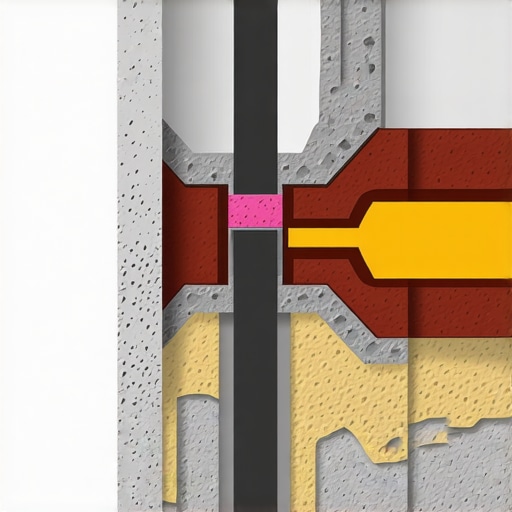
Enhancing Moisture Barriers with Vapor Management Expertise
Beyond impermeable membranes, the strategic placement of vapor barriers within wall assemblies plays a pivotal role in moisture control, especially in climate-sensitive regions. These barriers prevent condensation buildup behind tile layers, which can lead to mold and substrate deterioration. Incorporating high-permeance vapor retarders allows for controlled vapor transmission, balancing moisture mitigation with indoor air quality standards.
Can Vapor Management Strategies Prevent Hidden Bathroom Damage?
Absolutely. Proper vapor barrier installation minimizes the risk of hidden water accumulation, which often manifests long after visible damage occurs. Experts emphasize that a holistic design approach—integrating ventilation, insulation, and vapor control—further fortifies bathroom structures. Consult authoritative guides such as those from the Building Science Corporation to refine these complex systems tailored to specific environmental challenges.
Implementing these nuanced techniques demands a level of precision and knowledge that separates good craft from true mastery. By aligning your projects with these cutting-edge principles, you redefine durability standards in bathroom architecture, ensuring spaces remain pristine and functional for generations.
Expert Insights & Advanced Considerations
Opt for Epoxy Grout to Combat Moisture and Stains
Epoxy grout offers superior chemical resistance and water repellency, making it an ideal choice for high-moisture environments. Its durability significantly reduces the need for frequent repairs, ensuring long-term aesthetic and structural integrity.
Prioritize Continuous Waterproofing Layers
Implementing multi-layer waterproofing systems, including liquid membranes and cementitious backer boards, creates seamless barriers that prevent moisture penetration. This layered approach safeguards substrates from mold, efflorescence, and degradation over decades.
Customize Tile and Grout Designs for Ease of Maintenance
Technical choices such as narrow grout joints and large-format tiles reduce crevices where dirt and mold can accumulate. Selecting porcelain tiles with low porosity enhances moisture resistance, simplifying upkeep and extending lifespan.
Use Moisture-Resistant Materials in High-Humidity Zones
Materials like sealed wood or PVC trim at baseboards and niches prevent water damage and facilitate easy cleaning. Strategic material selection at these junctions is crucial for overall durability and visual harmony.
Employ Precise Detailing at Joints and Transitions
Reinforced sealants combined with embedded fabrics at corners, seats, and transition points prevent water ingress even under movement stresses. Precise detailing extends the life of waterproof envelopes and maintains aesthetic quality over time.
Curated Expert Resources
- Tile Letter Journal — Industry authority providing detailed technical guidelines for tile and waterproofing systems, essential for mastering complex installations.
- Tile Council of North America (TCNA) — Offers standards and best practices for durable, professional-grade tile installations in wet environments.
- Building Science Corporation — Deep dives into moisture management, vapor barriers, and climate-specific strategies that inform high-end bathroom construction.
- Grout Restoration Guides — Specialized literature focusing on restorative techniques to prolong grout lifespan without complete removal, vital for cost-effective maintenance.
- Professional Industry Conferences and Workshops — Opportunities for direct engagement with experts sharing cutting-edge waterproofing and tile installation techniques.
Final Perspective for the Discerning Expert
In the pursuit of bathroom excellence, integrating advanced waterproofing, selecting resilient materials, and emphasizing meticulous detailing elevate your projects beyond standard expectations. Recognizing that the foundation of lasting beauty lies beneath the surface—through layered defenses against moisture and structural compromise—ensures your craftsmanship endures. For professionals committed to excellence, exploring specialized resources and continuously refining techniques anchors your reputation in reliability and innovation. Engage with industry peers, share insights through forums, or consult authoritative guides to elevate your mastery in creating bathrooms that truly stand the test of time. Ready to push your expertise further? Connect with us or delve into our comprehensive resource library for the next step in superior bathroom construction.

![How to Fix Shower Floor Puddles With 3 Tiling Slopes [2026]](https://elegantfloorz.com/wp-content/uploads/2026/02/How-to-Fix-Shower-Floor-Puddles-With-3-Tiling-Slopes-2026-420x300.jpeg)
This article provides a thorough overview of the critical elements involved in achieving long-lasting bathroom waterproofing and tile installation. I especially appreciate the emphasis on multi-layer systems and vapor management, as these often get overlooked in standard projects. From personal experience, I’ve seen how neglecting detailed joint sealing and transition areas can lead to moisture intrusion years later, even when the initial installation appears solid. Using reinforced fabrics and hybrid sealants has made a significant difference in my projects—both in preventing leaks and improving overall durability. One challenge I’ve faced is coordinating the sequence of waterproofing layers, especially in tight spaces with multiple transitions. Does anyone have effective strategies for streamlining this process without compromising quality? Also, I’d love to hear opinions on the latest waterproofing membranes—have you found a particular brand or system that’s proven more reliable over time? Always looking to refine methods and share experiences to push the standards higher.