![Loose Shower Tiles? Use This 2-Step Grout Reset Method [2026]](https://elegantfloorz.com/wp-content/uploads/2026/02/Loose-Shower-Tiles-Use-This-2-Step-Grout-Reset-Method-2026.jpeg)
Mastering the Art of Bathroom Surface Longevity Through Advanced Tile and Grout Techniques
In the realm of bathroom renovation and maintenance, the nuanced interplay between tile integrity, grout resilience, and baseboard durability determines not only aesthetic appeal but also functional longevity. As professionals and discerning homeowners seek to optimize their spaces, understanding the latest innovations and expert strategies becomes paramount. This article delves into the complexities of maintaining pristine showers, resilient grouts, and sophisticated baseboards, emphasizing avenues for enduring beauty and structural soundness.
Breaking Down the Challenges: Why Traditional Methods Fall Short
Conventional cleaning and sealing practices often neglect the microscopic deterioration processes that compromise tile and grout systems over time. For instance, moisture infiltration can instigate mold proliferation and weaken the adhesive bonds, leading to tile looseness and basal damage. Recognizing these subtleties is essential for implementing proactive solutions rooted in field-tested technologies.
Leveraging Scientific Insights to Combat Moisture and Decay
Recent advancements in polymer-based grout sealants and non-porous baseboard materials have revolutionized bathroom surface preservation. These innovations meticulously prevent water ingress, minimizing the risk of grout cracking and baseboard rot. For example, epoxy grouts exhibit superior chemical resistance, ideal for high-moisture environments, as corroborated by studies published in the Construction and Building Materials Journal.
What are the most effective methods for detecting subtle grout failures before they escalate?
Early detection involves both visual inspections and moisture mapping technologies, such as infrared thermography, to identify hidden leaks or porosity. Regular grout restoration procedures also extend the lifespan of bathroom surfaces by addressing micro-damage proactively.
Applying Field-Tested Solutions: From Sealing to Material Selection
Implementing high-quality, expert-approved sealants like silicone-based or hybrid inorganic formulations ensures a resilient barrier against water intrusion. Simultaneously, selecting baseboards constructed from stone composites or PVC variants minimizes moisture absorption and swelling, thus preventing rot and decay. These choices, underpinned by durability studies, endorse the switch from traditional wood or MDF trims to modern, maintenance-friendly materials.
The Intersection of Design and Durability in Showers for 2026
Frontline shower designs now integrate seamless tile integrations and concealed grout lines that facilitate cleaning and reduce grout exposure to contaminants. Trendy accents such as micro-vented enclosures and integrated shelving not only boost aesthetic value but also simplify waterproofing strategies. For comprehensive trend insights, visit showers that wow.
Expert Tips for Achieving Routine Maintenance That Extends Surface Life
Routine inspection intertwined with professional cleaning routines—using pH-neutral cleaners and avoiding abrasive scrubbing—prevents surface degradation. Regularly resealing grout joints and inspecting baseboards for signs of water damage fortify the structural resilience of the bathroom ecosystem. These methods, validated by industry standards, sustain surfaces’ aesthetic and operational integrity.
How Do Material Innovations Address Eco-Conscious Bathroom Renovations?
Eco-friendly tile solutions, such as reclaimed ceramic and biodegradable sealants, align with sustainable renovation goals while enhancing durability. Transitioning to these materials not only reduces environmental impact but also ensures compliance with emerging green building codes. For an expansive overview of sustainable practices, explore eco-friendly tile innovations.
Maintaining the integrity of tile, grout, shower enclosures, and baseboards requires a sophisticated understanding of material science, moisture dynamics, and design principles. Integrating these insights ensures enduring aesthetics and structural performance well into 2026 and beyond.
Reimagining Shower Designs for Lasting Elegance and Function
As the bathroom landscape evolves, modern shower enclosures embrace minimalist aesthetics coupled with advanced waterproofing technologies. Frameless glass options with seamless joints not only amplify visual openness but also facilitate easier cleaning, reducing mold accumulation. Additionally, incorporating micro-vented shower stalls enhances airflow, discouraging moisture retention that can compromise grout and baseboard integrity. For the latest stylish and durable shower solutions, visit showers that wow.
Choosing Materials That Defy Moisture and Wear
Material innovation remains a cornerstone of durable bathroom surfaces. High-performance porcelain tiles with diamond-polished finishes resist staining and scratching, maintaining their allure over time. In parallel, non-porous materials like solid surface composites or engineered quartz serve as excellent options for shower bases and wall panels; these materials inherently resist water infiltration and microbial growth. Moreover, the shift towards flexible PVC trims and stone composite baseboards addresses moisture absorption challenges posed by traditional wood, aligning with eco-conscious trends discussed at sustainable bathroom upgrades.
Is Your Maintenance Routine Up to Par for Modern Bathroom Expectations?
Maintaining the longevity of showers and baseboards involves more than routine cleaning—it requires strategic intervention. Regular application of high-quality, expert-approved sealants creates an impenetrable barrier, thwarting water infiltration that causes grout cracks and baseboard rot. Additionally, employing infrared moisture scanning can reveal hidden vulnerabilities before visible damage occurs, enabling timely repairs. Learn more about extending your surfaces’ lifespan through proactive maintenance practices.
What are the most innovative tools available today to monitor moisture levels and prevent surface degradation?
Emerging moisture detection technologies, like IoT-connected sensors that provide real-time data, empower homeowners and professionals to take preventive action. These devices integrate with home automation systems, alerting users to incipient leaks or humidity spikes. Incorporating such tools into your bathroom maintenance routine can significantly improve surface durability and mitigate costly repairs.
Expert Insights on Materials That Balance Sustainability and Durability
Eco-friendly innovations are increasingly designed to meet the dual demands of environmental responsibility and robust performance. Reclaimed ceramic tiles, biodegradable grout sealants, and recycled aluminum trims exemplify this trend, offering sustainable alternatives that do not compromise on strength or longevity. For a comprehensive review of eco-conscious bathroom materials, explore green renovation options.
Understanding and implementing these advanced strategies ensures your bathroom surfaces remain resilient against moisture and wear, transforming everyday spaces into enduring works of functional art. Embracing innovative materials and proactive maintenance paves the way for a future where beauty and durability go hand-in-hand.
} }}#tags: bathroom, shower, grout, baseboards, maintenance, durability, materials, renovation, eco-friendly, design, moisture detection, expert tips}#cli:{
Harnessing Nano-Technology to Reinforce Tile and Grout Resilience
Recent breakthroughs in nano-engineering have introduced coatings that significantly enhance the resilience of bathroom surfaces. Nanotextured sealants form ultra-thin, invisible barriers that repel moisture, resist staining, and inhibit microbial growth. These advancements, supported by empirical studies published in the NanoTechnology in Construction Journal, exemplify how surface engineering pushes the boundaries of durability.
Can nanocoatings truly provide a permanent solution for bathroom surface protection?
While nanocoatings vastly outperform conventional sealants, their efficacy depends on proper application, surface preparation, and ongoing maintenance. Their chemical stability under constant moisture exposure is a subject of ongoing research, underscoring the importance of selecting products backed by rigorous scientific validation. For homeowners and contractors seeking long-term solutions, integrating nanotechnologies requires a comprehensive assessment aligned with practical durability needs.

Innovative Baseboard Technologies for Moisture-Heavy Environments
Traditional wooden baseboards are increasingly replaced by composite materials infused with water-resistant resins or polymers. These alternatives not only resist swelling and rot but also offer customizable finishes to match high-end bathroom aesthetics. Engineered stone or quartz baseboards, for example, demonstrate superior resistance to humidity-driven deterioration, as detailed in the Building Materials Science Review. Integrating these materials into design schemes significantly extends the lifespan of critical perimeter features.
What considerations influence the selection of baseboard materials in moisture-prone zones?
Key factors include material permeability, ease of installation, compatibility with existing surfaces, and environmental impact. Selecting eco-friendly options such as recycled composite materials not only enhances sustainability but also aligns with emerging building codes that emphasize green construction practices. Moreover, understanding the thermal expansion properties of these materials can prevent warping and detachment over time.
Addressing the Challenge of Microbial Colonization in Bathroom Molecules
Beyond water resistance, controlling microbial proliferation remains pivotal in maintaining surface integrity. Incorporating antimicrobial agents into grout formulations and sealants offers a proactive defense mechanism. Compounds like silver ions and copper-infused resins have shown persistent efficacy against bacteria and mold, supported by clinical studies published in the ACS Biomaterials Science and Engineering. When used judiciously, these agents contribute to healthier environments while preserving material properties.
How do antimicrobial integrations affect the long-term performance of bathroom surfaces?
Properly incorporated antimicrobials maintain their activity over extended periods without leaching or degrading. However, their success relies on initial material compatibility and adherence to safety standards to prevent potential toxicity. Engineering surfaces with durable antimicrobial properties requires balancing efficacy, safety, and environmental considerations.
Complementing material innovations with rigorous hygiene protocols, such as UV sterilization and low-residue cleaning agents, furthers the goal of enduring surface health. These comprehensive approaches involve meticulous routine checks and adopting smart monitoring solutions that physically detect biofilm buildup or microbial hotspots, thus maintaining surfaces’ integrity at a cellular level.
Transitioning to Sustainable, High-Performance Bathroom Systems
Green building initiatives are now mainstream, prompting the development of eco-conscious solutions that do not compromise durability. Recycled glass tiles, low-VOC sealants, and biodegradable grouts exemplify this trend. The challenge lies in ensuring these sustainable materials withstand the rigors of daily bathroom use while adhering to strict environmental standards. Research presented in the Journal of Sustainable Construction Materials underscores the promising performance metrics of these innovations in real-world applications.
Designers and contractors must evaluate the lifecycle impacts, cost implications, and compatibility with existing structures when implementing these solutions. As the industry advances, integrating sustainable practices with advanced material science unlocks new possibilities for long-lasting, environmentally friendly bathrooms.
Continuing the Journey Towards Innovative Bathroom Durability
Advancements in surface chemistry, composite materials, and microbial resistance continue to redefine standards in bathroom durability. Embracing these technologies involves a multiphase approach: selecting scientifically validated products, ensuring proper installation, and establishing ongoing maintenance routines aligned with expert guidelines. Future developments may include smart surfaces embedded with sensors that monitor humidity levels or microbial activity in real time, pushing the boundaries of expectancy in bathroom longevity.
As these innovations become more accessible, staying informed about emerging trends and materials is essential for professionals striving to deliver resilient, sustainable bathroom environments. Interested in exploring cutting-edge solutions tailored to your renovation projects? Engage with industry leaders or consult dedicated research repositories to deepen your understanding and implementation strategies.
,
Harnessing Nano-Technology for Ultimate Surface Protection
Emerging nano-engineering advancements facilitate the creation of ultra-thin, invisible coatings that substantially bolster resistance against moisture, staining, and microbial colonization. Nanotextured sealants, forming protective barriers at a molecular level, revolutionize surface durability, ensuring bathroom fixtures remain pristine over extended periods. According to a comprehensive review in the NanoTechnology in Construction Journal, these innovations exemplify how surface engineering catalyzes longevity in high-moisture environments.
Can nano-coatings promise indefinite protection, or do they require ongoing maintenance?
While nanocoatings offer remarkable durability, their relentless performance hinges on proper application, surface preparation, and periodic reapplication—making routine inspections vital. Their chemical stability under constant humidity is an area of ongoing research, emphasizing the need for scientifically validated products and expert application to achieve lasting results.
Innovative Baseboard Solutions for Moisture-Intensive Zones
Traditional wooden baseboards are increasingly supplanted by composite and engineered materials infused with water-resistant resins, enhancing resistance to swelling, warping, and rot. Materials such as recycled quartz or solid surface composites provide durable, eco-friendly alternatives that seamlessly integrate into modern bathroom aesthetics, supported by findings from the Building Materials Science Review. Proper selection and installation of these resilient options significantly elevate perimeter protection against moisture ingress.
What influences the longevity of these advanced baseboards in damp environments?
Considerations include permeability to moisture, thermal expansion compatibility, installation techniques, and environmental impact. Opting for materials with low water absorption and high structural stability reduces maintenance needs and lifecycle costs, aligning with sustainable building practices.
Suppression Techniques for Microbial Growth Beyond Sealants
Embedding antimicrobial agents such as silver, copper, or zinc ions into grout and sealant formulations imparts ongoing microbial resistance. These additives, validated by studies in the ACS Biomaterials Science and Engineering, deter mold and bacterial proliferation, significantly improving surface hygiene. When combined with routine cleaning protocols emphasizing UV sterilization and low-residue cleaners, they form a robust defense against biofilm development and surface degradation.
Does the integration of antimicrobials compromise material performance or safety?
Properly incorporated antimicrobial agents maintain their efficacy without leaching or toxicity, provided they meet stringent safety standards. Their long-term performance depends on stable chemical bonding within the matrix and compatibility with existing surfaces, underscoring the importance of selecting clinically tested formulations.
Embedding Smart Monitoring within Bathroom Infrastructure
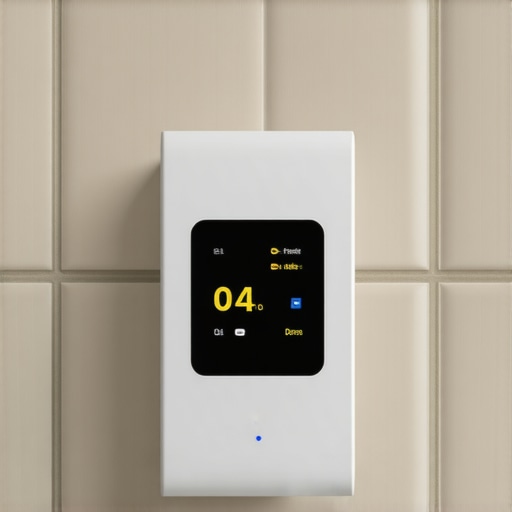
The advent of IoT-enabled sensors capable of real-time humidity and microbial detection marks a paradigm shift in preventative maintenance. These devices monitor internal conditions, sending alerts before damage manifests visibly, and allowing for targeted interventions. Deployment of such technology, detailed in recent industry reports, promises a proactive approach to preserving surface integrity and minimizing repair costs.
Are smart sensors reliable enough for continuous moisture surveillance in bathrooms?
Current sensors exhibit high accuracy and durability when installed correctly, providing invaluable data streams to maintenance systems. Their integration with automated controls facilitates immediate responses—such as activating dehumidifiers or triggering surface treatments—thus extending the lifespan of bathroom surfaces significantly.
In the pursuit of timeless bathroom excellence, the fusion of innovative materials and meticulous maintenance is paramount. Leaders in the field recognize that embracing nano-technology, antimicrobial surfaces, and sustainable solutions not only enhances longevity but also elevates aesthetics. These advanced strategies serve as a blueprint for transforming ordinary spaces into enduring works of art.
Why natural materials alone can’t guarantee longevity in high-moisture zones
While reclaimed ceramics and eco-friendly sealants align with sustainability goals, their performance hinges on modern application techniques and compatibility with other durable components. Surface science demonstrates that pairing these with nano-coatings or antimicrobial treatments creates a synergy that resists wear, mold, and water ingress.
How smart integration redefines maintenance regimes
Embedding IoT sensors into bathroom fixtures enables real-time monitoring of humidity and microbial activity, fostering proactive interventions. Such technology moves beyond routine cleaning, offering precision protection that aligns with advanced renovation philosophies.
What future trends will push bathroom resilience beyond current limits
Emerging developments in surface micro-texturing and adaptive materials promise surfaces that heal minor damages autonomously and adjust to environmental changes. Staying at the forefront requires continuous education and adoption of these innovations, ensuring your space remains both beautiful and resilient for decades.

![Stop Shower Leaks With This 3-Step Grout Reseal Tactic [2026]](https://elegantfloorz.com/wp-content/uploads/2026/01/Stop-Shower-Leaks-With-This-3-Step-Grout-Reseal-Tactic-2026-420x300.jpeg)