
![Orange Shower Grout? 3 Common Fixes That Actually Work [2026]](https://elegantfloorz.com/wp-content/uploads/2026/01/Orange-Shower-Grout-3-Common-Fixes-That-Actually-Work-2026.jpeg)
Mastering the Art of Shower Grout Restoration: An Expert Perspective
In the realm of bathroom maintenance, particularly with showers featuring vibrant or distinctive grout colors such as orange, the challenge lies not merely in aesthetic appeal but in ensuring durability against moisture, mold, and wear over time. Professionals recognize that grout’s role extends beyond visual harmony; it serves as a crucial barrier preventing water ingress, which can compromise underlying structures. As moisture penetration exacerbates deterioration, advanced solutions that blend chemical resilience with material science become paramount.
Deciphering the Degradation Patterns of Orange Shower Grout
Understanding why orange grout sometimes fails prematurely requires a deep dive into its formulation and application conditions. Often, such grout contains synthetic dyes and cement-based compounds susceptible to efflorescence, efflux, or discoloration when exposed to persistent humidity. Expert analyses reveal that improper curing, inadequate sealing, or chemical incompatibility with cleaning agents accelerate deterioration. Precise identification of these factors informs targeted interventions, shifting focus from superficial fixes to core material fortification.
Advanced Techniques for Reinforcing Grout: A Comparative Approach
What Are the Most Effective Long-Term Solutions for Fading and Cracking Grout in Shower Environments?
Field-tested methods include applying high-quality, stain-resistant grout sealants that repulse water and resist chemical degradation. Professionals often recommend epoxy or urethane-based sealants, which provide superior adhesion and flexibility compared to traditional silicone or cementitious coatings. Moreover, utilizing grout colorants formulated for high-moisture zones, combined with meticulous surface preparation, ensures restored aesthetic appeal and function. For instance, grout repainting techniques can reinvigorate older installations without invasive removal, provided proper cleaning and priming are performed.
Ensuring Grout Resilience through Material Innovation
Recent advances in grout compositions, such as polymer-modified or nano-enhanced formulations, promise enhanced longevity and stain resistance. These innovations leverage nanotechnology to create a dense, impermeable matrix resistant to efflorescence and discoloration—a crucial factor for maintaining vibrant hues like orange in high-use bathrooms. Integrating such solutions requires careful assessment of compatibility with existing tiles and shower components, emphasizing that technical knowledge is a prerequisite for optimal outcomes.
Expert Strategies for Maintaining Shower Tile and Grout Integrity
Routine maintenance, including prompt cleaning with pH-neutral agents and periodic resealing, extends the functional lifespan of grout. Professionals advise adopting a proactive approach rather than reactive repairs. Smart adoption of natural sealants and eco-friendly cleaning products, as discussed in eco-friendly tile care, not only prolongs grout life but also aligns with sustainability goals.
How Can Technological Innovations Transform Shower Grout Maintenance in 2026?
The future of grout repair hinges on integrating sensor technology for moisture detection and AI-driven predictive maintenance. Sensors embedded within grout joints could alert homeowners or professionals to early signs of deterioration, enabling targeted interventions before widespread failure. Such advancements echo broader trends in
Transforming Bathroom Renovations with Cutting-Edge Grout Technologies
As the industry moves toward sustainable and high-performance building materials, newer grout formulations incorporate advanced polymer and nano-technologies that drastically enhance color retention, resistance to mold, and overall longevity. These innovations not only benefit aesthetic appeal but also reduce maintenance frequencies, making them the preferred choice for modern homeowners aiming for durability and eco-friendliness. For those interested in sustainable options, exploring eco-friendly tile solutions offers valuable insights into environmentally conscious materials compatible with these technological advancements.
Why Do Some Grout Colors Outperform Others in High-Moisture Zones?
This question taps into the core of material science, where pigment stability, bonding agents, and curing processes interplay. Experts note that pigments with UV and moisture-resistant properties help maintain vivid hues like orange over prolonged exposure to moisture-heavy environments. Additionally, the integration of nano-ceramic particles within grout matrices creates a protective barrier against efflorescence and discoloration, as highlighted in recent studies on nanomaterial enhancements for ceramic composites (ScienceDirect). Such innovations underscore the importance of selecting materials tailored for demanding bathroom environments, especially as homeowners seek vibrant yet resilient finishes.
What Practical Measures Empower Homeowners to Prevent Grout Failures?
Beyond selecting the right materials, implementing proactive maintenance routines dramatically extends grout lifespan. Regularly cleaning with pH-neutral solutions, resealing every few years, and promptly addressing leaks are fundamental. Moreover, adopting tools like moisture sensors capable of detecting early signs of water infiltration—integrated with mobile apps—allows for real-time monitoring and timely intervention, thereby preventing costly repairs. For a comprehensive approach, explore trusted grout sealant solutions designed specifically for high-moisture zones.
Innovation in Grout Restoration: The Role of Self-Healing Materials
The frontier of grout technology is shifting toward self-healing materials that autonomously repair minor cracks and fissures, dramatically reducing maintenance needs. These smart materials utilize microcapsules embedded within the grout that release repairing agents when fractures form. Such systems could revolutionize bathroom upkeep, making regular reapplications redundant. While still emerging, these solutions exemplify the potential for self-sustaining bathroom environments that proactively mitigate deterioration. For a glimpse into future-grade materials, professional insights and ongoing research can be found in recent reports by the Nature Materials.
How Will IoT and AI Shape the Next Generation of Shower Maintenance?
The integration of Internet of Things (IoT) devices and artificial intelligence (AI) into bathroom infrastructure promises a new level of preventative care. Sensors embedded within shower grout joints could analyze moisture levels, temperature fluctuations, and even microbial activity, alerting homeowners or service providers to potential issues before visible damage occurs. This predictive capability enables maintenance to be scheduled proactively, reducing downtime and preserving aesthetic integrity. Embracing these technologies aligns with industry trends toward smart homes and sustainability, guiding us into a future where bathroom care is seamlessly efficient.
If you’re eager to explore more about innovative maintenance techniques and the future of tile and grout technology, consider reviewing trusted grout maintenance tips for lasting bathroom beauty. Sharing your thoughts or experiences can help foster a community of informed homeowners investing in lasting bathroom upgrades.
Harnessing Nano-Enhanced Technologies for Superior Grout Durability
Recent breakthroughs in nanotechnology have begun to revolutionize the formulation of tile and grout materials. Nano-augmented composites incorporate ultra-fine particles that fill microscopic voids within the grout matrix, significantly boosting its density and resistance to water infiltration, efflorescence, and staining. Experts emphasize that integrating nano-silica or nano-titanium dioxide can create a formidable barrier against moisture, ultimately preserving vibrant colors like orange in high-moisture environments.
This innovation requires meticulous compatibility assessments with existing tiles and sealants to ensure optimal bonding and performance. Moreover, understanding the interplay between nanomaterials and traditional cementitious bases is critical; improper integration could lead to compromised adhesion or unexpected chemical reactions. Consider consulting specialized suppliers and conducting small-scale trials before full-scale application. For professional-grade solutions, manufacturers such as @NanoGroutTech offer formulations tailored for demanding bathroom settings, promising longevity and aesthetic fidelity.
The Emergence of Self-Healing Grout Materials in Bathroom Environments
One of the most forward-thinking developments is the advent of self-healing grout compounds. These smart materials contain microcapsules filled with polymeric or epoxy resins that remain inert until a crack forms, activating the capsules and releasing the healing agents to restore the structural integrity seamlessly. This autonomous repair mechanism extends grout lifespan, reduces maintenance frequency, and maintains the vibrancy of colorants such as orange hues over years of use.
Implementing self-healing technologies demands an understanding of fracture mechanics within grout networks and the compatibility of healing agents with existing tile adhesives and sealants. While commercially available options are still emerging, research indicates promising results in laboratory settings—an indication that such materials could become practical for residential and commercial applications in the near future. For a deep dive into their potential, see the comprehensive review published in Advanced Materials Science (2022), which explores the chemical and physical principles underpinning these innovative solutions.
Understanding the Critical Role of Application Environment and Maintenance Routines
Even the most advanced grout formulations can falter if applied under suboptimal conditions. Environmental factors such as temperature fluctuations, humidity levels, and exposure to cleaning chemicals profoundly influence grout performance. Experts advocate for constructing controlled environments during application and curing phases, ensuring optimal bonding and chemical reactions. Additionally, ongoing maintenance strategies—like implementing quarterly resealing with high-grade, moisture-resistant sealants—are essential for preserving color vibrancy and structural integrity of orange grout.
Incorporating moisture sensors that connect to smart home systems empowers homeowners to monitor water infiltration in real-time. These sensors can detect early signs of failure, such as increased moisture levels or microbial growth, prompting immediate remedial action. Sustainable cleaning practices —such as using pH-neutral, biodegradable cleaners—not only safeguard grout health but also align with eco-conscious living ideals. For practical insights, the guide at Long-term grout maintenance offers valuable, actionable tips.
Future Pathways: Smart Technology and Predictive Maintenance in Shower Grout Care
Looking ahead, the convergence of IoT devices and AI algorithms promises to redefine grout maintenance. Sensors embedded within grout joints can continuously assess moisture levels, detect early microcracking, and even monitor microbial activity—transmitting data to centralized systems for analysis. Machine learning models can then predict deterioration trends based on historical patterns, enabling preemptive interventions that prevent costly repairs and aesthetic degradation.
This paradigm shift toward predictive maintenance is not merely theoretical; pilot programs deploying sensor networks in commercial bathrooms have demonstrated reduced repair costs and improved longevity of grout finishes. Integrating these technologies requires cross-disciplinary collaboration among material scientists, IoT developers, and plumbing professionals—highlighting the importance of interdisciplinary expertise for future innovations. As these systems mature, they will empower homeowners and facility managers to maintain vibrant, durable grout surfaces with unprecedented efficiency and confidence.
To explore more about cutting-edge advancements in grout technology and their practical applications, visit our dedicated section on tile and grout innovations. Your insights and experiences could contribute significantly to developing smarter, more resilient bathroom environments—join the conversation today!
Harnessing the Power of Microbial-Resistant Coatings for Enhanced Grout Longevity
In the quest to sustain the vibrancy of high-maintenance hues like orange in shower grout, microbial-resistant coatings emerge as a game-changer. These advanced formulations integrate biocidal agents that inhibit mold and bacterial colonization, critical for bathrooms subjected to persistent humidity. By creating a hostile environment for microbial growth, such coatings not only preserve color integrity but also bolster overall hygiene standards. Professionals are increasingly adopting these technologies to extend grout lifespan without frequent chemical cleanings, leading to healthier bathroom environments.
What Are the Latest Developments in Nano-Infused Grout Solutions?
Recent innovations in nano-technology have led to grout formulations embedding nano-sized particles, such as silica or titanium dioxide. These particles enhance the material’s density, sealing microscopic pores and creating a formidable barrier against water ingress and staining. Scientific studies, including those published by ScienceDirect, underscore the efficacy of nano-augmented grouts in resisting efflorescence and discoloration over prolonged periods. Implementing such solutions demands precise compatibility assessments but promises remarkable improvements in durability, especially for vibrant color retention like orange hues under constant moisture exposure.
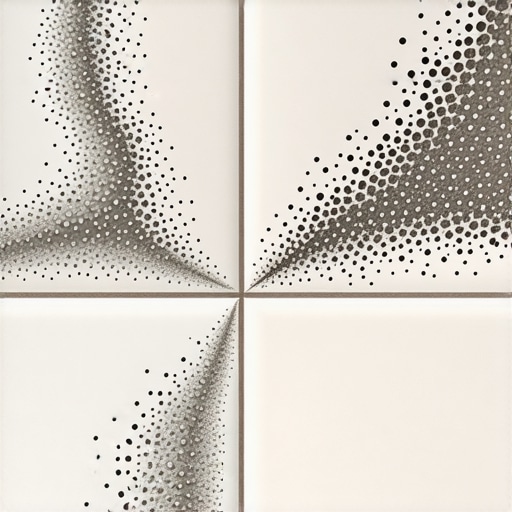
Illustration of nano-technology particles integrating into grout matrix, illustrating enhanced sealing and stain resistance.
How Can Professional-Grade Sealants Transform Routine Maintenance?
High-performance sealants, particularly epoxy and urethane-based variants, offer superior adhesion, flexibility, and chemical resistance. Their application creates an impermeable barrier that prevents water and cleaning agents from degrading grout surfaces. Regular use of these sealants, coupled with scheduled resealing every 2–3 years, significantly reduces the frequency of repairs and restores vibrancy in colored grout like orange. Experts emphasize meticulous surface preparation and correct curing conditions to maximize sealer effectiveness, ensuring that aesthetic appeal and structural integrity are maintained over time.
Unveiling the Role of Bio-Inspired Materials in Self-Healing Grouts
Drawing inspiration from nature’s regenerative processes, researchers have developed bio-inspired self-healing grout materials. These utilize microcapsules containing healing agents that rupture upon crack formation, releasing substances capable of sealing fissures autonomously. This innovation minimizes maintenance disruptions, preserves aesthetic qualities, and prolongs the lifespan of grout joints. While still in experimental stages, recent advancements in this domain, as detailed in Nature Materials, suggest a future where grout repair becomes largely automatic, especially advantageous in moisture-rich environments like showers.
Incorporating IoT for Predictive Grout Health Monitoring
The integration of Internet of Things (IoT) technology into bathroom infrastructure heralds a new era of proactive grout maintenance. Moisture sensors embedded within grout lines continuously monitor water infiltration levels, transmitting data to connected devices. Machine learning algorithms analyze these inputs to forecast deterioration trends, enabling timely interventions before visible damage occurs. Such systems optimize maintenance schedules, prevent mold proliferation, and preserve vibrant colors like orange through early detection. Civil engineers and smart home innovators underscore that these developments could dramatically reduce repair costs and improve hygiene standards.
Can Environmental Factors Impact the Success of Advanced Grout Technologies?
Absolutely. External conditions, including ambient temperature, humidity, and cleaning regimens, influence the performance of even the most sophisticated grout materials. Variations in these parameters can impair curing processes or compromise nano-layered barriers, undermining longevity. Experts recommend controlling environmental variables during application and opting for formulations explicitly designed for high-moisture environments. Furthermore, periodic reapplication of protective coatings, in conjunction with vigilant moisture monitoring, sustains grout vitality, especially for vibrant shades prone to fading due to chemical interactions.
What Is the Future of Sustainable, High-Performance Grout Materials?
Future innovations are poised to combine sustainability with peak performance, utilizing eco-friendly binders and recycled nanomaterials. These environmentally conscious solutions aim to reduce VOC emissions, increase reuse of industrial byproducts, and deliver long-lasting resilience against moisture and microbial attack. As industry standards evolve, collaboration between material scientists, environmental agencies, and industry professionals will accelerate the adoption of green composites that do not compromise aesthetics, such as vivid orange hues, but enhance durability and ecological footprint. For in-depth insights, consult resources like the 2025 Sustainable Building Material Report.
How Do Color-Stable Pigments Revolutionize Shower Aesthetics?
The pursuit of long-lasting vibrancy in colored grout hinges on the development of pigment-stable compounds. Advanced inorganic pigments, resistant to UV degradation and moisture-induced fading, underpin this progress. Nano-encapsulated pigments further enhance color retention by preventing leaching and chemical reaction. The strategic selection and application of these pigments empower designers and homeowners to maintain striking visual effects, even after years of exposure to high humidity and cleaning procedures. Engaging with suppliers specializing in high-durability pigments ensures that aesthetic goals align with functional longevity.
Proactive Strategies for Homeowners Striving to Prevent Grout Degradation
Beyond material selection, implementing rigorous maintenance routines can vastly extend grout lifespan. Techniques include prompt cleaning with pH-neutral agents, consistent resealing, and addressing leaks at their earliest signs. Incorporating smart moisture monitoring devices allows for real-time oversight, facilitating immediate corrective actions. Educating oneself on eco-friendly cleaning products and avoiding harsh chemicals preserves grout integrity while reducing environmental impact. By adopting such proactive measures, homeowners can enjoy vibrant, durable shower finishes with minimized restorative interventions.
Innovations on the Horizon Centered on Self-Healing and Smart Technologies
The intersection of self-healing materials and smart sensor systems represents a transformative frontier. Emerging grout formulations with microcapsules promise autonomous repair of microcracks, while sensor networks facilitate early detection of moisture ingress or microbial colonization. These synergistic technologies could redefine maintenance paradigms, shifting focus from reactive repairs to preventative care. Through continuous innovation, the industry aims to craft resilient, eco-friendly, and aesthetically vibrant grout solutions that anticipate and mitigate deterioration, securing longevity even in challenging bathroom environments.
Insights That Could Redefine Your Shower Maintenance Approach
Prioritize Material Compatibility to Extend Longevity
Choosing grout formulations infused with nano-technology or bio-inspired self-healing properties can dramatically reduce the frequency of repairs, especially in moisture-heavy environments. Experts advocate assessing the chemical and physical compatibility of these advanced materials with your existing tile surfaces to maximize benefits.
Adopt Proactive Monitoring with Smart Sensors
Integrating moisture sensors that communicate with your mobile devices allows for early detection of water infiltration, preventing minor issues from escalating into costly damages. This approach aligns with industry shifts toward smart home innovations, offering peace of mind and longevity for vibrant grout colors like orange.
Embrace Sustainable and Eco-Friendly Solutions
Waterproof, microbial-resistant coatings made from eco-conscious materials not only prolong your grout’s aesthetic appeal but also contribute to healthier bathroom environments. Staying informed through trusted resources ensures your choices support both durability and sustainability.
Engage with Emerging Technologies for Future-Proofing
Artificial intelligence combined with IoT devices is pushing the boundaries of maintenance automation, enabling predictive care that anticipates deterioration before it manifests visibly. Such trends are promising game-changers for professionals and homeowners committed to lasting bathroom renovations.
Expert Resources Worth Your Attention
- ScienceDirect Articles: Cutting-edge studies on nanomaterials improving grout resilience.
- Nature Materials Publications: Breakthroughs in self-healing construction materials and their practical applications.
- Trusted Industry Blogs and Manufacturer Whitepapers: Insights into environmentally friendly, high-performance grout technologies.
Reflecting on the Future of Shower Grout Sustainability and Durability
The landscape of shower grout has rapidly evolved from simple cement mixes to sophisticated composites blending nanotechnology, bio-inspiration, and smart monitoring. This convergence empowers homeowners and professionals alike to achieve unparalleled resilience, color fidelity, and hygiene standards in moist environments. Embracing these innovations requires staying informed and collaborating with specialized suppliers, positioning you at the forefront of bathroom excellence. Share your experience with these advanced solutions or explore our curated eco-friendly tile options to further your knowledge. Together, we can innovate bathroom care—driving industry standards toward smarter, longer-lasting, and more sustainable results.

![Is Your Grout Porous? Try This 2026 Water-Drop Test [Fast Fixes]](https://elegantfloorz.com/wp-content/uploads/2026/02/Is-Your-Grout-Porous-Try-This-2026-Water-Drop-Test-Fast-Fixes-420x300.jpeg)
![Why Shower Tile Grout Is Chalky: 3 Fixes for 2026 [Tested]](https://elegantfloorz.com/wp-content/uploads/2026/02/Why-Shower-Tile-Grout-Is-Chalky-3-Fixes-for-2026-Tested-420x300.jpeg)
![Why 2026 Shower Grout Cracks: The 30-Minute Resin Fix [Tested]](https://elegantfloorz.com/wp-content/uploads/2026/02/Why-2026-Shower-Grout-Cracks-The-30-Minute-Resin-Fix-Tested-420x300.jpeg)
I really appreciate how comprehensive this post is! As someone who’s been dealing with fading orange grout in my shower, I found the sections on nano-enhanced formulations and self-healing materials particularly insightful. It’s amazing how technology is advancing to offer solutions that not only restore but also proactively maintain grout health. I’ve started exploring nano-technology options for my next renovation project—does anyone have experience with nano-infused grout in humid environments? Also, I wonder how feasible it is for typical homeowners to incorporate IoT moisture sensors into their bathroom maintenance routines. It seems like a game-changer for early detection and prevention of mold and discoloration, especially in high-traffic showers. How do others ensure these high-tech solutions are compatible with existing tile and sealants? Looking forward to hearing about real-world applications and tips from this community!