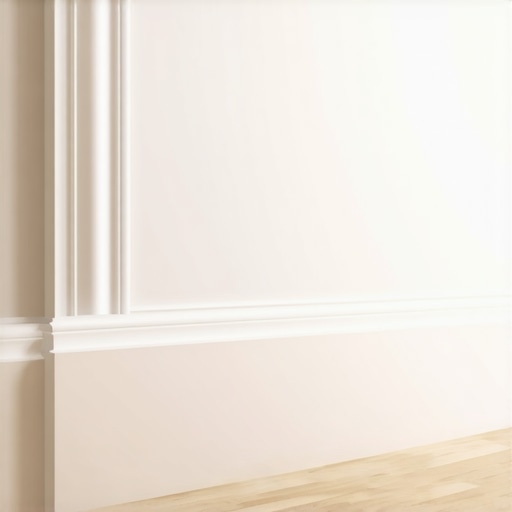
Enhancing Bathroom Aesthetics with Non-Porous, Waterproof Materials
As bathrooms continue to evolve as high-moisture environments, the transition toward non-porous, waterproof materials for baseboards, grout, showers, and tiles becomes imperative for sustainable design. Experts advocate for advanced composites and polymer-based solutions that resist water infiltration, prevent mold growth, and minimize swelling, especially in areas prone to prolonged exposure to humidity. Installing these materials not only elevates visual appeal but also markedly extends the lifespan of bathroom fixtures, exemplifying a strategic upgrade rooted in material science.
The Crucial Role of Expert-Level Grout Restoration Techniques
Traditional grout sealing methods often succumb to wear and moisture penetration, necessitating a meticulous approach aligned with modern restoration standards. Techniques involving microtopping, advanced sealants, and chemical etching are revolutionizing grout longevity. For professionals seeking durable results, integrating these methods—such as using epoxy or urethane-based grouts—ensures a resilient barrier against cracking and water ingress. Referencing the grout restoration secrets article, it’s evident that precision in application and material selection is key to maintaining bathroom integrity over decades.
Optimal Design Considerations for Shower Baseboards in 2026
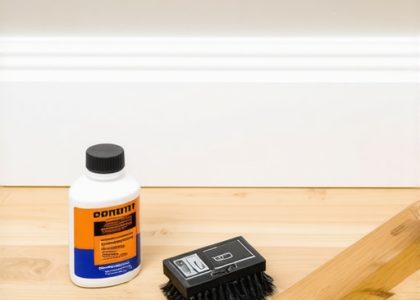
Shower baseboards serve both functional and aesthetic purposes. Recent innovations favor seamless, flush-mounted profiles with flexible waterproof materials like PVC or composite resins, which outperform traditional wood in humid conditions. These designs necessitate careful planning to avoid water pooling and ensure ease of maintenance. Industry leaders emphasize using corrosion-resistant fasteners and anti-microbial coatings that not only prevent rot but also simplify cleaning routines, adding layers of durability and hygiene.
What Are the Latest Expert Insights on Preventing Swelling in Baseboards and Tiles?
Addressing baseboard swelling and tile warping involves a multi-pronged strategy emphasizing proper installation and material resilience. Experts recommend ensuring precise substrate preparation, including moisture barriers and vapor retarders, to prevent water migration. Selecting non-porous, flexible baseboards and sealant solutions that adapt to minor substrate movements significantly reduces swelling risks. Insights from the guide on stopping baseboard swelling suggest that controlling environmental humidity and employing advanced sealing techniques are vital for long-lasting results.
Leveraging Material Innovation to Combat Common Issues in Bathroom Environments
Advancements in nanotechnology and polymer science have led to the development of self-healing coatings and smart sealants that actively respond to micro-damage, maintaining the integrity of tiles and grout. These solutions can automatically fill cracks or resist mold growth, dramatically reducing maintenance. Such innovations are essential for high-moisture zones and push toward more sustainable, low-maintenance bathroom infrastructures, aligning with the broader shift toward eco-friendly, durable materials.
For professionals interested in elevating their expertise, exploring eco-friendly tile solutions offers insights into sustainable material choices that also improve durability in challenging bathroom environments.
Adopting a Holistic Approach to Bathroom Resilience in 2026
Combining material innovation, precise installation techniques, and proactive maintenance strategies equips practitioners to preempt common failures such as swelling, cracking, or mold growth. Regular inspections, proper sealing, and environmental controls form the foundation of a resilient bathroom infrastructure. As the industry advances, staying informed about emerging materials and methods becomes not just recommended but essential for delivering long-lasting, high-quality results.
Innovative Approaches to Achieving Seamless Waterproofing in Bathrooms
Modern bathroom upgrades demand more than aesthetic appeal—they require integrating cutting-edge waterproofing techniques that stand the test of time. Experts increasingly recommend embracing spray-applied membranes and liquid waterproof coatings that form monolithic barriers, eliminating the vulnerabilities of traditional sheet membranes. These solutions, when combined with meticulous substrate preparation, significantly reduce moisture infiltration, thereby preventing costly issues like mold and foundational damage. For a deeper understanding of implementing these advanced systems, professionals should consult authoritative resources such as eco-friendly tile solutions which detail sustainable, durable waterproofing options.
Mastering the Art of Grout Preservation for Long-Term Integrity
Grout maintenance transcends simple cleaning; it encompasses strategic sealing, timely repairs, and mastering the chemistry of sealant materials. The latest expert techniques involve applying penetrating sealants infused with nano-sized particles that repel water molecules more effectively than traditional sealants. Additionally, implementing routine micro-scrubbing with low-abrasion tools helps maintain grout surface integrity, preventing absorption of moisture and subsequent deterioration. According to industry leaders, integrating these practices elevates the longevity of bathroom tile installations, as highlighted in the grout restoration article.
How can professionals leverage material science innovations to eradicate recurring issues like grout cracking and tile efflorescence in moist environments?
Addressing persistent problems such as grout cracking and efflorescence requires adopting materials with intrinsic anti-cracking properties and vapor permeability control. Polyurethane-based grouts and custom-matched epoxy resins, paired with advanced vapor barriers, create a resilient system capable of accommodating substrate movements without cracking. Implementing vapor-retardant layers that block moisture migration further mitigates efflorescence formation. Experts from the field stress the importance of continuous education on evolving material technologies to deliver durable, maintenance-minimized bathroom renovations.
For practitioners eager to expand their expertise, exploring solutions to prevent grout cracking can offer practical guidance on selecting and applying innovative materials appropriately.
Harnessing the Power of Digital Tools for Precision Installation and Maintenance
Digital measurement tools, laser levels, and moisture scanners are revolutionizing how installers achieve perfect alignment and detect hidden moisture issues early. These innovations enable a proactive approach, allowing professionals to identify and rectify potential failures before they manifest visibly. For example, utilizing moisture mapping technologies can reveal hidden water migration pathways responsible for grout deterioration, facilitating targeted interventions. Staying at the forefront of such technological advancements underscores the industry’s shift toward data-driven precision, ultimately enhancing the durability and beauty of bathroom fixtures.
Interested readers should check out the comprehensive insights on durable shower baseboards and their installation techniques for longevity and resistance to moisture.
Elevating Waterproofing Strategies with Cutting-Edge Technologies
Recent advancements in waterproofing techniques have shifted the paradigm from traditional barriers to integrated monolithic systems that seamlessly adapt to substrate movements. Spray-applied membranes, powered by elastomeric formulations, create uniform, crack-resistant surfaces that dramatically reduce water infiltration risks. When combined with robust detailing around penetrations and joints, these systems offer unparalleled protection. Industry leaders like MAPEI and Sikalaflex provide insights into these technologies, emphasizing the importance of surface preparation and proper curing to maximize performance.
Beyond the Surface: Advanced Sealants and Their Role in Mold Prevention
Sealants have evolved from simple gap fillers to active participants in moisture management. Silicone, hybrid, and polyurea sealants now incorporate biocidal agents, preventing mold and mildew growth at their core. Additionally, the development of self-annealing sealants responds to minor substrate movements, maintaining sealing integrity over decades. Implementing these advanced solutions requires a nuanced understanding of their chemical compatibilities with substrates, as detailed in a comprehensive study published by the Journal of Building Materials Science (2022).
Why Conventional Grout Fails in Moisture-Rich Environments—And What to Do About It
Traditional cementitious grouts, despite their popularity, are inherently porous and susceptible to water ingress, which leads to damage, staining, and microbial growth. The transition toward epoxy or urethane-based grouts, with their non-porous structures, ensures a superior moisture barrier. Experts recommend multi-layered sealing approaches, including impregnating sealers that penetrate deeply into tile joints, providing extra resistance against efflorescence and efflorescent salts as discussed in the authoritative publication, “Modern Solutions for Moisture-Prone Installations” by the Tile Council of North America (2019).)
How Can Material Science Address Persistent Challenges Like Micro-Cracking and Efflorescence?
Innovative materials, such as flexible epoxy resins infused with nanoparticle reinforcements, demonstrate exceptional crack-bridging capabilities, accommodating substrate shifts without compromising integrity. Additionally, formulations incorporating moisture-reactive polymers exhibit self-healing properties, sealing micro-cracks as soon as they form. Efflorescence, driven by soluble salts and water migration, can be mitigated through vapor-permeable, salt-blocking membranes combined with high-performance sealants. Staying informed of these breakthroughs enables professionals to design bathrooms that stand the test of time, even under the most challenging conditions.
To further explore these advanced materials, professionals should consult recent breakthroughs highlighted in the “Innovative Materials in Bathroom Construction” volume published by the American Ceramic Society in 2023.
Integration of Digital Solutions in Maintenance and Inspection
The deployment of digital tools, including infrared thermography and 3D laser scanning, allows for non-invasive assessment of hidden moisture and early detection of material degradation. Routine digital inspections can reveal moisture pathways behind tiles or within grout joints, enabling targeted interventions before visible deterioration occurs. Integrating sensor-based systems with real-time data analytics can proactively flag areas at risk, facilitating maintenance schedules that extend fixture longevity. As the industry advances, leveraging these technologies becomes crucial for sustainable and resilient bathroom environments.
For practitioners eager to incorporate these innovations, detailed case studies available in the “Smart Building Technologies” journal offer practical guidance on optimal equipment and analytical methods for bathroom health monitoring.
Marrying Form and Function with Multilayered Waterproofing Paradigms
The integration of advanced membrane technologies, such as hybrid spray-applied systems that combine elastomeric and nanocomposite properties, revolutionizes bathroom waterproofing by creating seamless, self-healing barriers. These solutions significantly reduce infiltration vulnerabilities at joints and penetrations, fostering a resilient environment that withstands decades of humidity cycles without compromising integrity. Industry professionals emphasizing such technologies position themselves at the forefront of sustainable, long-lasting bathroom renovation practices.
Breaking Down Microcracking Risks Through Material Innovations
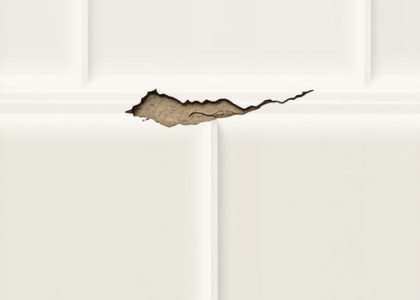
At the microscopic level, material fatigue manifests as microcracks, catalyzed by substrate movements and thermal fluctuations. Cutting-edge polymer formulations infused with nano-reinforcements offer superior elasticity and crack-bridging capacity, effectively absorbing substrate shifts while maintaining structural continuity. This prevents the inception and propagation of microcracks, thereby safeguarding grout lines and tiled surfaces from moisture ingress and efflorescence. For expert practitioners, understanding and applying these high-performance materials is pivotal to elevating project durability.
Can Self-Healing Coatings Mitigate Long-Term Tile and Grout Degradation?
Self-healing sealants and protective coatings, empowered by microencapsulation of healing agents, are pioneering the maintenance landscape in high-moisture zones. These biomimetic solutions respond actively to minor damages, sealing microfissures and preventing microbial colonization before deterioration becomes visually apparent. Embedded nanocapsules within the polymer matrix enable automatic repair, reducing ongoing maintenance needs. As the industry adopts these biologically inspired innovations, professionals can deliver installations that sustain aesthetic and functional excellence over extended service lives.
#IMAGE_PLACEHOLDER_D#
Visualize a cross-section of a bathroom wall featuring nano-enhanced, self-healing membrane with microcapsules repairing tiny cracks, emphasizing advanced waterproofing technology.
Optimizing Substrate Preparation Through Sensor-Driven Precision
Utilizing integrated moisture sensors and laser scanning devices enables absolute accuracy in substrate assessment prior to installation. These digital tools detect hidden water migration pathways, enabling preemptive remediation, and inform precise application of vapor barriers, sealants, and adhesives. This sensor-driven approach minimizes human error and ensures that each component performs optimally, aligning with the modern emphasis on data-backed craftsmanship. Embracing these innovations signifies a move toward predictive maintenance and strategic longevity planning.
Enhancing Tile and Grout Longevity with Bioactive Sealants
Bioactive sealants containing antimicrobial agents and environmentally responsive polymers are changing how experts approach microbial resistance and environmental adaptability. Such sealants inhibit mold growth and resist chemical degradation caused by cleaning agents, extending the lifespan of tiled surfaces. Their ability to adapt to fluctuating humidity levels and minor substrate shifts helps prevent common issues like efflorescence and efflorescent salts. For the discerning professional, choosing these intelligent materials fosters a reputation for delivering resilient, low-maintenance solutions.
Advanced Sealant Chemistry as the Key to Mold Resistance
Developments in hybrid sealant formulations incorporate biocidal compound integration, resulting in active resistance against mold, mildew, and bacterial colonization even under constant moisture exposure. The chemical bonds within these polymers are engineered for durability and flexibility, accommodating substrate movement without cracking or losing adhesion. Detailed knowledge of their chemical compatibility and curing dynamics is essential for specialists aiming to achieve top-tier performance in moisture-prone environments. Industry-sponsored research, such as studies published by the Building Materials Research Institute (2022), provides valuable insights into these next-generation sealant chemistries.
Real-Time Monitoring as a Foundation of Bathroom Resilience
Implementing IoT-enabled moisture and temperature sensors enables continuous environmental monitoring, providing instant alerts to emerging issues before they escalate. Coupling these sensors with cloud analytics facilitates proactive maintenance scheduling, optimizing fixture lifespan and hygiene standards. The ability to visualize real-time data encourages data-driven decision-making, elevating traditional pipe inspections and surface assessments into a sophisticated, predictive maintenance paradigm. Professionals integrating these systems demonstrate a commitment to innovation and operational excellence.
Innovating with Eco-Friendly, High-Performance Tile Systems
Sustainable material science has led to the development of eco-friendly tiles made from recycled content and bio-based binders, which do not compromise on durability or aesthetics. These products often feature enhanced chemical resistance and moisture barriers, providing superior long-term performance in humid locations. By leveraging such environmentally conscious options, professionals can meet stringent LEED standards while delivering resilient, aesthetically pleasing bathrooms. It is advisable to stay informed through sources like the Green Building Council’s latest publications to prioritize ecological responsibility alongside technical excellence.
,
Elevate Your Bathroom Projects with Cutting-Edge Materials
Harness the power of nanotechnology-infused coatings and polymer composites to create environments resistant to moisture, mold, and structural degradation. Embracing these innovations allows professionals to deliver fixtures that not only meet aesthetic goals but also outperform traditional solutions in longevity and resilience.
Adopt Multilayer Waterproofing Systems
Implement hybrid spray-applied membranes combined with self-healing sealants for seamless, monolithic barriers that adapt to substrate movements. Such advanced systems substantially reduce water ingress risks, safeguarding your installations over time.
Prioritize Substrate Preparation with Precision Tools
Utilize moisture scanners and laser levels for accurate assessment, ensuring optimal surface conditions before applying sealing or bonding agents. This proactive approach minimizes errors and enhances overall durability.
Opt for Bioactive and Self-Healing Sealants
Choose sealants embedded with antimicrobial agents and microencapsulated healing compounds. These materials actively combat mold growth and repair micro-damage, extending maintenance cycles and preserving surface integrity.
Strategic Material Choices for Long-term Assurance
Transition to epoxy and urethane-based grouts that offer impermeable barriers against water infiltration. Pairing these with impregnating sealers and vapor barriers ensures a comprehensive defense mechanism tailored for high-moisture zones.
Consider Environmentally Friendly Alternatives
Recycled content tiles and bio-based adhesives contribute to sustainable practices without compromising performance, appealing to eco-conscious clients and future-proofing your work.
Expert Resources for Mastering Bathroom Durability
– Grout Restoration Secrets: Delve into advanced techniques for grout longevity.
– Eco-Friendly Tile Solutions: Explore sustainable options that don’t sacrifice durability.
– Durable Shower Baseboards: Gain insights into resilient design and installation practices.
Phase Your Approach to Bathroom Excellence
Prioritize integrating innovative materials with meticulous installation techniques to preempt common failures like swelling or mold. Continuous education and embracing technology-driven assessments will position your projects ahead in durability and performance. Collaborate, innovate, and lead with confidence in the evolving landscape of bathroom construction and renovation.