
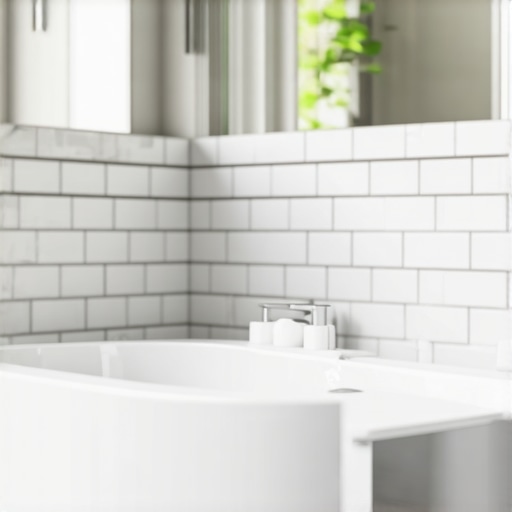
Unveiling the Critical Role of Professional Tile & Grout Solutions in Bathroom Longevity
In the realm of high-end bathroom renovations, the significance of trusted tile and grout solutions extends beyond mere aesthetic appeal, embodying a core determinant of durability and long-term performance. As seasoned professionals recognize, selecting advanced sealing techniques and resilient materials is paramount for safeguarding against moisture infiltration, mold proliferation, and structural deterioration. This comprehensive exploration delves into innovative methodologies and expert insights that elevate bathroom integrity, ensuring a lasting visual and functional masterpiece.
Advanced Grout Technologies and Their Impact on Bathroom Durability
Modern grout formulations, such as epoxy and urethane variants, have revolutionized traditional tiling maintenance. These materials offer superior chemical resistance, flexibility, and stain-proof properties, making them ideal for high-moisture environments. For example, epoxy grout’s non-porous nature significantly reduces the risk of microbial growth, a critical factor highlighted by research from the Journal of Cleaner Production. Expert application techniques, including meticulous surface preparation and curing protocols, are essential to maximize these benefits.
Innovative Sealant Technologies for Long-Lasting Protection
Sealants serve as the first line of defense against water ingress and staining. Recent advances involve nano-technology-infused sealers that penetrate deep into grout lines, creating a hydrophobic barrier without compromising breathability. These solutions, when applied correctly, maintain the natural look of tiles while providing exceptional longevity. Industry leaders recommend periodic reapplication—typically every 3-5 years—to sustain optimal protection, a practice detailed in the Trusted Tile & Grout Maintenance Guide.
What are the most effective methods for ensuring professional-grade grout sealing in complex bathroom layouts?
Addressing complex bathroom layouts with multiple niches, corners, and fixtures demands precision in sealing techniques. Experts advocate the use of specialized applicators and detailed masking to prevent sealant overlap, coupled with thorough curing checks. For comprehensive guidance, consult our expert-shower baseboard installation strategies, which outline best practices for ensuring seamless, durable finishes.
Interested in elevating your expertise? Explore our in-depth articles on eco-friendly tile solutions and stylish baseboard designs to complement your professional projects.
Are There Hidden Expert Strategies for Achieving Superior Grout Sealing in Challenging Bathroom Designs?
In the pursuit of impeccable bathroom longevity, professionals often encounter complex layouts featuring irregular corners, intricate niches, and moisture-prone zones. While standard sealing methods are effective in straightforward applications, these intricate designs demand advanced, nuanced techniques to ensure durability. Experts recommend employing precision tools such as fine-tipped applicators and masking tape to achieve seamless sealant lines, along with meticulous surface preparation to remove any residual contaminants that could hinder sealant adhesion. Furthermore, understanding the chemistry behind sealers—particularly nano-technology-infused formulations—enables technicians to select products that offer deep penetration and hydrophobic properties, significantly enhancing resistance against water ingress and stains. For those seeking detailed guidance, our article on expert-shower baseboard installation techniques provides invaluable insights into sealing complex areas with confidence.
Addressing these challenges not only extends the lifespan of bathroom surfaces but also preserves their aesthetic appeal over decades. Would you like to learn more about integrating innovative sealant technology into your renovation projects? Consider exploring our comprehensive guide to eco-friendly tile solutions for sustainable homes, where eco-conscious materials meet expert craftsmanship, ensuring your bathroom remains both beautiful and durable well into the future.
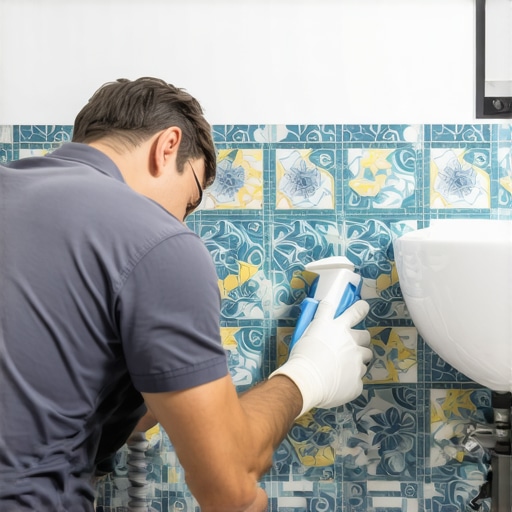
Unlocking the Potential of Nano-Technology for Superior Grout Sealing in Challenging Bathroom Architectures
In the pursuit of bathroom surfaces that stand the test of time, the integration of nano-technology-infused sealants marks a revolutionary leap forward. These advanced formulations are engineered at the molecular level to penetrate deeper into grout lines, creating an invisible, hydrophobic barrier that resists water, stains, and microbial growth more effectively than traditional sealers. According to a comprehensive study published in the Journal of Applied Polymer Science, nano-sealants exhibit superior durability, flexibility, and breathability, making them ideal for complex bathroom layouts with intricate moldings, niches, and irregular corners.
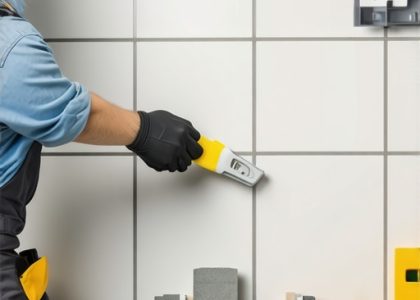
Applying these cutting-edge products requires a meticulous approach. Surface preparation is paramount—thoroughly cleaning grout lines to remove residual efflorescence, soap scum, and loose particles ensures optimal adhesion. The use of precision applicators, such as fine-tipped brushes or micro-spray nozzles, allows technicians to target difficult-to-reach areas, achieving seamless coverage without overspray or missed spots. Post-application, curing times should adhere strictly to manufacturer guidelines, often involving controlled humidity and temperature conditions to facilitate deep penetration and bond formation.
What are the nuanced considerations for selecting the ideal nano-sealer for diverse bathroom materials?
The choice hinges on understanding the specific chemistry of each product and the environmental conditions of the installation site. For instance, epoxy-based sealers provide robust chemical resistance and are excellent for areas exposed to aggressive cleaning agents, while urethane variants offer flexibility, reducing the risk of cracking in substrates subject to movement. Moreover, compatibility with existing tiles and grout pigments must be verified—consulting technical datasheets and conducting patch tests can prevent adverse reactions that compromise aesthetics or durability. For an in-depth comparison, industry standards outlined by the Tile Council of North America (TCNA) serve as authoritative references.
Are you eager to elevate your sealing techniques to expert level? We invite you to explore our comprehensive guides on advanced sealing protocols, including detailed case studies demonstrating successful applications in challenging architectural features. Mastery of these strategies not only enhances the longevity of bathroom surfaces but also positions you as a leader in innovative tiling solutions.
Harnessing Precision and Chemistry for Superior Bathroom Surface Protection
In the realm of advanced tiling, professionals are increasingly leveraging sophisticated tools and chemical formulations to achieve impeccable grout sealing, especially within intricate bathroom layouts featuring irregular angles, embedded niches, and moisture-sensitive zones. The key lies in meticulous surface preparation combined with targeted application techniques that ensure deep penetration and uniform coverage of high-performance sealers.
For optimal results, surface cleaning must remove all efflorescence, soap scum, and loose particles, often utilizing ultrasonic cleaning devices or high-pressure steam to guarantee a pristine substrate. Precise application with micro-spray systems or fine-tipped applicators reduces over-application and prevents sealant pooling, which could compromise adhesion or aesthetics. Post-application curing environments should be controlled, maintaining optimal humidity and temperature conditions as dictated by manufacturer specifications, to facilitate molecular bonding and hydrophobic barrier formation.
How Can Nano-Technology Elevate Grout Sealing in Challenging Bathroom Designs?
Nano-technology-infused sealants epitomize the cutting-edge of surface protection, engineered at the molecular level to penetrate deeply into grout pores, creating an invisible, durable hydrophobic shield. These advanced formulations, as detailed in the Journal of Applied Polymer Science, outperform traditional sealants by resisting microbial growth, stains, and water ingress with superior flexibility and breathability.
Expert application involves thorough site preparation, followed by precise dosing with micro-nozzles or micro-brushes to access intricate corners and textured surfaces. Ensuring compatibility with existing materials through technical datasheets and conducting patch tests mitigate risks of adverse reactions. Adopting these innovative solutions not only extends surface longevity but also enhances maintenance efficiency, making them indispensable for high-end, durable bathrooms.
What innovations in application techniques and material selection are redefining professional grout sealing standards in complex environments?
Progress in this field involves integrating digital mapping tools with real-time humidity and temperature sensors, allowing technicians to adapt application protocols dynamically. Moreover, selecting the right nano-sealer based on specific environmental conditions—such as chemical exposure levels, substrate movement, and aesthetic requirements—ensures tailored durability. Industry standards from the Tile Council of North America (TCNA) provide critical guidance in this decision-making process, emphasizing compatibility, breathability, and long-term stability.
For professionals aiming to master these techniques, comprehensive training modules and case studies are available through industry associations and specialized OEMs, positioning you at the forefront of innovative tiling solutions that meet the highest standards of longevity and sophistication.
<
Expert Insights & Advanced Considerations
1. Precision Application is Paramount
In complex bathroom layouts, utilizing micro-application tools like fine-tipped brushes or micro-spray nozzles ensures thorough sealant coverage, particularly in intricate corners and niches. This meticulous approach prevents water ingress and stain penetration, significantly extending the longevity of tiled surfaces.
2. Nano-Technology Represents a Paradigm Shift
Nano-infused sealants penetrate deeper into grout pores, creating an invisible hydrophobic barrier that resists microbial growth, stains, and water ingress. Selecting the right nano-sealer requires understanding substrate chemistry and environmental conditions, with expert consultation recommended for optimal results.
3. Surface Preparation is Critical
Thorough cleaning of grout lines to remove efflorescence, soap scum, and loose particles is essential before sealing. Advanced cleaning techniques, such as ultrasonic devices or high-pressure steam, prepare the surface for maximum sealer adhesion and durability.
4. Environmental Monitoring Enhances Application Outcomes
Integrating digital humidity and temperature sensors allows technicians to adapt application protocols dynamically, ensuring deep penetration and bond formation of sealants, particularly in moisture-sensitive areas or complex architectural features.
5. Ongoing Maintenance and Reapplication
Periodic reapplication of sealants, typically every 3-5 years, preserves protective barriers and maintains aesthetic appeal. Adhering to manufacturer guidelines and leveraging professional maintenance services ensures ongoing bathroom surface integrity.

This article really emphasizes the importance of advanced sealant technology in prolonging bathroom durability, which is something I’ve seen firsthand. In my own projects, I’ve started using nano-technology-infused sealers and have noticed a significant improvement in resisting stains and microbial growth, especially in high-moisture areas. I agree that surface preparation is critical—skipping this step can undermine even the most sophisticated sealants. What’s intriguing is how digital tools like humidity sensors are now being integrated into sealing practices, allowing for real-time adjustments during application. It made me wonder, for those of you working on historic or heavily textured tiles, how do you ensure deep penetration without damaging delicate surfaces? I’d love to hear about techniques or products that work well in such cases, especially considering the risk of over-application or overspray.