Reevaluating Traditional Renovation Elements in Modern Bathroom Design
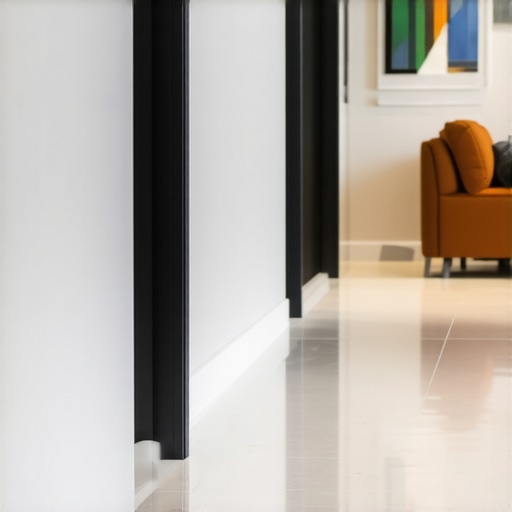
In the evolving landscape of bathroom aesthetics, the integration of durable, stylish materials has become paramount. Among these, ceramic baseboards have emerged as a transformative element, challenging long-standing preferences for PVC trims and standard tile configurations. This shift not only reflects advancements in manufacturing technology but also signifies a deeper recognition of sustainability, long-term maintenance, and design flexibility.
The Limitations of PVC in Tile and Shower Environments
While PVC-based baseboards initially gained popularity due to their affordability and ease of installation, their drawbacks in high-moisture environments reveal the necessity for superior alternatives. PVC’s susceptibility to warping, discoloration, and mold proliferation calls into question its viability for showers and damp rooms. As experts advocate for materials like fiberglass-reinforced polymers and stone composites, the industry witnesses a paradigm shift towards robustness and environmental consciousness.
Exploring the Benefits of Ceramic for Showers and Baseboards
Ceramic baseboards offer a chemical-resistant, non-porous surface that resists staining, mold, and water infiltration—crucial benefits for showers and adjacent wall features. Their ease of cleaning and compatibility with various tile layouts streamline maintenance routines, making them a strategic choice for professionals aiming for longevity and hygiene. Moreover, ceramic surpasses PVC in aesthetic versatility, supporting the latest trends in textured finishes, intricate patterns, and custom glazing options.
Impact of Tile and Grout Innovations on Baseboard Materials
As tile technologies advance, especially with the adoption of large-format, high-fidelity porcelain and eco-friendly solutions, the need for complementary baseboards that can seamlessly integrate becomes evident. Grout formulations like epoxy and nanotech sealants further enhance the durability of tiled surfaces, prompting a reevaluation of the transition zones—where tile meets baseboards. Integrating ceramic baseboards facilitates a cohesive, clean look that emphasizes minimalism and enhances moisture resilience.
Could Adhesive Technologies Accelerate the Shift Toward Ceramic Baseboards?
Innovations in adhesive bonding, including UV-cured and elastomeric compounds, enable precise installation of ceramic trims without traditional fasteners. This advancement addresses common installation challenges and reduces the likelihood of gaps or warping—issues that have historically hampered PVC applications. Industry leaders suggest that embracing these adhesive solutions could significantly bolster the adoption of ceramic baseboards in both new constructions and renovations, especially within complex shower enclosures.
What strategies can professionals employ to optimize grout and tile integration with ceramic trim, ensuring maintenance ease and aesthetic harmony?
Engaging with expert content such as top grout maintenance tips can provide actionable insights. To further refine design coherence, professionals should consider the use of matching grout colors, seamless installation techniques, and advanced sealing methods to prevent moisture ingress and staining. Ongoing education and peer collaboration foster innovation, pushing the industry toward increasingly durable, stylish solutions.
For those interested in nuclear approaches to waterproofing and design sustainability, consulting high-trust source publications like the ScienceDirect database can deepen understanding and inspire pioneering projects.
In summary, the strategic shift towards ceramic baseboards in 2026 signifies a confluence of technological advancements, aesthetic ambitions, and sustainability goals—driving a comprehensive reevaluation of how we approach tile, grout, and shower design elements.
Elevate Your Bathroom Aesthetics with Innovative Materials
As we delve deeper into the evolution of bathroom design, the emphasis on seamless integration and longevity becomes more apparent. Modern homeowners and professionals alike are seeking solutions that marry durability with sophisticated aesthetics. Ceramic baseboards stand out as a prime example, offering a versatile platform to incorporate trend-forward textures, patterns, and finishes. By choosing materials like glazed ceramic with bespoke glazing options, designers can craft personalized environments that resist moisture while maintaining an elegant look.
How Do Adhesive Technologies Revolutionize Installation Techniques?
Recent advancements in adhesive bonding methods, such as UV-cured and elastomeric adhesives, enable precise and secure installation of ceramic trims without relying on traditional fasteners. These innovations reduce installation time, minimize gaps that trap moisture, and prevent warping—issues that previously hindered PVC or mitered solutions. Industry experts advocate for embracing these technologies to streamline workflows, improve surface adhesion, and achieve a seamless finish that withstands the test of time. Incorporating high-performance adhesives not only enhances durability but also allows for greater design flexibility, including intricate corner details and custom insets.
What role can digital design tools play in optimizing tile-to-baseboard transitions for a cohesive look?
Integrating advanced design software enables architects and installers to create highly detailed layouts that consider grout lines, tile sizes, and baseboard profiles in tandem. Using tools like 3D modeling and laser measurement, professionals can plan for exact alignment and minimize trial-and-error during installation. This precision ensures a harmonious flow between tiles and ceramic baseboards, elevating both form and function. To support seamless integration, consulting expert guides such as the ultimate grout and tile maintenance strategies can provide actionable insights on selecting matching grout colors, sealing techniques, and joint treatments.
Moreover, embracing digital templating and coordinate mapping can drastically reduce errors, leading to faster project completion and improved client satisfaction. As technology continues to permeate interior renovation workflows, staying abreast of these tools positions professionals at the forefront of innovative bathroom design in 2026 and beyond.
For additional inspiration and expert advice, explore advanced shower baseboard installation techniques and discover how these methods complement the strategic use of ceramic trims for durability and style.
Harnessing the Power of Nano-Enhanced Ceramic for Next-Generation Bathrooms
Recent breakthroughs in nanotechnology have revolutionized ceramic manufacturing, leading to nano-enhanced ceramic materials exhibiting unprecedented levels of water resistance, mechanical strength, and stain resistance. These innovations enable designers to push the boundaries of bathroom aesthetics, creating seamless, durable interfaces that withstand high-moisture environments while maintaining pristine appearances. The integration of nanoparticle-infused glazes results in surfaces that are nearly impervious to mold and mildew, a critical advantage in shower enclosures and moisture-prone wall transitions.
Redefining Baseboard Integration with Digital Fabrication Tools
As the demand for precision and customization surges, digital fabrication methods such as CNC machining and 3D printing offer viable pathways to produce complex ceramic profiles tailored to specific architectural needs. These technologies facilitate rapid prototyping, enabling professionals to experiment with intricate shapes, embedded lighting channels, or textured surfaces that complement the overall design language. Sophisticated 3D modeling software also allows for comprehensive simulation of grout lines, joint tolerances, and fixture placements—minimizing on-site adjustments and ensuring a seamless interface between tile and baseboard.
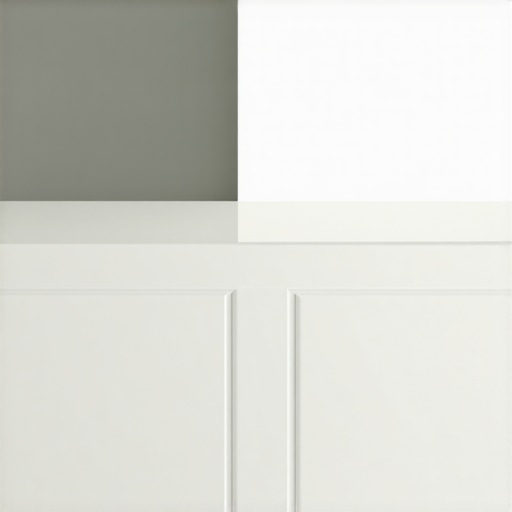
Utilize high-resolution imaging of digital ceramic fabrication processes to visualize precision-cut baseboards with integrated features, demonstrating how technology bridges aesthetic and functional demands in modern bathrooms.
Beyond Aesthetics: The Structural Role of Reinforced Adhesives in Complex Installations
Innovative bonding solutions, such as polymer-modified urethane adhesives combined with structural reinforcement elements, are critical in securing large-format ceramic trims, especially in variable substrate environments where thermal or moisture fluctuations exist. These adhesives exhibit superior flexibility and bond strength, accommodating structural movements without cracking or delamination. Such advancements are instrumental when integrating ceramic baseboards within multi-layered wall assemblies or curved surfaces where traditional fasteners are impractical.
Is it possible to achieve both aesthetic harmony and structural resilience through hybrid installation methods?
Incorporating insights from authoritative sources like the Ceramix Technical Advisory reveals that hybrid systems—combining high-performance adhesives with strategic mechanical anchors—offer superior longevity and design flexibility. These methods ensure that intricate grout joints remain intact, prevent tile and baseboard slippage, and mitigate the risk of moisture intrusion—especially crucial in multi-layered, high-humidity bathroom designs. Understanding the chemical compatibility, curing profiles, and environmental resilience of these adhesives empowers contractors and designers to make informed material choices, elevating installation standards across the industry.
Engaging with such expert frameworks not only enhances technical knowledge but also fosters innovation in tackling common challenges like substrate discrepancies, complex geometries, and long-term performance demands.
The Impact of High-Tech Materials on Modern Bathroom Elegance
As the bathroom renovation industry evolves, integrating cutting-edge materials such as nano-infused ceramics has become a game-changer. These innovations not only enhance moisture resistance but also unlock new opportunities for aesthetic expression through customizable textures and finishes. Leading manufacturers are now leveraging nanotechnology to produce ceramic trims that resist mold, staining, and water damage, aligning with sustainable design principles and long-term durability.
Why Digital Fabrication Is Reshaping Tile-Baseboard Alignment
Precise customization via CNC machining and 3D printing allows for the creation of complex ceramic profiles tailored to intricate architectural features. This technological progression ensures that transition zones between tiles and baseboards achieve seamless integration, reducing installation errors and saving costs. Advanced software simulations enable professionals to preemptively identify fitting issues, optimizing workflows and elevating aesthetic coherence—particularly vital in high-end bathrooms where visual precision commands value.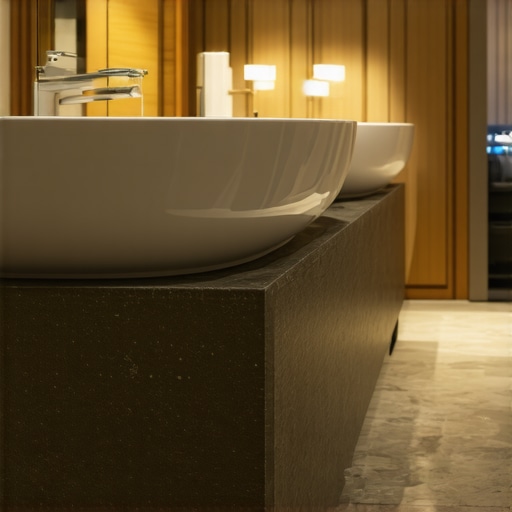
How Can Expert Adhesive Technologies Elevate Installation Standards?
Modern adhesive solutions, such as UV-cured and elastomeric compounds, facilitate secure bonding of ceramic baseboards in complex environments. These adhesives accommodate substrate irregularities and thermal movements, preventing common issues like cracking or delamination. When combined with structural reinforcements, they foster resilient installations capable of withstanding high moisture levels and temperature swings, thus extending the lifespan of the entire setup. Industry-leading research from Ceramix underscores the importance of selecting the right bonding agents to ensure durability and aesthetic harmony.
What Advanced Techniques Guarantee Flawless Tile-to-Baseboard Transitions?
Employing laser-guided alignment tools and digital templating techniques enables precision in grout joint placement and tile positioning. These methods allow installers to pre-plan engagement points, ensuring that grout lines remain consistent and aesthetically pleasing across the transition zone. Utilizing matching grout formulations and high-performance sealants further safeguards against moisture ingress, which is critical for maintaining hygiene and preventing structural damage over time. When adopting these advanced approaches, professionals can significantly elevate the quality and longevity of bathroom finishes.
For comprehensive guidance, consult authoritative sources such as top grout maintenance techniques, which detail the latest best practices for seamless tile and baseboard integration.
Embracing Nanotechnology for Next-Level Bathroom Resistance
The advent of nano-ceramic materials introduces surfaces with nearly impenetrable resistance to moisture, stains, and microbial growth. These surfaces, characterized by their superhydrophobic and self-cleaning properties, are revolutionizing wet-area applications, making maintenance simpler and bathroom environments safer. Incorporating nano-ceramics into baseboards enhances not only durability but also contributes to healthier indoor air quality by mitigating mold and mildew formation, particularly crucial in high-humidity zones like showers and bathtubs.
Leveraging Digital Design for Custom Artistic Detailing
The deployment of 3D modeling software and parametric design tools empowers architects and craftsmen to craft bespoke ceramic profiles that integrate seamlessly with innovative tile layouts. These digital approaches facilitate intricate detailing, such as embedded lighting channels or textured patterns, fostering unique aesthetic statements. Furthermore, high-resolution visualizations allow stakeholders to anticipate the final result, ensuring that the integration of tile and baseboard components aligns precisely with overall design intent, thereby minimizing costly on-site adjustments.
Expert Insights & Advanced Considerations
Opt for Integrated Waterproofing Solutions
Integrating nano-technology-enhanced ceramics with advanced waterproofing systems ensures unparalleled moisture resistance, reducing maintenance and extending the lifespan of bathroom fixtures.
Leverage Digital Templating for Precision Fitting
Using 3D modeling and laser templating allows for precise cuts and seamless integration of ceramic baseboards, minimizing errors during installation and enhancing aesthetic continuity.
Prioritize Sustainability without Compromising Style
Selecting eco-friendly, recyclable ceramic materials aligned with sustainable manufacturing practices can meet both environmental goals and high-end design standards in modern bathrooms.
Consider Hybrid Adhesive Technologies
Applying UV-cured or elastomeric adhesives improves bonding strength and flexibility, accommodating substrate movements and resisting moisture intrusion, crucial for shower environments.
Explore Customization for Unique Architectural Features
Digital fabrication enables the creation of intricate profiles, embedded lighting channels, and textured finishes, allowing for personalized and innovative bathroom compositions.
Curated Expert Resources
- ScienceDirect: An authoritative database offering peer-reviewed research on nanotechnology in ceramic materials, crucial for understanding durability enhancements.
- Advanced Tile Installation Techniques: Industry manuals that detail innovative adhesive applications and digital templating methods for complex bathroom designs.
- Sustainable Building Materials Journal: A resource focused on eco-friendly ceramic production practices, aligning with the latest sustainable design trends.
- Home Innovation Reports: Reports highlighting cutting-edge digital fabrication technologies transforming bathroom aesthetics and functionality.
Final Expert Perspective
In the realm of bathroom renovation, the integration of ceramic baseboards illustrates a strategic move towards durability, aesthetics, and sustainability, especially when combined with digital and nanotechnologies. These innovations empower professionals to craft spaces that are not only visually compelling but also resilient against moisture and wear. For industry leaders and enthusiasts alike, staying abreast of these advancements is essential for pushing the boundaries of bathroom design. Engage with these resources to deepen your expertise and contribute meaningfully to evolving trends—your next project can set new standards in bathroom elegance and performance.