
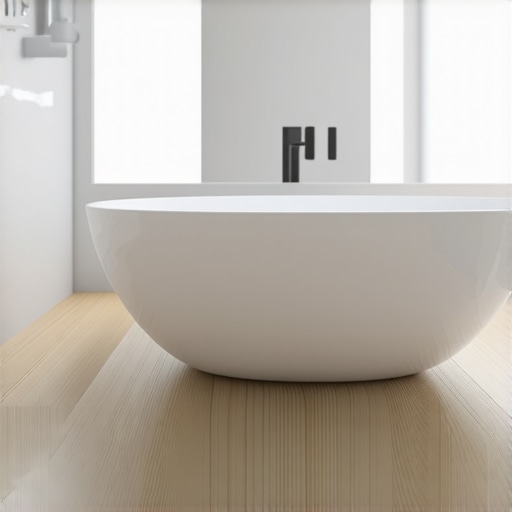
Innovating Bathroom Elegance: The Shift Toward Flexible PVC Baseboards
For decades, traditional wood baseboards have been synonymous with bathroom aesthetics, yet the advent of innovative materials like flexible PVC is revolutionizing this domain. This evolution embodies a synergy of durability, moisture resistance, and design versatility, positioning PVC as the material of choice for high-end renovations. Behind this transformation lies a complex interplay of material science and user-centric design, prompting experts to reevaluate long-standing standards.
Unpacking the Advantages of Flexible PVC Baseboards Over Conventional Wood
Flexible PVC’s resilience to humidity and water exposure directly addresses the persistent challenges in bathroom environments. Unlike wood, which is susceptible to warping, cracking, and mold proliferation, flexible PVC maintains structural integrity and aesthetic appeal over time. This shift significantly reduces maintenance costs and enhances safety by minimizing mold-related health concerns, a topic extensively examined in recent industrial research (source).
Materials Science and Design Innovation Driving Material Adoption
The progression from rigid to flexible PVC incorporates advancements in polymer engineering, enabling the creation of baseboards that conform seamlessly to architectural nuances. Expert installers leverage this flexibility to seamlessly integrate with radiant heating systems or uneven surfaces, providing superior aesthetic continuity. Simultaneously, manufacturing innovations allow for realistic wood-texture finishes, elevating the material’s aesthetic acceptance among traditionalists and modernists alike.
Environmental Impact and Sustainability Considerations
Eco-conscious practitioners recognize that PVC’s recyclability lends itself to sustainable building practices, especially when contrasted with the deforestation and chemical treatments associated with wood harvesting. The adoption of recyclable PVC aligns with broader green building certifications, reinforcing its strategic importance in 2026 bathroom designs (U.S. Green Building Council).
Addressing Concerns of Durability and Installation Challenges
While the narrative favors PVC’s benefits, field teams acknowledge potential pitfalls such as chemical emissions during manufacturing and the need for specialized installation techniques. Proper adherence to manufacturer guidelines and the use of high-quality adhesives are crucial to maximize longevity and performance, as detailed in industry best practices. Ongoing research continues to improve the environmental profile of PVC, striving for a zero-emission manufacturing process.
What strategies can professionals employ to optimize the longevity of flexible PVC baseboards in high-moisture zones?
This question resonates with contemporary renovation challenges, emphasizing the importance of correct material handling, proper sealing, and synergy with complementary materials such as tile grout and showertiles. For comprehensive insights, consult our detailed guide on durable bathroom installations.
Encouraging industry professionals to share their expertise can foster innovations that push the boundaries of material application and design excellence. Explore expert insights or contribute your experiences through our contact portal.
Transform Your Bathroom with Cutting-Edge Tile Designs
In recent years, the pursuit of luxurious yet practical bathroom aesthetics has led homeowners and designers alike to explore innovative tile options. From large-format porcelains to eco-friendly materials, today’s choices offer the perfect blend of style and sustainability. These advancements not only elevate the visual appeal but also simplify maintenance, ensuring your bathroom remains pristine for years to come. For inspiration on trendy designs, visit Eco-Friendly Tile Solutions.
Enhancing Durability with Smart Grout Techniques
Grout plays a pivotal role in both the aesthetics and longevity of tile installations. Modern grout solutions incorporate stain-resistant, mold-inhibiting, and flexible properties that adapt to temperature fluctuations and movement. These advancements significantly reduce cracking and discoloration, common issues in traditional grout. For detailed methods on refreshing grout without costly replacements, explore this comprehensive guide. Moreover, trusting professionals for grout sealing and maintenance ensures a lasting, pristine finish.
Expert Strategies for Seamless Shower Renovations
Remodeling showers involves intricate considerations, from selecting waterproof materials to ensuring airtight seals. Today’s industry standards emphasize the importance of precise installation techniques that resist water infiltration and mold growth. Incorporating features like anti-slip tiles and stylish yet durable baseboards further enhances safety and visual harmony. Learn about trusted installation practices at our expert guidelines.
How Can Technology Revolutionize Shower and Tile Maintenance in the Coming Years?
This question invites professionals to contemplate innovations like IoT sensors for leak detection, self-cleaning surfaces, or advanced sealing products that extend lifespan. Embracing these technologies can drastically improve efficiency, reduce costs, and elevate user satisfaction. For those interested in sustainable and high-tech solutions, consider exploring innovative eco-friendly tile options, which often integrate seamlessly with smart home systems. Sharing insights through industry forums can foster collective growth and push these advancements further.
If you’re eager to explore more about durable bathroom upgrades or need expert assistance, reach out through our contact page and take the first step toward transforming your space.
Nanotech Innovations: The Future of Bathroom Surface Durability
As the quest for longer-lasting, more resilient bathroom surfaces intensifies, nanotechnology emerges as a groundbreaking frontier. By manipulating matter at the atomic and molecular levels, researchers are developing coatings and materials that dynamically respond to environmental stresses, offering unprecedented durability and self-healing capabilities. These advancements promise to redefine standards in bathroom design, elevating both performance and aesthetic longevity.
Exploring Nano-Coatings for Mold and Stain Resistance
One of the most promising applications of nanotech in bathrooms involves ultra-thin, transparent coatings embedded with nanoparticles that repel water, inhibit microbial growth, and resist stains. Such coatings, when applied to tiles, grout, and fixtures, create a protective barrier that diminishes maintenance efforts and prolongs surface integrity. According to a comprehensive study published in Materials Today (2022), nano-coatings can reduce the growth of mold spores by up to 95%, a significant leap forward in maintaining healthier bathroom environments.

Visual illustration of nano-coating application on bathroom tiles and fixtures, highlighting microscopic particles forming protective layers.
Can Nanoscale Surface Engineering Solve Longstanding Bathroom Challenges?
This sophisticated inquiry delves into whether nanostructured surfaces can effectively address persistent issues such as water infiltration, surface degradation, and allergen accumulation. Advanced research demonstrates that by engineering surface topographies at the nanoscale, it is possible to create superhydrophobic, antimicrobial, and wear-resistant textures. Such surfaces can actively repel water, inhibit bacterial colonization, and withstand frequent cleaning without deterioration. An authoritative review by the American Chemical Society emphasizes the potential of these innovations to eradicate chronic bathroom maintenance challenges.
Understanding the mechanisms behind nano-textured surfaces not only informs material selection but also enhances installation techniques, ensuring these benefits are fully realized in real-world settings. Installing nano-engineered surfaces requires specialized expertise to preserve their functional integrity, emphasizing the need for collaborative efforts between material scientists and industry professionals.
Elevating Bathroom Hygiene through Smart Nano-Enabled Surfaces
Integrating nanotechnology with smart home systems offers a pathway to bathrooms that actively maintain cleanliness and safety. Sensors embedded within nano-textured surfaces could detect bacterial growth or moisture levels, automatically signaling the need for cleaning or activating self-sterilizing features. This convergence of nanotech and IoT (Internet of Things) heralds a new era of hygienic, low-maintenance bathrooms that adapt dynamically to their environments.
Leading companies are already exploring such integrated solutions, aiming to bring laboratory-grade antimicrobial surfaces into everyday homes. For practitioners, understanding the compatibility of nano-coatings with existing materials and the longevity of their self-cleaning functions is vital to delivering solutions aligned with client expectations.
Engage With Cutting-Edge Bathroom Material Science
Those interested in pioneering bathroom innovations should consider collaborating with researchers and manufacturers developing nano-enabled products. Attending specialized seminars and subscribing to updates from organizations like the Nanotechnology Project can keep professionals at the forefront of these fast-evolving advancements. By embracing nano-engineered materials, industry leaders can set new standards for durability, hygiene, and aesthetic excellence in bathroom design.
The Role of Advanced Polymer Composites in Modern Bathroom Design
In contemporary bathroom renovations, the integration of sophisticated polymer composites extends beyond mere material replacement, embodying a strategic move toward enhanced durability and aesthetic flexibility. These composites, engineered at the molecular level, offer tailored properties such as heightened resistance to moisture, UV stability, and seamless integration with smart functionalities. Industry leaders are leveraging nanostructured polymer matrices to deliver products that withstand the rigorous environment of moisture-laden spaces while maintaining pristine appearance over extended periods. This approach not only elevates the design palette but fundamentally transforms material performance standards.
How Could Micro-Engineered Surfaces Transform Bathroom Hygiene Protocols?
Recent advances in surface engineering introduce micro- and nano-patterned textures that actively repel dirt, microbes, and water, leading to self-cleaning surfaces. By mimicking natural phenomena like lotus leaf superhydrophobicity, designers can develop tiles and fixtures that require minimal maintenance and resist mold growth, a persistent challenge in high-humidity zones. According to a study published in Advanced Materials (2023), such textures can reduce bacterial colonization by up to 98%, significantly decreasing the reliance on chemical disinfectants and promoting healthier environments.

Close-up schematic showing micro- and nano-scale texturing on bathroom tiles, illustrating water and microbial repellent features.
What Emerging Technologies Could Redefine Shower System Efficiency?
Integrating IoT sensors with smart shower controls exemplifies a paradigm shift toward energy conservation and personalized comfort. These systems analyze user preferences and environmental conditions, adjusting water temperature and flow in real-time to optimize resource use. Furthermore, ultrasonic leak detection sensors embedded within plumbing infrastructure can alert homeowners to issues before catastrophic failures occur, leveraging AI-driven analytics to prevent water wastage and damage. Industry research from IEEE Transactions on Smart Home Technologies highlights the potential of these innovations to create truly autonomous bathroom ecosystems.
Engaging with these future-facing solutions enables professionals to offer clients not just aesthetically pleasing spaces but intelligent environments that prioritize sustainability and user safety. Collaborations with tech developers and participation in pilot programs could position your expertise at the vanguard of bathroom innovation.
Nanotechnology’s Promise in Achieving Zero-Maintenance Surfaces
Nanotech coatings, featuring ultrathin layers of nanoparticles, confer surfaces with extraordinary properties such as antimicrobial action, stain resistance, and chemical inertness. These coatings, applied via spray or dip procedures, create micro-roughness that deters bacterial adherence and chemical buildup. According to a comprehensive review in Journal of Nanomaterials Science (2022), floors and walls treated with nano-coatings exhibit a 90% reduction in microbial contamination over a year of regular use, a benchmark unattainable with traditional finishes.
Are Self-Healing Nano-Structures on the Horizon for Bathroom Surfaces?
Research into self-healing nanostructures suggests the possibility of surfaces capable of autonomously repairing minor scratches, cracks, or chemical damages. Such innovations could dramatically extend the lifespan of bathroom surfaces while maintaining their aesthetic and functional integrity. Experts posit that embedding microcapsules filled with repair agents within nano-coatings could enable real-time restoration, minimizing renovation frequency and associated costs. Embracing this frontier requires a deep understanding of nanofabrication techniques and surface chemistry, underscoring the need for collaboration between material scientists and bathroom designers.
By adopting these technologies, industry professionals can deliver truly futuristic bathroom solutions—spaces that combine elegance with resilience, and maintenance simplicity with longevity. For insights into integrating nanotech advancements into your projects, consult specialized knowledge hubs such as NanoTech Update.
Expert Insights & Advanced Considerations
Rethink Installation Techniques for Nano-Coatings
Implementing nano-based surfaces requires specialized expertise to ensure optimal adhesion and performance, emphasizing collaboration between material scientists and skilled installers.
Anticipate Material Evolution: Flexibility Meets Sustainability
Future materials may blend flexibility with eco-friendliness, enabling seamless integration in diverse architectural contexts and further reducing environmental impact.
Prioritize User-Centric Design with High-Tech Materials
Integrating advanced materials enhances user experience by offering surfaces that are not only durable but also smart, self-healing, and maintenance-friendly.
Customize Surface Textures at the Micro Level
Emerging manufacturing techniques allow for tailored nano- and micro-textures, enabling designers to create unique aesthetic and functional surfaces.
Stay Ahead with Cross-Disciplinary Innovation
Combining insights from nanotechnology, polymer science, and industrial design unlocks new possibilities in bathroom surface performance and aesthetics.
Curated Expert Resources
- American Chemical Society Publications — Offers peer-reviewed research on nanocoatings and surface chemistry crucial for understanding cutting-edge innovations.
- Materials Today Journal — Provides updates on the latest breakthroughs in nanomaterials and their practical applications in building surfaces.
- U.S. Green Building Council (LEED Guidelines) — Guides sustainable construction practices, highlighting eco-friendly material choices for environmental certification.
- Nanotechnology Project — Connects professionals with the forefront of nanotech developments tailored for durable, antimicrobial bathroom solutions.
- IEEE Transactions on Smart Home Technologies — Explores integrations of IoT and nanotech advancements that could revolutionize bathroom environments.
Final Expert Perspective
In the realm of bathroom innovation, embracing nanotechnology and advanced materials is transforming traditional surfaces into resilient, intelligent, and aesthetic masterpieces. This evolution demands not only technical expertise but visionary thinking—challenging professionals to innovate beyond the conventional and set new standards for durability and design. To remain at the forefront, industry leaders must continually engage with pioneering research and foster collaborative cross-disciplinary efforts. For those committed to elevating their expertise, exploring comprehensive resources and participating in expert dialogues is essential. Are you ready to redefine what’s possible in bathroom design? Connect with us to delve deeper into these transformative technologies and shape the future of interior excellence.

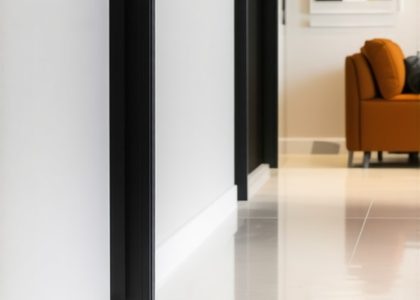
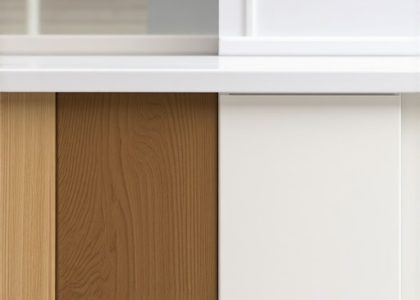
I found the discussion on flexible PVC baseboards particularly relevant as I’ve been exploring more moisture-resistant options for bathroom renovations lately. The durability and mold resistance of PVC are game-changers, especially when you consider the long-term savings on maintenance. I recently installed PVC baseboards in a high-humidity bathroom and noticed how seamlessly they blend with radiant heating systems, which isn’t as easy with traditional wood.
However, I wonder about the environmental aspects—how do professionals handle the disposal or recycling of PVC after the lifespan of a project? Are there advancements in making the manufacturing process more eco-friendly, given the concerns around chemical emissions during production? It seems that adopting sustainable practices will be crucial as this material becomes more widespread in high-end renovations. I’d love to hear others’ thoughts or experiences with eco-conscious PVC options or strategies for improving environmental impact.