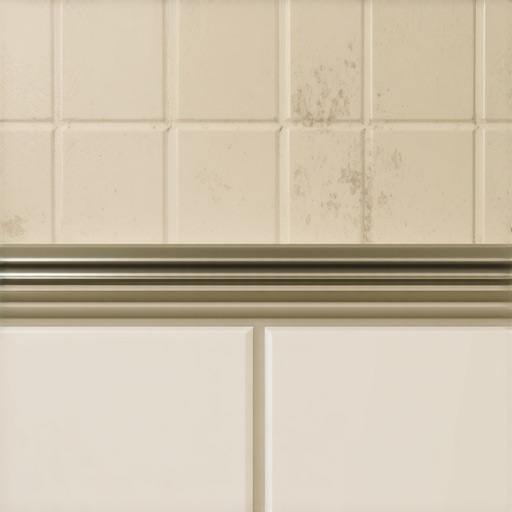
Revolutionizing Bathroom Design: The Endurance of Metal Baseboards Over PVC in High-Moisture Environments
As the demand for sophisticated, durable bathroom fixtures escalates in 2026, industry professionals are increasingly scrutinizing material choices that withstand the relentless challenges of moisture and temperature variations. Among these, metal baseboards emerge as a superior solution compared to traditional PVC, particularly in high-moisture bathrooms where longevity and aesthetics are paramount.
Unveiling the Material Science Behind Baseboard Longevity
In environments prone to persistent humidity, the resilience of baseboards hinges on their intrinsic material properties. Metal, especially stainless steel and aluminum alloys, offers unparalleled resistance to water ingress, mold proliferation, and structural degradation. Unlike PVC, which can warp, crack, or succumb to chemical breakdown under prolonged exposure to humid conditions, metal ensures a stable, impervious barrier—preserving both appearance and functionality over decades.
Is Micro-Trimming the Future of Moisture-Resistant Bathroom Trims?
Recent innovations advocate for micro-trim baseboards, emphasizing sleek profiles that minimize water trapping zones. These designs complement metal’s resistance, creating seamless, easy-to-clean surfaces that inhibit mold growth and facilitate maintenance, especially in wet zones like showers and vanity areas.
Corrosion Resistance and Material Compatibility in Bathroom Environments
Expertise underscores that selecting metals with high corrosion resistance, such as marine-grade stainless steel or anodized aluminum, is critical. Properly coated or treated metals prevent oxidation, ensuring that baseboards withstand harsh cleaning agents and moisture fluctuations. Conversely, PVC’s organic composition lacks this resilience, leading to deterioration and the need for frequent replacements—an unwarranted expense over time.
What Are the Cost-Benefit Dynamics of Investing in Metal Versus PVC?
While initial costs for metal baseboards tend to be higher than PVC, a comprehensive cost-benefit analysis reveals significant savings through reduced replacement frequency, lower maintenance, and enhanced aesthetic value. For high-end bathroom remodels or commercial installations, metal’s durability translates into superior long-term investment returns.
How Do Installation Techniques Influence the Performance of Metal Baseboards?
Expert installation emphasizes precise anchoring, corrosion-resistant fasteners, and proper sealing methods to maximize lifespan. Experience indicates that improper mounting—such as inadequate anchoring in wet drywall—can undermine even the most resilient materials, advocating for professional, strategic installation practices tailored to high-moisture contexts.
Can Modern Coatings Extend the Life of PVC Baseboards to Match Metal?
Advancements in polymer coatings and waterproofing paints propose options for enhancing PVC longevity. However, field tests and industry reports suggest that these modifications only partially mitigate PVC’s inherent vulnerabilities, whereas metal’s passive resistance remains unmatched. For environmental and health considerations, metal baseboards also avoid off-gassing and chemical leaching associated with some PVC treatments.
For a comprehensive understanding of waterproofing innovations and installation trends, professionals should consult sources like the American Society of Decorative Survivability, which provides cutting-edge research on material durability in wet environments.
Explore our guide on waterproof baseboard options to further enhance your bathroom’s resilience and elegance. Share your insights or ask questions about material selections and installation strategies to elevate your expertise in modern bathroom design.
Breaking the Mold: Metal’s Edge in Bathroom Resilience
In high-moisture environments, the debate between metal and PVC baseboards often hinges on resistance, maintenance, and aesthetics. While PVC has historically been favored for its affordability, recent advancements and long-term observational data underscore metal’s superiority. Stainless steel and anodized aluminum, with their non-porous surfaces and exceptional corrosion resistance, stand resilient against continuous exposure to water and humidity—especially when paired with modern installation techniques. These materials are less prone to warping, cracking, or mold development, ensuring that your bathroom retains its beauty and functionality for decades.
Beyond Resistance: The Aesthetic Flexibility of Metal
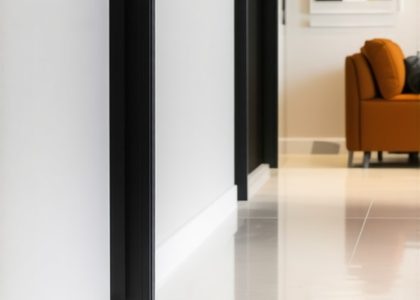
Metal baseboards do more than just endure; they elevate the visual appeal of modern bathrooms. With sleek profiles, customizable finishes, and seamless integration with contemporary fixtures, they can be tailored to complement various design themes. Moreover, metal offers the opportunity for innovative textures and coatings—such as matte anodized finishes or brushed metal effects—that can mimic the elegance of stone or wood, without the vulnerability to moisture. For homeowners seeking both form and function, exploring the latest waterproofing hacks can help maximize your investment’s longevity and appeal.
Are Seamless Installations The Golden Standard for Wet Areas?
Seamless mounting techniques, including recessed installations and concealed fasteners, have become vital for optimizing durability. Proper sealing at joints and edges prevents water ingress, mitigating the risk of rot and mold. The integration of flexible sealants compatible with metals further enhances performance, especially around corners and transitions. Exploring professional installation practices on sites like expert guides to durable bathroom fixtures can dramatically improve outcomes, safeguarding your investments against the relentless assault of moisture.
Could Eco-Friendly Coatings Tip the Scale?
Emerging eco-friendly, non-toxic coatings for metal baseboards not only match environmental standards but also extend lifespan and maintain appearance. Such finishes resist scratching, staining, and corrosion, reducing the need for replacements and painting. The integration of these coatings aligns with the broader movement towards sustainable construction practices, as detailed in resources like sustainable tile solutions. For environmentally conscious projects, the combination of durable metals and eco-friendly protective layers offers a compelling case for superior long-term performance.
Researchers from the Materials & Manufacturing Society emphasize that innovation in material science continues to push the boundaries of what metals can achieve in wet environments, integrating sustainability with endurance. For professionals aiming to stay ahead of the curve, considering these advancements can translate into smarter, more sustainable bathroom renovations.
Looking to upgrade your bathroom’s resilience? Consider reviewing our expert waterproof baseboard options guide and share your renovation challenges or insights in the comments. Staying informed and proactive is the key to crafting bathrooms that not only look stunning but stand the test of time.
Maximizing Performance: The Critical Role of Surface Treatments in Metal Baseboard Longevity
To ensure that metal baseboards excel in high-moisture environments, the deployment of specialized surface treatments becomes indispensable. Anodization, for instance, forms a durable oxide layer on aluminum, providing exceptional resistance against corrosion and environmental wear. Similarly, electro-polishing enhances surface smoothness, reducing water retention points and facilitating cleaning efforts. These advanced treatments not only bolster lifespan but also open avenues for aesthetic customization without sacrificing protective qualities, presenting a compelling case for integrating such technologies into professional fabrication processes.
Innovations in Coating Technologies: From Nanotech to Eco-Friendly Layers
The evolution of coating science now offers nano-engineered films that impart superhydrophobic properties, causing water to bead and roll off surfaces effortlessly. This innovation dramatically reduces mold and mildew formation, especially in concealed or hard-to-reach areas. Moreover, environmentally friendly polymers equipped with self-healing capabilities repair micro-scratches autonomously, maintaining integrity over decades. Understanding the chemistry and application techniques behind these coatings enables architects and installers to specify solutions that deliver both performance and sustainability, aligning with eco-conscious building standards.
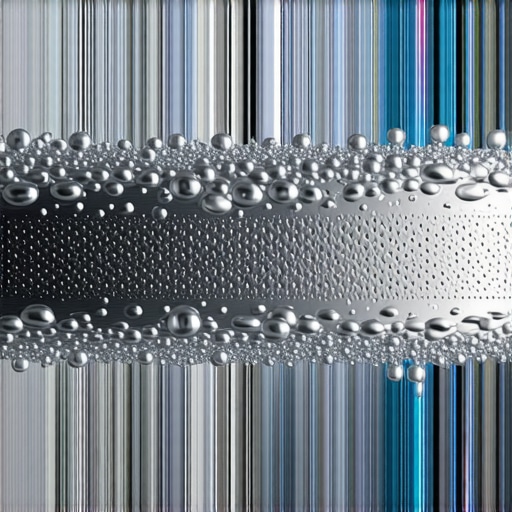
Illustration of nano-engineered superhydrophobic coating application on metal baseboard surface.
The Strategic Integration of Material and Design to Combat Moisture Intrusion
At the intersection of material science and architectural design, strategic detailing plays a pivotal role. Incorporating drip edges and moisture barriers directly into the baseboard system can drastically diminish water ingress risks. For example, integrating a continuous moisture barrier behind the baseboard, coupled with precision-sealed joints, creates a sealed environment that prevents capillary movement of water. Such integration demands meticulous planning and precision execution, emphasizing the importance of interdisciplinary collaboration between material scientists, designers, and skilled craftsmen.
What Advanced Testing Protocols Confirm Metal Baseboard Durability in Real-World Conditions?
Accelerated aging tests, including salt spray, humidity chambers, and cyclic wet-dry simulations, provide insight into long-term performance. For instance, ASTM B117 salt spray testing evaluates corrosion resistance, while ASTM D2247 assesses humidity tolerance. These standardized protocols help validate the protective coatings and surface treatments applied to metal baseboards, ensuring they meet stringent criteria for use in moisture-prone environments. Consulting laboratories and research institutions that offer such comprehensive testing can significantly de-risk large-scale installations.
As the industry gravitates toward smarter, more resilient bathroom solutions, leveraging these advanced material innovations becomes integral. Engage with specialists who understand the full spectrum of surface chemistry, structural design, and environmental interactions to craft baseboard systems that do not merely withstand moisture but actively repel it, maintaining both form and function indefinitely.
Embracing Eco-Conscious Manufacturing for Sustainable Resilience
The shift toward sustainable building not only influences material selection but also encompasses manufacturing practices. Techniques such as low-impact electroplating, energy-efficient coating processes, and recycled content incorporation reduce the environmental footprint of metal baseboards. Certifications like UL Environment’s GreenGuard or Cradle to Cradle lend credibility and guide procurement decisions. Aligning these eco-friendly initiatives with durability standards ensures that resilience does not come at the expense of ecological responsibility, a perspective increasingly demanded by modern consumers and regulatory bodies alike.
For professionals committed to leading-edge design, engaging with research institutions and industry consortia focused on sustainable materials can catalyze innovation. Exploring collaborations that push the boundaries of current technological solutions may lead to breakthroughs in combining sustainability with unmatched performance in moisture-laden environments.
Harnessing Cutting-Edge Coating Technologies to Fortify Metal Baseboards
Recent advancements in nanotechnology have revolutionized protective coatings for metal baseboards, especially suitable for high-moisture bathroom environments. Superhydrophobic nanocoatings repel water at the molecular level, preventing ingress and inhibiting mold growth without compromising aesthetic appeal. Implementing these coatings involves sophisticated application techniques, often requiring specialized equipment and expertise, yet yields remarkable longevity and reduced maintenance.
How Can Strategic Design Integration Minimize Moisture Penetration?
Architectural detailing plays a vital role in moisture management. Incorporating features like integrated drip edges, tapered transitions, and concealed moisture barriers directly within the baseboard system limits water infiltration paths. These elements, when combined with high-performance surface treatments, create a synergy that dramatically extends the lifespan of bathroom fixtures and reduces the risk of structural damage—this precision in design underscores the importance of interdisciplinary collaboration among architects, material scientists, and skilled craftsmen.
What Independent Testing Validators Confirm Metal Baseboard Resilience?
Industry-standard testing protocols such as ASTM B117 salt spray and ASTM D2247 humidity tests provide empirical data confirming corrosion resistance and environmental durability. These tests simulate real-world prolonged exposure, ensuring that metal baseboards retain their structural integrity and appearance over decades. Engaging third-party laboratories for such assessments is considered best practice, offering peace of mind and a clear benchmark for material selection in moisture-controlled settings.

Highly detailed microscopic image showcasing nano-coating layers on metal baseboard surface, illustrating water-repelling properties at the molecular level.
Why Do Eco-Friendly Coatings Matter for Sustainable Bathroom Renovations?
Modern eco-conscious solutions emphasize non-toxic, biodegradable coatings that do not compromise durability. Innovations in polymer chemistry now enable the creation of environmentally benign finishes that resist scratching, staining, and corrosion—pivotal qualities for bathroom installations. These coatings also support LEED certification goals and appeal to environmentally aware clients, creating a competitive edge for professionals investing in sustainable building practices.
What Role Do Advanced Surface Treatments Play in Preventing Environmental Degradation?
Surface treatments such as electro-polishing create ultra-smooth, non-porous surfaces that prevent accumulation of contaminants and facilitate easy cleaning. Additionally, anodization for aluminum bases enhances their natural oxide layer, providing superior resistance to oxidation and chemical attack. Combining these treatments with protective coatings results in baseboards that not only resist moisture but also maintain a pristine appearance with minimal upkeep, proving invaluable in demanding bath environments.
Unlocking Longevity Through Moisture Barrier Integration
Layered defense strategies, including the deployment of continuous moisture barriers behind baseboards coupled with precision sealing of joints, significantly reduce capillary water movement. Employing flexible, waterproof sealants around edges and transitions ensures an impermeable seal, crucial for extending lifespan in areas prone to direct water contact. These techniques exemplify the meticulous attention necessary for high-performance bathroom finishes, demanding expertise and adherence to best practices.
What Does High-Temperature Accelerated Testing Reveal About Metal Durability?
Accelerated thermal cycling tests expose materials to cyclical temperature extremes, assessing their ability to withstand thermal expansion and contraction without cracking or delaminating. High-temperature exposure combined with humidity simulations provides valuable insights into a baseboard’s capacity to resist warping, peeling, or corrosion over time, offering a predictive outlook that guides effective material selection for demanding environments.
Engaging with research from institutions like the National Institute of Standards and Technology ensures that material choices are backed by rigorous testing data, ultimately leading to more durable and resilient bathroom designs. Embracing these technological insights enables professionals to push beyond conventional standards, delivering bathrooms that exemplify longevity, sustainability, and aesthetic sophistication.
Expert Insights & Advanced Considerations
Durability Advocates Favor Metal for Long-Term Value
In moist bathroom environments, metal baseboards—especially stainless steel and anodized aluminum—offer unmatched resistance against corrosion, mold, and structural degradation, making them superior choices over PVC when longevity is prioritized.
Surface Treatments Unlock Superior Resistance
Advanced surface treatments like electro-polishing and anodization significantly enhance metal baseboards’ ability to withstand moisture and cleaning agents, thereby extending their service life and maintaining aesthetic appeal over decades.
Design Flexibility Meets Functional Resilience
Modern metal baseboards are customizable with finishes such as matte anodized coatings or brushed metal effects, enabling seamless integration with contemporary designs while providing robust moisture protection.
Strategic Installation Ensures Optimal Performance
Precise anchoring, corrosion-resistant fasteners, and proper sealing are critical in high-moisture zones, emphasizing the importance of professional installation tailored to wet environments to maximize durability.
Eco-Friendly Coatings Drive Sustainable Outcomes
Innovations in eco-conscious, self-healing, nanotech coatings not only improve resistance against water and mold but also align with sustainability goals, reducing environmental impact without compromising performance.
Curated Expert Resources
- Materials & Manufacturing Society (TMS): Offers cutting-edge research on the durability of metal materials in moisture-prone settings, guiding informed material selection.
- American Society of Decorative Survivability (ASDS): Provides industry standards and innovations related to material longevity and moisture resistance.
- LEED Certification Resources: For sustainable building practices incorporating eco-friendly coatings and manufacturing techniques that enhance resilience.
Final Perspective from the Frontline of Bathroom Design
Embracing the strategic combination of material science, innovative surface treatments, and expert installation is essential for durable bathroom remodeling. Metal baseboards, notably when selected with advanced coatings and properly integrated into design plans, stand out as a forward-thinking approach to combat moisture challenges. For professionals and homeowners eager to push the boundaries of resilience and aesthetics, engaging with current research and technology is non-negotiable.
Explore our eco-friendly tile solutions to complement your resilient baseboard choices, and consider sharing your insights or inquiries to foster innovation in bathroom durability strategies.
.