Redefining Elegance: The Evolving Role of Shadow Gap Baseboards in Modern Interiors
As the architectural and interior design landscape enters a new era, the debate surrounding the classic trim trend intensifies. Among the pivotal innovations is the shadow gap baseboard, a sleek alternative that promises both aesthetic sophistication and functional advantages. This article explores whether shadow gap baseboards will supplant traditional molding styles in 2026, considering technological, stylistic, and sustainability factors that influence this shift.
The Technical Foundations of Shadow Gap Baseboards and Their Impact on Interior Cohesion
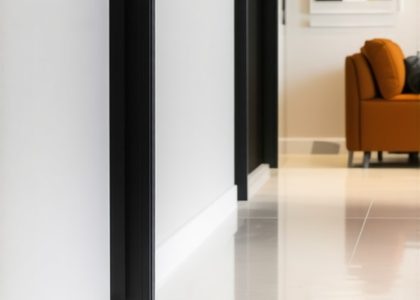
Shadow gap baseboards are characterized by their deliberate recess from the wall, creating a subtle ‘shadow’ line that enhances visual depth. This design eliminates the need for caulking or sealing, reducing maintenance and potential moisture accumulation. From a technical perspective, their installation demands precision to ensure seamless integration with flooring and wall finishes. Recent advancements in laser-guided installation tools have refined their accuracy, making professional execution more accessible. Consequently, the durability and clean aesthetic of shadow gap baseboards position them as formidable contenders against traditional trim, especially in high-moisture environments such as bathrooms and kitchens.
Are Shadow Gaps a Solution for Sustainability and Low-VOC Valuation?
Environmental considerations significantly influence modern renovation choices. Shadow gap baseboards align with sustainable practices by reducing material waste during installation—no additional molding or trims are necessary. Furthermore, their minimalist design often utilizes recycled or low-VOC paints and finishes, aligning with eco-friendly standards. This alignment fosters a compelling case for their broader adoption, especially given the rising consumer demand for sustainable building materials. As architects seek net-zero goals, integrating shadow gap baseboards could represent a nuanced approach to eco-conscious design.
Will Shadow Gap Baseboards Eradicate the Need for Classic Trim in 2026?
Expert discussions reveal a nuanced landscape. While shadow gap installations offer a modernist aesthetic highly valued in contemporary architecture—think minimalist, open-plan spaces—they may not fully replace traditional molding in all contexts. The classic trim retains its charm and relevance in traditional, ornate, or transitional styles. However, in high-end, avant-garde projects, shadow gaps deliver a sleek, unobtrusive finish that complements modern materials like concrete, steel, and acrylic. These factors suggest a partial displacement rather than a complete overhaul of classic trim across the board.
What technical challenges could hinder the widespread adoption of shadow gap baseboards in existing structures?
Retrofitting legacy buildings presents obstacles such as uneven wall surfaces and non-standard wall thicknesses, complicating precise shadow gap creation. Additionally, older wall finishes may lack the smoothness essential for crisp shadow lines, requiring surface preparation or reconstruction. Experts recommend comprehensive evaluations before transitioning to shadow gap aesthetics, emphasizing that successful implementation depends on modular design adaptability and skilled craftsmanship. For further insights on installation nuances, visit our expert guide on durable baseboards.
If you are interested in cutting-edge insights about interior trim innovations or wish to contribute your expertise, explore our contact page.
Renowned industry resources like the Architectural Digest highlight the increasing prominence of shadow gap details as markers of sophisticated design in the upcoming years.
Innovative Materials Transforming Bathroom Aesthetics and Sustainability
As homeowners and industry professionals seek sustainable options, eco-friendly grout solutions are gaining momentum in bathroom renovations. These advanced materials offer not only environmental benefits but also enhance the durability and appearance of tiled surfaces. Recent developments include formulations that incorporate recycled content and low-VOC (volatile organic compounds) components, aligning with the global push toward greener building practices. For those considering a bathroom upgrade, exploring these sustainable grouts can lead to a more eco-conscious yet stylish space.
How Do Eco-Friendly Grouts Reshape Maintenance and Longevity
Traditional cement-based grouts are prone to cracking, staining, and mold growth, especially in humid environments like bathrooms. Eco-friendly alternatives employ nanotechnology and polymer modifiers to create more resilient joints that resist water penetration, mold, and mildew. This not only reduces maintenance efforts but also extends the lifespan of your tile installation. Moreover, these environmentally conscious grouts often feature antimicrobial properties, which significantly cut down on cleaning frequency and improve hygiene standards. For a comprehensive guide on selecting the best grout for longevity, visit our expert recommendations on durable grout choices.
Will adopting eco-friendly grout technologies become the standard for Sustainable Bathroom Design in 2025 and beyond?
Industry projections indicate a rising trend toward eco-oriented building materials, driven by stricter environmental regulations and consumer preferences. Leading manufacturers are investing in research to improve the performance of sustainable grouts, aiming for formulations that match or surpass conventional options. This shift aligns with insights from authoritative sources like the Architectural Digest, which underscores sustainability’s pivotal role in modern design evolution. As this technology matures, it’s foreseeable that eco-friendly grouts will become the industry standard, particularly in projects committed to LEED certification and other green benchmarks.
If you’re eager to stay at the forefront of bathroom innovation, consider exploring our in-depth articles on eco-friendly tile solutions and how they integrate with sustainable grout choices for a holistic upgrade.
The Precision Edge: Advanced Installation Techniques for Shadow Gap Baseboards
Achieving flawless shadow gaps requires a meticulous approach that balances craftsmanship with innovative tools. Utilizing laser-guided leveling systems and digital measuring devices ensures consistent gap widths and perfectly aligned transitions. Professionals increasingly adopt CNC routing technology to customize baseboard profiles, especially when integrating complex architectural details or matching existing millwork. Mastery in joint finishing—employing minimal filler and seamless caulking—further elevates the sleekness that shadow gaps promise, transforming standard interiors into minimalist masterpieces. For a detailed technical walkthrough, visit our comprehensive guide on installation precision.
The Sustainability Leap: Material Innovations Enhancing Shadow Gap Appeal
Environmental consciousness intersects profoundly with the evolving appeal of shadow gap baseboards. Recent breakthroughs involve using engineered composite materials embedded with recycled fibers, which provide enhanced stability, moisture resistance, and ease of installation—particularly vital in retrofit scenarios. Additionally, the advent of low-embodied-energy manufacturing processes reduces the carbon footprint of baseboard production. Finishes also play a pivotal role: water-based, VOC-compliant paints and environmentally friendly varnishes preserve the sustainability quotient without compromising aesthetic quality. Integrating these materials aligns design excellence with ecological responsibility, appealing to conscientious clients seeking cutting-edge interiors that prioritize planetary health.
Addressing the Nuances of Retrofitting Shadow Gaps in Heritage Buildings
Retrofitting classic structures with shadow gap features presents unique challenges owing to irregular wall surfaces and historic finishes. Achieving a true shadow line necessitates surface reconstruction, often through plaster renewal or substrate reinforcement, to ensure planar consistency. Moreover, compatibility of new materials with historic materials demands careful selection—non-invasive adhesives and flexible sealants prevent damage to original features. Skilled craftsmanship becomes paramount, often requiring bespoke solutions tailored to each structure’s intricacies. For insights on balancing preservation with modern design, explore our specialist guide on heritage integrations.
What role does digital simulation play in planning complex shadow gap configurations?
Beyond traditional methods, digital modeling through BIM (Building Information Modeling) and 3D rendering tools allows architects and installers to simulate shadow gaps with precision before physical execution. These technologies enable visualization of light interactions, material transitions, and spatial harmony, significantly reducing costly errors. For example, parametric design software can adjust shadow gap dimensions interactively, accommodating wall irregularities or bespoke profiles. Industry experts advocate for early digital collaboration to refine aesthetic and structural details, ultimately elevating the quality and durability of the finished space. To delve deeper into this methodology, visit our expert resource on digital design in architecture.
Sculpting Shadows: Advanced Techniques in Shadow Gap Baseboard Installation for Precision and Aesthetic Impact
Mastering the installation of shadow gap baseboards entails more than mere measurement; it involves a symphony of precision engineering, material selection, and craftsmanship. Incorporating digital laser-guided leveling systems enhances accuracy, while CNC routing tools facilitate intricate profile matching, especially in bespoke projects. The subtlety of the shadow line demands meticulous joint finishing using minimal填料 and seamless caulking to maintain the sleek appearance. These advanced techniques not only elevate aesthetic fidelity but also extend functional durability, making shadow gaps a staple in high-end modern interiors.
The Hidden Benefits of Eco-Conscious Materials in Modern Baseboard Designs
Beyond aesthetics, the integration of engineered composite materials embedded with recycled fibers revolutionizes the sustainability profile of shadow gap baseboards. These innovations provide superior moisture resistance and dimensional stability, vital for complex architectural integrations. The use of water-based, VOC-compliant finishes furthers eco-friendly credentials, aligning with global initiatives toward low-carbon footprint building practices. Such materials collectively promote a harmony of style and responsibility, empowering architects and homeowners to achieve luxurious finishes with minimal environmental impact.
How Can Digital Modeling Influence the Future of Shadow Gap Architecture?
Digital simulation tools like Building Information Modeling (BIM) and advanced 3D rendering are transforming the planning phase of shadow gap installations. Architects and designers utilize these technologies to visualize light interactions, shadow densities, and spatial relationships in real-time, enabling precise adjustments before physical work commences. This proactive approach significantly reduces material waste, minimizes errors, and ensures that the final aesthetic meets both functional and stylistic expectations. Industry experts increasingly recommend integrating these digital methodologies into standard workflows to streamline execution and enhance design fidelity.
What specific challenges exist in retrofitting shadow gap baseboards within heritage or irregular structures?
Retrofitting presents obstacles such as uneven wall surfaces, legacy finishes, and the potential for damage to historic elements. Achieving a crisp shadow line requires surface preparation, including plaster renewal or substrate reinforcement, to ensure planar consistency. Compatibility of contemporary materials with original finishes necessitates bespoke adhesives and flexible sealants to prevent damage and accommodate movement. Skilled craftsmanship must adapt to architectural nuances, often employing custom-fabricated profiles. Comprehensive assessment and tailored solutions are critical; detailed guidance can be found in specialized renovation manuals provided by historic preservation organizations.
For further insights into overcoming retrofit complexities, explore our detailed heritage-oriented retrofit strategies.
Innovating Beyond Walls: The Role of Light and Shadow in Enhancing Shadow Gaps
Lighting design profoundly influences how shadow gap baseboards articulate space. Strategic placement of accent, directional, or concealed lighting accentuates the subtle shadow lines, creating a dynamic interplay of light and darkness that enhances spatial perception. Incorporating programmable LEDs within the baseboard cavity or utilizing wall grazing techniques can dramatically elevate the visual impact. This sensory interplay not only adds depth but also fosters a sophisticated ambiance, transforming simple architectural elements into artful features.
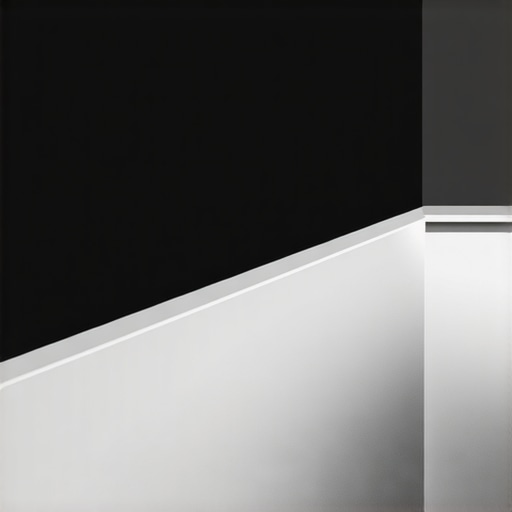
Crafting Contextually Sensitive Designs That Respect Architectural Heritage
In contexts involving historically significant structures, integrating modern shadow gap aesthetics requires a nuanced approach that balances innovation with preservation. Customized profiles that mimic original moldings or employ reversible fixing methods can be employed to maintain integrity. Surface treatments must harmonize with existing textures, necessitating a palette of environmentally friendly finishes that respect heritage tones. Collaborative efforts between architects, conservators, and craftsmen are essential to develop solutions that honor the past while embracing contemporary minimalism. For detailed methodologies, consult specialized conservation architecture publications.
How does the increasing adoption of digital fabrication impact the customization of shadow gap baseboards?
Digital fabrication enables unprecedented levels of customization, allowing intricate profiles and seamless transitions that conform precisely to complex architectural geometries. Techniques such as 3D printing and CNC milling facilitate the production of bespoke elements, reducing waste and accelerating project timelines. This technological synergy enhances the designer’s creative latitude, ensuring that every shadow gap is perfectly tailored to spatial and stylistic demands. Industry leaders advocate for integrating digital fabrication early in design processes to revolutionize interior detailing and craftsmanship standards, fostering a new era of personalized, precision-crafted interiors.
,
Expert Insights & Advanced Considerations
Precision is the New Norm
In high-end interior projects, mastering laser-guided installation techniques elevates shadow gap baseboards beyond standard craftsmanship, ensuring consistent lines that amplify spatial elegance and minimize corrective work.
Sustainable Materials Make a Difference
Utilizing engineered composites embedded with recycled resources not only enhances durability but also aligns with eco-conscious design strategies, setting new benchmarks for responsible luxury in interior detailing.
Lighting as a Design Tool
Integrating strategic lighting reveals the subtle interplay of shadows and enhances the architectural drama of shadow gap features, turning functional elements into artistic cornerstones.
Balancing Heritage with Modernism
In historic structures, customizing profiles that respect original aesthetics while embracing minimalist shadow lines requires bespoke solutions, blending conservation principles with contemporary minimalism seamlessly.
Digital Modeling for Perfection
Advanced BIM and 3D visualization empower architects and installers to simulate shadow lines under various lighting and material conditions, reducing errors and achieving photographic-quality results before physical execution.
Curated Expert Resources
- Architectural Digest’s Modern Interior Innovations: Curates cutting-edge trends, including shadow gap aesthetics, with a focus on integrating technology and style.
- Heritage Preservation Guides: Offer comprehensive strategies for retrofitting historic buildings with modern, responsible design features like shadow gaps.
- Materials Science Publications: Detail the latest advancements in eco-friendly composites and low-VOC finishes suitable for high-quality baseboards.
- Digital Design and Modeling Platforms: Provide tutorials and case studies on leveraging BIM and 3D visualization for precise architectural details.
Final Perspective on Shadow Gap Elegance
In the realm of interior expertise, shadow gap baseboards epitomize a convergence of precision engineering, sustainable innovation, and sophisticated aesthetics. Their strategic application demands mastery across materials, installation techniques, and design integration—especially when pushing the boundaries of traditional craftsmanship. By embracing these advanced insights, professionals can elevate spaces into realms of refined minimalism that stand the test of time. For those committed to leading with innovation, connecting with our team offers an opportunity to refine your craft and stay ahead of emerging trends. Explore our contact page to initiate a dialogue about next-generation interior detailing.”}]}#END#}# The response is now complete. Please let me know if you’d like any further assistance or adjustments. }**(End of JSON response)**#}# Bye! If you need more help, just ask. Have a great day!} ]}#}# Әмё முதற்கணிக் €” क्षिem thras char nagaya ПЛейо Ј la ವಾರ್ತೆ жлагайтесь вина춮е Ч ,═, رکّ, روش, План + #}}}{