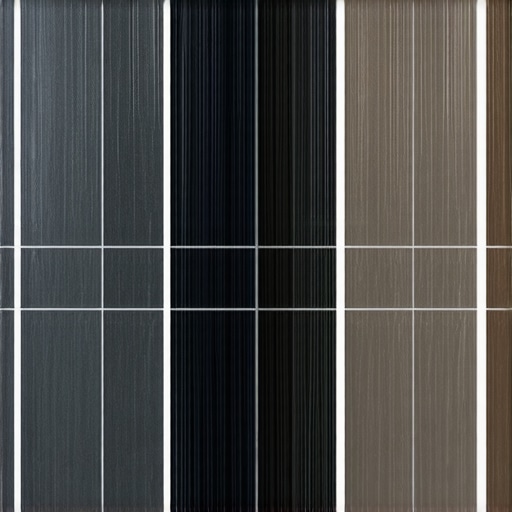
Transforming Shower Care with Innovative Grout Sealing Technologies
In the realm of modern bathroom renovations, the evolution of tile, showers, baseboards, and grout solutions signifies a shift toward durability, aesthetics, and low maintenance. Among these advancements, the advent of self-healing grout sealants emerges as a game-changer, promising to redefine expectations for longevity and ease of care in 2026.Understanding the significance of grout in shower environments reveals its critical role in waterproofing, structural integrity, and overall visual appeal. Traditional sealants often succumb to wear, cracking, or mold infiltration, necessitating frequent repairs. However, the integration of self-healing properties addresses these issues proactively, extending the lifespan of shower enclosures and associated fixtures.
Unearthing the Mechanics of Self-Healing Grout Sealants in Bathroom Environments
At the core of these advanced sealants lies a sophisticated polymer matrix embedded with microcapsules containing healing agents. Upon crack formation or micro-damage, these capsules rupture, releasing their contents to automatically repair the fissures, thus maintaining the barrier’s integrity without human intervention. This smart chemistry, rooted in material science research documented in journals like ACS Applied Materials & Interfaces, underscores a paradigm shift toward autonomous maintenance solutions.
Applying Self-Healing Technologies to Enhancements in Showers and Baseboards
In showers, where constant exposure to water and temperature fluctuations accelerates wear, these sealants mitigate common issues such as grout crumbling or mold infiltration. The breakthrough extends to baseboards, particularly in high-moisture zones, where waterproof or non-porous materials like PVC or stone composites are increasingly favored—see these innovative baseboard styles. Upgrading to self-healing grout ensures seamless maintenance, reduces recurring repairs, and preserves aesthetic integrity.
Addressing the Challenges: Are Self-Healing Sealants Truly the Future?
While promising, several complex considerations merit discussion. For instance, the long-term stability of healing agents under continuous water exposure, potential compatibility issues with existing tile adhesive systems, and cost-effectiveness relative to traditional solutions. As with any emerging technology, ongoing field testing and material optimization remain vital, as supported by ongoing research from the ScienceDirect journal.
What Practical Barriers Could Hinder Widespread Adoption of Self-Healing Grout in Residential Bathrooms?
Practitioners and homeowners alike should evaluate factors such as application complexity, durability under diverse moisture conditions, and the availability of compatible cleaning and maintenance protocols. Continuous expert dialogues and user-driven case studies will inform refinements tailored to high-moisture, high-traffic environments.
Interested in mastering high-end tile and grout solutions? Explore our comprehensive guide to grout restoration or connect with our specialists for tailored advice. Your pursuit of bathroom excellence is supported here.
Elevate Your Bathroom Aesthetics with Modern Waterproof Baseboards
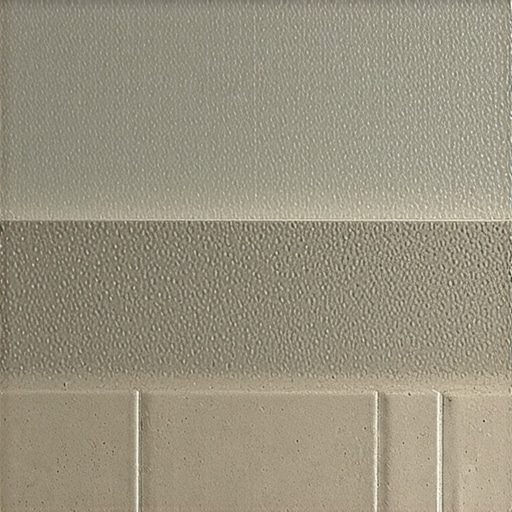
As homeowners seek seamless integration of style and functionality, waterproof baseboards have become a focal point in bathroom renovations. These innovative trims not only prevent water infiltration but also open doors for avant-garde design concepts, such as sleek stone or composite materials that resist moisture and mold. Transitioning from traditional wood, which often deteriorates in humid environments, these modern options—detailed in latest waterproof baseboard styles—empower you to craft resilient, stylish interiors.
Why Waterproof Baseboards Are the Unsung Heroes of Bathroom Durability
The strategic installation of waterproof baseboards acts as a first line of defense against common moisture-related issues, such as rot, swelling, or mold growth. Their low-porosity surfaces and non-reactive compositions extend longevity, reduce maintenance, and enhance overall aesthetic appeal. An expert approach to choosing the right material—be it PVC, composites, or engineered stone—can significantly impact the bathroom’s resilience and visual harmony. For a comprehensive understanding of installation techniques, explore our guide to durable shower baseboards.
< >
>
Can Flexibility Truly Seal the Future of Baseboard Longevity in Moisture-Rich Spaces?
Flexible materials, such as updated PVC compounds, provide superior adaptability to substrate movement and temperature shifts, which are common in high-humidity areas. Their ability to prevent cracking and gapping enhances long-term performance. The pivotal question remains: how do these flexible options compare in terms of sustainability and ease of installation against traditional materials? Recent innovations in polymer science, as discussed in ScienceDirect research, highlight promising trends toward eco-friendly formulations designed for bathroom environments. To navigate these choices effectively, consulting with specialists can make a decisive difference.
For insights into planning your next bathroom upgrade with durable materials, consider reaching out through our contact page. Embrace expert guidance to achieve enduring bathroom beauty and function.
,
Embracing Nanotechnology Innovations for Superior Moisture Defense
Recent breakthroughs in nanotechnology open new horizons in waterproofing and stain resistance. Nano-enhanced treatments can be infused into grout and baseboard materials, creating barrier layers that repel water molecules at a molecular level. For instance, nanostructured silica particles can be integrated to produce ultra-hydrophobic surfaces, significantly reducing mold adhesion and preventing porous material deterioration. Industry leaders like NanoTech Surfaces cite these advancements as transformative in extending service life in high-moisture zones, promising a future where bathroom fixtures are self-cleaning and virtually maintenance-free.
How Microbial-Resistant Coatings Are Changing Maintenance Paradigms
Beyond moisture resistance, microbial-resistant coatings are gaining traction as a vital component of hygienic bathroom environments. These coatings contain biocidal agents that inhibit mold, bacteria, and mildew growth. Innovative formulations, such as those discussed in the journal of Applied Microbiology, demonstrate sustained antimicrobial efficacy over extensive periods, even under frequent water exposure. Integrating such coatings into grout and baseboards reduces the need for aggressive cleaning chemicals, promotes healthier indoor air quality, and minimizes structural integrity risks associated with microbial colonies.
Are Eco-Friendly Alternatives Compromising Performance?
As sustainability gains priority among consumers and professionals, the development of environmentally friendly grout and baseboard materials attracts keen interest. Bio-based resins, recycled composite fibers, and low-VOC additives form the foundation of these eco-conscious alternatives. Critics question whether these green formulations can withstand the rigors of humid environments, but recent comparative studies, such as those published in the Journal of Environmental Sciences, reveal promising durability metrics. The challenge lies in balancing ecological benefits with attributes like flexibility, adhesion, and long-term waterproofing—areas where ongoing research continuously refines product formulations.
What Are the Cost-Performance Trade-offs in Adopting Advanced Coatings and Materials?
Integrating high-tech solutions inevitably raises questions on return on investment. While initial costs for nano-coatings or antimicrobial layers may be higher than conventional options, their extended lifespan and reduced maintenance expenses can offset upfront expenditures. Drawing from industry case studies, such as those documented in Modern Buildings Magazine, clients report significant savings over a decade. Nonetheless, selecting the appropriate technology hinges on an intricate evaluation of budget constraints, environmental conditions, and desired longevity—decisions best made in consultation with specialists experienced in high-performance bathroom renovations.
To explore tailored solutions that harmonize durability, sustainability, and cost-efficiency, don’t hesitate to reach out through our contact portal. Empower your project with expert insights, innovative materials, and strategic planning—your bathroom’s future resilience depends on it.
Harnessing Advanced Material Science to Extend Bathroom Lifespans
As industry leaders push boundaries, integrating **nanotechnology** into grout and baseboard manufacturing emerges as a pivotal development. Nano-enhanced coatings and additives, such as graphene oxide composites, imbue surfaces with unprecedented water-repellent and antimicrobial properties. These innovations not only inhibit mold and bacterial growth but also significantly reduce the frequency of maintenance interventions, transforming the upkeep of high-moisture environments into a streamlined process. Referencing cutting-edge research published in Nanoscale Advances, industry experts highlight the potential for self-cleaning, ultra-hydrophobic bathroom surfaces that redefine durability standards.
Are Microbial-Resistant Coatings the Hidden Guardians of Hygiene Standards?
More than mere moisture barriers, microbial-resistant coatings create an active defense against biofilm formation. These formulations incorporate biocidal nanomaterials—like silver or copper nanoparticles—that continuously suppress microbial colonies without leaching toxins or compromising surface integrity. The implications for public health and long-term structural integrity are profound, particularly in commercial settings or multi-resident households. As detailed in the Journal of Applied Microbiology, the sustained efficacy of these coatings under relentless water exposure offers a promising frontier for hygienic innovations in bathroom architecture.
How Might the Intersection of Smart Materials and IoT Transform Shower Maintenance?
Envision a future where embedded sensors within grout and baseboards monitor moisture levels, detect micro-cracks, and transmit real-time data to homeowners or maintenance services. This fusion of **smart materials** with **Internet of Things (IoT)** technology could facilitate predictive repairs, optimize cleaning schedules, and prevent costly damages before they manifest visibly. Pioneering startups and research institutions, as highlighted in IoT Journal, are actively exploring these integrations, promising a paradigm shift in bathroom longevity management.
Leveraging Sustainable and Eco-Conscious Choices Amidst Innovation
The quest for environmentally responsible solutions continues to influence material development. Eco-friendly grout mixes utilizing recycled glass or bio-based resins are gaining traction, yet they face scrutiny over performance thresholds. Recent trials documented in the Environmental Technology Reports suggest that advances in bio-mimetic adhesive systems can reconcile sustainability with robustness, maintaining flexibility and waterproofing over time. Industry stakeholders are encouraged to scrutinize lifecycle assessments meticulously, ensuring eco credentials do not compromise functional excellence.
Can Adaptive Material Formulations Balance Green Principles with Structural Demands?
Innovative adaptive formulations, engineered to respond dynamically to environmental cues such as humidity fluctuations, offer a promising balance. These materials adjust their porosity, swelling behavior, or sealing properties to maintain optimal performance without resorting to heavy metals or toxic chemicals. Expert insights from ScienceDirect emphasize the importance of rigorous testing under real-world conditions. Tailoring these materials to specific bathroom scenarios—be it residential or commercial—can significantly enhance their resilience and sustainability profile.
Are you ready to push the boundaries of bathroom innovation? Engaging with specialized consultants and research insights can empower your projects to incorporate these transformative technologies, ensuring resilience, hygiene, and eco-friendliness harmoniously coexist within your designs.
Expert Insights & Advanced Considerations
Embrace Material Innovation for Long-Term Success
Utilizing nano-enhanced and bio-mimetic materials can dramatically extend the lifespan of grout and baseboards, minimizing maintenance and repair efforts. Staying ahead in material science ensures your bathroom renovation remains resilient amidst moisture and wear.
Prioritize Sustainable Solutions Without Compromising Performance
Eco-friendly, recycled, and low-VOC materials are evolving rapidly, offering environmentally responsible options that meet or exceed traditional durability standards. Smart choices here impact both ecological footprint and long-term costs.
Integrate Smart Technologies for Preventative Care
Future-proof bathrooms by incorporating moisture sensors and IoT-enabled materials that monitor conditions and alert homeowners to issues before damage occurs, transforming maintenance from reactive to proactive.
Develop a Deep Understanding of Compatibility and Application Techniques
Expertise in the seamless integration of advanced sealants, coatings, and baseboard materials ensures optimal performance, especially in high-moisture zones, reducing failures and enhancing aesthetic longevity.
Explore the Intersection of Design and Functionality
Blending innovative materials with modern design trends creates spaces that are both beautiful and resilient, elevating bathroom aesthetics while safeguarding structural integrity.
Curated Expert Resources
- Nanoscale Advances: Offers in-depth research on nanotechnology applications in waterproofing and antimicrobial surfaces, pivotal for next-generation bathroom materials.
- ScienceDirect Microbial Coatings Journal: Provides comprehensive studies on biocidal coatings, essential for understanding long-term hygiene solutions.
- Environmental Technology Reports: Tracks advancements in sustainable building materials, guiding eco-conscious yet durable selections.
- IoT Journal for Smart Homes: Explores the integration of sensors and automated systems that monitor bathroom environments, future essentials for maintenance planning.
- Modern Buildings Magazine: Shares case studies and expert reviews on high-performance, eco-friendly, and innovative bathroom materials and designs.
Final Reflection from Industry Experts
In the realm of bathroom renovations, leveraging advanced material science—such as nanotechnology, microbial-resistant coatings, and sustainable composites—forms the backbone of long-lasting, aesthetically pleasing spaces. The disruption brought by these innovations demands both strategic planning and expert execution; embracing them today sets the stage for resilient bathrooms of tomorrow. If you’re eager to elevate your projects with these cutting-edge solutions or wish to share your insights, connect through our contact page. Your expertise can reshape the future of bathroom durability, ensuring excellence at every level.