I spent three days grinding concrete on a job last month just so the floor wouldn’t click like a castanet. Most guys skip the leveling compound. They think the underlayment will hide the dip. It won’t. I have seen fifteen thousand dollar projects fail because a contractor didn’t understand the physics of the subfloor. When you talk about 2026 grout resin tactics, you are talking about structural integrity. A shower is not just a place to wash up. It is a wet environment system that depends on the molecular density of the materials used to bind the tile. Most people think bleach is the answer to mold. Bleach is a temporary fix that actually opens the pores of traditional grout, making the mold problem worse over time. We are looking at a shift toward advanced resin polymers that create a hydrophobic surface where mold cannot find a foothold.
The failure of cementitious grout in wet environments
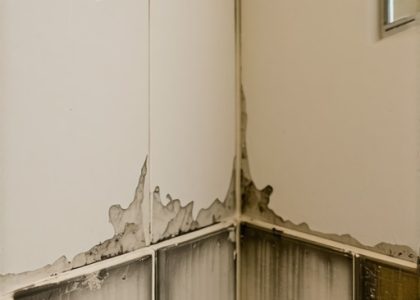
Cementitious grout fails because it is a porous, mineral based material that acts like a sponge for organic matter and moisture. When water enters these tiny pores, it carries skin cells, soap residue, and bacteria deep into the substrate. This creates a microscopic buffet for mold. Traditional grout is essentially just sand and portland cement. It has zero chemical resistance. In 2026, the standard is moving toward solid state resins. If you want to understand why your shower smells like a damp basement, look at the grout joints. They are likely saturated with moisture that never fully evaporates. This is why how to refresh grout without replacing it is such a common concern for homeowners who are tired of scrubbing on their hands and knees. The resin tactic replaces that porous sand with a cross linked polymer that water cannot penetrate.
“A floor is only as good as the subfloor beneath it; deflection is the enemy of every joint.” – Master Flooring Axiom
The chemistry of 2026 resin tactics
Resin tactics eliminate mold growth by creating a non porous, hydrophobic barrier that prevents water and soap scum from penetrating the joint. These resins are often two part epoxy or poly aspartic systems that cure into a glass like density. Unlike cement, they do not require sealing. The chemical bond formed between the resin and the tile edge is stronger than the tile itself. This is the information gain most contractors will not tell you. They prefer cement because it is fast and cheap. But resin is the architect choice. You need to consider the Shore A hardness and the elongation at break. A high quality resin grout can handle the slight shifts in a house without cracking, whereas cement will hairline immediately. These cracks are the highways for mold. Using resin is like turning your shower into a single, continuous piece of stone.
| Grout Type | Porosity Level | Mold Resistance | Cure Time |
|---|---|---|---|
| Traditional Cement | High | Low | 72 Hours |
| High Performance Cement | Medium | Moderate | 48 Hours |
| 2026 Resin Tactic | Zero | Extreme | 24 Hours |
[IMAGE_PLACEHOLDER]
Structural subfloor requirements for resin systems
Structural subfloor requirements for resin systems include a deflection rating of L/360 or better to ensure that the rigid bond of the resin does not crack under load. If your subfloor bounces, your grout will fail. It does not matter if you use the most expensive resin in the world. I have seen guys install beautiful tile on a thin plywood subfloor that flexed like a trampoline. Within six months, the resin popped out in chunks. You need to verify the joist spacing and the thickness of your subfloor. Use a cement backer board or a modern uncoupling membrane to isolate the tile from the movement of the house. This is especially vital when designing showers that wow modern designs for 2025 because those designs often use large format tiles that are less forgiving of subfloor imperfections.
Baseboard integration and the perimeter seal
Baseboard integration requires a specific expansion gap filled with color matched silicone rather than hard grout to prevent pressure cracking. Many installers make the mistake of running grout all the way to the baseboard. When the house settles or the humidity changes, the floor expands. If there is no gap, the floor will buckle or the grout will crush. This is where chic baseboard designs that transform rooms in 2025 come into play. You need a baseboard that covers a legitimate quarter inch expansion gap. In bathrooms, this gap must be sealed with a high grade resin caulk to keep moisture from getting under the tile and rotting the wall studs. This is the dirty secret of bathroom remodeling. The mold you see on the grout is often just the tip of the iceberg. The real damage is happening behind the baseboards where the installer skipped the sealant.
- Check subfloor for levelness within 1/8 inch over 10 feet.
- Ensure moisture content of wood subfloor is below 12 percent.
- Use a notch trowel size appropriate for the tile dimensions.
- Mix resin grout in small batches to manage short pot life.
- Apply color matched silicone at all change of plane joints.
The physics of shower pan drainage
Shower pan drainage depends on a consistent slope of one quarter inch per foot toward the drain to prevent standing water. Standing water is the primary cause of resin degradation and mold clusters. Even the best grout restoration secrets for long lasting results cannot fix a poorly sloped floor. If water sits in a corner, it will eventually find a way through. The 2026 tactic involves using a pre sloped foam pan system that ensures the angle is perfect every time. This eliminates the human error of hand packing a mud bed. When you combine a perfectly sloped pan with resin grout, you create a system that sheds water like a duck. This is how you end the cycle of bleaching and scrubbing. You are not fighting nature. You are using physics to move the water away from the organic material as fast as possible.
“Moisture vapor emission rates exceeding three pounds per one thousand square feet often lead to bond failure in non porous resins.” – Technical Floor Advisory
Advanced tile selection for resin compatibility
Advanced tile selection involves choosing low absorption porcelain or natural stone that has been pre sealed to ensure the resin grout bonds correctly. Not all tile is created equal. Some ceramic tiles have a very porous body that can suck the moisture out of the resin before it has a chance to cure. This results in a weak, powdery joint. You want a tile with an absorption rate of less than 0.5 percent. This is what makes a professional installation last thirty years instead of five. When you look at eco friendly tile solutions for sustainable homes in 2025, you will see a trend toward recycled glass and dense porcelain that work perfectly with resin tactics. These materials do not harbor bacteria and they provide a smooth surface for the resin to grab onto. It is about creating a cohesive, impenetrable surface. It is about building something that lasts. Forget the bleach. Focus on the resin and the structural prep. That is how you win the war against mold.