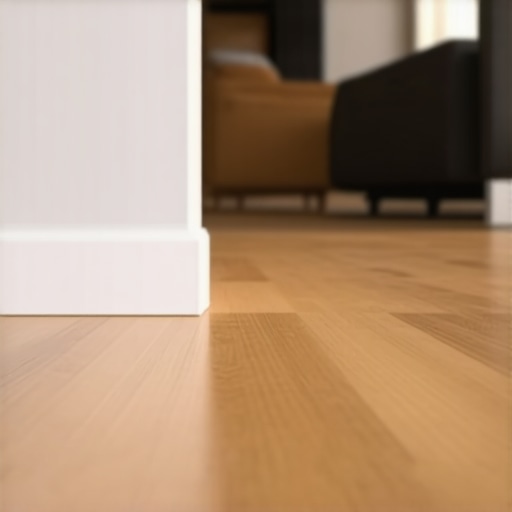
Revolutionizing Bathroom Design: The Rise of Waterproof Baseboards
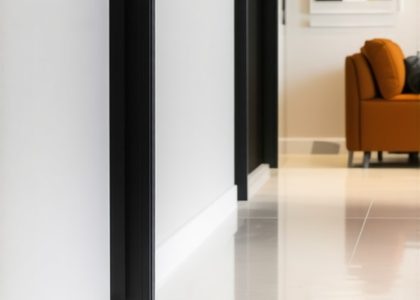
As bathroom renovations evolve amid increasing moisture challenges, the traditional reliance on wood baseboards faces significant reevaluation. By 2026, architects and homeowners will pivot towards innovative waterproof baseboard solutions designed to resist mold, warping, and water intrusion, elevating both functionality and aesthetic appeal.
Navigating the Promise of Waterproof Materials Over Conventional Wood
While wood has historically been the material of choice for baseboards, its vulnerability to moisture infiltration makes it unsuitable for high-humidity environments. Waterproof composites, PVC, and flexible polymer profiles now offer exceptional resistance, enabling seamless integration with the latest tile and grout systems designed for longevity. This trend not only prolongs the visual integrity but also reduces maintenance efforts, aligning with sustainable practices and expert recommendations from sources like the Journal of Building Performance.
Complexities in Selecting Seamless Grout-Baseboard Merges
One of the emerging technical hurdles involves achieving durable, waterproof transitions between tile surfaces and waterproof baseboards. Such junctions demand meticulous planning to prevent water ingress, which can cause grout delamination and mold growth. Advanced epoxy or silicone-based sealants have become essential, with field experts advising meticulous installation for ensuring airtight, watertight profiles. For instance, professional guides now emphasize precision in grout sealing techniques to extend the lifespan of bathroom finishes.
Will Waterproof Baseboards Dominate the 2026 Market? A Critical Examination
Considering current industry trajectories, the adoption of waterproof baseboards could eclipse traditional wood options within the next three years. The benefits—resilience against moisture, aesthetic versatility, and reduced lifecycle costs—significantly outweigh initial investments. However, contractors need to adapt to the nuances of installing these materials, requiring specialized expertise. The shift also prompts renovation specialists to refine their knowledge about compatible grout formulations, such as high-performance, mold-resistant variants, which are increasingly vital to maintaining long-term integrity.
How Effective Are Modern Grout Formulations in Complementing Waterproof Baseboards?
Achieving lasting adhesion and water resistance at grout interfaces with waterproof baseboards hinges on selecting high-quality, flexible, and sealing-ready formulations. Recent developments include epoxy grouts infused with biocides, which inhibit mold and mildew, dramatically improving bathroom hygiene. Experts recommend consulting trusted resources such as trusted grout maintenance guides to navigate this complex selection process effectively.
For advanced insights into integrating these cutting-edge materials into your renovation projects, exploring related content such as modern shower designs can be highly beneficial. Sharing professional experiences and success stories through comments can also contribute to elevating industry standards in waterproof solutions.
Why Mixing Style and Durability Elevates Bathroom Renovations
Gone are the days when functionality compromised aesthetics; today’s bathroom upgrades prioritize materials that withstand moisture while maintaining elegant design. Waterproof baseboards, particularly those crafted from high-quality PVC or flexible polymers, not only resist mold and warping but also seamlessly blend with trendy tile selections, creating a cohesive and durable finish. Integrating these elements elevates the overall aesthetic, ensuring your bathroom remains stunning and resilient for years to come. For innovative design ideas, explore our curated modern shower designs for 2025.
Tackling the Challenge of Seamless Grout and Baseboard Integration
Achieving a flawless transition between tiles and waterproof baseboards involves more than aesthetic appeal—it’s a critical step in waterproofing and maintenance. Experts emphasize meticulous application of high-performance sealants, such as mold-resistant epoxy or silicone formulations, to prevent water ingress and mold growth. The choice of grout plays a significant role; flexible, biocide-infused epoxy grouts offer superior adhesion and mold resistance, extending the lifespan of your bathroom surfaces. Discover trusted grout maintenance tips to ensure your renovation endures the test of time.
Are Traditional Materials Still Relevant in High-Moisture Spaces or Should Innovation Take Over?
While wood moldings and traditional grout have long served bathrooms, experts now advocate for innovative, moisture-resistant solutions as standard practice. Modern materials like flexible silicone sealants and high-tech epoxy grouts are redefining the landscape, providing superior resilience against water damage. Industry research, such as the findings published in the Journal of Building Performance, underscores the importance of adopting these advanced materials to minimize repair costs and environmental impact over the long term. Considering these developments, could conventional options still be cost-effective or pose risks to your investment?
If you’re interested in upgrading your bathroom’s durability and style, consulting professional guides on installing shower bases and grout maintenance can provide valuable insights for expert-level results. Sharing your questions or experiences in comments can also foster community learning and industry growth in sustainable bathroom remodeling.
Mastering Bonding Strategies for Long-Lasting Waterproof Transitions
Achieving impeccable adhesion between waterproof baseboards and surrounding surfaces requires a nuanced understanding of substrate preparation and adhesive chemistry. Contractors often overlook the microscopic interactions at play, which can significantly influence the longevity of waterproofing systems. Employing primers specifically formulated for PVC or polymer composites enhances surface energy, promoting better bonding with sealants and adhesives. Furthermore, selecting adhesives with inherent flexibility accommodates substrate expansion and contraction, reducing the risk of cracks and delamination over time. For professionals seeking a comprehensive approach, consulting the latest ASTM F2390 standards, which specify testing methods for waterproof adhesive systems, can provide invaluable guidance.
Addressing Thermal Expansion Challenges in Moisture-Resistant Materials
One often understated complication in waterproof bathroom design involves differential thermal expansion. Water-resistant materials like PVC, silicone-based sealants, and epoxy grouts each have distinct coefficients of thermal expansion. When these materials are integrated into a confined space, temperature fluctuations can cause stress fractures or gaps, undermining waterproof integrity. Advanced solutions involve the incorporation of expansion joints or flexible sealant profiles that absorb movement without compromising seal quality. In high-demand environments, real-time thermal monitoring during installation can aid in preemptively identifying potential stress points, preserving the system’s waterproof performance.
How Can Engineers Optimize the Composition of Sealants for Extreme Conditions?
Innovations in sealant chemistry are transforming how we approach waterproofing, especially in environments subjected to temperature extremes or chemical exposure. Modern formulations incorporate elastomeric polymers like silicone or polyurethane that maintain elasticity over broad temperature ranges, ensuring seal integrity. Adding nanoparticles can enhance resistance to UV radiation and microbial growth, critical factors in humid, poorly ventilated bathrooms. Industry-specific research, such as the comprehensive review published in the International Journal of Sealants, discusses the molecular design principles enabling these advanced materials to outperform traditional options. Integrating these cutting-edge sealants can markedly reduce maintenance and repair costs in demanding residential or commercial settings.
Are you interested in elevating your waterproofing projects with state-of-the-art materials and techniques? Engage with industry experts through specialized forums or professional training courses that delve into the chemistry and application best practices for extreme-condition sealants. Sharing experiences and technical insights can accelerate innovation and ensure your projects meet the highest durability standards.
Reimagining Waterproofing Techniques for Expert-Level Bathroom Design
In the realm of high-end bathroom renovation, the intricacies of waterproofing extend beyond mere material selection to encompass sophisticated installation methodologies that ensure longevity and precision. The converging issues of substrate compatibility, adhesive stability, and thermal dynamics necessitate a nuanced approach, incorporating cutting-edge materials and proven practices to achieve impeccable results.
Are Certified Adhesives the Cornerstone of Long-Lasting Waterproof Transitions?
Yes. The efficacy of waterproof baseboard systems hinges fundamentally on the choice of adhesives with verified ASTM F2390 compliance, ensuring resilient bonding under fluctuating moisture and temperature conditions. Modern formulations integrating elastomeric agents provide flexibility, accommodating substrate movement without compromising seal integrity. For detailed guidelines, consult authoritative sources like the ASTM International standards, which endorse the latest testing protocols for waterproof adhesives.
< >
>
How Can Engineers Strategically Manage Thermal Expansion in Moisture-Resistant Materials?
Meticulous planning is vital. Incorporating expansion joints or flexible sealant profiles that respond dynamically to temperature-induced substrate movements prevents cracks and delamination. Advanced simulations utilizing finite element analysis allow designers to predict stress hotspots, facilitating preemptive adjustments. Leveraging materials with matched coefficients of thermal expansion—such as flexible polyurethane sealants combined with high-grade PVC panels—ensures cohesive movement and maintains waterproof integrity over time.
The Power of Surface Preparation in Achieving Monolithic Waterproof Barriers
Surface preparation is paramount. Priming substrates with specialized adhesion promoters compatible with high-performance sealants maximizes bonding efficacy. Mechanical abrasion followed by thorough cleaning removes contaminants, reducing the risk of micro-gaps. Employing non-porous, low-energy surfaces requires tailored treatments to enhance surface energy, a step often overlooked but essential for sealing success. For comprehensive preparation protocols, industry-standard guides highlight critical procedures that elevate installation quality.
What Innovations Are Shaping the Future of Waterproof Baseboard Materials?
Emerging research centers on nanocomposite polymers infused with antimicrobial agents, offering unprecedented resistance to mold and microbial colonization. Additionally, bio-inspired coatings inspired by lotus leaf properties impart self-cleaning and water-repellent characteristics, simplifying maintenance. These materials not only enhance functional performance but also align with sustainability goals by reducing the frequency of replacements and repairs. Staying abreast of technological advancements through authoritative journals like the Nature Materials ensures professionals leverage the latest innovations.
Take Your Bathroom Waterproofing to the Next Level
Engaging with our comprehensive insights equips industry specialists to refine their techniques, ensuring sealed environments resistant to moisture intrusion and structural degradation. Whether through mastering high-performance adhesive applications or integrating next-generation materials, continuous learning and adoption of advanced practices are indispensable. For tailored consultations or to share your experiences with innovative waterproofing strategies, connect with seasoned experts committed to elevating standards in bathroom design.
Expert Strategies for Superior Waterproofing
Professionals recognize that meticulous substrate preparation combined with advanced adhesive chemistry is essential for creating durable waterproof transitions. Employing tailored primers enhances bond strength, while selecting flexible adhesives accommodates substrate movements, ensuring longevity. Delving into ASTM F2390 standards provides a benchmark for testing and certifying waterproof systems, elevating installation reliability.
Why Material Compatibility Matters
Choosing materials with harmonized coefficients of thermal expansion prevents stress-induced failures. High-quality PVC or polymer composites paired with elastomeric sealants form resilient interfaces capable of withstanding temperature fluctuations and moisture exposure, a crucial consideration for expert-grade bathroom renovations.
Advanced Solutions to Expansion Challenges
Integrating expansion joints or flexible profiles effectively absorbs movement caused by thermal dynamics, preventing cracks and maintaining waterproof seals. Predictive modeling through finite element analysis enables precision in design, ensuring each component responds dynamically, a hallmark of sophisticated waterproofing strategies.
Authoritative Resources to Elevate Your Practice
- ASTM International Standards: The definitive source for testing protocols and certification for waterproof adhesives and sealants.
- Journal of Building Performance: Offers cutting-edge research and innovations in moisture-resistant materials.
- Manufacturer Technical Bulletins: Provide in-depth guidance on material application, compatibility, and installation best practices.
- Industry Expert Forums: Platforms like professional trade networks facilitate knowledge exchange and peer review.
- Renowned Training Courses: Specialized certifications in waterproofing enhance skill sets and ensure adherence to evolving standards.
Synthesis for Forward-Thinking Bathroom Design
Embracing the latest waterproofing insights, especially in the context of baseboards, empowers professionals to deliver projects that combine resilience with refined aesthetics. Prioritizing material science, innovative solutions to thermal movement, and authoritative guidance elevates bathroom renovations from basic upgrades to enduring investments. Engage with expert communities and continuous education to remain at the forefront of this niche, ensuring every joint, seam, and surface stands the test of time. For a closer look at modern design integrations, explore our innovative modern shower ideas for 2025 and push your expertise further.