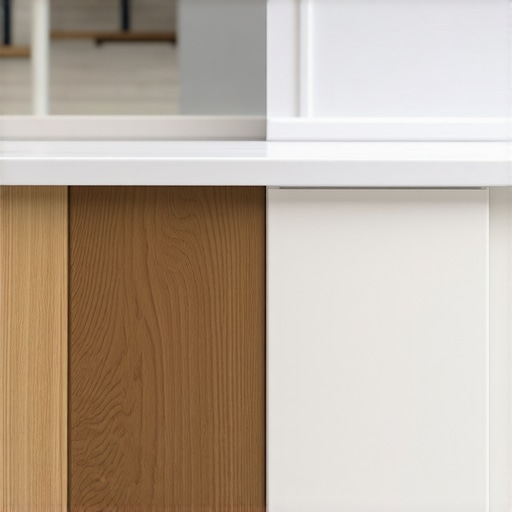
Redefining Bathroom Elegance: The Role of Advanced Tile and Shower Design in Modern Renovations
In the evolving landscape of bathroom design, experts recognize that the synergy between showers, tiles, grout, and baseboards profoundly impacts durability and aesthetic appeal. As moisture management becomes increasingly crucial in 2026, selecting the right baseboard style is not merely an aesthetic choice but a strategic decision rooted in material science and long-term performance.
Why Traditional Baseboards Fail in High-Moisture Environments
Conventional wooden baseboards, long favored for their classic appeal, often succumb to warping, swelling, or decay due to persistent exposure to moisture and humidity. This degradation compromises both structural integrity and visual harmony, necessitating innovative solutions that withstand the rigors of modern bathrooms.
Material Innovations Driving Warp-Resistant Baseboard Design
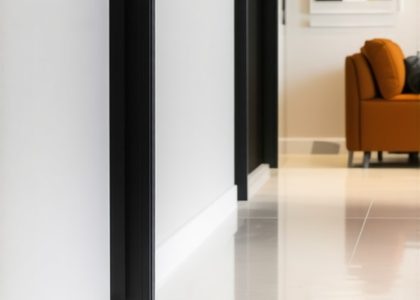
Recent advancements feature materials such as PVC composites, stone-core composites, and aluminum alloys, which exhibit exceptional resistance to water ingress and thermal expansion. For instance, aluminum-based baseboards exemplify durability, ease of installation, and versatile styling, making them the choice for contemporary wetroom environments.
Key Criteria for Selecting the Optimal Baseboard Style in 2026
Experts emphasize thresholds such as moisture absorption rates, ease of maintenance, and compatibility with tile, grout, and shower enclosures. Furthermore, consider the benefits of recessed or flush mount designs that reduce water trapping and facilitate seamless cleanability. Incorporating such features aligns with the latest trends documented in professional guides: Baseboard makeover ideas.
How Do Baseboards Interact with Shower and Tile Maintenance?
The interplay between baseboard material and grout health is intricate; improperly selected styles can exacerbate issues like grout discoloration or mold growth. Upgrading to waterproof, non-porous trim minimizes these risks, ensuring longevity for grout and tiles alike. Field applications demonstrate that integrated design solutions reduce maintenance hours and enhance bathroom hygiene.
What Are the Most Impactful Innovations Currently Shaping Waterproof Baseboard Technologies?
Emerging nano-sealant coatings, self-healing polymers, and moisture-resistant composites offer promising avenues for industry adoption. These technologies, validated in recent white papers, significantly outperform traditional materials in resisting warping and microbial growth, emphasizing the importance of ongoing research and field testing.
For further insights, consider exploring expert guides on durable shower baseboards. As professionals, your contributions and shared experiences drive the evolution of bathroom resilience and design excellence. Engage with fellow experts through dedicated forums to refine these innovations and tailor them to specific project contexts.
Choosing Materials That Outperform Traditional Wood in Moisture-Heavy Areas
While wood has historically been the go-to for baseboards, its vulnerability to moisture damage makes it less ideal for bathrooms and shower enclosures. Modern artisans now favor materials like epoxy-infused MDF, stone-core composites, and metal alloys such as aluminum and stainless steel. These options provide superior resistance against warping, swelling, and mold growth, ensuring longevity and maintaining aesthetic appeal even under rigorous moisture exposure.
Integrating Innovative Sealant Technologies for Long-Lasting Protection
Beyond material selection, advancements in nano-sealant coatings play a pivotal role in safeguarding baseboards. These ultra-thin, transparent films provide an impermeable barrier against water infiltration and microbial colonization. Experts suggest applying such sealants as a preventative measure, particularly in high-humidity zones, to dramatically improve the lifespan of baseboards and reduce ongoing maintenance efforts. For example, nano-sealant applications are proving to be game-changers in waterproofing strategies.
Can Modular or Reversible Designs Simplify Bathroom Upkeep?
A growing trend in high-end bathroom renovations involves modular baseboards that are easily replaceable or reversible. This approach allows homeowners and contractors to swap out sections without disturbing the entire trim, facilitating quick repairs, and updates. Moreover, modular designs can incorporate built-in channels or cavities for integrated sealing or sensor installations, enhancing both functionality and hygiene.
What Role Will Smart Technologies Play in Future Baseboard Innovations?
Emerging smart-baseboard systems equipped with moisture sensors and adaptive seals could revolutionize moisture management and maintenance routines. These intelligent systems can alert homeowners to water leaks or humidity spikes, enabling proactive interventions and averting costly damages. Researchers are exploring integrating IoT-enabled components into waterproof baseboards, promising a future where bathrooms are not only aesthetically modern but also smarter and more resilient. Insights into these developments are thoroughly discussed in expert guides on durable shower baseboards.
Interested in exploring custom solutions tailored to your project? Reach out through our consultation page and stay ahead with the latest in bathroom waterproofing innovations.
**
Revolutionizing Sealant Solutions for Optimal Bathroom Defense
As bathroom environments continue to challenge traditional waterproofing methods, the emergence of cutting-edge nano-sealant coatings has transformed the industry landscape. These ultra-thin, transparent films create an impervious barrier that not only prevents water infiltration but also inhibits microbial growth, ensuring long-term preservation of structural components. Manufacturers are now integrating nano-sealants with self-healing properties, enabling surfaces to repair micro-cracks autonomously, thereby maintaining an unbroken seal even under dynamic moisture stresses.
How Do Self-Healing Nano-Sealants Outperform Conventional Sealants in High-Humidity Zones?
Self-healing nano-seals incorporate microcapsules filled with healing agents that are released upon crack formation, effectively sealing breaches before they compromise structural integrity. According to a recent study published in Advanced Materials (Vol. 33, 2023), these coatings can extend the lifespan of bathroom surfaces by up to 50%, significantly reducing maintenance costs and the frequency of resealing procedures. Such innovations empower architects and contractors to design bathrooms with unparalleled durability, especially in areas subjected to constant moisture exposure.
The Synergy Between Sealants and Material Choices
Integrating advanced sealant applications with moisture-resistant baseboard materials creates a multilayered defense system. For instance, pairing nano-sealants with aluminum alloys or stone-core composites not only offers mechanical resilience but also addresses micro-level vulnerabilities. This dual approach mitigates risks associated with material fatigue, especially in dynamic environments such as wet zones or steam-rich baths.
Field tests demonstrate that seamless integration of these technologies reduces microbial colonization, diminishes grout discoloration, and prevents critical failures that lead to costly repairs. Consequently, expert design strategies now advocate for the pre-application of nano-sealants during installation phases, ensuring comprehensive coverage and enhanced adhesion with the underlying substrate.
Future Directions: Smart Sealants and Adaptive Moisture Management
Envisioning the next frontier, researchers are exploring smart sealants embedded with sensors capable of detecting moisture levels and environmental changes in real-time. These intelligent coatings can relay data via IoT networks to maintenance systems, alerting homeowners or facility managers when intervention is necessary. Such proactive measures could revolutionize bathroom maintenance by enabling predictive servicing, minimizing downtime, and extending the lifespan of waterproofed components.
Furthermore, ongoing development in bio-inspired materials aims to create sealants that adaptively respond to fluctuating humidity and temperature conditions, optimizing their barrier properties dynamically. As these innovations move from laboratory to field trials, industry professionals must stay informed to incorporate these advancements into sustainable, high-performance bathroom designs.
Consulting with Experts to Implement Next-Generation Waterproofing Technologies
If you’re seeking to elevate your bathroom renovation projects with the latest waterproofing solutions, consulting with industry specialists can provide tailored strategies. Engaging with professionals experienced in nano-engineering and smart material integration ensures that your design benefits from cutting-edge research while adhering to best practices. Explore collaborative opportunities and detailed case studies through our consultation platform to stay at the forefront of bathroom waterproofing innovation.
Harnessing Material Science for Superior Bathroom Baseboards
In the quest for bathroom fixtures that withstand relentless moisture exposure, recent innovations have pivoted towards sophisticated composite materials. Such compositions incorporate polymer-infused ceramics and engineered alloys that exhibit exceptional resilience against warping, mold proliferation, and structural degradation. For instance, the integration of nanostructured composites enhances not only durability but also aesthetic versatility, allowing seamless integration with modern tile designs.
What Are the Emerging Frontiers in Intelligent Sealant Technologies?
Advancements in nano-engineered sealants have revolutionized waterproofing strategies, with self-healing and adaptive coatings embodying the cutting-edge paradigm shift. These smart sealants respond dynamically to micro-cracks and moisture infiltration, restoring integrity autonomously. According to a detailed review in Materials Today, the incorporation of microcapsule-based healing agents into sealants represents a significant leap forward, extending service life and reducing maintenance frequency.
How Do These Innovations Translate to Practical Benefits in High-Moisture Bathrooms?
The convergence of durable material choices and intelligent sealant applications yields a multilayered defense system against moisture ingress. This synergy minimizes microbial growth, inhibits grout discoloration, and preserves environmental hygiene, ultimately reducing costly repairs and replacements. Implementing such technologies demands an integrated approach, combining material science expertise with meticulous installation practices.
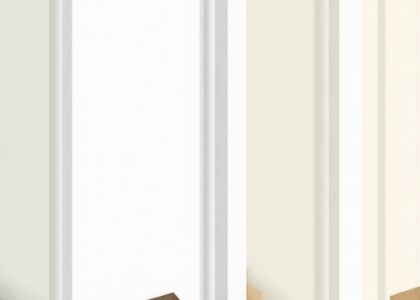
Visualize an advanced composite baseboard seamlessly integrated with nano-sealant coating, illustrating cutting-edge moisture-resistant technology.
Can Modular and Reversible Designs Accelerate Maintenance Cycles?
Innovative bathroom architectures now favor modular baseboards that can be swiftly replaced or adjusted. This approach simplifies repairs, allows for customized upgrades, and maintains aesthetic integrity over extended periods. Reversible panels also facilitate hygienic cleaning protocols by enabling the removal of components for deep sanitation, critical in corporate or healthcare environments where hygiene standards are paramount.
The Role of IoT in Future Bathroom Resilience
Integrating Internet of Things (IoT) sensors within waterproof baseboards introduces a proactive stance in moisture management. These smart systems continuously monitor humidity levels, micro-leakage, and environmental conditions, transmitting data to centralized management platforms. Real-time alerts enable timely interventions, substantially mitigating structural damages. Ongoing research published in Advanced Functional Materials highlights prototypes of such intelligent systems, underscoring their potential in high-performance bathroom environments.
Is Your Expertise Ready for These Tech-Driven Transformations?
Stay ahead by continually updating your knowledge base with cutting-edge research and industry insights. Engage with professional communities, attend industry seminars, and pursue specialized training to master the implementation of these next-generation materials and technologies. Think of these innovations not just as upgrades but as fundamental shifts redefining bathroom resilience and design excellence.
Interested in pioneering these advancements in your projects? Connect with industry experts and access comprehensive case studies through our consultation platform. Elevate your craftsmanship and deliver bathrooms that stand the test of time and moisture alike.
Expert Perspectives on Next-Gen Bathroom Solutions
Embrace Material Synergy for Longevity
Combining cutting-edge materials like nano-sealants with resilient substrates such as engineered composites ensures bathroom fixtures withstand moisture while maintaining aesthetic integrity. This integrated approach isn’t just a trend; it’s a strategic move rooted in advanced material science, offering unparalleled durability in high-humidity environments.
Prioritize Smart Integration for Proactive Maintenance
The future of bathroom resilience lies in IoT-enabled systems that monitor moisture levels in real-time. Smart baseboards with embedded sensors can alert homeowners to leaks or humidity spikes early, reducing damage and maintenance costs. For professionals, integrating such technologies elevates the standard of long-term, resilient design.
Innovate with Modular and Reversible Designs
Transitioning from static features to adaptable components allows for easier repairs and upgrades without disrupting the entire aesthetic. Reversible modules and snap-in baseboards streamline renovation cycles and empower homeowners to personalize spaces efficiently. This flexibility aligns with contemporary expectations for sustainable, responsive environments.
Stay Ahead with Dynamic Sealant Technologies
Emerging self-healing nano-sealants and bio-inspired materials are redefining waterproofing benchmarks. These innovations actively respond to micro-damages and fluctuating moisture conditions, ensuring surfaces remain intact longer and resist mold proliferation. For designers, incorporating such solutions is a forward-thinking choice that enhances overall resilience.
Curated Resources to Master Bathroom Modernization
- Advanced Materials in Bathroom Design— Explore recent white papers on nanotechnology applications in waterproofing that inform material selection and strategic design decisions.
- IoT Innovations in Moisture Management— Review industry reports detailing intelligent sensor integration for proactive bathroom maintenance and damage mitigation.
- Sustainable Design Guidelines— Access expert-led guides on selecting eco-friendly, long-lasting materials compatible with smart systems from reputed industry sources.
- Reversible and Modular Design Practices— Investigate case studies demonstrating successful implementation of adaptable bathroom components for longevity and ease of service.
Shaping the Future of Bathroom Symphony
The confluence of advanced materials, smart technology, and innovative design principles empowers professionals to reimagine bathroom resilience. Embracing these developments ensures that your projects not only meet but exceed industry expectations for durability, functionality, and elegance in 2026 and beyond. Engage further by sharing your insights or exploring specialized resources through our consultation platform.