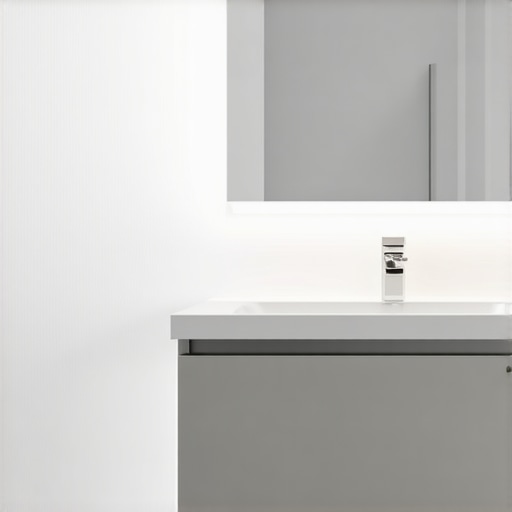
Revolutionizing Bathroom Aesthetics and Durability with Aluminum Baseboards
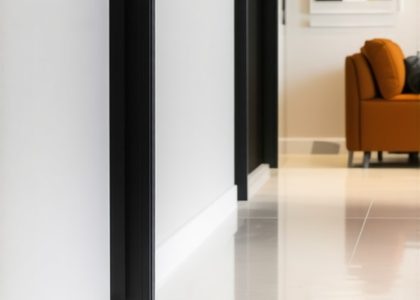
In the rapidly evolving landscape of bathroom design, aluminum baseboards have emerged as more than just a trend—they represent a strategic shift driven by technological advancements, environmental considerations, and functional superiority. Experts recognize that selecting the appropriate baseboard material profoundly impacts moisture management, aesthetic longevity, and maintenance efficiency, especially as bathrooms become more sophisticated and hygroscopic environments.
Material Innovations in Bathroom Trims: Beyond Traditional Wooden Profiles
Historically, wood and PVC have dominated baseboard choices; however, their vulnerabilities to humidity, mold, and warping have spurred the industry to explore superior alternatives. Aluminum, with its non-porous surface and corrosion resistance, addresses these issues effectively, ensuring that baseboards maintain structural integrity and visual appeal over decades. PVC alternatives are also gaining traction, yet aluminum’s recyclability and robustness set it apart in sustainable design discussions.
Environmental and Health Benefits of Aluminum in Bathroom Applications
The environmental profile of aluminum, especially in the context of eco-friendly renovations, is compelling. Its high recyclability rate and energy-efficient manufacturing processes make it a preferred choice for environmentally conscious homeowners. Additionally, aluminum does not off-gas or harbor mold, supporting better indoor air quality, a concern increasingly prioritized by health-aware consumers. As data from the Sustainable Homes Institute indicates, these attributes satisfy both aesthetic and wellness standards.
Design Flexibility and Technological Compatibility
Aluminum baseboards allow for innovative design executions, including seamless integrations with modern shower enclosures and innovative grout systems. Their machinability enables custom profiles, intricate detailing, and the incorporation of functional features such as integrated LED lighting or thermal sensors, pushing the boundaries of bathroom ambiance and smart technology integration. From a practical perspective, this versatility simplifies maintenance protocols, especially when paired with advanced grout formulations designed for moisture resistance and ease of cleaning.
Do Aluminum Baseboards Reshape the Future of Bathroom Interior Durability?
The question of durability extends beyond physical resilience; it encompasses the capacity to adapt to moisture-rich environments, accommodate emerging aesthetic standards, and support sustainable practices. As industry studies predict increased adoption of corrosion-resistant materials, aluminum’s role in bathroom renovations appears primed for dominance, particularly when aligned with trends toward minimalist and resilient design approaches. For further insight, consult the comprehensive analysis by industry standards organization ASTM International.
For homeowners and industry professionals aiming to stay ahead of the curve, exploring chic baseboard designs and sharing expert insights could be invaluable in shaping next-generation bathroom environments. Embracing aluminum not only elevates aesthetic standards but also fosters a resilient, sustainable future for bathroom interior design.
Innovating with Composite and Recycled Materials for Bathroom Longevity
While aluminum has set a new standard in bathroom baseboard materials, emerging composite and recycled materials are gaining attention among professionals seeking sustainable yet durable solutions. These materials often combine the strength of plastics with eco-friendly components, providing an alternative that rivals traditional options in moisture resistance and longevity. For instance, advanced composites infused with recycled fibers or plastics offer a seamless integration of environmental responsibility and practical performance, aligning with modern green building standards. To explore these innovations, industry experts recommend reviewing resources such as eco-friendly tile solutions.
The Impact of Installation Techniques on Long-Term Bathroom Performance
Even the most resilient materials require meticulous installation to realize their full potential. Innovations in fastening systems, sealing methods, and moisture barriers have revolutionized how professionals approach bathroom renovations. For example, employing mechanical fastening combined with advanced waterproof sealants reduces the risk of warping, cracking, and water infiltration over time. Industry standards, like those outlined by trusted installation guidelines, emphasize precision and the use of compatible systems to ensure enduring results. Proper installation not only safeguards the material but also minimizes maintenance and repair costs.
Strategic Design Integration for Resilient Bathroom Spaces
Design isn’t just about aesthetics—it’s a strategic approach to resilience. Integrating features such as recessed baseboards, moisture-resistant finishes, and smart ventilation systems can dramatically improve a bathroom’s capacity to resist humidity and mold growth. Incorporating lighting solutions within baseboards, like LED integrations, further enhances space functionality and ambiance. This holistic approach requires collaboration across disciplines, leveraging technology and material science to create environments that stand the test of time. For additional inspiration, visit chic baseboard designs.
Are We Reaching a Point Where Material Innovation Obsoletes Traditional Bathroom Components?
With rapid advancements in materials science and smart design, there’s a compelling discussion about whether traditional components—like wooden baseboards or standard grout—will soon become obsolete. Experts suggest that future bathrooms will rely heavily on integrated systems combining durability, smart technology, and eco-friendliness. This shift not only aims to extend lifespan but also to facilitate maintenance and enhance aesthetics seamlessly. For a broader perspective on this evolution, consider reviewing insights from industry standards organization ASTM International.
To stay ahead, professionals are encouraged to explore innovative solutions and consider how integrating these advancements can optimize residential and commercial bathroom environments. Engaging with manufacturers and industry forums on platforms like our contact page can provide valuable insights and expert advice tailored to specific project needs.
Harnessing Nanotechnology to Extend Bathroom Material Lifespans
The integration of nanotechnology into bathroom materials offers a frontier of possibilities that surpass traditional solutions. Nanoscale coatings and additives can impart exceptional water repellency, antimicrobial properties, and stain resistance to baseboards, tiles, and grout lines, significantly reducing maintenance needs. For example, nano-embedded polymer coatings can create a superhydrophobic barrier, preventing moisture infiltration that typically leads to warping or mold growth.
How Do Nano-Enhanced Coatings Impact Long-Term Maintenance?
Research published in the Journal of Materials Science and Engineering B highlights that nano-structured surfaces exhibit decreased dirt and microbial adhesion, simplifying cleaning routines and promoting healthier indoor environments. Implementing such coatings requires precise application techniques, but their durability often outperforms conventional finishes, making them a cost-effective investment over time. To explore current commercial nano-coating solutions, consult industry-leading suppliers like NanoShield or Silor.
Smart Material Integration: Elevating Bathroom Resilience
The advent of smart materials—those capable of responding adaptively to environmental stimuli—introduces a new paradigm in bathroom design. Shape-memory alloys and polymers embedded within baseboards or wall panels can restore their shape after deformation, resist cracking, or respond to humidity fluctuations by altering their properties dynamically. By integrating sensors with these materials, homeowners and designers can monitor moisture levels in real-time and trigger automated responses, like activating fans or adjusting ventilation to prevent mold formation.
What Are the Challenges of Implementing Responsive Materials at Scale?
While the benefits are compelling, widespread adoption faces hurdles including manufacturing complexity, costs, and durability under repeated environmental cycles. Advances are ongoing; for instance, researchers at MIT have developed polymer composites that can withstand multiple moisture loading cycles without degradation. Industry adoption will depend on translating these innovations into scalable, affordable products, and establishing standards—akin to those outlined by ASTM International—that ensure performance and safety.
Implementing these cutting-edge materials requires collaboration among chemists, engineers, and interior designers dedicated to pushing the boundaries of bathroom resilience. Professionals seeking to stay at the forefront should regularly review publications from the Advanced Functional Materials journal or attend industry expos like the American Ceramic Society’s conferences. Innovations in this domain promise not just longevity but the creation of smarter, more responsive environments that redefine what durability truly means in residential spaces.
Unlocking the Potential of Smart Coatings for Bathroom Longevity
The advent of nanotechnology in bathroom materials heralds a new era of durability and cleanliness. Nano-embedded coatings on baseboards and tiles confer superhydrophobic and antimicrobial properties, significantly reducing maintenance requirements and mold growth. These cutting-edge solutions are transforming traditional surface treatments, providing homeowners with resilient surfaces that actively resist moisture and dirt infiltration, thereby extending their lifespan and aesthetic appeal.
How Do Nano-Enhanced Coatings Revolutionize Maintenance Expectations in Bathrooms?
Research published in the Journal of Materials Science and Engineering B indicates that nano-structured surfaces exhibit reduced microbial adhesion and easy-clean properties, simplifying routine maintenance. By creating surfaces that repel water and resist stains at the molecular level, nano-coatings diminish the need for harsh cleaning agents and frequent repairs, ultimately offering cost savings and health benefits.

Integrating Adaptive Materials to Combat Moisture Fluctuations
Emerging smart materials, such as shape-memory polymers and responsive alloys, are now being engineered to adapt dynamically to bathroom humidity levels. These materials can autonomously respond by altering their shape, density, or permeability, helping to prevent common issues like warping, cracking, or mold proliferation. Such innovations are poised to redefine resilient bathroom environments where material performance is no longer passive but actively responsive to environmental stimuli.
What Are the Practical Challenges of Deploying Responsive Materials at Scale?
Despite their promise, integrating adaptive materials into everyday bathroom components faces obstacles including manufacturing complexity, higher initial costs, and long-term durability under cyclical environmental changes. Nonetheless, ongoing research at institutions like MIT is making strides in producing scalable composites that withstand repeated humidity cycles, promising a future where bathrooms are not only aesthetically pleasing but also intelligent and self-regulating.
Reimagining Installation Protocols for Enduring Results
Advanced installation techniques are critical to unlocking the full potential of innovative materials. Employing moisture-resistant sealants, mechanically fastened systems, and precision alignment protocols ensures long-term performance. Recent guidelines from industry leaders emphasize the importance of meticulous substrate preparation and compatibility testing to prevent issues such as delamination or water ingress, which compromise both durability and aesthetic integrity over time.
Could Future Installation Practices Render Traditional Methods Obsolete?
As material science progresses, the manual intricacies of conventional installation may give way to automated, precision-driven processes. Robotic-assisted installation and real-time environmental monitoring could become standard, ensuring optimal adhesion and sealing from the outset. Industry standards, such as those established by ASTM International, will evolve to incorporate these innovations, fostering a new paradigm of installation excellence that maximizes material longevity and minimizes post-installation repairs.
Engage with industry leaders and stay abreast of these pioneering methodologies by consulting specialized technical resources and participating in professional forums dedicated to advanced bathroom architecture and material engineering. This proactive approach will ensure you harness the full spectrum of possibilities these innovations offer, elevating your projects to unprecedented heights of resilience and sophistication.
Expert Insights & Advanced Considerations
Prioritize Sustainable Material Selection for Long-Term Performance
Choosing eco-friendly, recyclable materials like aluminum not only benefits the environment but also ensures longevity in moisture-heavy environments.
Embrace Cutting-Edge Coatings for Enhanced Durability
Nano-technology-infused coatings provide superhydrophobic and antimicrobial properties, drastically reducing maintenance and mold growth risks.
Incorporate Smart Materials for Adaptive Resilience
Materials such as shape-memory polymers can respond dynamically to humidity fluctuations, preventing warping and cracking over time.
Innovate Installation Techniques to Maximize Material Lifespan
Utilizing advanced sealing methods and moisture barriers during installation significantly extends the lifespan of bathroom components.
Explore Integrated Design for Holistic Resistance
Designing bathrooms that seamlessly combine resilient materials with moisture-conscious architecture creates spaces that withstand environmental challenges effectively.