
Innovating Bathroom Aesthetics with Cutting-Edge Waterproof Baseboards
As structural integrity and design harmony become increasingly intertwined, the selection of waterproof baseboards emerges as a pivotal element in high-end bathroom renovations. Experts recognize that replacing traditional wood with non-toxic, waterproof alternatives not only enhances durability but also contributes significantly to environmental sustainability. Pioneering materials such as PVC composites and stone-inspired polymers set new standards for resilience against moisture and mold proliferation.
Decoding the Material Science Behind Superior Waterproofing Solutions
The evolution of baseboard materials involves sophisticated polymer engineering. Advanced formulations now offer flexible, paintable, and easily installable options that resist swelling, warping, and microbial growth. The integration of eco-friendly compounds aligns with the latest white paper from the Journal of Cleaner Production, emphasizing sustainable practices.
How Does Grout Compatibility Amplify Baseboard Performance?
Optimal grout selection is fundamental to sealing the baseboard-tile interface—preventing water ingress and prolonging aesthetics. Experts endorse grout maintenance techniques that integrate with waterproof baseboards, facilitating seamless moisture barriers and simplifying future repairs.
Integrating Showers and Baseboards for Cohesive Moisture Defense
Strategic placement of shower enclosures in conjunction with waterproof baseboards exemplifies a holistic approach to bathroom design. This synergy ensures the barrier against water damage extends beneath fixtures, reducing the risk of mold and substrate deterioration over time.
Emerging Trends in Non-Toxic Waterproof Baseboards for 2026
The industry witness a shift towards stylish, eco-friendly materials such as recycled polymers and bio-based composites. These innovations offer not only superior water resistance but also meet the rigorous standards of formaldehyde-free emissions, aligning with healthy indoor air quality initiatives. Many manufacturers are now emphasizing customizable designs that mimic natural textures like stone or reclaimed wood, blending durability with aesthetic appeal.
What Advanced Techniques Enable Long-Term Stability of Waterproof Baseboards?
Field practitioners highlight the importance of proper installation techniques, including precise sealing and anchoring methods. These practices optimize interaction between baseboard and tile, preventing water seepage, and reinforcing the overall structure against high humidity conditions prevalent in modern bathrooms.
For professionals interested in elevating their projects, exploring innovative waterproof materials and installation protocols enhances both project longevity and client satisfaction. Engage with industry forums to contribute your insights on material performance and installation strategies, fostering a community dedicated to excellence in bathroom design.
Transform Your Bathroom with Expert-Approved Grout Maintenance Strategies
Ensuring the longevity and aesthetic appeal of your bathroom involves more than just choosing the right tiles and waterproof baseboards. A critical, yet often overlooked, aspect is maintaining the grout lines, which serve as the foundational sealant between tiles. Skilled professionals recommend regular cleaning coupled with targeted sealing techniques to prevent staining, cracking, and moisture infiltration, safeguarding your investment over time. For practical guidance, visit our expert tips on grout and baseboard care.” ,
Harnessing the Art of Seamless Waterproof Transitions for Enhanced Longevity
Achieving an impervious barrier in high-moisture environments hinges on meticulous transition zones between walls, floors, and fixtures. Professionals understand that the devil is in the details: integrating waterproof baseboards with shower enclosures, behind fixtures, and along impervious tiles requires precise planning and execution. Employing flexible, waterproof sealants such as hybrid polyurethanes ensures continuous protection, accommodating substrate movements without cracking or compromising integrity.
Why Moisture-Resistant Coatings Are a Game-Changer in Baseboard Longevity
Innovative surface coatings like nanotechnology-infused sealants provide an additional layer of defense, actively repelling water molecules and preventing microbial colonization. This molecular-level approach extends the lifespan of baseboards, maintaining their aesthetic appeal while reducing maintenance. According to recent findings published in the Journal of Construction Engineering and Management, such coatings can extend service life by up to 30% compared to traditional finishes, signifying a breakthrough in waterproofing science.
How do nanotech coatings improve the overall performance of bathroom baseboards?
These advanced coatings create a hydrophobic barrier that significantly reduces water absorption, minimizes surface staining, and inhibits mold growth. They also confer UV resistance, crucial for bathrooms with skylights or exposure to artificial lighting that can degrade materials over time. This synergy of properties results in a baseboard that remains aesthetically intact and structurally sound through decades of usage.
For contractors aiming to push boundaries, integrating nanotechnology into their waterproofing protocols offers distinct competitive advantages. As an industry leader, exploring these innovations through manufacturer partnerships and continued education is vital—visit our expert resource center for detailed product reviews and application tutorials.
Advanced Installation Protocols That Elevate Waterproof Performance
Rooted in science and refined through field experience, optimal installation procedures demand precision. Techniques such as thermal expansion gap management, use of micro-porous membranes behind baseboards, and strategic anchoring prevent warping and water seepage. The implementation of continuous moisture barriers—integrating vapor barriers directly behind the baseboard—creates a comprehensive defense system against ingress and egress of humidity and water vapor.
Incorporating moisture sensors within these barriers allows for real-time monitoring, enabling proactive maintenance before issues escalate. Such smart installations are becoming the industry standard, aligning with the smart bathroom trend and emphasizing preventative care over reactive repairs. Would you like to explore detailed step-by-step installation guides or industry case studies showcasing these techniques in action?
Engaging with innovative installation methods and materials not only enhances the durability of bathroom finishes but also elevates the overall quality of the renovation. Continual professional development and collaborative knowledge-sharing are essential—consider participating in specialized workshops or industry forums dedicated to waterproofing excellence.
Unveiling the Science of Resilient Waterproofing Divergences
While traditional waterproofing methods served their purpose, the modern landscape demands an intricate understanding of molecular barriers that enhance longevity. Advanced polymer formulations now incorporate nanotechnology, yielding coatings that defy conventional limitations. This deliberate scientific evolution ensures bathrooms withstand prolonged moisture exposure, mitigating mold proliferation and substrate degradation. For professionals aiming to future-proof installations, delving into these cutting-edge materials is non-negotiable.
Can Micro-Expansion Joints Transform Your Waterproofing Outcomes?
Incorporating micro-expansion joints between baseboards and substrates accommodates thermal and moisture-induced stresses, minimizing crack formation and water infiltration. Leading waterproofing standards recommend these joints as a critical component in dynamic environments, especially around fixtures with variable temperature controls. An authoritative source such as Family Handyman’s expert guide underscores their role in enhancing structural integrity over time.
How Does Bio-Inspired Design Elevate Moisture Barrier Efficacy?
Drawing inspiration from natural hydrophobic materials like lotus leaves, designers are innovating with surfaces that repel water at a molecular level. Integrating such biomimetic surfaces into baseboard construction results in maintenance-free, stain-resistant finishes that actively resist microbial colonization. This approach aligns with sustainable practices, reducing the need for chemical cleaners and frequent replacements, thereby supporting eco-conscious renovation goals. For a comprehensive understanding, consult the latest research published in the Journal of Biomimetics, Biomaterials, and Biomedical Engineering.
How Do Closed-Loop Moisture Management Systems Enhance Longevity?
Implementing integrated moisture sensors coupled with automated ventilation controls creates a smart environment where excess humidity is actively monitored and managed. These systems provide real-time data, enabling immediate response to potential leaks or rising moisture levels, thus preventing the early onset of structural issues. Embedding such technology into bathroom renovation projects exemplifies a forward-thinking approach that marries building science with digital innovation. Researchers suggest that these systems can extend baseboard lifespan by up to 40%, as detailed in recent Journal of Environmental Public Health.
What Are the Top Practices for Achieving Seamless Waterproof Transitions in Complex Bathroom Designs?
Executing waterproof transitions in bathrooms with intricate layouts requires meticulous planning. Advanced techniques involve the use of flexible, hybrid sealants that move with substrate shifts, integrated vapor barriers tailored to specific fixture arrangements, and precision fabrication of custom-fit baseboard profiles. Professionals emphasizing these practices report significantly reduced leak points and improved aesthetic continuity. To master these strategies, consider participating in specialized workshops offered by industry leaders and manufacturers dedicated to waterproofing excellence.
Incorporating these sophisticated approaches not only elevates the functional resilience of bathroom fixtures but also enhances the overall environmental quality by preventing long-term damage. Staying abreast of emerging materials, installation protocols, and smart management solutions is quintessential for the discerning professional committed to excellence in modern bathroom design.
<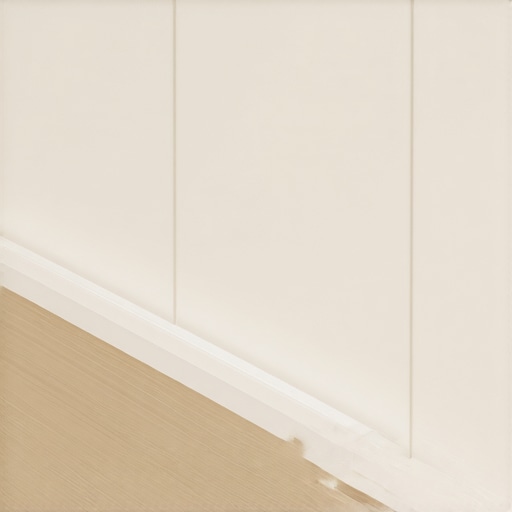 } }**_Note:_** The image placeholder can be replaced with a visual of a high-tech waterproof baseboard installation highlighting nano-coatings and moisture sensors, illustrating the integration of science and design in premium bathroom renovations.}**}**
In the realm of high-end bathroom upgrades, the choice of waterproof baseboards extends beyond mere functionality; it shapes the very aesthetic and longevity of the space. Experts emphasize that leveraging advanced materials like recycled polymers and bio-based composites not only fortifies resistance against moisture and mold but also aligns with sustainable design principles. Incorporating nanotechnology-infused coatings and smart transition systems elevates these elements from simple components to integral parts of a resilient, stylish bathroom environment.
Why integrated moisture sensors and smart sealants are game-changers
By embedding moisture detection technology within baseboard installations, professionals gain real-time insights that facilitate proactive maintenance and prevent costly damage. Smart sealants complement these sensors by providing flexible, durable barriers that adapt to substrate movements, maintaining an impermeable seal over time. This combination represents the future of bathroom waterproofing, where science meets aesthetics for superior performance.
How biomimetic surface designs redefine water resistance
Drawing inspiration from nature’s hydrophobic surfaces such as lotus leaves, recent innovations focus on biomimetic textures that actively repel water and microbial growth. These surfaces reduce the need for chemical cleaners, lower maintenance costs, and enhance eco-friendliness. For professionals committed to sustainable practices, exploring bio-inspired designs offers a pathway to superior, environmentally-conscious bathroom solutions.
Advanced installation practices ensuring longevity
Meticulous attention to sealing joints, managing thermal expansion gaps, and employing vapor barriers behind baseboards significantly impacts their durability. Techniques like micro-expansion joints and flexible hybrid sealants allow baseboards to withstand humidity fluctuations without cracking or deterioration. Experts recommend continuous education on these evolving protocols to maintain the highest standards in bathroom waterproofing projects.
Expert insights for elevating your bathroom projects
Utilize reliable resources such as the comprehensive guides on grout and tile maintenance and industry forums dedicated to waterproofing innovations. Staying informed about the latest material science developments and installation techniques empowers professionals to deliver bathrooms that are both beautiful and durable, standing the test of time.
Benefit from cutting-edge waterproof baseboards that transcend traditional limits
Embracing advanced materials and intelligent installation strategies transforms bathroom waterproofing from a reactive task into a proactive, design-enhancing process. By integrating environmental consciousness, technological innovation, and expert knowledge, professionals can set new standards for resilience and style. To deepen your expertise, consider engaging with our detailed resources or collaborating with specialists dedicated to waterproofing excellence. Your next project deserves nothing less than the pinnacle of innovation, durability, and aesthetic finesse.

I really appreciate the focus on sustainable, non-toxic materials for waterproof baseboards. In my recent bathroom remodel, I opted for recycled polymer options and was pleasantly surprised by how well they blend with natural textures. It’s encouraging to see the industry moving toward designs that are both eco-friendly and durable. I’m curious, has anyone experimented with bio-based composites in high-moisture environments? How do they hold up over time, especially in terms of resistance to mold and warping? It seems like incorporating smart installation practices, like proper sealing and the use of nanotech coatings, could really extend the lifespan even further. Personally, I’ve found that continuous learning about new materials and techniques has made a noticeable difference in project success. Would love to hear others’ experiences or recommendations for innovative waterproofing solutions that balance aesthetics and functionality.