Elevating Bathroom Renovations Through Expert Shower and Baseboard Strategies
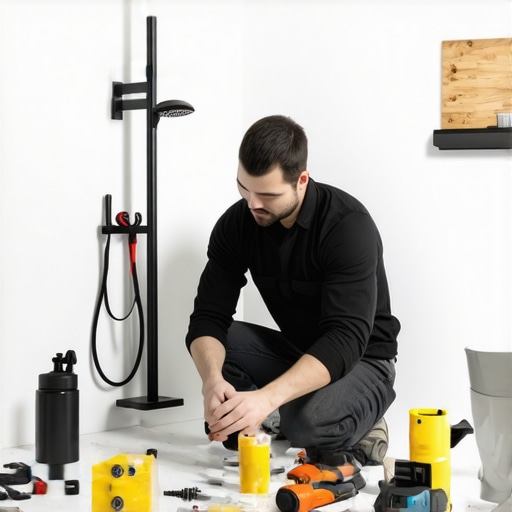
In the realm of high-quality bathroom design, the intricacies of tile, grout, showers, and baseboards converge to define both aesthetics and longevity. For professionals seeking durable, long-lasting results, a nuanced understanding of material interactions, installation techniques, and maintenance protocols is paramount. This article delves into the advanced principles guiding expert shower and baseboard installation, emphasizing their role in elevating bathroom resilience and visual appeal.
The Art of Strategic Material Selection for Maximal Durability
Choosing the right materials is foundational—selecting premium-grade tiles, moisture-resistant grout, and waterproofed shower enclosures minimizes vulnerability to water ingress and structural degradation. Innovative grout formulations, such as epoxy-based options, provide enhanced resistance against mold, staining, and cracking, which are common pitfalls in less rigorous implementations. Incorporating eco-friendly tile solutions can additionally align with sustainability goals, as discussed in eco-friendly tile innovations.
Precision Installation Techniques That Fortify Structural Integrity
Expert installation prioritizes meticulous surface preparation, precise leveling, and secure anchoring of shower components and baseboards. Advanced techniques, including back-buttering tiles and using adjustable spacers, ensure uniform grout joints, reducing stress concentrations that lead to cracking. Proper sealing of grout lines, reinforced with expert-approved sealants, prevents water infiltration—crucial for maintaining long-term integrity, as outlined in professional grout maintenance.
Addressing the Challenges of Moisture Management and Expansion
Moisture is the primary adversary of bathroom durability, especially around showers and baseboards. Incorporating waterproof membranes beneath tile installations and utilizing expansion joints accommodate material movement, preventing stress buildup. Strategic placement of these joints, especially at transition points, is essential—consulting recent guidelines, such as those in the expert guide to joint placement, offers valuable insights.
What Are the Most Common Failures in Shower and Baseboard Installations, and How Can Experts Prevent Them?
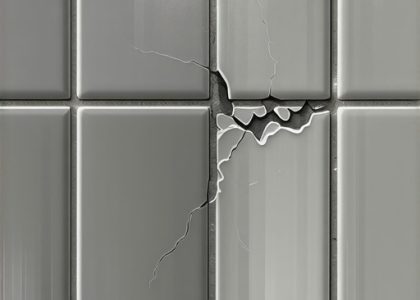
Common failures include grout cracking, tile delamination, mold proliferation, and water damage—issues often rooted in poor surface prep, inadequate sealing, and subpar materials. Preventative measures involve rigorous quality control during installation, using moisture controls, and adhering to manufacturer specifications. Continuous training on evolving best practices is essential, as emphasized in industry standards outlined by reputable organizations like the Tile Council of North America.
Engagement with professional communities and sharing innovative solutions can significantly influence industry standards. For those committed to excellence, exploring detailed guides such as expert installation methods is highly recommended. Your contribution to discussions on overcoming common installation hurdles will enrich this evolving craft.
Keeping Grout Fresh: Secrets to Preventing Yellowing and Stains
Maintaining pristine grout lines is essential for preserving both the appearance and structural integrity of your bathroom surfaces. Over time, grout can discolor, accumulate mold, or develop cracks, detracting from a room’s overall appeal. One expert tip is to employ high-quality sealants regularly, which act as protective barriers against moisture and dirt—this practice is highlighted in tile grout maintenance tips. Additionally, routine cleaning with gentle, pH-balanced solutions can prevent buildup, ensuring your grout remains vibrant and durable.
How can innovative cleaning technologies elevate your grout care?
Advancements such as steam cleaners and enzymatic cleaners have transformed traditional cleaning routines. Steam cleaning, for instance, penetrates deep into grout lines, removing ingrained dirt and killing mold spores without harsh chemicals. This method not only enhances cleanliness but also extends the lifespan of grout installations by minimizing the need for abrasive scrubbing that can cause damage. The integration of eco-friendly cleaning options aligns with sustainable home practices discussed in eco-friendly tile solutions, making it a win-win for homeowners and the environment alike.
Addressing Common Pitfalls in Grout and Tile Maintenance
Many homeowners underestimate the importance of proper drying and ventilation after cleaning, which can lead to persistent mold growth. Adequate ventilation systems and dehumidifiers are crucial in high-moisture environments. Moreover, neglecting periodic resealing can accelerate grout deterioration; experts recommend resealing every one to two years, depending on usage. For more detailed guidance, consult installation and maintenance best practices. This proactive approach prevents costly repairs and keeps your bathroom looking immaculate for years.
Why Do Some Grout Repairs Fail, and How Can Professionals Ensure Longevity?
Damage often occurs due to improper surface preparation, incorrect grout selection, or inadequate sealing. Professionals mitigate these risks by thoroughly cleaning surfaces before application, choosing epoxy or urethane-based grout for water-prone areas, and applying multiple sealant coats. Furthermore, adopting advanced repair techniques like epoxy injections for cracks and using color-matched grout can restore and reinforce the surfaces effectively. Learn more about ensuring durable repairs through expert repair strategies. Sharing insights within contractor communities fosters industry-wide improvements, aiding in the pursuit of long-lasting bathroom beauty.
If you’re interested in elevating your grout care routine or exploring professional restoration options, consider consulting experienced specialists who can recommend tailored solutions based on your specific bathroom needs. Engaging with expert advice ensures your investment remains protected and your bathroom remains a showcase of enduring elegance.
Harnessing the Power of Adaptive Design to Counteract Material Movement in High-Humidity Areas
In sophisticated bathroom environments, managing the subtle yet impactful phenomenon of material expansion and contraction becomes a critical factor influencing long-term durability. Variations in temperature and moisture levels can lead to differential movement between tiles, grout, and substrate, resulting in cracks, de-bonding, and aesthetic degradation. Implementing adaptive design strategies, such as integrating resilient expansion joints and selecting flexible sealing compounds, can significantly mitigate these issues. According to a comprehensive study by the *International Tile Association*, effectively placed movement joints aligned with structural and aesthetic considerations reduce stress concentrations, preserving the integrity of the installation over decades.1
Innovations in Moisture-Resistant Materials: From Traditional to Cutting-Edge Solutions
The evolution of waterproofing systems introduces an array of materials designed for superior performance. While traditional membranes and cementitious applications remain prevalent, advancements include liquid-applied waterproof coatings and smart membranes embedded with microencapsulated hydrophobic agents. These materials actively respond to moisture ingress by expanding or contracting, offering an autonomous defense mechanism against water damage. Embracing such innovations requires a nuanced understanding of substrate compatibility, application methods, and maintenance protocols, as outlined in the latest issue of *Building Enclosure* magazine.
How Do Expertise and Training Influence the Limitations of Shower and Baseboard Longevity?
The skill level of installers directly correlates with the lifespan of bathroom fixtures. Mastery over surface preparation, material handling, and precise application are non-negotiable standards for excellence. Continuous professional development through certification programs, like those offered by the National Tile Contractors Association (NTCA), ensures that technicians stay abreast of emerging best practices. Regular participation in technical workshops fosters a culture of quality, facilitating the adoption of novel techniques such as custom joint detailing and moisture management innovations. For a deep dive into the impact of training on installation resilience, consult the NTCA’s publication on advanced tile installation methods.
What Are the Latest Standards and Best Practices in Shower and Baseboard Waterproofing to Prevent Failure?
Emerging standards emphasize comprehensive moisture barriers, proper detailing of penetrations, and validated product testing. The ASTM International D3561/D3561M standards delineate rigorous testing protocols for waterproof membrane systems, ensuring compliance with safety and durability benchmarks. Best practices recommend a layered waterproofing approach—combining substrate preparation, membrane application, and protective finishes—each meticulously executed to function synergistically. These protocols are reinforced by industry guidelines from organizations like the Tile Council of North America (TCNA), which provide designers and installers with validated methods to preempt common failure modes.
Engaging with these standards and deeply understanding their application can elevate project outcomes, reducing costly callbacks and warranty claims. For professionals committed to excellence, this knowledge is not merely academic but foundational in crafting bathrooms whose durability withstands the test of time.
The Role of Technological Integration in Precision Installation and Long-Term Maintenance
Emerging technological tools have begun transforming traditional installation workflows. Laser-guided leveling devices enable installers to achieve unprecedented flatness and alignment, critical for large-format tiles and seamless baseboards. 3D imaging and augmented reality (AR) applications facilitate accurate pre-installation planning, ensuring substrate compatibility and identifying potential issues before execution. Moreover, IoT-enabled moisture sensors embedded within substrates can provide real-time data, alerting homeowners and professionals to hidden leaks or moisture accumulation, thereby enabling proactive maintenance measures. As highlighted in the recent *Construction Technology Review*, integrating such innovations elevates precision, reduces errors, and extends the service life of bathroom fixtures.
If you’re eager to explore how to integrate these advanced techniques into your projects or to further your expertise, engaging with industry seminars and certification courses offers invaluable insights. The quest for perfect, resilient bathroom installations is ongoing, demanding both technical mastery and a proactive mindset.
Pioneering Moisture-Resistant Innovations for Timeless Bathroom Spaces
Leveraging cutting-edge materials such as liquid-applied waterproof coatings and smart membranes empowered with adaptive hydrophobic agents revolutionizes moisture management. These advanced solutions actively respond to environmental fluctuations, significantly reducing the risk of long-term water infiltration and structural deterioration. Integrating these innovations demands a nuanced understanding of substrate compatibility, application techniques, and ongoing maintenance—knowledge critical for architects and installers committed to longevity.
Why Precise Material Calibration Elevates Bathroom Resilience
Achieving optimal durability hinges on meticulous calibration of materials tailored to specific environmental conditions. Selecting epoxy-based grouts for high-moisture zones, combined with specialized sealants that accommodate thermal expansion, minimizes crack formation and mold proliferation. The synthesis of material science and practical experience enables professionals to engineer bathroom environments that withstand the tests of time, all while maintaining aesthetic integrity.
Strategic Detailing Unlocks Longevity in Complex Installations
Designing with intelligent detailing—such as incorporating resilient expansion joints at structural junctures—not only mitigates stress-induced failures but also facilitates aesthetic continuity. Expert installers deploy adaptive joint placement aligned with building codes, ensuring seamless integration between materials. This level of precision transforms ordinary installations into resilient, visually cohesive masterpieces, reinforcing the notion that engineering excellence is foundational.
Addressing and Preventing Hidden Defects in Bathroom Fixtures
Concealed flaws like micro-cracking and vapor barrier breaches can undermine long-term performance. Employing non-destructive testing techniques, such as infrared thermography, empowers professionals to detect subsurface anomalies early. Proactive detection coupled with strategic remedial actions preserves the structural and aesthetic qualities of bathrooms, reducing future costly repairs.
Harnessing Digital Precision for Flawless Outcomes
The integration of laser-guided leveling systems and augmented reality-based planning enhances the precision of tile and baseboard placements. These tools facilitate exact measurements, reduce human error, and optimize material usage—culminating in installations that exhibit impeccable alignment and durability. Embracing technological advances positions industry leaders at the forefront of innovation, ensuring superior quality while streamlining workflow efficiency.
Building Resilience: Expert Strategies to Combat Material Fatigue
Material fatigue arising from cyclical moisture and temperature variations necessitates proactive reinforcement tactics. Utilizing flexible sealants and resilient joints absorbs expansion and contraction stresses, extending lifespan. Moreover, educating homeowners on maintenance routines—such as regular resealing and ventilation optimization—serves as an active defense against deterioration. These practices encapsulate the essence of expert craftsmanship, where foresight and technical mastery coalesce into lasting beauty.
How Can Industry Leaders Set New Benchmarks in Shower and Baseboard Durability?
Leading firms leverage comprehensive training programs that incorporate the latest research, standards, and technology. Developing a culture of continuous learning ensures installers can adapt to evolving materials and methods, reducing failure rates. Collaborations with material manufacturers to test and validate new products further push the boundaries of durability. As per insights from the *International Building Code*, embracing innovative practices not only enhances structural safety but also elevates client trust and satisfaction. To truly set new standards, industry professionals must foster knowledge sharing, invest in research, and prioritize client-specific solutions.
Engage with this cutting-edge discourse and contribute your expertise—your proactive approach is the cornerstone of elevating bathroom craftsmanship to new heights of resilience and elegance.
Key Insights Elevating Bathroom Longevity
Prioritize Material Compatibility for Water Resistance
Choosing the right combination of tiles, grouts, and sealants reduces the risk of water infiltration, which is crucial for long-term durability. Experts recommend epoxy-based grouts for their superior resistance to mold and staining, especially in high-moisture zones.
Implement Precision with Modern Installation Techniques
Utilizing advanced tools such as laser-guided leveling and digital planning ensures perfect alignment and fit. These methods help prevent issues like cracking or delamination caused by uneven surfaces or improper bonding.
Focus on Moisture Management and Expansion Joints
Incorporate waterproof membranes and strategic expansion joints to accommodate movement. Proper placement and selection of flexible sealants can dramatically extend the lifespan of tiles and grout in dynamic environments.
Maintain Grout Integrity with Cutting-Edge Cleaning and Sealing
Adopt innovative cleaning technologies like steam cleaners that penetrate deep into grout lines, combined with regular, high-quality resealing to keep grout vibrant and resistant to staining or cracking.
Stay Ahead with Industry Standards and Continuous Education
Follow updates from organizations like the Tile Council of North America and participate in ongoing professional development. Staying informed about emerging materials and techniques is essential for sustainable, high-quality results.
Expert Resources for Advanced Bathroom Renovation
- https://elegantfloorz.com/trust-our-top-tips-for-durable-tile-shower-and-grout-repairs— Proven strategies for effective repairs and maintenance
- https://elegantfloorz.com/eco-friendly-tile-solutions-for-sustainable-homes-in-2025— Eco-conscious choices aligning durability and sustainability
- https://elegantfloorz.com/showers-that-wow-modern-designs-for-2025— Innovative shower designs emphasizing resilience and style
- https://elegantfloorz.com/chic-baseboard-designs-that-transform-rooms-in-2025— Stylish baseboard ideas that blend form and function
- https://elegantfloorz.com/tile-cleaning-tips-for-a-sparkling-bathroom-in-2025— Effective maintenance for long-lasting beauty
Reimagining Bathroom Durability Through Expertise and Innovation
Achieving long-lasting bathroom spaces depends on a nuanced combination of material science, precise installation, and proactive maintenance. Embracing cutting-edge techniques and staying informed through authoritative resources empower professionals and homeowners to craft environments that stand the test of time. Dive deep into advanced strategies, participate in ongoing education, and contribute your insights to elevate industry standards. Your commitment to excellence will forge bathrooms that are not only beautiful but resilient for generations to come.

![Shower Tile Rattling? 3 Grout Fixes That Actually Work [2026]](https://elegantfloorz.com/wp-content/uploads/2026/04/Shower-Tile-Rattling-3-Grout-Fixes-That-Actually-Work-2026-420x300.jpeg)