
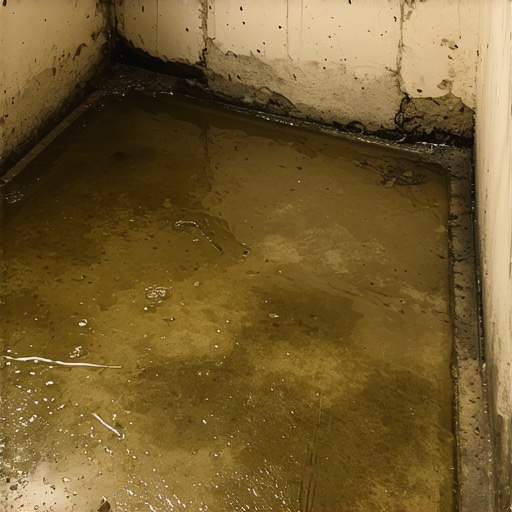
I spent three days grinding concrete on a job last month just so the floor wouldn’t click like a castanet. Most guys skip the leveling compound because they think the underlayment will hide the dip. It won’t. I have seen countless showers where the homeowner spent five figures on Italian marble only to have the subfloor turn into a mushy mess of black mold and wood rot within three years. My hands are permanently stained with thin-set and my knees have the wear of a forty-year veteran because I do things by the book. If your shower subfloor is damp, it is not because you forgot to squeegee the walls. It is because the structural integrity of the installation was compromised long before the first tile was set. Most people ignore the subfloor until the tile starts to tent or the grout turns into a sandy sludge. By then, you are not looking at a repair. You are looking at a demolition.
The myth of the waterproof tile
Tile and grout are not waterproof materials but rather water-resistant surfaces that allow moisture to migrate through capillary action over time. Even the highest quality porcelain tile has a water absorption rate, and grout is essentially a hard sponge. When water hits your shower floor, it does not just disappear down the drain. A significant percentage of it penetrates the grout lines and travels beneath the surface. If there is no functional waterproofing membrane or a correctly sloped pre-slope beneath the tile, that water sits directly on your subfloor. This leads to the slow decay of plywood or the crumbling of gypsum-based underlayments. It is a chemical reality that many installers choose to ignore in favor of speed. Modern systems require a 100 percent continuous barrier to prevent this migration.
The ghost in the expansion gap
Expansion gaps are required at every perimeter and change of plane to allow the house to breathe without snapping the tile or breaking the waterproof seal. Wood moves and concrete shifts. When you lock a tile floor tight against a wall or a shower curb without a soft joint of 100 percent silicone, the tension has nowhere to go. This often leads to micro-cracks in the grout or the corners of the shower pan. These cracks are invisible to the naked eye but act as highways for moisture. Once water finds a way behind the tile, it wicks into the studs and the subfloor. I have seen chic baseboard designs that transform rooms ruined because the installer did not leave a gap for movement, causing the boards to rot from the bottom up as they sucked up moisture from a failing shower pan.
“Tile systems are not intended to be a primary water barrier; the waterproofing layer must be continuous and integrated with the drain.” – Master Flooring Axiom
The chemistry of a failed bond
Modified thin-set requires a specific hydration period to form a chemical bond that can withstand the hydrostatic pressure found in wet environments. If the mortar is mixed too dry or if the subfloor was too thirsty and sucked the moisture out of the thin-set before it could cure, the bond fails. This creates a hollow space under the tile where water can pool. This stagnant water creates a petri dish for mold. I always check the moisture content of the subfloor before I even open a bag of mortar. If the plywood is above 12 percent moisture or the concrete slab is emitting more than three pounds of vapor per 1,000 square feet, the job stops. You cannot build a fortress on a swamp. Using eco-friendly tile solutions for sustainable homes in 2025 is great, but even the greenest materials will fail if the adhesive chemistry is wrong.
Why your subfloor is lying to you
Subfloors often appear dry on the surface while holding a reservoir of moisture within the layers of plywood or the pores of the concrete. This is known as the wick effect. Water moves from areas of high concentration to low concentration. If your shower pan is leaking, the subfloor will pull that water out into the bathroom. You might notice your baseboards makeover ideas to elevate your space looking a bit swollen near the shower. That is not a cleaning issue. That is a structural failure. The plywood is literally drinking the shower water. In many cases, the subfloor is not just damp; it is structurally compromised because the glues holding the wood plies together have dissolved in the constant humidity.
| Material Type | Janka Hardness / Density | Moisture Tolerance | Acclimation Time |
|---|---|---|---|
| Plywood Subfloor | Variable | Low | 48-72 Hours |
| Cement Backer Board | High | High | None |
| Modified Thin-set | Extreme | Very High | 24 Hours |
| Schluter-Kerdi Membrane | High | 100 Percent | Immediate |
The 1/8 inch that ruins everything
A deviation of more than 1/8 inch over a ten-foot span can cause the waterproofing membrane to stretch and eventually tear under the weight of the user. When you step into a shower, the floor flexes. If the subfloor is not perfectly flat, that flex is localized in the low spots. Over months of use, this repetitive stress breaks the bond between the tile and the membrane or, worse, punctures the membrane itself. I spend more time with a level and a bag of self-leveling underlayment than I do with a tile saw. It is the boring part of the job, but it is why my showers do not leak. People want showers that wow modern designs for 2025, but they forget that the beauty is only skin deep. The engineering underneath is what keeps the house standing.
- Always perform a 24-hour flood test before tiling any shower pan.
- Check for deflection in the joists to ensure the floor meets L/360 standards.
- Use a moisture meter to verify subfloor dryness before installation.
- Ensure the pre-slope under the liner is exactly 1/4 inch per foot.
- Never skip the perimeter expansion gaps.
Grout is the first line of defense but the weakest link
Grout is a cementitious product that is naturally porous and requires regular maintenance to prevent it from becoming a moisture conduit. Many homeowners assume that once the tile is down, they never have to think about it again. That is a mistake. Over time, grout can crack or erode, especially if harsh chemicals are used for cleaning. Once the seal is broken, water enters the system. Using grout restoration secrets for long-lasting results is vital for maintaining the barrier. If you see tiny pinholes in your grout, you are looking at the entry point for your damp subfloor. Fixing the grout is cheaper than replacing a floor, but you have to catch it before the plywood starts to rot. If you need help with a failing floor, you should contact us before the damage spreads to the floor joists.
“A floor is only as good as the subfloor beneath it; deflection is the enemy of every joint.” – Master Flooring Axiom
Comments
One response to “The Real Reason Your Shower Subfloor is Damp”
This article hits home with me because I’ve seen many DIY attempts fail, especially when homeowners skip the critical steps like proper waterproofing and leveling. I remember one project where the lack of a proper slope caused water to pool under the tiles, leading to mold within just a year. It makes me wonder how many of these issues could be prevented with thorough inspections before installation. Do any of you have tips for visually assessing subfloor moisture without specialized tools? I’d love to hear about practical, cost-effective methods that homeowners can use to catch problems early before significant damage occurs. The emphasis on detailed prep work and understanding how moisture moves is crucial — everyone should realize that paying attention to the small details upfront can save thousands later.