
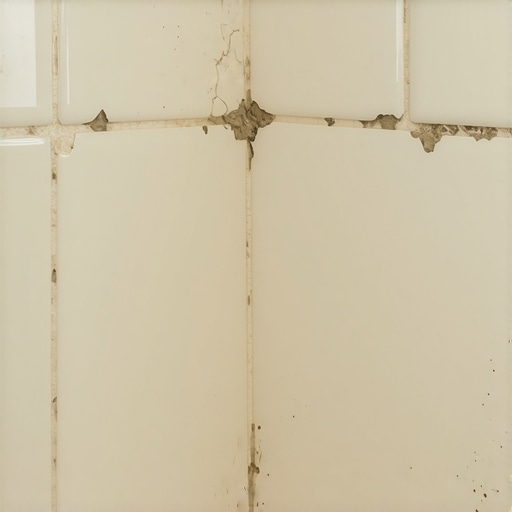
Most guys skip the leveling compound. They think the underlayment will hide the dip. It won’t. I spent three days grinding concrete on a job last month just so the floor wouldn’t click like a castanet. I have seen it a thousand times where a homeowner shells out for high end porcelain only to find a spiderweb of cracks in the corners after just three months. They blame the product. They blame the grout. They never blame the physics of the house. Most people think tile is a rigid shell. It is not. It is a skin on a living and breathing structural beast that expands and contracts with every shift in humidity and temperature. If you do not respect the movement of the building, the building will destroy your work.
The physics of structural movement in showers
A shower is a wet environment where temperature fluctuations happen in seconds. When you turn on that hot water, the tile and the substrate expand at different rates. Most grout failure occurs at the change of plane where a wall meets a floor or where two walls meet. This is the corner. In many showers that wow modern designs for 2025, installers forget that these joints must be flexible. Hard grout is brittle. It has zero tensile strength. When the house settles or the wood studs behind the tile swell with moisture, that hard grout has nowhere to go. It snaps. It turns into dust and falls out. You need 100 percent silicone sealant in those corners, not cement. This is not a suggestion. It is a requirement for any installation that is meant to last more than a season.
“A floor is only as good as the subfloor beneath it; deflection is the enemy of every joint.” – Master Flooring Axiom
Why your subfloor is lying to you
The subfloor looks flat to the naked eye but your level will tell a different story. If your subfloor has too much deflection, meaning it bounces when you walk on it, your grout will fail. Ceramic tile requires a deflection limit of L/360. Natural stone requires L/720. If your joists are spaced too far apart or if the plywood is too thin, the floor will flex like a trampoline. Every time you step on a tile, the grout is squeezed and then pulled. Over time, the bond between the grout and the tile edge breaks. This is why grout restoration secrets for long lasting results always start with stabilizing the structure. You can buy the most expensive grout in the world, but if the floor moves, the grout fails. Period.
The chemical failure of hard grout in flexible joints
Standard cementitious grout is made of Portland cement and sand. It is basically concrete without the large aggregate. It is designed to be compressed. It is not designed to stretch. When you put this material in a corner joint where movement is concentrated, you are asking for a miracle. The chemistry of the bond is also at play. If the grout was mixed with too much water, the evaporation process leaves behind microscopic voids. These voids make the grout porous and weak. This is why how to refresh grout without replacing it is a common search term. People want a quick fix for a structural problem. The only real fix is to remove the hard grout from the corners and replace it with a color matched silicone caulk that can handle 25 percent movement.
How baseboards hide the architectural sins of the floor
Baseboards are not just for decoration. They serve as a covers for the expansion gap. Every tile floor needs a gap at the perimeter. If the tile is pushed tight against the wall, it has no room to expand. When the house shifts, the tile has nowhere to go but up or against the next tile. This pressure causes the grout to pop out. Looking into baseboards makeover ideas to elevate your space can show you how to hide these essential gaps. I have seen floors buckle and tent because an installer forgot to leave a half inch gap at the wall. They think the baseboard will look better if the tile is tight. They are wrong. The tile will lift and the grout will shatter.
| Grout Type | Flexibility Rating | Best Use Case | Cure Time |
|---|---|---|---|
| Sanded Cement | Low | Floor joints over 1/8 inch | 72 Hours |
| Unsanded Cement | Very Low | Wall joints under 1/8 inch | 72 Hours |
| Epoxy Grout | High | High moisture/Stain areas | 24 Hours |
| Acrylic Siliconized | Extreme | Corners and Changes of Plane | 24 Hours |
A checklist for long lasting grout
To prevent the inevitable cracking that plagues most DIY jobs, you must follow a strict protocol.
- Verify subfloor deflection meets L/360 standards before laying a single tile.
- Use a high quality modified thin set to ensure a chemical bond to the substrate.
- Never mix grout with more water than the manufacturer specifies.
- Leave a 1/8 inch expansion gap at all vertical obstructions.
- Use 100 percent silicone in all corners and where tile meets other materials.
- Clean the joints thoroughly before grouting to remove debris.
The 1/8 inch that ruins everything
Precision is the difference between a master and an amateur. If your grout lines are inconsistent, the stress of structural movement will focus on the narrowest point. This is usually where the crack starts. In showers with a style trendy ideas for small bathrooms, tight grout lines are popular. But tight lines mean less grout to absorb movement. You need a consistent 1/8 inch joint to allow the material to distribute the load. If you are using eco-friendly tile solutions for sustainable homes in 2025, make sure you understand the specific expansion coefficient of that material. Recycled glass expands differently than ceramic.
“Water is the great dissolver; if your grout cracks, the water will find the wood, and the wood will rot.” – TCNA Handbook Wisdom
The microscopic reality of moisture and mold
When grout cracks in a shower corner, it is not just an eyesore. It is a gateway. Water seeps behind the tile. It sits there. It feeds mold. It rots the framing. By the time you see a stain on the ceiling below, the damage is in the thousands of dollars. Proper tile cleaning tips for a sparkling bathroom in 2025 won’t save a floor with cracked grout. You need to address the seal. If you see a crack, rake it out. Don’t just smear more grout over it. That is a band-aid on a gunshot wound. You need to remove the failing material and replace it with a flexible sealant that stops the water. If you need professional advice, you can always contact us for a consultation on your subfloor integrity. Your floor is a system. The grout is the weakest link in that system. Treat it with the respect it deserves and it will stay where you put it. Ignore the physics and you will be scraping it out with a utility knife in six months.