
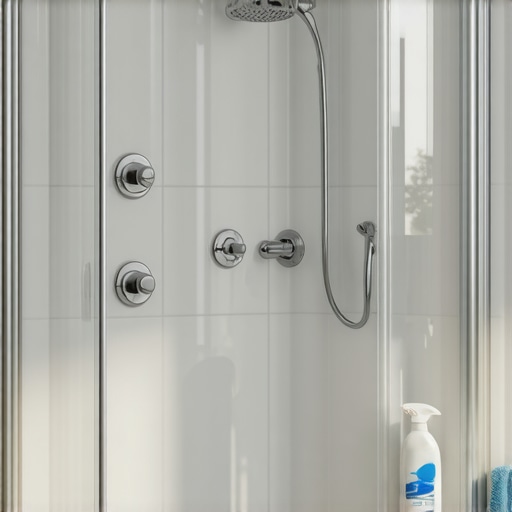
I spent three days grinding concrete on a job last month just so the floor wouldn’t click like a castanet, and it reminded me of the absolute nightmare I saw in a luxury high-rise bathroom last spring. The homeowner had spent thousands on high-end tile, yet the glass shower tracks were already bubbling with white oxidation and pitting after only fourteen months of use. I could smell the stagnant water and the sharp tang of cheap silicone as soon as I pulled the track off the curb. Most guys skip the leveling compound on a subfloor, and most tile guys skip the proper pitch on a shower curb. They think the underlayment or the grout will hide the dip. It won’t. If your shower track is rusting, it is because you have a structural engineering failure masquerading as a cleaning problem. Your floor is a performance surface, and the metal that holds your glass is the front line of a chemical war against humidity and mineral deposits.
Why aluminum tracks fail in steam environments
Aluminum oxidation occurs when the protective oxide layer is breached by caustic cleaners, acidic grout residue, or trapped standing water. This electrochemical reaction turns metal into a white, flaky mess that compromises the structural integrity of your glass enclosure. This is not just a cosmetic issue. When the metal oxidizes, it expands. This expansion can exert enough pressure to crack your tile or pop the grout lines out of place. Most tracks are made of anodized aluminum, which is a process that creates a hard, corrosion-resistant surface. However, that layer is only microns thick. If an installer scratches that track with a drill bit or a screw, they have just opened a gateway for moisture to enter and begin the process of galvanic corrosion. This is especially true if they used galvanized screws instead of high-grade stainless steel. You are essentially creating a battery in your shower where the aluminum is the sacrificial anode. It will disappear over time, leaving you with a wobbly, dangerous piece of glass.
The chemical war between grout and metal
Unsealed grout acts as a sponge that holds moisture directly against the metal track for hours or days after the shower is used. This constant contact facilitates a chemical reaction between the minerals in your water and the metal housing of the shower door. If you want to prevent this, you have to understand the porosity of your materials. Standard cementitious grout is naturally porous. It wicks water like a candle wick. When that water is trapped between the bottom of the metal track and the top of the tile, it has nowhere to go. It sits there and eats away at the finish. You need to look into tile cleaning tips for a sparkling bathroom in 2025 to understand how to remove the mineral buildup that accelerates this decay. Furthermore, if you are struggling with old, saturated grout, you might need to learn how to refresh grout without replacing it before you install a new track. A clean, sealed surface is the only way to ensure the metal doesn’t sit in a pool of acidic moisture.
“A shower enclosure is only as watertight as the capillary breaks designed into the assembly.” – Master Flooring Axiom
The 1/8 inch that ruins your bathroom
A properly installed shower curb must have a slight inward pitch of at least 1/8 inch per foot toward the drain to ensure gravity pulls water away from the metal tracks. When a curb is perfectly level or, heaven forbid, pitched outward, water pools inside the track and begins the oxidation process immediately. This is basic physics. Water has surface tension. It wants to stick to things. If the track does not have weep holes, or if those weep holes are clogged with soap scum and skin cells, the water remains trapped. I see it all the time. An installer will run a bead of caulk along the inside and outside of the track, effectively creating a coffin for the metal. You should never caulk the inside of a shower track. You want the water that gets into the track to be able to flow back out onto the shower floor and down the drain. If you seal both sides, you are trapping water in a dark, warm, humid environment. That is the perfect recipe for rust and mold.
| Metal Type | Corrosion Resistance | Cost Factor | Typical Lifespan |
|---|---|---|---|
| Anodized Aluminum | High | Moderate | 15 to 20 Years |
| 304 Stainless Steel | Very High | High | 30 Plus Years |
| Chrome Plated Brass | Moderate | High | 10 to 15 Years |
| Plastic or PVC | Extreme | Low | 5 to 10 Years |
Why your baseboards are rotting next to the shower
Moisture migration does not stop at the shower door; it often travels via capillary action through the grout and under the track to the drywall and baseboards outside the enclosure. This leads to swollen wood and peeling paint that ruins the aesthetic of the entire room. If you notice the edges of your baseboards starting to turn black or soft, the track is failing to contain the water. This is why integrated design is vital. You can find baseboards makeover ideas to elevate your space, but no amount of paint will fix a moisture leak. You must address the waterproofing of the shower pan and the track interface first. Modern showers that wow modern designs for 2025 often move away from bulky tracks entirely, opting for frameless glass that uses small, solid brass or stainless steel clips. This reduces the surface area where water can sit and limits the risk of corrosion and wood rot in the surrounding area.
The ghost in the shower track
Hard water minerals like calcium and magnesium are the invisible enemies that scratch the surface of your metal tracks at a molecular level, allowing oxygen and water to reach the raw aluminum underneath. Once the protective coating is scratched by mineral abrasion, the rust process is irreversible. This is why I tell people to stop using abrasive scrubbers on their metal. You are literally sanding away the protection. Instead, use a squeegee after every shower. It takes thirty seconds. You need to remove the water before it evaporates and leaves those minerals behind. Think of your shower track like the engine of a car. You wouldn’t let salt sit on your car’s paint, so don’t let hard water sit on your bathroom metal. If you are designing a new space, consider showers with a style trendy ideas for small bathrooms that prioritize drainage over decoration. A well-designed floor will always outlast a pretty one that doesn’t drain.
“Surface tension and gravity must work in concert to move moisture from the metal interface back to the drain.” – Master Flooring Axiom
- Clear weep holes every thirty days using a small toothpick or brush.
- Squeegee glass and metal tracks after every single use to prevent mineral buildup.
- Inspect silicone seals quarterly for signs of peeling or mold.
- Use pH neutral cleaners only to avoid etching the anodized finish.
- Check for standing water in the track five minutes after the shower is turned off.
Professional maintenance for longevity
The longevity of your bathroom fixtures depends on the chemical neutrality of your cleaning routine and the mechanical integrity of your seals. Using bleach or vinegar on a regular basis can actually accelerate the breakdown of the protective oxide layer on your metal tracks. Many people think they are doing a great job by dousing everything in harsh chemicals, but they are actually stripping the metal bare. Stick to mild soap and water. If you have a stubborn stain, use a dedicated metal cleaner that is specifically rated for anodized aluminum. If you want a sustainable home, look at eco-friendly tile solutions for sustainable homes in 2025 which often feature materials that require fewer chemicals to maintain. This approach protects your health, your tile, and your metal tracks all at once. Your floor is a structural system. Treat it with the respect that engineering demands and it will stay rust-free for decades.