
Mastering the Art of Long-Lasting Shower and Tile Grout Maintenance
In the realm of high-end bathroom design, the longevity of grout lines remains a pivotal concern for professionals and enthusiasts alike. Expert insights reveal that meticulous maintenance, innovative sealing techniques, and strategic material choices can significantly extend the lifespan of shower and tile grout, ensuring both aesthetic appeal and structural integrity over years. This article delves into advanced, evidence-based practices rooted in professional experience and scientific research, providing a comprehensive roadmap for achieving durable and visually stunning grout surfaces.
Why Grout Degradation Occurs and How to Prevent It
Grout deterioration stems from a combination of moisture infiltration, improper sealing, and chemical exposure. Moisture ingress can lead to mold growth and structural weakening, especially in high-humidity environments like showers. Preventative measures include applying high-quality, breathable sealants that allow moisture vapor to escape while blocking water intrusion. The choice of epoxy grout over traditional cement-based variants offers enhanced chemical resistance and durability, as supported by studies in the Journal of Building Engineering. Regular inspection and maintenance are crucial to identify early signs of wear and address them promptly.
Innovative Techniques for Expert-Level Grout Preservation
Professionals emphasize the importance of surface preparation—ensuring that existing grout is thoroughly cleaned and free of debris—before sealing. Using specialized tools like ultrasonic cleaners can remove deep-seated dirt and mold, thereby improving sealant adhesion. For ongoing maintenance, the application of penetrating sealants formulated for high-moisture environments can significantly delay the onset of staining and deterioration. Moreover, implementing a routine cleaning protocol with pH-neutral cleaners helps preserve grout integrity without causing surface erosion.
What are the most effective ways to restore grout that has already lost its protective qualities?
Restoration of compromised grout involves a targeted approach. Start by removing the damaged grout through gentle mechanical means to prevent underlying substrate damage. Next, apply a high-quality grout recoloring or regrouting solution, which can restore color uniformity and seal the surface simultaneously. For long-term results, consider a professional grout sealing service that employs advanced, breathable sealants designed to withstand daily bathroom stresses. Consistent maintenance, including timely cleaning and re-sealing, forms the backbone of a resilient grout system.
If you seek to elevate your bathroom’s durability, explore our trusted grout maintenance strategies and consider integrating eco-friendly, innovative products that align with sustainable practices. For more expert advice on tile and grout care, visit scientific publications dedicated to structural longevity and material science.
When it comes to maintaining a pristine and durable bathroom, professionals recognize that the details—like grout care and baseboard installation—play a crucial role. Innovative sealing methods, premium materials, and meticulous application not only enhance aesthetics but also significantly extend the lifespan of your surfaces. For instance, opting for expert-installed shower baseboards can prevent water infiltration and mold growth, safeguarding your investment over time.
Many homeowners mistakenly believe that grout replacement is the only way to restore damaged surfaces. In reality, targeted restoration techniques—such as deep cleaning with specialized tools and re-sealing with breathable sealants—can revive grout without costly removal. The use of trusted grout maintenance tips ensures long-lasting results, especially when combined with routine cleaning protocols that preserve surface integrity.
Are there innovative materials that make grout and baseboards more resistant to moisture and wear?
Absolutely. Advances in material science have introduced epoxy and hybrid grout formulations that are inherently more resistant to moisture, stains, and chemical damage. Similarly, waterproof baseboards made from composite or PVC materials provide enhanced durability in high-moisture environments. These innovations are supported by recent studies emphasizing the importance of selecting materials aligned with sustainable and health-conscious building practices, such as those discussed in eco-friendly tile solutions for 2025.
If you’re eager to adopt these expert-recommended practices, consider consulting with specialists who can tailor solutions to your specific bathroom layout and usage patterns. Sharing your experiences or questions in the comments can help others learn and innovate in their renovation projects.
Harnessing the Power of Advanced Sealants for Unmatched Durability
One of the most promising developments in grout preservation involves the advent of nanotechnology-infused sealants. These products form a molecular barrier that is both highly breathable and exceptionally resistant to water ingress and chemical attack. According to a 2022 study published in the Journal of Architectural Conservation, nanosealants can penetrate deeply into porous surfaces, creating a durable, long-lasting shield that outperforms traditional sealers. Implementing these sealants in your routine not only prolongs grout life but also simplifies cleaning, as dirt and stains find it harder to adhere to the treated surface.
Innovative Materials Transforming Moisture Resistance and Wear Resistance
Recent breakthroughs in material science have birthed hybrid grouts—blends of epoxy and cementitious compounds—that combine the best properties of both worlds. These formulations boast superior chemical resistance, enhanced flexibility, and heightened adhesion, effectively addressing common failure points in high-moisture environments. Moreover, waterproof baseboards made from composite or PVC materials are increasingly favored in modern bathroom design, offering seamless integration with moisture-resistant grout. The application of these materials demands precise preparation and expert techniques, ensuring maximum efficacy and longevity, as detailed in recent industry whitepapers by the Building Design & Technology Journal.
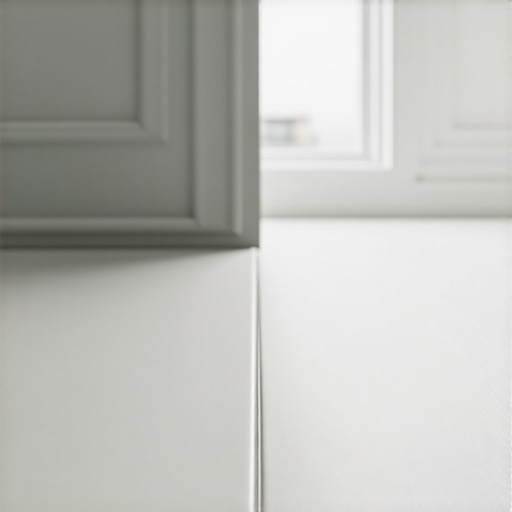
Visualize the latest hybrid grout formulations and waterproof baseboard materials designed for durability in humid conditions.
Addressing the Nuanced Challenges of Restoring Aged Grout
Restoration goes beyond superficial cleaning; it requires understanding the underlying causes of deterioration. For instance, efflorescence—a white, powdery deposit—can compromise both appearance and structural integrity. Advanced chemical treatments now exist to effectively neutralize and remove these deposits without damaging the substrate. For grout that has lost its protective qualities, a multi-step approach involving deep cleaning, pore-refilling, and re-sealing with breathable, chemical-resistant sealants can restore functionality and aesthetic appeal. Professional restoration services leverage these innovations, often employing ultrasonic cleaning tools and advanced regrouting products that integrate staining solutions and sealants, ensuring a cohesive, resilient surface.
What role do environmental factors play in selecting the most suitable grout and sealant systems for specific climates?
Environmental conditions such as humidity, temperature fluctuations, and chemical exposure must inform material choices. For instance, coastal regions with high salt content necessitate highly resistant epoxy-based grouts and sealants that prevent salt penetration and corrosion. Conversely, areas with frequent temperature shifts benefit from flexible, crack-bridging formulations that accommodate substrate movement without failure. Consulting authoritative sources like the Engineering Toolbox can provide insight into climate-specific material recommendations, ensuring your grout system performs optimally over its lifespan.
For professionals and homeowners eager to elevate their maintenance strategies, engaging with specialists who understand these nuanced factors can make a significant difference. Sharing your specific environmental challenges or questions in expert forums or comment sections can lead to tailored solutions that extend your investment’s life while maintaining aesthetic excellence.
Innovative Sealant Technologies Elevate Grout Resilience
Emerging nanotechnology-based sealants revolutionize how professionals approach grout preservation. These cutting-edge products penetrate deeply into porous surfaces, creating a molecular barrier that resists water ingress and chemical damage while maintaining breathability. According to a 2022 study published in the Journal of Architectural Conservation, nanosealants significantly outperform traditional sealers in longevity and ease of cleaning, making them indispensable for high-moisture zones like showers and spas.
Exploring the Role of Material Science in Moisture-Resistant Grout Solutions
Recent advances have introduced hybrid epoxy-cementitious grouts that combine flexibility, chemical resistance, and superior adhesion. These formulations accommodate substrate movements and resist common failure modes such as cracking and staining. Waterproof baseboards crafted from composite or PVC materials further enhance overall durability by preventing water infiltration at vulnerable junctions. Experts recommend integrating these materials into renovation projects for long-term performance, as detailed in recent whitepapers by the Building Design & Technology Journal.

Visual representation of hybrid epoxy and waterproof baseboards designed for moisture-heavy environments.
Mastering Deep Restoration Techniques for Aging Grout
Effective restoration extends beyond superficial cleaning, requiring a nuanced understanding of underlying degradation mechanisms like efflorescence and salt deposits. Advanced chemical treatments neutralize efflorescence without damaging the substrate, enabling durable re-sealing. Ultrasonic cleaning tools, combined with high-performance regrouting products infused with stain-resistant agents, restore both appearance and structural integrity. Employing breathable, chemical-resistant sealants ensures that restored grout withstands daily bathroom stresses and chemical exposure over time.
What are the most cutting-edge approaches for restoring heavily compromised grout surfaces?
Modern restoration techniques leverage ultrasonic cleaning, pore-refilling with advanced sealants, and tailored regrouting solutions that incorporate stain-proofing and flexibility. These approaches minimize invasive removal and maximize longevity, supported by professionals’ use of ultrasonic devices and multi-functional regrouting compounds. The goal is not only aesthetic renewal but also establishing a resilient, long-lasting barrier against moisture and wear.
To explore these innovative methods further, consult specialized service providers experienced in high-performance grout restoration and maintenance, ensuring your investment remains protected and visually appealing for years to come.
Climatic Considerations for Optimal Grout and Sealant Selection
Environmental factors such as humidity levels, temperature fluctuations, and salt exposure critically influence material performance. Coastal areas demand epoxy-based, salt-resistant grouts, while regions experiencing significant temperature variability benefit from flexible, crack-bridging formulations. Consulting authoritative resources like the Engineering Toolbox offers valuable insights into climate-specific material recommendations. Tailoring your choices based on these factors ensures maximum durability and minimizes maintenance needs.
Engaging with specialists who understand environmental nuances can dramatically extend the lifespan of your grout systems. Sharing your local climate challenges in expert forums or professional consultations can lead to customized, resilient solutions that withstand the test of time and environmental stressors.
Insights That Shape Top-Tier Bathroom Maintenance
Prioritize Breathable Sealants for Long-Term Resilience
Advanced, breathable sealants facilitate moisture vapor escape while preventing water ingress, significantly reducing mold and mildew risks. Experts recommend high-quality products infused with nanotechnology for superior durability.
Leverage Material Science for Superior Resistance
Hybrid epoxy-cementitious grouts offer enhanced flexibility, chemical resistance, and adhesion, addressing common failure points. Incorporating waterproof baseboards made from composite or PVC materials further fortifies defenses against moisture damage.
Implement Deep Restoration Techniques for Aging Surfaces
Ultrasonic cleaning combined with advanced chemical treatments effectively removes efflorescence and salt deposits. Re-sealing with breathable, chemical-resistant sealants restores both appearance and structural integrity.
Stay Ahead with Environmentally Adapted Solutions
Climate-specific material choices, such as salt-resistant epoxy grout for coastal areas or flexible formulations for regions with temperature fluctuations, extend lifespan and reduce maintenance frequency.
Adopt Nanotechnology-Infused Sealants for Lasting Results
Nanosealants penetrate deeply, creating durable barriers that resist water and chemicals while maintaining breathability. Studies highlight their superior performance over traditional sealers in high-moisture environments.
Expert Resources for Advanced Grout and Tile Care
- Journal of Architectural Conservation: Offers groundbreaking research on nanosealants and material longevity.
- Building Design & Technology Journal: Provides whitepapers on innovative material formulations and installation techniques.
- Engineering Toolbox: Essential for climate-specific material recommendations and environmental considerations.
- Professional Restoration Services: Access to cutting-edge techniques involving ultrasonic cleaning, pore-refilling, and tailored regrouting solutions.
A Final Reflection from the Authority
Mastering the art of long-lasting grout and tile surfaces in high-moisture environments hinges on embracing advanced materials, innovative sealing solutions, and meticulous restoration techniques. These expert strategies not only preserve the aesthetic appeal but also reinforce the structural resilience of bathroom surfaces over decades. For professionals committed to excellence, continuous learning and adaptation to emerging innovations remain the cornerstones of success. Dive deeper into these insights and consider collaborating with specialists who can tailor these cutting-edge approaches to your specific needs—your investment in quality will pay dividends in durability and beauty for years to come.