Elevating Bathroom Durability through Expert-Selected Materials and Techniques
In the realm of bathroom renovation and maintenance, achieving long-lasting results hinges on an intricate understanding of materials, installation nuances, and ongoing care strategies. As seasoned professionals in the field, we recognize that the backbone of enduring bathroom surfaces involves selecting high-quality grout, resilient baseboards, and innovative shower designs. This guide synthesizes expert insights to empower homeowners and contractors alike to optimize durability in their bathroom spaces.
Deciphering the Complexities of High-Performance Bathroom Grout
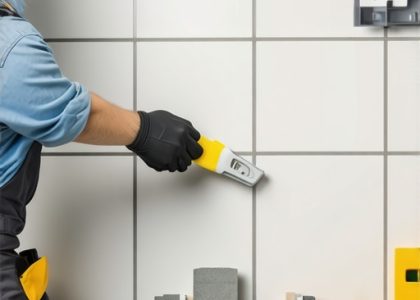
Bathroom grout serves as the vital connective tissue between tiles, resisting moisture ingress, mold formation, and structural degradation. Not all grouts are created equal; epoxy-based formulations stand out for their chemical resistance and longevity, especially in high-moisture environments. When choosing grout, consider the specific needs of your project, including color stability, ease of maintenance, and compatibility with tile types. Recent research published in the Journal of Building Engineering underscores the importance of proper curing and sealing practices in extending grout lifespan.
Innovative Approaches to Reinforcing Bathroom Baseboards for Longevity
Baseboards are more than aesthetic accents; they function as protective barriers against moisture, scuffs, and structural shifts. Modern baseboard installation emphasizes the use of moisture-resistant materials such as PVC, composite, or treated wood. An expert technique involves anchoring baseboards with corrosion-proof fasteners and applying sealants at joints to prevent water seepage. The recent trend towards stylish yet durable baseboard designs combines aesthetics with practicality, ensuring a long-term upgrade that withstands bathroom humidity.
Designing Showers that Endure: From Construction to Maintenance
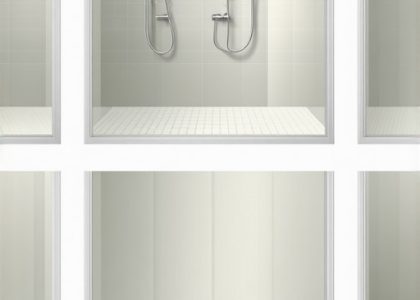
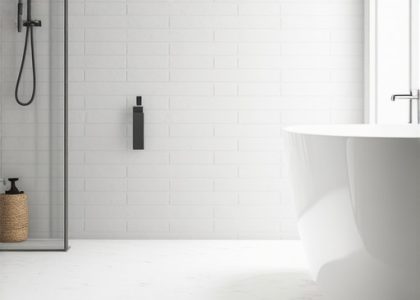
Showers are inherently vulnerable to water damage, making their design and upkeep critical for durability. An expert approach involves installing waterproof membranes beneath tile surfaces, utilizing corrosion-resistant fixtures, and ensuring adequate slope for drainage. The choice of shower enclosures, such as frameless glass or acrylic panels, can influence both longevity and cleaning ease. Regular maintenance, including grout sealing and prompt repairs of cracks, can significantly extend the lifespan of shower components. For comprehensive guidance, see our article on modern shower design trends for 2025.
What are the most advanced sealing techniques to prevent water intrusion in high-moisture zones?
Effective sealing strategies involve multiple layers of protection, including high-quality sealants compatible with tile and grout, as well as the use of silicone at joints and corners. Experts recommend silicone sealants that are mold-resistant and elastic to accommodate movement without cracking. Additionally, applying a penetrating sealer to grout and tile surfaces creates a hydrophobic barrier, reducing water absorption. Combining these methods with proper ventilation optimizes the overall durability of bathroom surfaces.
To deepen your understanding of expert strategies, explore our comprehensive article on tile grout tips for lasting bathroom beauty. For ongoing professional insights, feel free to reach out to our experts and share your experiences or ask specific questions about your project.
Sealing the Future: Advanced Waterproofing Methods for Bathrooms
In high-moisture environments like bathrooms, traditional sealing methods can sometimes fall short against persistent water intrusion. To achieve the ultimate durability, experts are turning to innovative waterproofing solutions that go beyond standard practices. These include the use of liquid-applied membranes, which form seamless barriers over surfaces, eliminating vulnerable joints where leaks often occur. Such membranes are flexible, mold-resistant, and compatible with various substrates, ensuring a tight seal that withstands years of exposure.
Complementing these membranes, the application of cementitious waterproofing coatings offers an extra layer of protection, especially in shower pans and niches. These coatings bond chemically with tile backer boards, creating a monolithic waterproof layer that resists cracking and deterioration over time. When combined with high-quality sealants at all joints and penetrations, this multi-layered approach significantly mitigates water damage risks, extending the lifespan of your bathroom investments.
Are you maximizing your waterproofing strategy to prevent hidden leaks and mold growth?
Proper waterproofing is only part of the equation. Regular inspections, maintenance, and timely repairs are crucial for preserving the integrity of these protective barriers. For example, adopting routine grout sealing and checking for hairline cracks can prevent water ingress before it becomes a costly problem. Our detailed guide on expert shower baseboard installation tips offers practical insights into maintaining these critical components.
For a comprehensive approach to bathroom durability, consider integrating eco-friendly solutions such as sustainable sealants and membranes, which not only protect your surfaces but also contribute to a healthier environment. Learn more about eco-friendly tile solutions to make your renovation both durable and sustainable.
If you’re interested in exploring advanced waterproofing techniques tailored to your project, don’t hesitate to reach out to our team of experts for personalized advice and professional assistance. Remember, a well-waterproofed bathroom safeguards your investment and ensures peace of mind for years to come.
Elevate Your Bathroom’s Longevity with Cutting-Edge Waterproofing Techniques
In the pursuit of a truly durable bathroom, traditional waterproofing methods are rapidly giving way to innovative solutions that promise enhanced protection against water intrusion. Modern waterproofing strategies leverage advanced materials and application techniques that ensure seamless barriers, even in complex or high-moisture zones. The key to lasting bathroom surfaces lies in understanding these sophisticated approaches and integrating them into your renovation or maintenance plans.
Seamless Membrane Systems: The Future of Watertight Confidence
Liquid-applied membranes and sheet systems are transforming how professionals approach waterproofing. Unlike conventional sheet membranes that require meticulous seam sealing, liquid membranes create a monolithic coat, eliminating weak points where leaks can develop. Their flexibility allows them to accommodate substrate movement without cracking, a crucial factor in the dynamic environment of bathrooms. Notably, these membranes are compatible with various substrates, including concrete, cement backer boards, and even existing tiles, making them versatile for retrofit applications.
Hydrophobic Coatings and Their Role in Preventing Hidden Water Damage
In addition to membranes, hydrophobic coatings are gaining traction for their ability to repel water at the microscopic level. These coatings penetrate porous surfaces like grout and ceramic tiles, creating a water-repellent barrier that reduces absorption and minimizes mold growth. The chemical composition of high-quality hydrophobic sealers, such as silane- and siloxane-based formulations, ensures long-lasting protection without altering the appearance of surfaces. When applied correctly, these coatings serve as the final line of defense against unseen leaks and structural deterioration.
Addressing the Nuances of Complex Bathroom Geometries
One of the most challenging aspects of waterproofing is managing complex bathroom geometries—curved walls, irregular niches, and intricate tile layouts. Advanced waterproofing solutions incorporate flexible membranes that can conform precisely to these shapes, maintaining their integrity under stress. For example, fabric-reinforced liquid membranes provide tensile strength and elongation capabilities, making them ideal for non-standard designs. Proper surface preparation, including cleaning and priming, is essential to ensure optimal adhesion of these materials. Skilled application by professionals ensures that even the most complicated spaces are effectively sealed.
What are the most sophisticated testing methods to verify waterproofing integrity before finishing?
Before closing up a waterproofed area, rigorous testing is vital. The **vacuum testing** method, for instance, involves creating a sealed environment over the waterproof membrane and applying a vacuum to identify leaks through pressure loss. Similarly, the **water column test** involves filling the area with water to a specified height and monitoring for any seepage or drops in water level over time. These tests are standardized by organizations such as the **American Society of Civil Engineers (ASCE)**, which stipulate precise procedures for verifying waterproofing efficacy. Employing these advanced techniques not only guarantees the success of waterproofing efforts but also minimizes costly repairs post-installation.
To deepen your expertise, explore our comprehensive guide on advanced waterproofing solutions in contemporary bathroom design. Our team of specialists is also available to help tailor waterproofing strategies to your unique project needs—reach out through our contact page for personalized advice. Remember, investing in superior waterproofing today safeguards your bathroom from future water damage, mold, and costly repairs, ensuring peace of mind for years to come.
Revolutionizing Waterproof Barriers with Seamless Liquid Membranes
Transitioning from traditional sheet membranes, modern liquid-applied waterproofing solutions provide a continuous, monolithic layer that eliminates seam vulnerabilities. These membranes, such as polyurethane or acrylic-based formulations, conform seamlessly to complex geometries, offering unparalleled protection in high-moisture zones. Their flexibility accommodates substrate movement, preventing cracks and leaks that compromise bathroom integrity. Industry leaders, like the American Hydrotech Corporation, emphasize the importance of surface preparation and precise application techniques to maximize these membranes’ effectiveness.
Hydrophobic Coatings Elevate Surface Defense
Hydrophobic sealers, especially silane and siloxane-based formulations, penetrate porous surfaces such as grout joints and tiles, imparting water-repellent properties that last for years. These coatings reduce water absorption, diminish mold growth potential, and facilitate easier cleaning, significantly extending the lifespan of bathroom finishes. Applying these treatments after proper surface curing ensures an optimal hydrophobic barrier, a practice endorsed by top waterproofing experts like Tremco Sealants.
Customizing Waterproof Solutions for Unique Architectural Challenges
Bathrooms with intricate layouts, curved surfaces, or irregular niches demand flexible, conformable waterproofing systems. Reinforced fabric membranes embedded within liquid coatings provide tensile strength and elongation properties, ensuring coverage without compromising seal integrity. Precise surface priming and adherence testing are critical to prevent future failures. For specialized applications, consulting with waterproofing engineers can lead to bespoke solutions that address specific architectural complexities, as outlined in the detailed guidelines of Water Shield Experts.
Verifying Waterproof Integrity Through Advanced Testing Methods
Pre-closure testing of waterproof barriers is vital. Techniques such as vacuum testing involve applying negative pressure to detect leaks, while hydrostatic testing immerses the area in water to observe seepage. These methods, standardized by organizations like the American Society of Civil Engineers (ASCE), enable professionals to confirm the robustness of waterproof layers before finishing. The adoption of such rigorous testing protocols minimizes the risk of hidden failures that could lead to costly repairs later.
How can modern testing techniques expose hidden vulnerabilities in waterproofing systems?
Employing non-destructive testing methods like infrared thermography and acoustic emission analysis can uncover microcracks and weak points within waterproof membranes. These techniques detect anomalies by analyzing heat signatures or sound waves generated by minute leaks, offering a higher resolution inspection than traditional visual checks. Integrating these advanced diagnostics into routine inspections ensures ongoing water barrier integrity, safeguarding your investment over the long term.
For an in-depth exploration of innovative waterproofing diagnostics, visit our article on advanced waterproofing inspection techniques. Our team of specialists is available to help design and implement these cutting-edge solutions tailored to your project’s specific needs—reach out via our contact page.
Expert Insights & Advanced Considerations
Prioritize High-Quality Materials for Critical Zones
Investing in premium waterproof membranes and corrosion-resistant fixtures ensures longevity in high-moisture areas. The choice of materials directly influences durability, reducing the need for frequent repairs and replacements.
Implement Multi-Layer Waterproofing Strategies
Combining liquid-applied membranes with cementitious coatings creates a seamless, robust barrier against water ingress. This layered approach significantly minimizes the risk of leaks and structural damage over time.
Emphasize Proper Surface Preparation and Sealing
Meticulous surface priming, cleaning, and sealing joints with mold-resistant silicone are crucial steps. These practices ensure optimal adhesion and protect vulnerable points from moisture penetration.
Utilize Innovative Testing Techniques Before Finalizing Installation
Advanced methods such as vacuum testing and infrared thermography can reveal hidden vulnerabilities. Employing these techniques guarantees the integrity of waterproofing systems prior to finishing touches.
Incorporate Eco-Friendly Waterproofing Solutions
Sustainable sealants and membranes not only safeguard surfaces but also promote environmental responsibility. Opting for eco-friendly options aligns durability with green building practices.
Curated Expert Resources
- American Hydrotech Corporation: Leaders in seamless liquid membrane systems, offering innovative waterproofing solutions with proven durability.
- Waterproofing Technology Journal: A comprehensive source for the latest research, testing standards, and industry best practices in waterproofing.
- Tremco Sealants: Renowned for their mold-resistant, elastic sealants that adapt to substrate movements and prevent leaks.
- Water Shield Experts: Specialists providing bespoke waterproofing strategies for complex bathroom geometries and retrofit projects.
- Eco Waterproofing Solutions: Providers of sustainable, high-performance waterproofing products that meet rigorous environmental standards.
Final Perspective
Achieving lasting bathroom durability demands a sophisticated blend of expert techniques, innovative materials, and rigorous testing. In particular, advanced waterproofing methods like seamless liquid membranes and hydrophobic coatings are transforming how professionals approach moisture protection, especially in challenging geometries. As the industry evolves, embracing these cutting-edge strategies ensures that your renovation projects stand the test of time, reducing costly repairs and preserving aesthetic appeal. For those committed to excellence, engaging with authoritative resources and continuous learning is paramount. We invite you to deepen your expertise by exploring our detailed guides, participating in professional forums, or consulting with industry specialists—your bathroom’s longevity depends on it.