
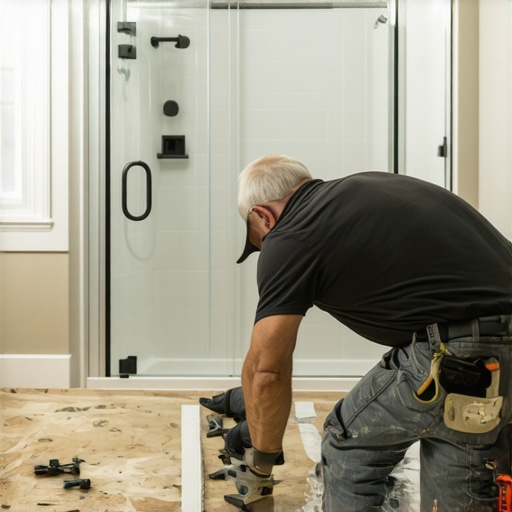
Refined Strategies for Premium Shower and Tile Environments
In the realm of luxurious bathroom renovations, selecting high-performance materials and understanding the intricate interactions between showers, grout, tiles, and baseboards are paramount. As industry experts forecast trends for 2025, the emphasis shifts toward durability, aesthetic finesse, and innovative maintenance techniques that elevate both form and function.
Intelligent Material Selection for Enduring Bathroom Surfaces
The foundation of a lasting shower environment lies in choosing tiles that resist moisture ingress and thermal expansion. Engineered porcelain and natural stone tiles, when selected with proper porosity considerations, significantly reduce the risk of grout failure. Moreover, the integration of eco-friendly tile solutions boosts sustainability without compromising resilience—prehensive insights into these materials can be explored in our guide on eco-friendly tile options for 2025.
Grout Formulations and Advanced Sealing Methodologies
High-quality grout formulations, such as polymer-modified or epoxy blends, provide enhanced adhesion and chemical resistance—crucial factors in wet environments. Proper sealing of grout lines with modern sealants extends service life and maintains aesthetic integrity. Techniques to optimize grout longevity, including timely re-sealing and cleaning protocols, are vital expertise areas for professionals committed to long-term performance.
The Role of Precision in Baseboard and Shower Enclosure Installations
Precision in the installation process significantly affects the waterproofing and visual harmony of bathroom components. Expert installers utilize techniques that ensure baseboards seamlessly integrate with the shower enclosure, preventing water ingress and structural deterioration. Our comprehensive guide to durable tile and baseboard installation offers detailed methodologies for achieving these outcomes.
What Are the Most Effective Approaches to Prevent Mold and Mildew in Shower Grout?
Addressing this question involves a combination of proper grout sealing, humidity control, and ongoing maintenance. The use of antimicrobial grout sealants combined with ventilation improvements dramatically reduces mold growth risks. Open discussions with industry colleagues and referencing authoritative sources like the Centers for Disease Control and Prevention enhance understanding of effective preventative strategies.
If you’re committed to elevating your bathroom renovation projects, exploring expert-level tips on upgrading your shower baseboards or grout systems can provide tangible benefits. Engage with professional communities and share insights to foster continuous improvement in bathroom design and durability.
The Secret Power of Proper Surface Preparation Before Tiling
A critical yet often overlooked aspect of successful bathroom renovations involves meticulous surface preparation. Ensuring substrates are clean, level, and free of contaminants guarantees optimal adhesion of tiles and grout, which directly influences longevity. Techniques such as priming porous surfaces and using leveling compounds can prevent future issues like cracking or detachment. For more nuanced insights, see our expert tips on durable tile and baseboard installation.
Enhancing Grout Performance with Advanced Additives
Modern grout formulations incorporate additives that improve flexibility, stain resistance, and ease of maintenance. Epoxy-based grouts, in particular, provide chemical and moisture resistance that surpass traditional cementitious options, making them ideal for high-moisture environments. Incorporating such grouts, along with proper sealing techniques, can dramatically extend the lifespan of your bathroom surfaces. Further details on optimal grout choices and application methods can be found in our comprehensive grout care guide.
Innovative Waterproofing Solutions for Critical Joints
While standard waterproof membranes serve well, advanced solutions like liquid-applied waterproof coatings or sheet membranes provide superior protection at vulnerable joints and seams. These innovations are especially beneficial in complex shower designs where multiple surfaces converge. Implementing such solutions requires technical expertise but pays dividends in preventing leaks and structural damage over time. Explore detailed waterproofing methodologies at our expert installation procedures.
How Can Industry Standards Drive Continuous Improvement in Shower and Tile Durability?
Staying aligned with the latest building codes and industry standards ensures consistent quality and repairs longevity. Certifications from organizations like the Tile Council of North America (TCNA) set benchmarks for performance, guiding contractors toward best practices. Engaging with authoritative bodies and embracing new standards can lead to innovative solutions that push the boundaries of durability. To delve deeper into industry benchmarks, review our standards-focused resources.
If elevating your expertise is a priority, consider participating in professional workshops or online courses that focus on advanced tile installation and maintenance strategies. Sharing insights with peers often uncovers fresh approaches to long-term durability challenges.
Harnessing Innovative Sealants to Combat Moisture Intrusion
In high-end bathroom environments, the choice of sealants plays a pivotal role in maintaining the integrity of shower enclosures. Modern silicone and hybrid sealants are engineered with advanced polymers that offer superior elasticity, UV resistance, and mold inhibition. These properties ensure that joints withstand thermal expansion and contraction, drastically reducing the risk of cracking or water ingress—a critical aspect underscored in recent breakthroughs by industry leader Dow Corning (Dow’s latest research on silicone technology). Proper application techniques—including meticulous surface preparation, standardized tooling, and environmental controls—are essential to harness these benefits fully. Optimizing sealant longevity not only preserves aesthetic appeal but also averts costly repairs down the line.
Advanced Approaches to Grout Embedded Sensor Integration
Emerging innovations link smart technology with traditional tile environments through embedded sensors capable of monitoring moisture levels, temperature fluctuations, and structural stress. For example, researchers at MIT have developed a resilient, waterproof sensor system that can be embedded within grout lines, providing real-time data on potential leak pathways or moisture accumulation (MIT’s recent breakthrough in sensor integration). These systems enable proactive maintenance, alerting homeowners or professionals before visible damage manifests. Implementing such technologies requires a nuanced understanding of sensor durability and compatibility with existing grout formulations. The integration process involves precise placement during tiling and establishing secure wireless communication pathways, emphasizing the need for expert knowledge in both construction and electronics.
What Strategies Are Effective to Prevent Accelerated Tile Adhesive Degradation Under Heavy Use?
This question addresses the complex interplay between adhesive chemistry, load distribution, and environmental factors. High-traffic shower areas demand adhesives with high tensile strength and exceptional flexibility to resist peeling or cracking. Innovations like polymer-modified thinsets with nanomaterial additives demonstrate remarkable resistance to shear forces and moisture exposure, extending the lifespan of tile installations even under demanding conditions (Tile Letter’s comprehensive review on advanced adhesives). Additionally, subfloor preparation that ensures uniform load distribution minimizes stress points, reducing adhesive degradation. Selecting the appropriate adhesive based on substrate porosity, expected mechanical stresses, and environmental factors is a nuanced decision requiring detailed analysis by seasoned professionals.
For those looking to deepen their mastery in these areas, engaging with specialized industry seminars and certification programs focusing on waterproofing innovations, smart integration, and advanced adhesive selection can unlock new opportunities for excellence. Continuous education keeps specialists at the forefront of material science breakthroughs that redefine bathroom durability standards.
Synergizing Thermal Barrier Technologies with Waterproofing Systems
In high-performance bathrooms, the combination of thermal insulation and waterproofing methods creates an optimized barrier against environmental stressors. Spray foam insulations with vapor retarders, paired with liquid-applied waterproof membranes, offer unparalleled protection—reducing thermal bridging, controlling condensation, and preventing mold growth simultaneously. Industry studies, such as those from the Building Science Corporation (Building Science’s technical bulletin on thermal bridging), highlight how thoughtful integration of these systems enhances overall durability. Achieving synergy between these technologies involves meticulous sequencing during installation and a comprehensive understanding of material compatibilities, reinforcing the importance of expert execution in complex renovation projects.
The Next Level: Incorporating Vapor-Permeable Membranes for Mold Prevention
While impermeable membranes offer robust waterproofing, vapor-permeable alternatives facilitate controlled moisture escape, reducing the risk of mold and mildew within wall cavities. These membranes allow for drying while still blocking liquid water penetration—a nuanced balance that expert installers must manage carefully. Materials like smart vapor retarder membranes, which adjust permeability based on indoor humidity levels, exemplify cutting-edge approaches. According to research by the Oak Ridge National Laboratory (ORNL’s report on vapor control technologies), such systems significantly extend the life of bathroom enclosures by minimizing microbial growth and structural degradation. Successfully deploying these membranes calls for precise application techniques and a thorough understanding of local climate conditions, emphasizing the critical role of skilled professionals in safeguarding bathroom ecosystems.
Revolutionize Your Bathroom Workflow with Cutting-Edge Surface Treatments
Advanced surface preparation techniques, including the application of nano-primers and moisture barriers, significantly enhance tile adhesion and longevity. These innovative treatments prevent future de-lamination and cracking, safeguarding your investment against the rigors of daily use. Incorporating ionized air cleaning before surface priming further ensures a contaminant-free substrate, maximally optimizing results.
Harness the Potential of Hybrid Waterproofing Technologies
The integration of liquid-applied membranes with pre-formed sheet waterproofing layers yields a comprehensive defense against water infiltration. This dual-layer approach not only provides redundancy but also adapts to complex shower geometries, ensuring seamless coverage in concealed joints and corners. Specialist knowledge in systems coordination is critical for achieving impeccable waterproof integrity, especially in luxury bathroom overhauls.
Innovate with Grout Innovations that Outperform Tradition
Emerging grout formulations incorporate microencapsulated stain repellents and self-healing properties, dramatically reducing maintenance and correcting minor cracks proactively. These high-tech grout solutions, often epoxy-based, resist mold, mildew, and chemical breakdowns, extending service life significantly. Implementing these advancements requires precise mixing techniques and compatibility assessments with existing tile substrates, underscoring the importance of expert installers familiar with the latest materials.
Refined Strategies for Baseboard and Enclosure Integration
Secure attachment methods, such as mechanical fasteners combined with waterproof sealants, ensure that baseboards and shower enclosures remain structurally sound and watertight over time. The choice of flexible sealants with mold inhibitors, applied with precision tooling, maintains aesthetic appeal and functional integrity. Modern fastening techniques, including concealed fixings and reinforced adhesives, minimize visual disruptions while providing enhanced durability.
Expert Insights: Precise Caulking for Leak Prevention
Meticulous caulking practices, emphasizing environmental controls and material compatibility, are essential to prevent joint failures. Utilizing high-performance, UV-resistant silicone sealants with antimicrobial properties ensures long-lasting seals in high-moisture environments. Proper tooling and smoothing techniques, combined with surface priming, are key to achieving professional-grade results that withstand years of use. According to industry standards outlined by the Tile Council of North America, these detailed procedures are critical for lasting performance.
Elevate your project with the latest in antimicrobial grout technology and waterproofing innovations
By integrating antimicrobial additivities within grout and employing vapor-permeable membranes in wall assemblies, professionals can significantly reduce microbial growth and moisture buildup. These solutions not only improve indoor air quality but also extend the lifespan of bathroom finishes. A proactive approach, involving detailed planning and material compatibility testing, positions your renovation at the forefront of durability and health standards.
What are the most sophisticated methods to detect and negate hidden moisture pathways within tile assemblies?
Advanced diagnostic tools such as infrared thermography and moisture meters with high sensitivity enable precise identification of concealed leaks and dampness. Coupled with computer modeling of water flow within complex structures, these techniques allow for targeted remediation before visible damage occurs. Implementing such strategies necessitates specialized training and can drastically reduce repair costs, making them indispensable for high-end bathroom projects. Engaging in continued professional development and consulting authoritative resources, like the Building Science Corporation, ensures mastery in these critical inspections.
Expert Insights & Advanced Considerations
Prioritize Material Compatibility to Prevent Future Failures
Selecting substrates and finishes with proven compatibility minimizes the risk of adhesion problems and surface deterioration, especially in high-moisture environments. A strategic approach involves understanding the chemistry behind sealants, adhesives, and tiles, ensuring they operate synergistically over time.
Harness the Power of Innovative Sealant Technologies
Modern hybrid and silicone sealants with antimicrobial properties extend the lifespan of joints and prevent mold proliferation, offering a proactive defense against moisture ingress. Proper application techniques are crucial to fully realize these benefits and maintain an airtight seal.
Integrate Smart Monitoring for Future Resilience
Embedding moisture sensors within grout lines or behind wall assemblies enables real-time detection of leaks, facilitating prompt maintenance actions. Such innovations empower professionals to transition from reactive to predictive maintenance regimes, safeguarding investment and enhancing client trust.
Optimize Surface Preparation with Nanotechnology
Applying nano-primers and moisture barriers creates a resilient foundation for tile adhesion, reducing cracking and delamination risks. These cutting-edge treatments ensure surfaces are conditioned precisely, promoting long-term performance and aesthetic integrity.
Align with Evolving Industry Standards for Optimal Outcomes
Staying current with certifications from organizations like the Tile Council of North America ensures adherence to best practices. Incorporating these benchmarks into project planning leads to superior results and durable finishes that withstand the test of time.
Curated Expert Resources
- Tile Council of North America (TCNA) – Offers comprehensive standards and guidelines that underpin durable tiling practices, ensuring compliance and excellence.
- Building Science Corporation – Provides in-depth research on integrated moisture management, insulation, and waterproofing techniques crucial for high-performance bathrooms.
- Dow Corning Innovation Reports – Details advancements in silicone technology, guiding optimal sealant selection and application in moist environments.
- MIT’s Smart Sensor Research – Showcases pioneering developments in embedded moisture monitoring systems, fostering proactive maintenance strategies.
- National Tile Contractors Association (NTCA) – Supplies educational materials and certifications that elevate professional standards and knowledge in tile installation.
The Power of Continuous Innovation in Bathroom Design
Integrating cutting-edge surface treatments, smart moisture monitoring, and strict adherence to evolving industry standards collectively elevates the durability and aesthetic appeal of bathroom surfaces. Embracing these expert-level insights not only safeguards your project investments but also sets a new benchmark in quality and longevity. To deepen your mastery over these advanced topics, consider engaging with professional networks or specialized courses dedicated to modern bathroom renovation techniques. Sharing insights and experiences fosters a community of excellence that drives the industry forward. Enhance your projects by exploring trusted installation practices or stay updated with the latest innovations in eco-friendly tile solutions.

This comprehensive guide touches on so many critical aspects of high-end bathroom renovation—especially the focus on surface preparation and innovative waterproofing. I’ve seen firsthand how neglecting proper surface prep can lead to cracking and tile failure down the line, which is costly to repair. I’m particularly interested in the emerging use of nano-primers and moisture barriers; these treatments seem to offer promising long-term adhesion benefits and durability. However, I wonder about their cost-effectiveness in standard projects versus luxury renovations. Has anyone here incorporated nano-primers at scale, and what has been the experience regarding ROI?
Also, the discussion on smart sensors embedded within grout lines is fascinating. Do these systems require specialized maintenance, or can they be integrated seamlessly into existing smart home setups? I’d love to hear real-world experiences or tips on managing these sensors to ensure they remain effective over many years. Overall, this post provides excellent insights into future-proofing bathroom surfaces—it’s definitely inspired me to revisit some of my current projects to incorporate these advanced solutions.