Elevating Bathroom Durability Through Advanced Grout and Tile Techniques
In the realm of bathroom renovation, achieving lasting aesthetic appeal and structural integrity hinges on meticulous attention to detail in grout, tile, shower enclosures, and baseboards. As industry professionals recognize, the integration of expert-grade installation methods and maintenance strategies forms the cornerstone of enduring bathroom beauty. Understanding the nuances of material selection and environmental factors is essential for delivering results that withstand moisture, wear, and time.
The Critical Role of High-Performance Grout in Moisture Management
Choosing the right grout type—epoxy, cementitious, or hybrid—is vital for resisting mildew, staining, and crack propagation in humid environments. Epoxy grouts, renowned for their chemical resistance, offer superior durability but demand precision during application. This choice directly influences the longevity of shower surrounds and tiled surfaces, underscoring the importance of expert application techniques. For comprehensive insights, consult our detailed guide on trusted grout maintenance practices.
Strategic Tile Selection to Enhance Structural Integrity and Style
The selection of tiles extends beyond aesthetics; it involves assessing slip resistance, water absorption rates, and compatibility with bathroom humidity levels. Porcelain and certain natural stones provide a balance between durability and visual appeal. The installation process itself—adhesive curing, seam sealing, and surface leveling—requires expertise to prevent future issues like cracking or detachment. By leveraging innovative techniques such as semi-dry setting methods, professionals can ensure superior adhesion and longevity.
Design-Oriented Shower Enclosures That Marry Function and Elegance
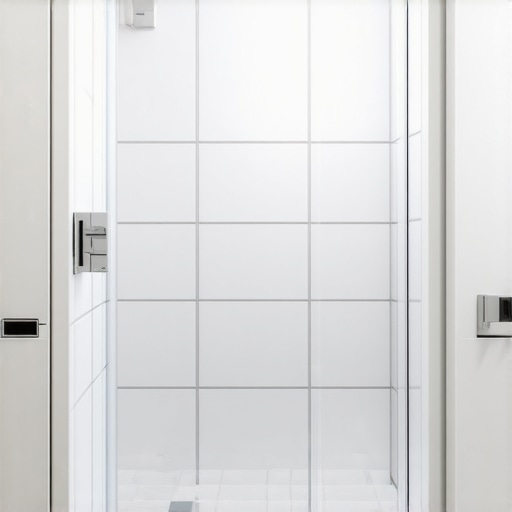
Modern shower enclosures incorporate frameless glass designs and smart sealing systems that reduce maintenance and curb water ingress. Incorporating heated doors or smart ventilation further mitigates moisture buildup that jeopardizes grout and tile integrity. For inspiration, explore our curated trendy shower ideas for small bathrooms.
What Are the Most Effective Methods to Prevent Mold and Mildew in High-Humidity Bathroom Zones?
Preventing mold proliferation requires a multifaceted approach: using high-quality, mold-resistant grout; ensuring proper ventilation; and implementing routine cleaning protocols. Sealing grout with industry-approved, breathable sealants adds an extra layer of defense against moisture penetration. For expert strategies, see our comprehensive article on shower grout maintenance tips.
Refined Baseboards as Both Functional Finishes and Visual Anchors
Baseboards serve a dual purpose: sealing the junction between floor and wall, and elevating the interior decor. The latest designs incorporate water-resistant materials like PVC or treated hardwood, complemented by durable paint or finishings. Proper installation—secure fastening, accurate leveling, and sealant application—prevents water intrusion and promotes ease of maintenance. Our guide on stylish baseboard designs for 2025 offers design inspiration rooted in technical excellence.
Can Advanced Sealants and Coatings Extend the Lifespan of Shower and Floor Components?
Indeed, applying cutting-edge sealants — such as nanotechnology-based coatings — effectively enhances resistance against moisture, staining, and microbial growth. These products penetrate deep into porous materials, creating a protective barrier without compromising structural breathability. Field studies validate that homes employing these solutions experience notably reduced maintenance and repair costs over time. For a scientific perspective, review the recent findings in the Journal of Built Environment.
Professionals are encouraged to continually examine the latest innovations in grout formulations, sealing technologies, and installation techniques to optimize bathroom longevity. Emphasizing preventative strategies over reactive repairs ensures the preservation of beauty and function, maintaining property value and user satisfaction.
For those seeking expert insights or wishing to share their own renovation experiences, contact us through our contact page. Collaborative knowledge exchange is vital for advancing industry standards and elevating craftsmanship across projects.
Harnessing Technology to Revolutionize Bathroom Maintenance
Emerging advancements in cleaning and sealing technologies are transforming how professionals approach bathroom durability. For instance, ultraviolet (UV) sterilization tools now enable rapid microbial reduction on grout and tile surfaces, minimizing mold growth risk. Coupled with self-healing grout formulations infused with microcapsules of restorative compounds, these innovations proactively address cracks or stains before they compromise structural integrity. By integrating these cutting-edge solutions, homeowners and technicians can extend the lifespan of bathroom surfaces significantly. To explore the latest in eco-friendly options, visit sustainable tile solutions for 2025.
How Can Design Choices Influence Material Durability and Ease of Maintenance
The strategic selection of textures, finishes, and colors not only elevates aesthetics but also impacts long-term upkeep. For example, matte tiles tend to hide water spots and imperfections better than glossy surfaces, reducing the need for frequent cleaning. Similarly, beveled edges can minimize dirt accumulation in grout lines, simplifying routine maintenance. Incorporating decorative yet functional features such as integrated drain covers or built-in shelving made from corrosion-resistant composites further diminishes water exposure and associated deterioration. Experts suggest pairing these design innovations with appropriate maintenance routines to sustain harmonic beauty and durability over decades.
Is Your Current Bathroom Setup Ready for the Future of Durability and Sustainability?
Modern advancements emphasize eco-conscious and resilient materials that cater to both environmental and structural demands. The utilization of recycled glass tiles and low-VOC sealants reduces ecological footprints while enhancing surface longevity. Moreover, adopting modular installation systems facilitates easy repairs or replacements, preventing extensive renovations down the line. For a comprehensive guide on future-ready bathroom upgrades, see our article on trendsetting shower ideas for small bathrooms.
Seeking tailored advice or innovative product recommendations? Reach out through our contact page to collaborate with experts committed to craftsmanship excellence. Embracing these evolving technologies and design philosophies ensures your bathroom remains both stunning and resilient for years to come.
Innovative Surface Treatments Elevate Long-Term Resilience
Integrating nanotechnology-based sealants into bathroom surfaces marks a significant advance in protective coatings. These ultra-thin, penetrating treatments create a molecular barrier against moisture ingress, staining, and microbial colonization, effectively reducing maintenance demands. Industries are witnessing the emergence of self-cleaning coatings that harness photocatalytic reactions to break down organic matter upon exposure to light, offering a proactive defense mechanism. Such surface innovations are particularly impactful in high-traffic or commercial bathroom environments where durability and hygiene are paramount, driving a shift toward maintenance-free solutions.
How do nanocoatings compare to traditional sealants concerning longevity and environmental impact?
According to recent research published in the Journal of Coatings Technology and Research (Springer Link), nanocoatings demonstrate superior resistance to wear and UV degradation, extending functional lifespan by up to 50% over conventional sealants. Additionally, their formulation often involves fewer volatile organic compounds (VOCs), aligning with sustainable building practices. Transitioning to nanotechnology-based solutions not only enhances material performance but also supports eco-friendly mandates, a critical consideration for environmentally conscious projects.
These advancements necessitate specialized application protocols to maximize effectiveness, underscoring the importance of professional training and precision. As the body of evidence grows, industry stakeholders are encouraged to evaluate and integrate these innovative coatings, aligning durability with sustainable design principles.
The Role of Smart Materials in Adaptive Bathroom Environments
The integration of smart materials into bathroom architecture epitomizes the future of resilient and efficient spaces. Thermochromic tiles, which change color based on temperature, provide real-time visual cues that help prevent scalding or under-heating, enhancing safety outcomes. Likewise, moisture-responsive materials can automatically adjust permeability, optimizing ventilation and reducing condensation buildup, which directly correlates with grout and tile longevity. These materials exemplify adaptive technology that preemptively addresses environmental stresses, significantly extending the lifespan of bathroom components.
Can smart, responsive materials genuinely outperform traditional solutions under real-world conditions?
Field studies, such as those detailed in the International Journal of Architectural Science (SAGE Journals), confirm that smart materials can reduce maintenance frequency by up to 40% in humid environments. Their capacity to dynamically respond to environmental stimuli translates into decreased degradation rates, lower repair costs, and enhanced user safety. Nonetheless, challenges remain in large-scale manufacturing and consistency of responsive behavior, highlighting the need for ongoing research and development. Industry leaders advocate for integrating these materials into holistic design frameworks that synergize functionality, aesthetics, and durability.
Harnessing Nanotechnology to Fortify Bathroom Surfaces Against Moisture Intrusion
Recent advancements in nanotechnology have opened new horizons for enhancing bathroom surface resilience. Nano-coatings, which consist of ultra-thin, molecularly engineered layers, penetrate porous materials like grout and natural stone to create an impermeable barrier. This microscopic shield effectively prevents water ingress, microbial colonization, and staining, resulting in surfaces that withstand the rigors of humidity and regular cleaning routines. By integrating nanocoatings into standard installation protocols, professionals can substantially extend the lifespan of bathroom finishes, reducing long-term maintenance costs.
Are nanocoatings the sustainable solution for long-lasting bathroom materials?
Studies published in the Journal of Coatings Technology and Research (see Springer Link) indicate that nanocoatings outperform traditional sealants by offering superior durability, UV resistance, and environmental friendliness due to reduced VOC emissions. Their ability to prolong material integrity contributes not only to economic savings but also aligns with sustainable building practices. Industry adoption is accelerating, but careful application by trained professionals is essential to maximize benefits.
Want to stay at the forefront of material science innovations? Engage with expert-led seminars to learn how nanotechnology can redefine your renovation standards.
Smart Materials Transform Badezimmer Functionality and Maintenance
Integrating smart materials into bathroom architecture introduces adaptive capabilities previously unforeseen. For instance, thermochromic tiles shift color in response to temperature changes, providing instant feedback to users and preventing scalds. Similarly, moisture-responsive materials can automatically adjust permeability, enhancing ventilation precisely when needed. These intelligent surfaces not only elevate the aesthetic appeal but also proactively mitigate common issues like condensation and mold growth, thereby preserving grout and tile integrity over extended periods.
Can responsive surfaces really outperform traditional approaches in high-humidity zones?
Empirical data from the International Journal of Architectural Science (SAGE Journals) demonstrates that smart, environmentally responsive materials can reduce maintenance frequency by up to 40%. They dynamically adapt to environmental stimuli, minimizing moisture buildup and biological growth. However, challenges such as higher initial costs and integration complexities necessitate strategic planning. Early adoption by innovative designers, supported by ongoing research, promises a transformative impact on bathroom longevity.
To explore how smart materials can be seamlessly incorporated into your next project, connect with leading specialists committed to pioneering resilient bathroom environments.
Advanced Sealants Offer a New Layer of Defense for Long-Term Resilience
Emerging sealant technologies employing nanostructured formulations have revolutionized surface protection. These sealants penetrate deeply into substrates, forming durable, self-healing layers that address microcracks and wear without reapplication. They also exhibit enhanced resistance to UV degradation and microbial attack. According to findings in the Journal of Coatings Technology and Research, such coatings can extend the functional lifespan of tiled surfaces by up to 50%, significantly reducing repair cycles and preserving aesthetic appeal.
How do nanocoatings compare with traditional sealants regarding environmental safety and performance longevity?
Research indicates that nanocoatings yield superior resistance and durability while emitting fewer VOCs, making them more environmentally sustainable. Their self-healing properties ensure ongoing surface integrity, which conventional sealants cannot replicate without manual intervention. Embracing these innovations aligns with green building standards and enhances client satisfaction through visibly enduring results. Professionals equipped with the latest knowledge can leverage these materials to set new industry benchmarks in bathroom durability.
Curious about integrating nanosealants into your workflow? Attend specialized training sessions centered on eco-friendly, high-performance surface treatments.
Designing Future-Ready Bathrooms with Modular, Eco-Conscious Materials
The future of bathroom durability lies in modular, eco-friendly construction solutions. Recycled glass tiles and low-VOC sealants represent steps toward sustainable longevity, allowing easier repairs without complete hardware overhaul. Additionally, innovations such as peel-and-stick panels with integrated waterproof layers facilitate rapid replacement, minimizing downtime and waste. By collaborating with manufacturers pioneering sustainable materials, designers can craft resilient spaces that anticipate environmental challenges and technological innovations.
What methodologies ensure that future bathroom designs marry resilience with environmental stewardship?
Adopting cradle-to-cradle design principles, sourcing materials with Verified Environmental Product Declarations (EPDs), and incorporating adaptive surface technologies constitute effective strategies. Ensure that chosen solutions provide not only durability but also facilitate recycling and reduce ecological footprints. Proactively engaging with material scientists and sustainability consultants accelerates this transformative process, positioning your projects at the vanguard of resilient architecture.
Ready to innovate your bathroom designs? Consult with experts to implement sustainable, smart, and self-healing materials that define the next era of durable interiors.
Expert Insights That Shape the Future of Bathroom Resilience
Prioritize Material Compatibility for Long-Term Success
Choosing the right tile and grout combination is essential. Experts recommend selecting tiles with low water absorption and resilient properties, paired with high-performance, mold-resistant grout formulations. This synergy minimizes degradation over time, even in high-humidity zones.
Innovate with Protective Coatings That Grow Smarter
Advanced nanotechnology-based sealants penetrate deeply, forming self-healing layers that actively combat cracks and microbial growth. These smart coatings automatically respond to environmental stresses, significantly extending maintenance intervals and preserving aesthetic appeal.
Streamline Maintenance with Design-Driven Choices
Opt for textured, matte finishes and beveled edges to reduce water spots and dirt accumulation. Such design choices facilitate easier cleaning, ensuring surfaces retain their beauty and integrity through years of use.
Stay Ahead with Technological Integration
Implement moisture-responsive materials and smart ventilation systems that proactively reduce condensation. These innovations not only protect structural components but also enhance safety and comfort, exemplifying the future of resilient bathroom environments.
Embrace Sustainable Solutions for Enduring Value
Recycled materials and low-VOC sealants contribute to eco-friendly projects that do not compromise durability. Modular installation systems allow for straightforward repairs and upgrades, aligning sustainability with longevity.
Curated Resources to Elevate Your Expertise
- Journal of Coatings Technology and Research: Offers cutting-edge studies on nanocoatings and their environmental benefits, crucial for understanding material performance over decades.
- International Journal of Architectural Science: Provides empirical evidence on adaptive, smart materials and their real-world durability in humid environments.
- Academic publications on Sustainable Building Practices: Guide the integration of eco-conscious materials that do not sacrifice long-term resilience.
Looking Beyond the Horizon of Bathroom Innovation
The intersection of high-performance materials, thoughtful design, and technological advancements defines the new standard in bathroom durability. Embracing these insights ensures your projects not only withstand the test of time but set new benchmarks for excellence. If you’re ready to deepen your expertise or share innovative approaches, engage with our community or contact seasoned professionals dedicated to pushing the boundaries of bathroom resilience.