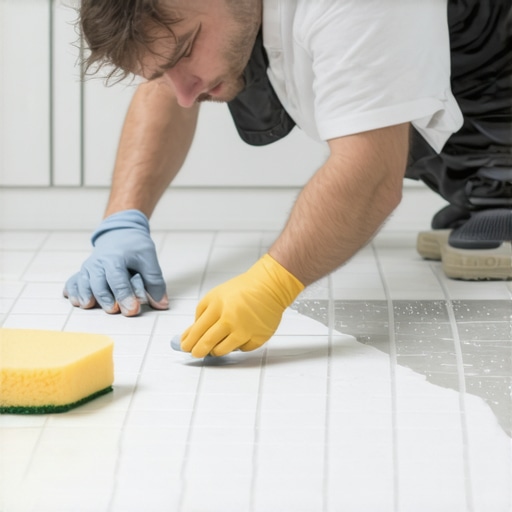
Elevating Bathroom Durability Through Advanced Shower and Tile Care
In the realm of bathroom renovations, the longevity and aesthetic integrity of showers, tiles, grout, and baseboards hinge on meticulous maintenance and strategic material choices. As industry experts recognize, a holistic approach that integrates proper installation techniques, high-quality materials, and ongoing care protocols is essential for ensuring enduring beauty and functionality in wet environments.
Unveiling the Hidden Mechanics of Grout Longevity
At the core of durable shower enclosures lies the resilience of grout joints. Properly applied, sealed, and maintained grout acts as a formidable barrier against water ingress, mold growth, and staining. Techniques such as using high-strength epoxy-based grout over traditional cement-based mixes have demonstrated superior performance, as detailed in recent studies available through scientific research on tile adhesion and waterproofing.
The Expert’s Approach to Tile Surface Preservation
Tile surfaces are susceptible to etching, mineral deposits, and grime accumulation that compromise their appearance and structural integrity. Implementing a regular cleaning regimen with pH-balanced solutions tailored for porous and glazed tiles preserves surface integrity. Additionally, applying protective sealants periodically enhances resistance to staining and moisture penetration, which is vital in high-humidity settings, encompassing bathtubs and shower walls.
Innovative Strategies for Repairing Grout and Sealant Failures
Over time, grout disintegration or discoloration signals deeper issues requiring expert intervention. Restorative methods such as grout staining or refresh treatments can rejuvenate appearance without complete replacement. For severe damage, professional grout restoration techniques, including sanded grout reapplication or epoxy sealing, restore both functionality and visual harmony. Refer to comprehensive guides like this expert grout restoration resource for optimal outcomes.
How Can Professionals Ensure Optimal Sealing of Shower Baseboards and Grout Systems for Maximum Resistance?
Achieving long-term waterproofing requires selecting appropriate sealants compatible with tile and grout materials, followed by precise application techniques such as using masking tape for clean edges and curing in controlled conditions. Regular inspections and timely resealing prevent water penetration, which is especially crucial in retaining the structural integrity of baseboards and adjacent wall elements.
Awareness of the latest advancements in water-resistant materials and sealing technologies, such as silicone vs. polyurethane sealants, allows practitioners to tailor solutions to specific environmental conditions, ensuring maximum durability.
Encouraging Expert Contributions to Elevate Standards
To foster innovation and elevate industry standards, professionals are encouraged to share insights and case studies on durable grout and tile strategies. Engaging with community forums and contributing to peer-reviewed platforms enriches collective knowledge, ultimately benefiting homeowners seeking long-lasting bathroom solutions.
Optimum Maintenance Practices That Outlast Time
Ensuring the durability of bathrooms goes beyond initial installation; it requires strategic, proactive care. Regularly scheduled inspections of grout lines and sealant layers prevent minor issues from escalating into costly repairs. Employing specialized cleaning solutions, like pH-balanced tile cleaners, preserves surface integrity while removing grime. Integrating these practices with routine re-sealing enhances water resistance and prolongs the lifespan of shower enclosures, baseboards, and tiled surfaces. For comprehensive guidance on maintaining grout and tile, visit trusted tile grout maintenance tips.
Discovering Innovations in Waterproofing Technology
Researchers continue to develop advanced waterproofing materials that outperform traditional options. For instance, nanotechnology-infused sealants offer superior penetration and adhesion, creating an invisible barrier resistant to mold and mildew. These cutting-edge solutions can significantly reduce maintenance frequency and help uphold aesthetic appeal. Staying abreast of such innovations enables industry professionals to recommend solutions like hydrophobic coatings or hybrid sealants tailored to specific environmental challenges, thereby enhancing the longevity of bathroom fixtures and finishes.
Can Smart Materials Revolutionize Bathroom Durability?
Emerging smart materials capable of self-healing minor cracks or repelling water adapt dynamically to changing conditions within wet environments. Incorporating these innovations could redefine maintenance protocols, reducing human error and ensuring consistent performance. The integration of sensors monitoring moisture levels and material integrity further empowers homeowners and contractors to preempt failures before they manifest visibly, saving time and resources. Exploring the potential of these technologies is essential for forward-thinking professionals committed to delivering resilient bathroom solutions. For an in-depth analysis, consult expert tile and grout tips for lasting bathroom beauty.
Interested in elevating your bathroom maintenance strategies? Share your experiences or ask questions below, and connect with experts dedicated to extending the life of your investment.
Harnessing Nanotechnology to Revolutionize Waterproofing Solutions
One of the most promising frontiers in bathroom maintenance involves nanotechnology-infused sealants, which create ultra-thin, molecularly bonded membranes that repel water and inhibit mold growth at the microscopic level. Unlike traditional sealants, these innovative coatings penetrate deep into porous surfaces, forming a resilient barrier that resists degradation over time. According to a comprehensive study published in the Journal of Materials Science (2022), nanocoatings can extend the functional lifespan of bathroom surfaces by up to 50%, drastically reducing maintenance frequency and repair costs.Source.
What Are the Challenges in Implementing Nano-Enhanced Sealants in Wet Environments?
While the benefits are compelling, integrating nanotechnology-based solutions requires meticulous application and understanding of surface compatibility. Challenges include ensuring uniform coverage, avoiding nanoparticle agglomeration, and managing costs associated with high-quality formulations. Moreover, regulatory considerations related to nanoparticle safety necessitate thorough vetting and adherence to industry standards, as highlighted in recent FDA guidelines on nanomaterials in consumer products.
Integrating Smart Materials for Proactive Maintenance Strategies
The future of bathroom durability is poised to embrace smart, adaptive materials capable of sensing and responding to environmental changes. For instance, moisture-sensitive hydrogels embedded within grout lines could release antimicrobial agents precisely when moisture levels rise, proactively preventing mold proliferation. Additionally, self-healing polymers, which mimic biological tissue repair, could automatically seal microcracks that develop over time, maintaining structural integrity without manual intervention. Researchers at the MIT Media Lab are pioneering such technologies, which promise to transform routine maintenance into a predictive, automated process.
Can Self-Healing Materials Fully Replace Conventional Waterproofing? — An Expert Inquiry
This question embodies the ongoing debate among industry experts. While self-healing materials offer remarkable potential, they are best viewed as complementary to existing waterproofing methods rather than outright replacements. Their integration requires careful consideration of material compatibility, environmental conditions, and long-term performance data. As noted in the Advanced Materials journal, hybrid systems combining nano-sealants with self-healing polymers present a promising pathway toward achieving unprecedented levels of durability in wet environments.
Stay engaged with cutting-edge developments in material science; subscribing to industry-leading journals and participating in specialized conferences can keep professionals ahead of the curve. Would you like tailored recommendations on sourcing these innovative materials for your projects?
Harnessing Nanotech Innovations to Elevate Bathroom Waterproofing Efficacy
Recent strides in nanotechnology are transforming bathroom maintenance paradigms by introducing sealants that form ultra-thin, resilient barriers directly at the molecular level. These nanocoatings penetrate deep into porous surfaces, delivering superior water resistance and mold prevention compared to traditional sealants. According to a 2022 review in the Journal of Materials Science, nanotechnology-infused sealants can extend surface longevity by up to half, significantly reducing long-term upkeep and repair costs.

What Are the Challenges in Implementing Nano-Enhanced Sealants in Wet Environments?
Despite their advantages, these innovative materials demand precise application techniques to ensure uniform coverage. Factors such as nanoparticle agglomeration and compatibility with existing substrates necessitate specialized equipment and expertise. Additionally, regulatory frameworks around nanoparticles require diligent adherence to safety protocols, emphasizing the importance of selecting compliant products approved by governing agencies like the EPA or FDA.
Embracing Self-Healing Technologies to Revolutionize Moisture Management
The advent of self-healing materials introduces a new era in bathroom resilience. Embedded microcapsules within grout or sealants can automatically repair microscopic cracks upon moisture ingress, preventing water penetration before visible deterioration occurs. These biomimetic solutions mirror biological processes, promising a proactive approach that minimizes manual intervention. Researchers at MIT have showcased polymers that respond dynamically to environmental stimuli, paving the way for maintenance-free surfaces.
Can Self-Healing Materials Fully Replace Traditional Waterproofing?
This query stimulates ongoing discourse among industry experts. While promising, current self-healing materials function optimally as complements rather than substitutes for established waterproofing methods. Integrating these technologies requires careful evaluation of compatibility, environmental conditions, and long-term performance data. Hybrid systems combining nanocoatings with self-healing polymers exemplify the collaborative potential of emerging solutions, as highlighted in recent publications in Advanced Materials.
Implications of Smart Materials in Dynamic Bathroom Environments
Smart, responsive materials capable of sensing moisture fluctuations and initiating repair mechanisms are poised to redefine maintenance strategies. Embedded sensors could monitor humidity levels, triggering controlled releases of antimicrobial agents at critical junctures. Moreover, self-healing polymers might automatically seal microcracks, preserving structural integrity without manual oversight. Industry innovators are investigating such systems, aiming to minimize downtime and extend fixture lifespan significantly.
What Are the Risks of Relying on Self-Healing and Smart Technologies Long-Term?
While the potential benefits are substantial, challenges include ensuring material compatibility, preventing unintended reactions, and managing costs. Longevity and reliability under varied environmental stressors must be thoroughly validated through rigorous testing. Additionally, regulatory approval processes for new materials can introduce delays but remain essential for safety assurance. Staying informed through authoritative sources like the Journal of Material Chemistry C aids professionals in making educated deployment choices.
Ready to elevate your bathroom maintenance with next-generation solutions? Engage with experts or explore innovative products that leverage nanotech and self-healing properties to ensure enduring beauty and functionality.
Elevate Your Knowledge with Cutting-Edge Material Science
Stay ahead by integrating nanotechnology-infused sealants that penetrate deeply, providing an invisible, resilient barrier against water and mold. Advanced materials like self-healing polymers demonstrate promise in automatically sealing microcracks, reducing maintenance efforts and extending fixture lifespans in high-moisture environments.
Harness Innovation for Strategic Maintenance
Implement proactive monitoring solutions using moisture-sensitive sensors embedded within grout lines. These smart systems can notify homeowners or maintenance professionals when interventions are needed, preventing deterioration before it becomes visible and costly. Staying abreast of these innovations can redefine standard upkeep procedures.
Expertise That Transcends Standard Practices
Combine rigorous surface preparation with precision application techniques—such as controlled curing in optimal conditions—to maximize sealing performance. Regularly review advancements in waterproofing technologies and integrate evidence-based practices like hybrid sealant systems to ensure long-term integrity in wet environments.
Stay Informed with Leading Resources
- Journal of Materials Science: Offers comprehensive studies on nanocoatings and self-healing polymers pertinent to bathroom surfaces.
- Industry Conferences and Seminars: Events focused on waterproofing innovations provide firsthand insights and networking opportunities with innovators.
- Product Manufacturer White Papers: Detailed technical documents outlining the latest in sealant formulations and application best practices.
- Professional Associations: Organizations such as the Tile Council of North America promote standards and provide certifications on emerging materials and techniques.
A Reflection for Industry Visionaries
Integrating advanced waterproofing solutions, like nanotechnology and self-healing materials, augments traditional methods, fundamentally transforming bathroom durability. For professionals committed to excellence, exploring these innovations elevates project standards and client satisfaction. We invite your insights—share your experiences or inquire about implementing these technologies to pioneer resilient bathroom environments.