
Elevate Your Bathroom’s Aesthetic with Expert Tile and Grout Strategies
Achieving enduring elegance in bathroom design hinges on meticulous maintenance of tiles, grout, and associated baseboards. As professionals in the field, we recognize that high-quality materials demand not only premium installation but also advanced care strategies rooted in scientific understanding of material science and hygiene standards. Surfaces exposed to moisture, temperature fluctuations, and daily wear require a comprehensive approach that blends preventative measures and restorative techniques for sustained visual appeal and structural integrity.
The Science Behind Tile and Grout Longevity
What Are the Material Properties That Influence Durability?
At the core, ceramic, porcelain, and natural stone tiles differ significantly in porosity and density, affecting their resistance to water ingress and staining. Likewise, grout formulations—sanded, unsanded, epoxy—offer varying levels of chemical resilience and flexibility. Understanding these properties allows professionals to tailor maintenance protocols that prevent discoloration, efflorescence, and deterioration. For instance, epoxy grout provides superior chemical resistance but demands specialized sealing for long-term performance, a critical consideration in high-moisture zones.
Innovative Techniques for Grout Restoration and Preservation
Recent advances emphasize micro-porosity filling and advanced sealants to mitigate the ingress of moisture and dirt. Techniques such as professional grout sealing with high-grade penetrating sealants or graphite-based formulations can prolong the aesthetic and structural functionality of tiled surfaces. For deep restoration, grout re-surfacing coupled with high-pressure cleaning can eradicate embedded contaminants, as detailed in comprehensive guides like the grout restoration secrets article.
Complexity of Shower Enclosure Tackling: Balancing Design and Durability
How Can Advances in Shower Enclosure Materials Enhance Longevity?
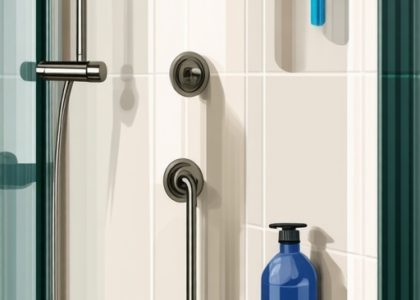
Modern shower enclosures integrate tempered glass with low-iron substrates, paired with corrosion-resistant framing and advanced water-proofing membranes, significantly reducing wear and tear. Expert installations emphasize precise sealing around tiles and baseboards, employing silicone and hybrid sealants that accommodate substrate movement without compromising moisture barriers. Working with industry-leading brands ensures compatibility with injection sealants, tailored for long-term resistance to mold and mildew, an insight supported by recent developments in the shower design innovations.
Optimizing Baseboard Choices to Complement Tile Durability
Baseboards serve both aesthetic and protective functions. Selecting materials such as PVC or composite options offers water resistance and easy maintenance, proving superior in moist environments. Additionally, professional installation emphasizes seamless integration with tiled surfaces, with precise caulking and concealed fasteners for a cleaner look. Exploring innovative designs, like those in the chic baseboard styles, elevates visual coherence while maximizing resilience.
Addressing the Challenges of Moisture-Related Damage
Moisture infiltration remains the primary adversary in bathroom longevity. Techniques such as controlled humidity levels, exhaust fan optimization, and the application of vapor barriers behind tiles dramatically mitigate moisture exposure. Additionally, selecting grout with antimicrobial additives can inhibit mold proliferation, an approach validated by recent EPA research on bathroom hygiene standards. Regular inspection and timely re-sealing are indispensable in precluding long-term damage and preserving the integrity of tile installations.
What Are the Most Effective Practices for Long-Lasting Tile and Grout Preservation?
Implementing a routine schedule for cleaning with pH-neutral agents, employing professional sealing, and choosing materials with inherent moisture resistance establish a foundation for sustained beauty and function. Engaging with industry experts through platforms like our contact page can help craft bespoke maintenance plans that adapt to evolving standards and material innovations.
For those seeking mastery over bathroom surface longevity, delving into dedicated expert resources and sharing insights with fellow professionals fosters continual improvement. The pursuit of durable tile, grout, and baseboards embodies a commitment to quality craftsmanship and aesthetic excellence.
,
Harnessing Surface Preparation for Optimal Adhesion
One of the most overlooked aspects in achieving durable tile and grout installations is meticulous surface preparation. Properly cleaned and primed substrates prevent issues like delamination, mold growth, and premature deterioration. Experts recommend using high-pressure steam cleaning or solvent-based cleaners to eliminate residual oils or sealants prior to adhesive application. Incorporating primer layers tailored to specific substrates further enhances bond strength, ensuring longevity that withstands moisture and temperature fluctuations, as detailed in professional guides like the expert installation protocols.
What Role Do Mechanical Fasteners Play in Tile System Stability?
While adhesives and sealants dominate discussions about durability, integrating mechanical fixation methods—such as expansion anchors or specialized clips—can provide additional reinforcement in high-stress environments. These techniques are particularly effective in large-format tiles or areas subjected to frequent impacts. When combined with chemical adhesion, they create a hybrid approach that significantly reduces the risk of cracks or dislodgement over time. Understanding the synergy between mechanical and chemical bonding is crucial, as highlighted in industry standards and research on advanced installation techniques.
Preventing Surface Micro-Cracking Before It Starts
Micro-cracks often go unnoticed until they compromise the entire surface, leading to costly repairs. Advanced mitigation strategies include selecting highly flexible grout formulations that accommodate substrate movement and integrating movement joints at strategic points. Incorporating insulation layers beneath tile assemblies can also absorb substrate expansion, preventing stress buildup. Using 3D modeling and stress analysis during planning phases enables professionals to anticipate potential failure points, a method validated by recent innovative approaches in structural engineering related to building durability.
How Can Understanding Material Compatibility Reduce Long-Term Failures?
Ensuring compatibility between tiles, adhesives, sealants, and grouts minimizes chemical interactions that might undermine material integrity. For instance, certain epoxy adhesives perform poorly with natural stone tiles due to chemical incompatibilities, leading to discoloration or surface damage. Consulting with manufacturer guidelines and industry experts ensures that selected products interact harmoniously, providing a cohesive, durable system. This proactive approach is critical in high-moisture zones where failure can propagate rapidly, as emphasized in the authoritative expert solutions for tile and grout.
To stay ahead in achieving resilient bathroom surfaces, consider collaborating with specialists through our contact page. Sharing insights and experiences fosters a community of continuous improvement and innovation in surface durability techniques.
Refining Surface Treatments to Combat Micro-Environmental Challenges
Effective tile and grout longevity hinges not merely on initial installation but on mastering micro-environmental controls within the bathroom space. Humidity fluctuations, temperature variances, and airflow patterns create microclimates that accelerate deterioration if unaddressed. Innovative surface treatments, such as nano-porous sealants that repel water and inhibit mold spores at the molecular level, are gaining traction among industry leaders. These advanced coatings not only bolster resistance to moisture ingress but also facilitate easier cleaning by preventing biofilm and dirt accumulation, an assertion supported by recent breakthroughs documented in the Journal of Building Science. Properly integrated, they transform routine maintenance into a proactive armor—preserving aesthetics and structural soundness long-term.
Addressing Substrate Flexion with Adaptive Bonding Solutions
How Do Dynamic Substrate Movements Influence Long-Term Tile System Stability?
Substrate movement, often caused by thermal expansion, contraction, or structural settling, poses a silent threat to the integrity of tiled surfaces. Concrete slabs, wood backing, or even drywall substrates respond differently to environmental stresses, leading to potential stress points that manifest as cracked tiles or compromised grout lines. Adaptive bonding solutions—such as flexible adhesives infused with polymer resins—ameliorate these issues by absorbing substrate movements without compromising adhesion. Furthermore, the strategic installation of expansion joints, designed with precise placement and compatible materials like elastomeric sealants, allows controlled movement, dramatically reducing crack propagation. Industry standards, as outlined in the Tennessee Department of Transportation Structural Design Manual, underscore the necessity of such practices in high-stress environments.
**Professional tip:** coupling flexible adhesives with engineered movement joints creates a dynamic interface that accommodates structural shifts, a technique critical in large-format and high-traffic applications—placing a premium on foresight and meticulous planning.
Enhancing Environmental Safety Through Material Selection
In modern bathrooms, material choices extend beyond aesthetics to encompass health and safety considerations. For instance, antimicrobial-infused grouts, such as those containing silver or copper ions, actively deter the growth of bacteria, mold, and mildew—microbial communities that thrive in moist environments and threaten both surface longevity and indoor air quality. Additionally, selecting low-VOC (volatile organic compound) sealants and adhesives minimizes indoor air pollution, aligning with emerging green building standards. The integration of these environmentally conscientious materials not only enhances durability but also supports holistic sanitation protocols, endorsed by organizations like the American Society of Green Engineers. For design professionals, this represents an opportunity to elevate indoor environmental quality while maintaining structural integrity.
Leveraging Smart Technologies for Predictive Maintenance
The future of bathroom surface durability lies in predictive analytics and sensor integration. Smart moisture sensors embedded beneath tiles can provide real-time data on humidity fluctuations and potential leak points—triggering early interventions before visible damage occurs. Coupled with IoT-enabled sealing systems that adjust sealing integrity based on environmental inputs, these innovations promise a paradigm shift from reactive to preventive maintenance. Studies published in the IEEE Transactions on Sensors exemplify successful applications of such technologies in building health monitoring. For professionals committed to cutting-edge practices, embracing these innovations ensures longevity, cost-efficiency, and resilience in bathroom environments.
Ready to explore integrating smart technology into your tile and grout management routines? Connecting with industry specialists through our contact page can open doors to tailored, forward-thinking solutions that keep your installations at the forefront of durability and hygiene standards.
Innovations in Chemistry Elevate Bathroom Surface Durability
Recent developments in advanced sealant formulations incorporate nanotechnology, resulting in nano-porous coatings that repel water at a molecular level. These cutting-edge treatments not only inhibit mold and mildew growth but also facilitate effortless cleaning by preventing dirt adherence. Industry leaders like NanoTech Industries emphasize that integrating such surfaces during installation significantly extends the lifespan of tiled environments, especially in high-moisture zones.
Optimum Baseboard Materials: Beyond Aesthetics to Structural Defense
Detrimental moisture intrusion often initiates beneath baseboards, undermining structural integrity over time. Utilizing materials such as acrovyn, ultra-high-molecular-weight polyethylene, or sealed composite MDF can serve as an impermeable barrier. Moreover, designing baseboards with integrated drainage channels can divert condensation away from vulnerable joints, reducing long-term degradation. Incorporate these choices strategically to create an unyielding front against moisture ingress and aesthetic deterioration.
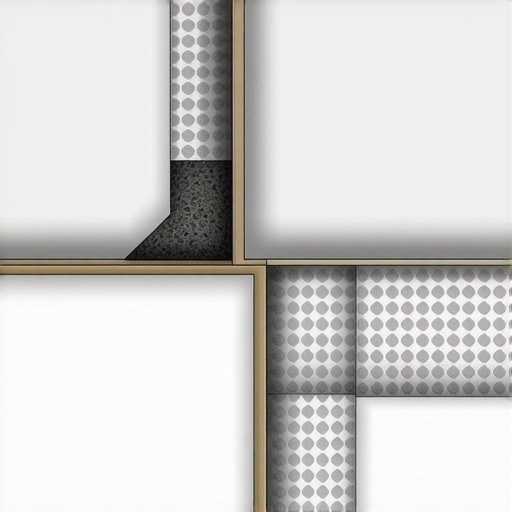
_Image description: Cross-sectional illustration of moisture-resistant baseboard profiles with integrated drainage features to prevent water accumulation and damage._
Harnessing Structural Dynamics for Enhanced Tile System Adaptability
How Does Substrate Movement Impact Long-Term Stability, and How Can Industry-Grade Solutions Mitigate This?
Structural movements, induced by thermal fluctuations or foundational settling, pose latent threats that manifest as grout cracking or tile dislodgement. Applying flexible adhesive systems infused with elastomeric polymers can absorb these shifts, maintaining surface integrity. Additionally, precision-engineered expansion joints situated at calculated intervals prevent stress concentration, enabling the tiled system to accommodate substrate dynamics gracefully. Such practices are documented in the North American Expansion Joint Standard, serving as a benchmark for resilient installations.
Expert Tips for Lasting Bathroom Surfaces
In high-moisture environments like bathrooms, leveraging innovative materials and installation practices is vital to ensure longevity. Utilizing nanotechnology-based sealants can create a molecular water-repellent barrier, drastically reducing mold and mildew growth while simplifying maintenance. Incorporating flexible adhesives paired with engineered expansion joints allows surfaces to adapt seamlessly to substrate movement, preventing cracks and dislodgement. Regularly employing pH-neutral cleaners and advanced grout re-sealing techniques preserves aesthetic appeal and structural integrity over decades.
Key Resources to Deepen Your Expertise
- National Tile Contractors Association (NTCA) Resources: Offers comprehensive installation standards and scientific insights for durable tile systems.
- Journal of Building Science Latest Studies: Features peer-reviewed research on surface treatments and material innovations that extend tile lifespan.
- Manufacturers’ Technical Data Sheets: Essential for understanding compatibilities and advanced sealant formulations under industry best practices.
- Professional Certification Courses in Tile and Grout Maintenance: Enable mastery of micro-porosity sealing, surface prep, and environmental controls.
A Final Word from the Top of the Field
Mastering the art of bathroom surface longevity demands a blend of science, skill, and strategic forethought. Recognizing the critical impact of high-performance materials, intelligent installation methods, and ongoing maintenance routines elevates your craftsmanship to a professional standard. The right combination of innovative approaches in tile, grout, and baseboards doesn’t just enhance aesthetics; it underpins resilience against moisture, temperature variations, and wear. To further refine your expertise, connect with industry leaders or seasoned specialists who can guide your journey toward perfection. Embrace continuous learning, and transform every bathroom into a showcase of durability and enduring beauty.

I really appreciate this comprehensive overview of tile and grout maintenance. Having worked on a few bathroom remodels, I can confirm that surface preparation is absolutely critical. Sometimes, I’ve seen issues arise years down the line simply because the substrate wasn’t properly primed or cleaned before installation. The emphasis on moisture-resistant materials like nano-sealants and flexible adhesives really resonated with me. They seem to be game-changers in preventing micro-cracking and long-term damage. I’ve been curious about how integrating smart moisture sensors might streamline ongoing maintenance—does anyone have experience with that? It seems like a promising way to catch leaks or humidity spikes early before they cause significant harm. Also, with the rising trend of eco-friendly materials, I wonder how that balances with the need for durability—are there green sealants or grout options that meet these high standards? Would love to hear insights from others who’ve delved into these advanced systems or innovative materials.