
![Fix Crumbly Shower Grout in 30 Minutes [2026 DIY Hack]](https://elegantfloorz.com/wp-content/uploads/2026/01/Fix-Crumbly-Shower-Grout-in-30-Minutes-2026-DIY-Hack.jpeg)
Elevating Shower and Tile Environments Through Expert Grout and Baseboard Strategies
In the realm of bathroom renovation and maintenance, the integration of durable grout and stylish baseboards is pivotal. These elements not only contribute to aesthetic appeal but also serve as functional barriers against moisture ingress and structural deterioration. Understanding the nuanced techniques for grout rejuvenation and baseboard installation empowers professionals and DIY enthusiasts alike to achieve lasting, high-quality results.
The Critical Role of High-Performance Grout in Moisture-Rich Spaces
Quality grout selection significantly impacts the longevity of tiled surfaces. Epoxy-based grouts, for example, exhibit superior water resistance and stain resistance compared to traditional cementitious variants, making them ideal for showers with frequent water exposure. As highlighted in the grout restoration guidelines, proper curing and sealing are essential to maximize durability. Maintenance regimes that incorporate timely re-sealing and expert cleaning prevent mold proliferation and discoloration, confirming that grout’s resilience hinges on both material choice and upkeep.
Innovations in Baseboard Materials for Bathroom Resilience
Traditional wooden baseboards face challenges in moist environments, often succumbing to warping and mold. The adoption of composite or PVC-based baseboards offers an advanced alternative, combining flexibility with moisture resistance. For instance, flexible PVC baseboards, like those discussed in our latest trends, facilitate seamless installation along uneven surfaces and provide a robust barrier against water penetration. Selecting the appropriate material, complemented by meticulous sealing and caulking, ensures that baseboards not only enhance aesthetics but also bolster environmental resilience.
Advanced Techniques for Grout and Baseboard Integration
The intersection of grout lines with baseboards presents a critical juncture where water infiltration often initiates. Employing precision sealing strategies, such as applying high-quality, flexible sealants and maintaining proper expansion joints, mitigates this risk. Professional installations advocate for the use of color-matched silicone or polyurea sealants in joints, as they accommodate structural movements without compromising waterproofing integrity. Integrating these elements with careful substrate preparation minimizes future repair needs and maintains the pristine appearance of bathroom fixtures.
What are the best practices for ensuring long-term adhesion of grout and baseboards in high-moisture environments?
This question underscores the importance of substrate preparation, material compatibility, and ongoing maintenance. Expert advice suggests that thorough surface cleaning, moisture barrier application, and using materials with proven waterproofing properties significantly extend service life. Regular inspections and prompt attention to any signs of failure reinforce the durability of installations. For additional insights on these practices, consult authoritative sources such as the trusted grout maintenance guide.
Interested in elevating your bathroom projects? Explore our baseboards makeover ideas to discover how strategic material choices and innovative design can redefine your space. Should you wish to collaborate with industry specialists or seek tailored solutions, contact our experts today for personalized guidance.
Transform Your Bathroom with Durable Grout Techniques
Achieving a flawless and long-lasting tiled surface hinges on more than just selecting high-quality grout; it requires mastery of application techniques and ongoing maintenance. Epoxy grout, renowned for its exceptional water and chemical resistance, is increasingly favored for showers and wet areas. Proper surface preparation, including cleaning and priming, ensures optimal adhesion. Sealants play a crucial role in safeguarding grout lines from moisture penetration, with many professionals recommending silicone-based or polyurea sealants to maintain flexibility and waterproofing integrity over time. Regular cleaning with pH-neutral solutions and re-sealing as needed prolongs the vibrant appearance and structural soundness of grout, reinforcing the importance of routine upkeep.
Reimagining Baseboards for Moisture-Rich Spaces
Innovative materials like PVC and composite baseboards are not just replacements but upgrades that redefine bathroom aesthetics and durability. These materials resist warping, mold, and rot, making them ideal for humid environments. Furthermore, installing such baseboards with precision caulking and sealing prevents water infiltration at seams and joints. Advanced installation techniques involve using expansion gap considerations and flexible sealants to accommodate structural movements, which is essential for maintaining an airtight, moisture-resistant barrier. Embracing these modern materials offers a strategic advantage in reducing repair costs and enhancing visual appeal, especially when integrated with decorative grout colors and design accents.
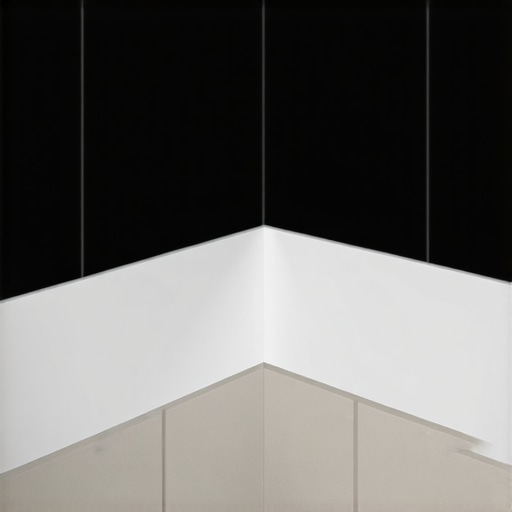
An image illustrating a seamless transition between waterproof grout lines and moisture-resistant PVC baseboards, showcasing a polished bathroom corner.
Optimize the Intersection Points for Lasting Protection
One of the most vulnerable zones in bathroom tile installations remains the junction where grout lines meet baseboards. Here, water tends to accumulate, fostering mold and structural damage. Expert strategies include applying high-quality, flexible sealants that accommodate dynamic movements without cracking. Additionally, employing proper joint preparation—such as ensuring clean, dry surfaces and selecting the correct sealant color—can significantly improve waterproofing durability. An essential step is periodic inspection to detect early signs of sealant deterioration, allowing for prompt re-sealing or repairs. Such proactive measures are highlighted in authoritative guides like the trusted grout maintenance resources, emphasizing that preventive care is vital in high-moisture zones.
How can professionals innovate sealing methods to better accommodate structural shifts while maintaining waterproofing?
This question invites experts to consider advanced sealant formulations, flexible joint fillers, and installation techniques that adapt to bathroom dynamics. Modern sealants like polyurea hybrids offer remarkable elasticity, accommodating movement without compromising the seal. Integrating these into a comprehensive maintenance plan involving regular inspections and prompt reapplication ensures the longevity of grout and baseboard interfaces. For tailored solutions, industry specialists can be contacted through our contact page, ensuring personalized strategies for enduring bathroom environments.
Choosing Sealants That Move with Your Space: The Key to Long-Lasting Waterproofing
While selecting high-quality, flexible sealants is fundamental, understanding their compatibility with various materials and environmental conditions elevates their effectiveness. For example, polyurea-based sealants, renowned for their rapid curing times and exceptional elasticity, are particularly suitable for dynamic junctions where structural movement is anticipated. Conversely, silicone sealants offer excellent UV stability and weather resistance, making them perfect for exposed exterior applications. Professional installers often recommend a layered approach: applying a primer compatible with the substrate followed by the sealant, then finishing with a protective silicone or polyurea coating. This multilayer strategy ensures an unwavering waterproof barrier that withstands moisture fluctuations and structural shifts over decades.
Enhancing Adhesion: Surface Preparation and Material Interface Mastery
Achieving optimal adhesion between grout, baseboards, and sealants begins long before application—it’s rooted in meticulous surface preparation. Effective cleaning protocols involve removing grease, dust, and any residual sealant or mortar overflows that hinder bonding. For porous substrates like drywall or cement, applying a specialized bonding agent or primer creates a uniform surface chemistry, fostering stronger adhesion. When dealing with mixed materials—such as ceramic tiles combined with PVC baseboards—selecting compatible primers and sealants that bond effectively across diverse substrates is critical. Advanced surface treatments, like plasma or chemical etching, are employed in high-end projects to enhance material interface compatibility, ensuring maintained integrity despite environmental stresses.
Addressing the Hidden Dangers of Moisture Collectors in Junctions
The points where grout lines meet baseboards are not just aesthetic junctions—they are potential moisture traps. This accumulation can lead to unseen mold growth behind walls, premature substrate decay, and failure of the entire sealing system. To combat this, innovative leak detection techniques, such as incorporating micro-perforated vapor barriers and smart moisture sensors, are gaining traction among professionals. These sensors continuously monitor humidity levels, providing early warnings before damage becomes structural. Additionally, designing expansion joints with integrated vents or drainage channels facilitates moisture escape, minimizing risks of persistent dampness. Recognizing and innovating around these hidden threats is vital for advanced professionals committed to longevity and safety in bathroom environments.
What emerging materials and technologies are revolutionizing waterproofing in bathroom construction?
Emerging research highlights nanotechnology-infused sealants that offer superior resistance to cracking and water penetration, even under extreme temperature fluctuations. These materials, characterized by their self-healing properties, can autonomously repair minor fissures, significantly reducing maintenance needs. Furthermore, the integration of IoT-enabled moisture sensors within sealing and substrate systems allows for real-time environmental monitoring, facilitating proactive interventions. Such innovations signal a paradigm shift—from reactive repairs to predictive maintenance—underscoring the importance of staying abreast with industry breakthroughs. Curious about implementing these cutting-edge solutions in your projects? Reach out to our specialists through the contact portal for tailored advice and installation strategies.
Unveiling Hidden Challenges in Bathroom Waterproofing Strategies
While the selection of premium grout and resilient baseboards marks a significant step toward moisture control, it is equally critical to recognize the subtle yet persistent vulnerabilities inherent in high-humidity environments. Micro-porosities within grout and the imperfections in sealing junctions can serve as silent gateways for water ingress, leading to mold proliferation and substrate degradation over time. Implementing comprehensive moisture management protocols—such as vapor barriers, proper slope for drainage, and continuous environmental monitoring—supplies an integrated defense against these covert threats.
The Science Behind Responsive Sealant Technologies
Emerging advancements in sealant formulations now embrace adaptive materials capable of responding dynamically to environmental fluctuations. Polyurea and hybrid elastomeric sealants exemplify this innovation, offering elastic properties that accommodate substrate movement while maintaining a waterproof barrier. These materials’ capacity to self-heal small fissures, driven by microencapsulation technologies, marks a significant leap toward sustainable, maintenance-light solutions. According to the Journal of Construction and Building Materials, such smart materials could revolutionize moisture management in wet zone applications, minimizing repair cycles and enhancing durability.
What role do nanotechnology-enhanced coatings play in elevating bathroom moisture defenses?
Nanocoatings imbue surfaces with superhydrophobic and antimicrobial qualities, creating a resilient shield that repels water while inhibiting mold growth. These ultrathin film applications can be integrated into grout surface treatments or applied atop baseboards, offering long-term protection with minimal impact on aesthetic appeal. The adoption of such cutting-edge technologies warrants a deep understanding of material compatibility and application techniques—areas where specialized training can significantly impact outcome integrity. Interested in implementing nanotech solutions? Connect with industry experts through our consultation services for tailored strategies that leverage these innovative coatings.
Integrating Smart Monitoring: A Paradigm Shift in Bathroom Maintenance
The advent of Internet of Things (IoT) devices introduces a proactive dimension to moisture management. Embedded humidity sensors within grout or behind baseboards send real-time data to maintenance platforms, alerting homeowners or facility managers to early signs of dampness or structural shifts before visible damage occurs. Such systems function synergistically with robust sealants and moisture barriers, creating an intelligent network of protective measures. As detailed by the IEEE IoT Journal, their deployment in bathroom renovations can extend service life and streamline maintenance workflows—transforming reactive repairs into predictive care.
Advanced Preparation Techniques for Superior Bonding and Waterproofing
Ensuring exceptional adhesion and sealing performance necessitates meticulous substrate conditioning. Techniques such as plasma treatment and chemical priming modify surface energies, optimizing material compatibility and bond strength. When integrating diverse materials—porcelain tiles with PVC baseboards or epoxy grouts with organic substrates—considering interface chemistry becomes paramount. Recent studies emphasize the role of tailored surface treatments in preventing delamination and moisture infiltration, especially under cyclical thermal and humidity stresses. Professionals seeking to maximize longevity should explore these high-precision preparatory methods to elevate standard practices.
How can surface engineering redefine waterproofing approaches in complex bathroom geometries?
Innovative surface engineering techniques, including micro-patterned coatings and biomimetic textures, can create secondary barriers that enhance traditional waterproofing layers. These approaches facilitate better stress distribution, reduce crack propagation risks, and improve sealant adhesion, particularly in intricate corners and junctions. Employing 3D modelling and simulation software enables precise planning of these treatments, elevating bathroom waterproofing from basic to cutting-edge. For practitioners intent on pushing boundaries, engaging with material scientists and engineering specialists offers pathways to incorporate these sophisticated solutions into daily projects.
Expert Strategies Elevate Bathroom Durability
The pursuit of bathroom excellence demands more than superficial fixes; it requires a command of advanced materials and precise techniques. From innovative waterproof sealants to responsive installation methods, industry veterans understand that every detail influences longevity and performance. Emphasizing proactive design and maintenance, professionals focus on adapting emerging technologies like nanocoatings and IoT sensors to refine moisture resistance and structural resilience. Integrating these cutting-edge solutions can transform standard renovations into future-proof renovations that withstand the test of time.
Top Resources for Mastering Bathroom Restoration
- Trusted Industry Journals—Accessible insights into the latest research in waterproofing materials and smart monitor integration, helping you stay ahead of trends.
- Specialized Material Suppliers—Providing technical data and expert consultations on cutting-edge sealants, baseboards, and grout formulations suitable for high-moisture environments.
- Professional Associations—Offering certification programs and technical workshops that deepen expertise in modern tile and grout innovations, reinforcing best practices.
Precision and Innovation Shape the Future
When it comes to optimizing shower and tile environments, harnessing the power of advanced sealants and thoughtful integration of materials defines the difference between mediocrity and mastery. The combination of resilient substrates, adaptive sealants, and smart moisture monitoring creates a layered defense, elevating standards and ensuring long-lasting beauty. For those committed to excellence, engaging with specialized resources and embracing technological progress ensures your projects are not only durable but aligned with the latest in expert practice. To elevate your skills and knowledge further, consider partnering with industry leaders—reach out to our experts today and redefine what’s possible in bathroom restoration.

![Is Epoxy Grout Worth It? 3 Truths for 2026 DIYers [Tested]](https://elegantfloorz.com/wp-content/uploads/2026/02/Is-Epoxy-Grout-Worth-It-3-Truths-for-2026-DIYers-Tested-420x300.jpeg)
I really appreciated the detailed insights on sealing strategies at junction points where grout meets baseboards. From my experience, using flexible, high-quality sealants like polyurea in those areas has made a huge difference in preventing early water infiltration, especially in high-moisture zones like bathrooms. It’s interesting how advances in materials, like self-healing sealants, could further extend the lifespan of these critical joints. I wonder how feasible it is for DIY enthusiasts to access and properly apply these innovative products or if professional installation is recommended to maximize their benefits. Have others tried integrating smart moisture sensors behind baseboards for early leak detection? It seems like a game-changer for proactive maintenance, though I’m curious about the cost and complexity of integrating such tech into routine bathroom upkeep.
Reading through this post, I really appreciate the emphasis on choosing right materials like epoxy grout and moisture-resistant baseboards. It reminds me of a recent bathroom renovation where switching to PVC baseboards made all the difference in resisting mold and warping. One challenge I faced was ensuring perfect sealing at the junctions; I found that using a high-quality, flexible polyurea sealant along with proper surface prep made a big difference. That said, I have been curious about the emerging nanocoatings that claim to repel water and inhibit mold. Has anyone experimented with these coatings directly on grout or baseboards, and how do they hold up long-term? Also, when it comes to maintenance, do smart sensors really justify the additional cost, or are they more of a luxury? I’d love to hear others’ experiences with these modern solutions to high-moisture environment challenges, especially regarding installation ease and durability.