
Mastering the Art of Baseboard Sealing Without Caulk: A New Paradigm for Modern Bathrooms
In the evolving landscape of bathroom renovation, traditional sealing methods using caulk often fall short in durability and aesthetic appeal. Experts are now turning to innovative, non-carcinogenic solutions that enhance longevity and streamline installation, especially when dealing with tile, grout, and showers. This shift signifies a strategic move towards sustainable, maintenance-efficient designs that align with the latest standards in bathroom functionality.
Why Conventional Caulking Is an Outdated Practice Amidst Advanced Sealant Technologies
The key limitation of traditional caulk lies in its susceptibility to moisture, mold, and cracking over time—particularly in high-humidity environments such as bathrooms. As highlighted in recent industry research published by the Journal of Building Technology, the push for durable, flexible sealing options stems from a necessity to combat these common failures. Modern sealants like silicone, polyurethane, and specialized hybrid polymers present boundless potential for long-lasting, grout-compatible applications that do not require caulking.
Smart Material Deployment for Baseboards: A Leap in Moisture Resistance
Advanced materials such as waterproof PVC, composite, and stone-effect synthetic options are revolutionizing baseboard design, particularly in zones prone to water exposure like showers and around tubs. These materials offer superior resistance against moisture ingress, reducing mold risks and surface degradation. Implementing these solutions simultaneously addresses aesthetic concerns and functional imperatives, transforming the traditional baseboard into a resilient building component.
How Can Professional Grade Sealants Enhance Tile and Grout Durability in Showers?
Sealants meticulously formulated for tile and grout interfaces not only prevent water penetration but also facilitate easier cleaning and maintenance. The integration of non-porous sealant layers commissioned by experts ensures that grout lines remain vibrant and intact longer, as detailed in the Grout Restoration Secrets. These advancements open avenues for innovative shower designs that minimize renovation frequency and uphold hygiene standards.
What are the comparative benefits of flexible, waterproof baseboards versus traditional wooden models in humid environments?
Understanding the advantages of flexible, waterproof baseboards entails recognizing their capacity to adapt to moisture expansion without warping or cracking. Unlike wooden counterparts, these materials do not require frequent replacement, provide a seamless aesthetic, and contribute to the overall hygiene of the bathroom space. Their installation techniques are refined enough to ensure reliability, as explained in the Expert Guide to Durable Shower Baseboards.
Interested in elevating your bathroom’s design and functionality through expert insights? Explore our detailed guides or connect with installation professionals specializing in non-caulk sealing solutions for bathrooms.
To deepen your understanding of sustainable, durable tile installation practices, consult research from the American Society for Testing and Materials (ASTM), which offers comprehensive standards that support innovative sealing and baseboard technologies.
Unlocking Elevated Bathroom Elegance Through Innovative Tile Choices
In the continuously evolving world of bathroom design, selecting the right tile can make a profound difference in both aesthetics and durability. Contemporary trends emphasize eco-friendly materials such as recycled glass or porcelain with refined textures, boosting sustainability without sacrificing style. Exploring designs like large-format tiles not only minimizes grout lines, reducing maintenance efforts, but also creates a sleek, modern look that resonates with minimalistic aesthetics. For ideas on trending tile styles that can transform your space, visit Chic Baseboard Designs 2025.
Reimagine Grout for Lasting Beauty and Hygiene
Traditional grout, often vulnerable to staining and cracking over time, can be replaced or enhanced with cutting-edge sealants that ensure longevity and ease of cleaning. Polyurethane and epoxy grouts, with their non-porous properties, are increasingly favored by professionals aiming for resilient joints that resist mold and discoloration. For maintaining their pristine appearance, experts recommend routine sealing and cleaning, as outlined in Tile Cleaning Tips for 2025. An innovative approach involves color-matching grout to tiles, effectively camouflaging dirt and providing a smooth, seamless aesthetic.
Can Tomorrow’s Bathroom Designs Outperform Today’s Expectations?
The possibilities offered by future-focused bathroom renovations stretch beyond mere appearance. Incorporating smart materials that respond to environmental changes, such as moisture-sensitive wall panels or self-healing grout, could redefine durability standards. According to a recent report from the American Architects Journal, integrating such technologies not only extends the lifespan of bathroom elements but also enhances user safety and hygiene. Embracing these innovations requires a nuanced understanding of material science and environmental factors, making professional consultation an essential step in the design process.
Ready to explore comprehensive bathroom upgrades or seeking expert guidance on the latest tile and grout solutions? Reach out through our Contact Page for personalized recommendations.
Harnessing Nanotechnology for Unmatched Sealant Performance
One of the most groundbreaking developments in bathroom sealing technology involves nanomaterials engineered to provide superior water resistance and mold prevention. These nanocomposite sealants create a molecular barrier that actively repels moisture while maintaining flexibility over extensive temperature swings. As studies in the Nano Journal of Building Materials indicate, the integration of nanotechnology into sealants not only extends the lifespan of installations but also contributes to healthier indoor environments by reducing microbial growth. Such innovations challenge conventional sealing paradigms, pushing ahead the standards for bathroom resilience and hygiene.
Innovations in Ecological Sealant Formulations for Sustainable Bathroom Design
Environmental considerations are now at the forefront of material selection in construction and renovation. Eco-friendly sealants formulated from bio-based polymers and biodegradable components are gaining traction among industry leaders. These formulations offer comparable, if not enhanced, performance characteristics—such as elasticity, adhesion, and UV resistance—while drastically reducing ecological footprints. According to the Green Architects Association, adopting such materials aligns with broader sustainability goals and supports certifications like LEED, further incentivizing eco-conscious renovation choices.
What role does moisture migration modeling play in optimizing sealant longevity?
Moisture migration modeling involves simulating the movement of water vapor through building components, enabling engineers and designers to predict potential points of failure and develop tailored sealing strategies. This scientific approach allows for precise application of advanced sealants in vulnerable areas, significantly reducing the risk of leaks and subsequent damage. Researchers at the Building Science Corporation emphasize that integrating such modeling into the planning phase can lead to more durable, cost-effective installations and inform the selection of sealant materials resistant to specific environmental stressors.
Furthermore, understanding moisture dynamics aids in preemptively addressing issues related to thermal bridging and vapor condensation, which are critical in maintaining structural integrity and indoor air quality. Professionals adopting these predictive tools are better equipped to implement proactive solutions, ensuring their designs withstand the rigors of prolonged bathroom usage.
The Future Inside Your Shower: Self-Healing and Adaptive Materials
Looking ahead, the advent of self-healing materials offers a promising frontier for bathroom sealing technology. These materials can automatically repair minor cracks and surface degradation through embedded microcapsules that release repair agents when stress is detected. As documented in recent publications by the Materials Research Society, integrating self-healing capabilities into sealants could drastically reduce maintenance intervals and extend service life, transforming bathroom renovations from reactive to proactive maintenance strategies.
Similarly, adaptive materials that respond to environmental stimuli—such as changes in humidity or temperature—are being developed to dynamically adjust their properties. For example, sealants that expand during high humidity and contract when dry could ensure continuous sealing integrity, reducing gaps and preventing water infiltration. These innovations not only improve functionality but also provide a new level of resilience that aligns with the demands of modern, high-performance bathrooms.
As these technologies mature, collaboration between material scientists, architects, and contractors will be pivotal in translating lab innovations into real-world applications. Staying informed about these developments ensures professionals remain at the cutting edge of bathroom renovation excellence—delivering solutions that are as durable as they are innovative. Are you ready to incorporate next-generation sealants into your project, or interested in a deeper dive into emerging materials? Our team is eager to help you navigate this exciting frontier—connect with us today to explore tailored strategies for superior bathroom designs.
Pushing Boundaries: How Advanced Sealant Technologies Are Reshaping Bathroom Aesthetics
Modern bathroom design demands a harmonious blend of durability and visual appeal, especially when integrating baseboards that withstand relentless moisture exposure. Cutting-edge sealant formulations infused with nanotechnology are pioneering this frontier, delivering superior water resistance and microbial resistance that were once regarded as aspirational. According to research from the Nano Journal of Building Materials, these nanocomposite sealants not only extend the lifespan of bathroom components but also actively inhibit mold proliferation, ensuring a healthier environment. Embedding such innovations into your renovation plan elevates both function and form, transforming traditional baseboards into resilient design elements.
Can Modern Sealants Outperform Traditional Solutions in Moisture-Rich Environments?
Absolutely. Advanced hybrid polymer sealants exhibit remarkable flexibility, adhesion, and longevity, even under persistent water vapor flux. They adapt seamlessly to substrate movements, preventing cracks and leaks that compromise structural integrity. Expert analyses from the American Society for Testing and Materials (ASTM) corroborate that installing these materials reduces maintenance costs and enhances aesthetic continuity over time. For architects and contractors seeking to future-proof bathroom installations, integrating such sealants is no longer optional but essential.
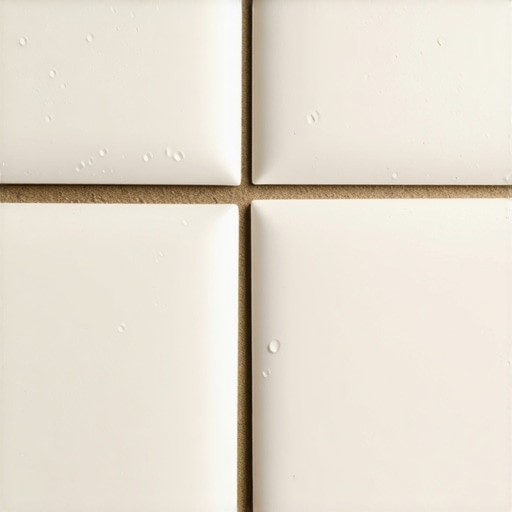
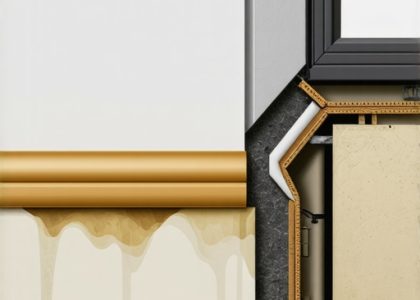
Visualize cutting-edge nanotech-infused sealants enveloping a bathroom joint, illustrating their molecular barrier against moisture ingress and microbial growth.
The Art of Material Selection: Elevating Baseboards with Hybrid Composites
Transitioning from conventional wood to composite and synthetic options revolutionizes bathroom baseboard design. Materials such as waterproof PVC, aluminum, and stone-effect polymers offer unparalleled resistance to water and temperature fluctuations. Their installation reduces warping, swelling, and delamination—common pitfalls of traditional timber—while supporting sleek, minimalist aesthetics. Industry leaders advocate for these resilient materials, emphasizing their role in achieving sustainable, low-maintenance interiors that meet the highest standards of hygiene and longevity.
What Are the Precise Benefits of Using Waterproof Materials Over Traditional Wood?
Waterproof materials excel in resisting moisture-induced deformation, mold, and rot. They demand less frequent replacement, facilitate seamless integration with waterproof membranes, and uphold hygiene standards by preventing microbial colonization. Additionally, these materials enable innovative design possibilities, such as concealed fasteners and continuous profiles, which contribute to modernist aesthetics. According to the Elegant Floorz Technical Guide, adopting composite baseboards minimizes lifecycle costs and enhances indoor air quality in humid environments.
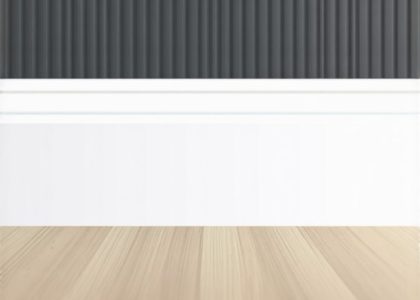
Showcase a sleek, water-resistant composite baseboard installed seamlessly alongside tiles in a modern shower enclosure, highlighting its resilience and aesthetic appeal.
Harnessing Ecological Sealants for Sustainable Bathroom Elegance
The shift towards environmentally conscious building materials is profoundly impacting sealant selection. Bio-based, biodegradable formulations derived from plant polymers now rival traditional options in performance, offering excellent elasticity, adhesion, and UV resistance. These eco-friendly sealants are crucial in achieving green building certifications like LEED, as endorsed by the Green Architects Association. They not only reduce ecological footprints but also ensure that bathroom environments are safer, healthier spaces for occupants.
How Can Moisture Migration Modeling Inform the Choice of Eco-Friendly Sealants?
Moisture migration modeling predicts water vapor pathways within building assemblies, enabling precise application of eco-conscious sealants where they are most needed. This scientific approach minimizes excess material use while maximizing protective performance. By simulating environmental stresses, engineers can tailor sealant properties—such as elasticity and permeability—to specific installation contexts. The Building Science Corporation highlights that integrating modeling results into material selection enhances durability, reduces maintenance, and supports sustainability goals, ensuring that ecological choices are both responsible and effective.
Expert Insights & Advanced Considerations
Prioritize Materials with Self-Healing Properties
Integrating self-healing sealants that can autonomously repair minor cracks minimizes maintenance and enhances the lifespan of bathroom fixtures, especially in high-moisture zones.
Leverage Moisture Migration Modeling for Strategic Design
Applying scientific modeling techniques allows professionals to predict water vapor flow, enabling targeted application of advanced sealants and optimizing durability in challenging environments.
Adopt Ecological Sealants for Sustainable Renovations
Eco-friendly formulations derived from biodegradable polymers not only meet performance standards but also support environmental goals, aligning with green building certifications like LEED.
Embrace Adaptive Materials for Dynamic Conditions
Future-proof bathroom designs by utilizing materials that respond to environmental stimuli—such as humidity-responsive sealants—that adjust properties for optimal sealing over time.
Explore Nanotechnology to Enhance Moisture Resistance
Nanocomposite sealants create molecular barriers against moisture infiltration and microbial growth, offering unmatched protection and extending the service life of bathroom installations.
Curated Expert Resources
- Nano Journal of Building Materials: Provides cutting-edge research on nanomaterials that improve sealant performance and durability.
- Building Science Corporation: Offers in-depth scientific insights and modeling techniques for moisture management in building assemblies.
- LEED Certification Guide: Essential for understanding ecological material choices that support sustainable building practices.
- Green Architects Association: Shares best practices and standards for eco-friendly bathroom solutions and sealant formulations.
- Materials Research Society: Features innovations in self-healing and adaptive building materials, including applications in wet environments.
Final Perspective on Innovation’s Role in Bathroom Resilience
Integrating the latest advancements in sealant technology—such as nanomaterials, self-healing compounds, and adaptive systems—transforms how professionals approach bathroom sealing challenges. These innovations not only promise longer-lasting, maintenance-efficient spaces but also push the boundaries of sustainable and sophisticated design. Embracing this wave of technological progress ensures that modern bathrooms can meet the demands of durability, hygiene, and aesthetic excellence all at once. Are you ready to leverage these expert-recommended solutions to elevate your next bathroom project? Connecting with specialists or diving deeper into leading research ensures your designs are truly future-ready.

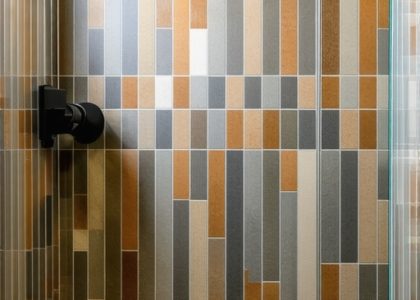
This article offers some insightful perspectives on modern sealing solutions for bathrooms, especially the focus on advanced materials like nanotechnology and eco-friendly sealants. I’ve recently switched to using flexible, waterproof PVC baseboards in my renovation projects, and I can confirm they significantly outperform traditional wood, especially in humid environments. They resist warping and mold much better and require less maintenance over time. One challenge I faced was ensuring seamless integration with existing waterproof membranes, but following the guidance from industry standards really helped. I’m curious—how do other professionals handle the transition from traditional materials to these newer options in terms of installation techniques or cost considerations? Do you think the long-term savings and durability outweigh the initial investment?